

Paper
Mei Ying Gechlik (Veron Hung)
{
  "authors": [
    "Mei Ying Gechlik (Veron Hung)"
  ],
  "type": "legacyinthemedia",
  "centerAffiliationAll": "dc",
  "centers": [
    "Carnegie Endowment for International Peace"
  ],
  "collections": [],
  "englishNewsletterAll": "asia",
  "nonEnglishNewsletterAll": "",
  "primaryCenter": "Carnegie Endowment for International Peace",
  "programAffiliation": "AP",
  "programs": [
    "Asia"
  ],
  "projects": [],
  "regions": [
    "China"
  ],
  "topics": []
}
Source: Getty
Source: The Columbia Journal of Asian Law
The U.S. has reiterated that it welcome "the rise of a confident, peaceful, and prosperous China." Implicit in this message is Washington’s concern about the potential threat of China’s rise. To ease such concern prevailing outside China and to respond to criticisms about the Chinese Communist Party’s (CCP) governance spreading across the country, Beijing has vowed to establish a "socialist harmonious society" that features, among other characteristics, the rule of law, fairness, and justice. Unfortunately, courts in China have yet to exemplify the rule of law, fairness, and justice. Understanding that its governance cannot be sustained by a dysfunctional justice system, Beijing has taken a series of actions to reform China’s judiciary.
This study seeks to analyze whether fairness has been achieved in Shanghai and what this means to China as a whole. Based on extensive literary research, a survey, and interviews in China, this study seeks to answer three questions: Are interference, intracourt and intercourt influence, and judicial corruption of a lesser magnitude in Shanghai than in other parts of China? If so, what measures has Shanghai taken to accomplish this? What lessons about judicial reform in China can be learned from Shanghai’s experiences?
This article was originally published in the Columbia Journal of Asian Law, April 2006.

Former Non-Resident Associate
Recent Work
Mei Ying Gechlik (Veron Hung)
Mei Ying Gechlik (Veron Hung)
Carnegie does not take institutional positions on public policy issues; the views represented herein are those of the author(s) and do not necessarily reflect the views of Carnegie, its staff, or its trustees.

China has aligned its cooperation model with Saudi Arabia’s own priorities, most notably since the kingdom unveiled its Vision 2030. Although China announced the Belt and Road Initiative in 2013, the big push in relations happened only after the ascendance of King Salman to the throne in 2015 and Riyadh’s push for Beijing to meet Saudi needs.

Hesham Alghannam

The Gulf Cooperation Council has shifted its energy export focus to Asia, particularly India and China. This is part of a broader shift as GCC members look to expand their geopolitical alliances away from the West.

Alexandre Kateb
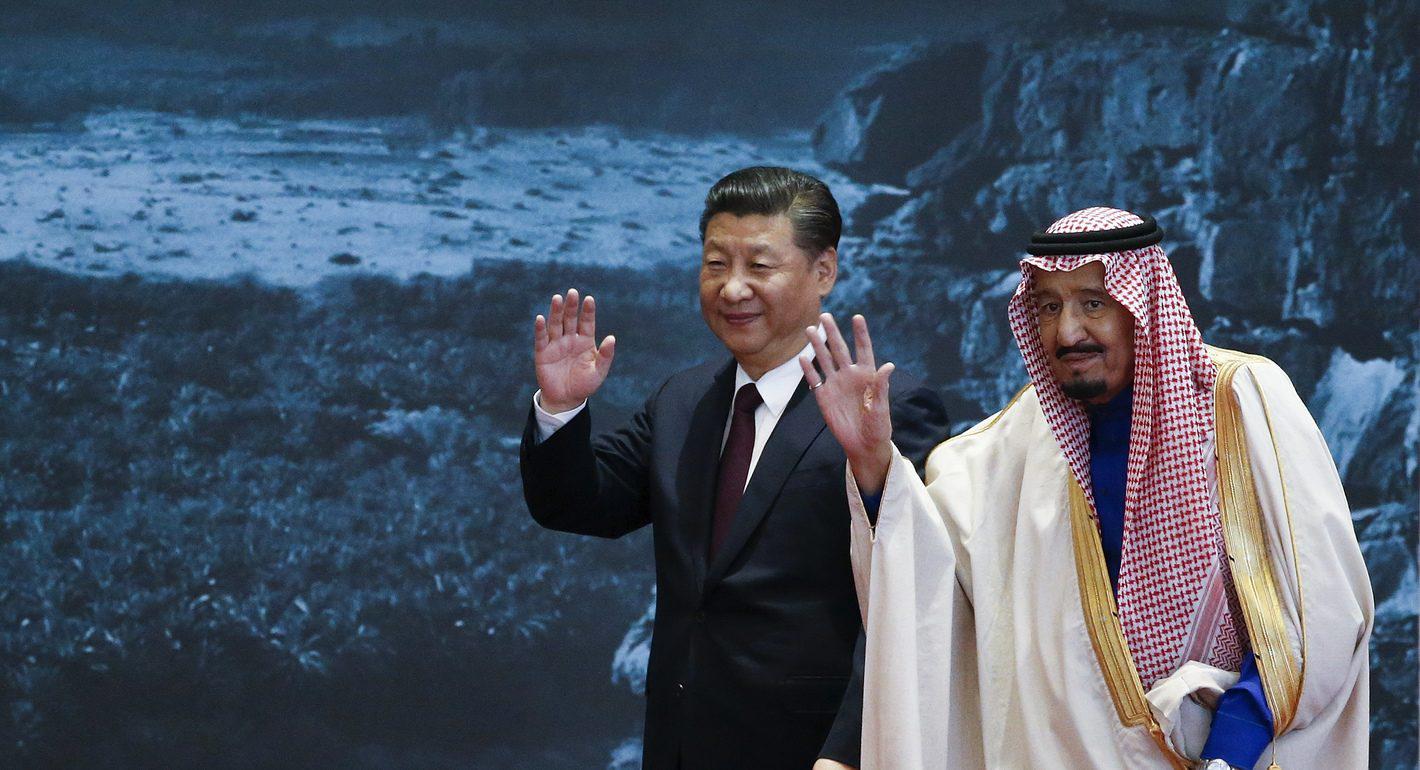
The advantage that China has over other global powers, especially America, is that its foreign policy is closely aligned with those of many of the Middle Eastern countries.

Jin Liangxiang, Maha Yahya, Hesham Alghannam
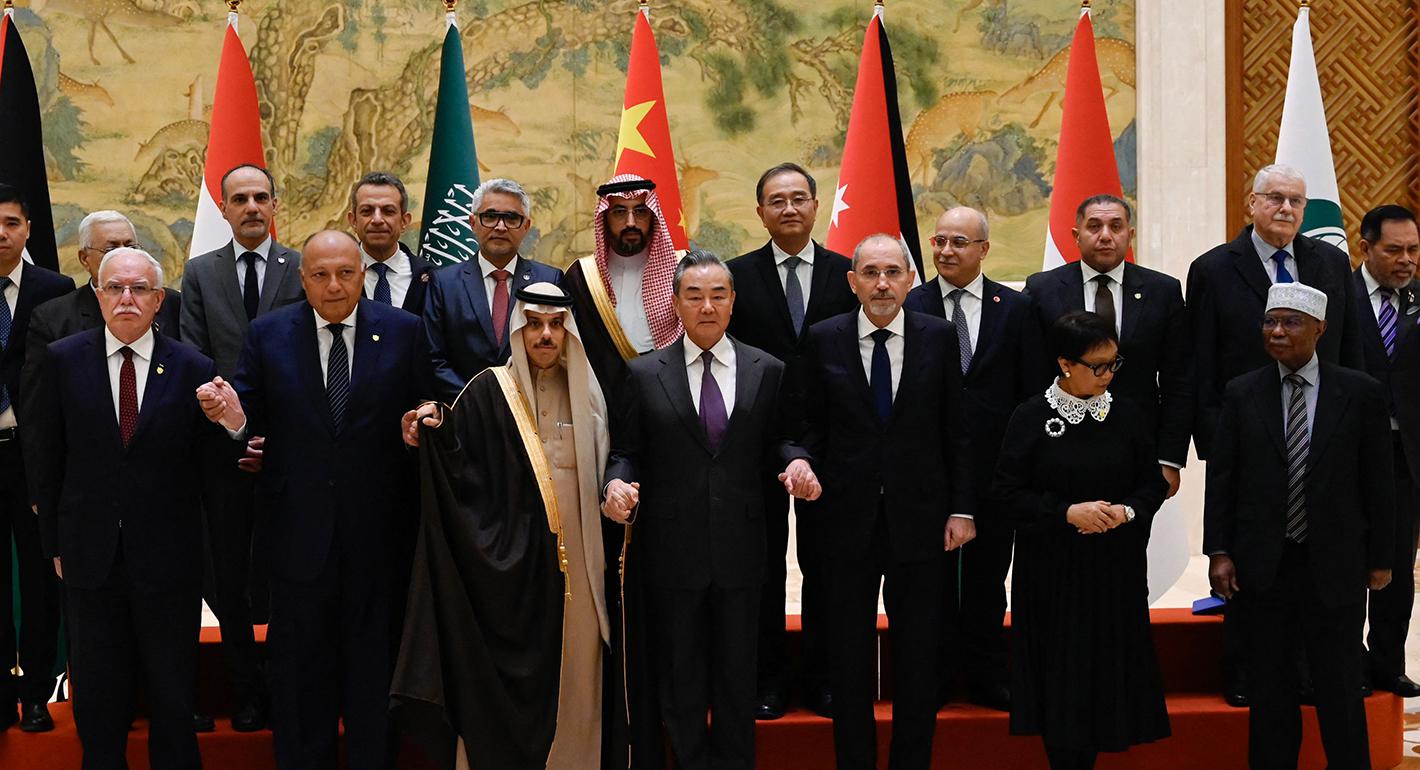
To create an environment more conducive to cooperation and development, U.S. and Chinese efforts should seek the endorsement of neighboring countries and regional organizations. Otherwise, regional and geopolitical rivalries will remain barriers.
Abdullah Baabood

Scholars from Carnegie’s global network comment on how the ongoing conflict between Israelis and Palestinians is affecting their areas of interest, and what the implications of this may be.


Maha Yahya, Rosa Balfour, Judy Dempsey, …