

In The Media
Minxin Pei
{
  "authors": [
    "Minxin Pei"
  ],
  "type": "legacyinthemedia",
  "centerAffiliationAll": "dc",
  "centers": [
    "Carnegie Endowment for International Peace"
  ],
  "collections": [],
  "englishNewsletterAll": "asia",
  "nonEnglishNewsletterAll": "",
  "primaryCenter": "Carnegie Endowment for International Peace",
  "programAffiliation": "AP",
  "programs": [
    "Asia"
  ],
  "projects": [],
  "regions": [
    "China"
  ],
  "topics": [
    "Military"
  ]
}
REQUIRED IMAGE
Source: Straits Times
Even for those who have grown accustomed to interminable airplane flights, last week's 37-hour trip taken by President Chen Shui-bian from Taiwan to Paraguay may appear a bit extreme, if not unusual, especially if you consider that President Chen has his own Boeing 747-400 and the option of taking an alternative, and much shorter, route.
But of course, in Taipei's never-ending struggle for international legitimacy, nothing is unusual. To break out of the diplomatic isolation imposed on it by mainland China, which regards Taiwan as a breakaway province, the Taipei government has invented - if not perfected - the art of 'transit diplomacy'. This is done by intentionally routing the flights carrying its top leaders through major countries with which Taiwan has no official relations. Such visits are designed to show defiance to Beijing as well as to demonstrate Taipei's sovereignty.
As a result, the United States has, literally, been caught in the middle. Situated halfway between Taiwan and Latin America, the US is, strategically, an ideal transit point for Taiwanese leaders on their way to visit their diplomatic allies in the southern hemisphere, such as Paraguay.
The practical importance of such visits is less than the brief transits through the US. Forever fearful of abandonment by Washington, Taipei has taken to interpreting such stops as a gauge of the US commitment to Taiwan.
So, for example, a lengthy transit stop at a point along the US east coast is viewed as more valuable than one on the west coast. Of course, if Washington allows only a stop in Hawaii or Alaska, that would be tantamount to diplomatic humiliation.
But that was precisely what transpired last week. After requesting a transit stop either in New York City or San Francisco, Taipei was informed, literally at the last minute, that Washington would only grant President Chen brief refuelling stops in Hawaii or Alaska. Shocked, but defiant, Mr Chen decided not to transit at either on his outbound flight to Paraguay. Taiwanese officials, meanwhile, are accusing Washington of caving in to Beijing's pressure.
If President Chen and his advisers genuinely believe that the US snubbed him because of pressure from China, they cannot be more wrong. The whole transit incident, however comical it might appear to casual observers, actually demonstrates Mr Chen's tendency to wilfully and consistently misread the signals from the US, the de facto guarantor of Taiwan's security.
To begin with, after recently upsetting the Bush administration by breaking his own pledge and dismantling a symbolic government agency in charge of reunification with the mainland, Mr Chen was ill-advised to have requested a transit stop in New York City or San Francisco. To make things worse, Mr Chen has vowed to pass a new Constitution through a public referendum, an act tantamount to juridical independence that is all but certain to provoke a dangerous confrontation with mainland China.
President George W. Bush, who has given Taiwan an unprecedented level of military and diplomatic support since 2001, made this difficult decision in order to send President Chen a clear and strong message to stop his risky pursuit of juridical independence.
In October 2003, Washington allowed Mr Chen a high-profile transit stop in New York City, even though the Taiwanese leader was at that time engaged in a similar effort to affirm the island's independence. Unfortunately, President Chen mistook Washington's hospitality as tacit approval of his actions and intensified his so-called 'public referendum campaign' after he returned to Taiwan.
Alarmed by Taipei's miscalculation, President Bush was forced to rebuke Mr Chen publicly in December 2003 - in front of Chinese Premier Wen Jiabao.
This time, to prevent Mr Chen from making the same mistake, Washington actually calibrated its reaction with care and precision. Mr Bush did not openly criticise Mr Chen while Chinese President Hu Jintao was visiting the White House last month. Such a public demonstration of displeasure with Taipei's actions might have delighted Mr Hu, but would be too heavy-handed and counterproductive for the US.
Instead, by denying him a highly valued transit stop on the US mainland, President Bush delivered his warning to Taipei subtly but clearly.
But judging from Mr Chen's defiant behaviour, it is doubtful whether the Taiwanese leader has got Washington's message. But that may be beside the point since Taiwan can ill-afford to antagonise the US further. Of course, Taipei can mobilise its lobby in Washington to attack the White House. Playing offence will only backfire this time.
The Republican-controlled Congress, now preoccupied with the mid-term elections in November, is too busy to do Taipei's bidding, let alone take on their own President. So far, only two rightwing - and lightweight - Congressmen have publicly criticised the State Department for mistreating Mr Chen. Most important, on the Taiwan issue, there is no real divide between the administration and Congress, as was the case in the 1990s.
Mainstream American politicians are acutely aware of the dangers of war posed by Taiwan's pro-independence movement. They remain sympathetic with Taipei and supportive of its democracy, but they will not let Taiwan drag the US into an unnecessary and calamitous military conflict with China so that the islanders can have a new national flag and sing a different anthem.
However, detached from the reality in Washington, President Chen and his obsequious advisers are likely to continue to defy the Bush administration. They may escalate their campaign for a new Constitution, thus moving down the path to confrontation, not just with mainland China, but with the US as well. Such a scenario would place Beijing and Washington in a unified front against Taipei, a strategic nightmare that Mr Chen himself has unwittingly helped to create. By needlessly angering the US with a reckless plan to alter the status quo across the Taiwan Strait, President Chen has violated the cardinal rule of international relations - 'never bite that hand that feeds you'.
He is now paying a heavy price for it.
Ironically, on his return trip from Latin America, President Chen may have no choice but to land in Alaska for refuelling. This is a fitting metaphor for the strategic constraints imposed on Taiwan by geopolitical realities. One can only hope that President Chen learns this lesson from his gruelling round-the-world detour.
The writer is the director of the China Programme at the Carnegie Endowment for International Peace in Washington.
This article originally appeared in the Straits Times on May 9, 2006.
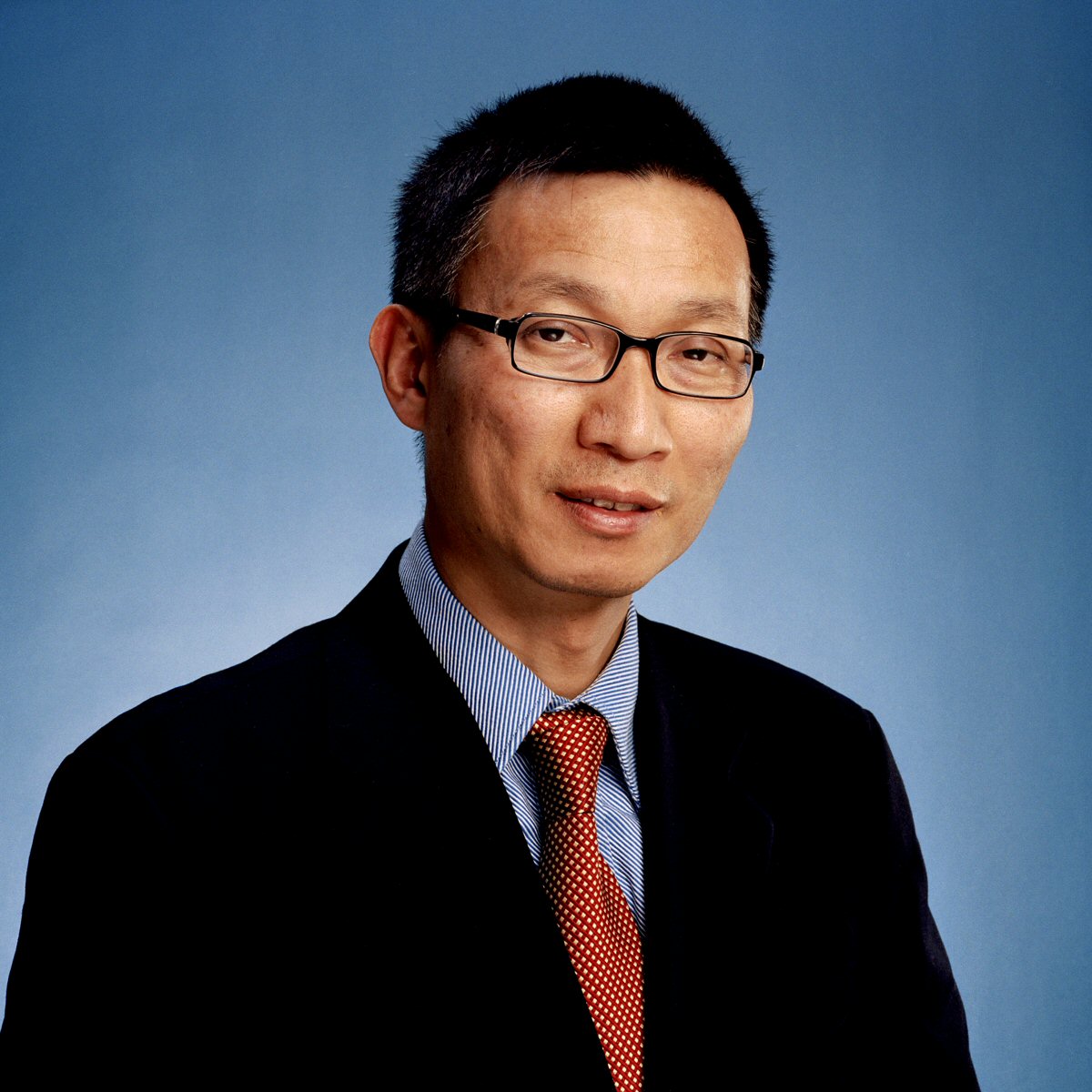
Former Adjunct Senior Associate, Asia Program
Pei is Tom and Margot Pritzker ‘72 Professor of Government and the director of the Keck Center for International and Strategic Studies at Claremont McKenna College.
Recent Work
Minxin Pei
Minxin Pei

The armed forces champion a form of capitalism that is generating revenue, but its reliance on rent faces diminishing returns, leaving the country with massive sunk costs and deferred returns, deepening dependency on external borrowing.

Yezid Sayigh

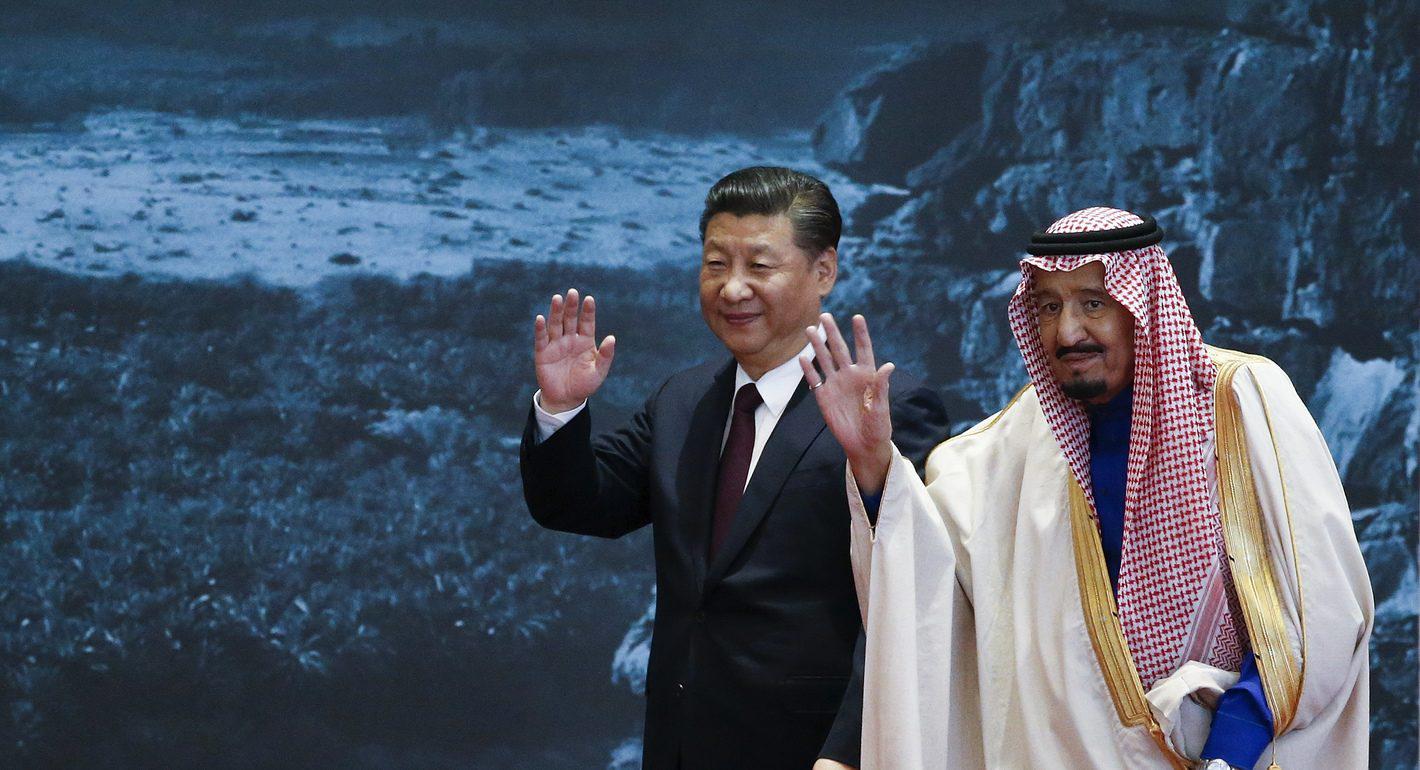
China has aligned its cooperation model with Saudi Arabia’s own priorities, most notably since the kingdom unveiled its Vision 2030. Although China announced the Belt and Road Initiative in 2013, the big push in relations happened only after the ascendance of King Salman to the throne in 2015 and Riyadh’s push for Beijing to meet Saudi needs.

Hesham Alghannam
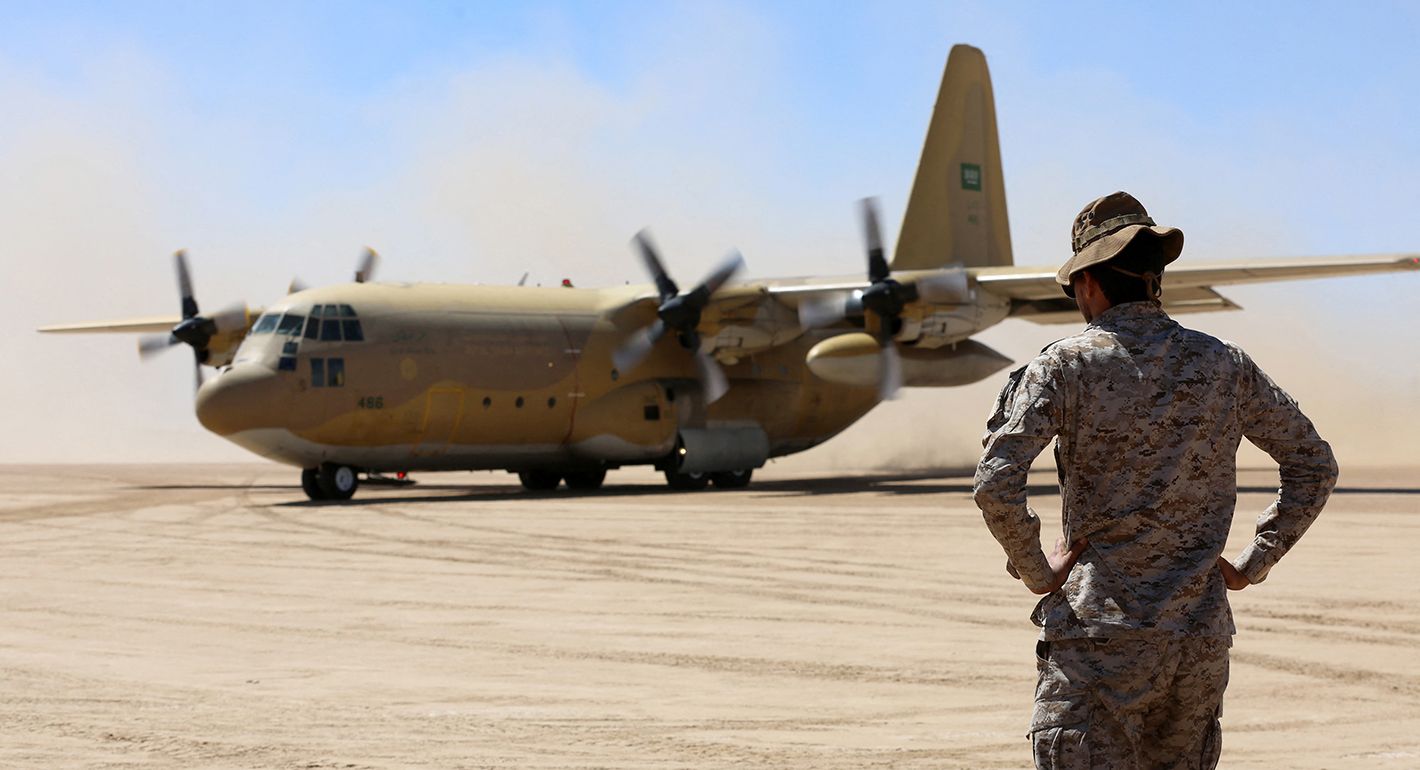
Gulf states such as Saudi Arabia and the UAE have determined that their national security goes beyond their physical borders. It is just as important to shield their airspace, territorial waters, and even maritime trade routes.
Abdullah Baabood
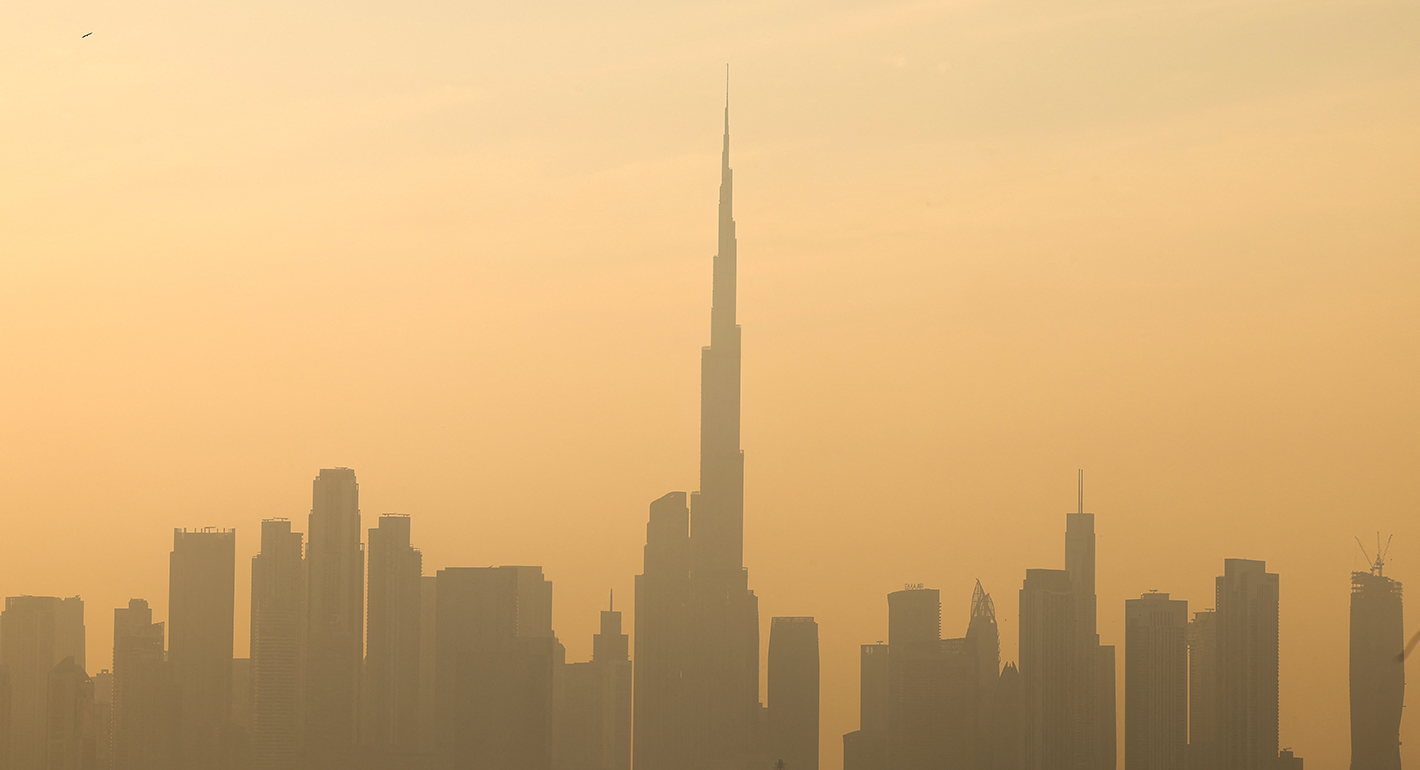
The Gulf Cooperation Council has shifted its energy export focus to Asia, particularly India and China. This is part of a broader shift as GCC members look to expand their geopolitical alliances away from the West.

Alexandre Kateb
The advantage that China has over other global powers, especially America, is that its foreign policy is closely aligned with those of many of the Middle Eastern countries.

Jin Liangxiang, Maha Yahya, Hesham Alghannam