

Commentary
Huawei pushed hard to enter the Egyptian data centers market, until the Americans made a better offer.
Angie Omar
{
  "authors": [],
  "type": "pressRelease",
  "centerAffiliationAll": "dc",
  "centers": [
    "Carnegie Endowment for International Peace"
  ],
  "collections": [],
  "englishNewsletterAll": "democracy",
  "nonEnglishNewsletterAll": "",
  "primaryCenter": "Carnegie Endowment for International Peace",
  "programAffiliation": "DCG",
  "programs": [
    "Democracy, Conflict, and Governance",
    "Middle East"
  ],
  "projects": [],
  "regions": [
    "Lebanon",
    "Syria",
    "China"
  ],
  "topics": [
    "Political Reform",
    "Democracy",
    "Economy",
    "Security",
    "Foreign Policy"
  ]
}
REQUIRED IMAGE
In view of the current conflict between Lebanon and Israel, policy makers should highlight the importance of domestic political reform in the Middle East.
FOR IMMEDIATE RELEASE: July 17, 2006
In view of the current conflict between Lebanon and Israel, policy makers should highlight the importance of domestic political reform in the Middle East. A new paper from the Carnegie Endowment’s Middle East Program, Reform in Syria: Steering between the Chinese Model and Regime Change, explores the external-internal tangle that is Syrian politics—its recent history, efforts at economic and administrative reform, opposition parties and coalitions, and the priorities for and obstacles to meaningful democratic reform. This paper is the latest contribution to the Carnegie Paper series on Arab political reform. Click here to read the paper or here to access the entire series.
The author underscores that while the Syrian regime is not averse to change, it wants reforms to take place in a slow, steady manner, to avoid the loss of political control. Syrian government officials explicitly seek to emulate the Chinese model of reform, which promoted economic reform and modernization in many sectors while the Chinese Communist Party retained complete political control. The Syrians are determined to avoid the experiences of Eastern Europe and the former USSR, where modest political openings quickly mushroomed into regime collapse. The author lays out the priorities for reform, describes the obstacles these reforms face, and explicates Syria’s internal weak and divided opposition.
The paper suggests to policy makers the three most likely political scenarios for Syria’s future: the existing power structure will prevail; an internal coup by the Alawites in the military will occur; or the regime will experience a complete collapse, leading to a difficult period of instability because of the weakness of the Syrian opposition.
The international community is faced with many uncertainties and challenges in Syria and immediate regime change is not likely to bring about positive results. The United States and European countries are more likely to succeed in promoting positive change in the long run if they take the following steps:
Direct link to pdf: http://www.carnegieendowment.org/files/CEIP_CP_69_final.pdf
The Democracy and Rule of Law Program’s Middle East Series examines the governmental makeup and political reform of various countries in the region. For other papers in the series or to learn more about Carnegie’s Middle East program go to www.CarnegieEndowment.org/MiddleEast.
Contact: Jennifer Linker, (tel) +1 202/939-2372, jlinker@CarnegieEndowment.org
###
Carnegie does not take institutional positions on public policy issues; the views represented herein are those of the author(s) and do not necessarily reflect the views of Carnegie, its staff, or its trustees.

Huawei pushed hard to enter the Egyptian data centers market, until the Americans made a better offer.

Angie Omar
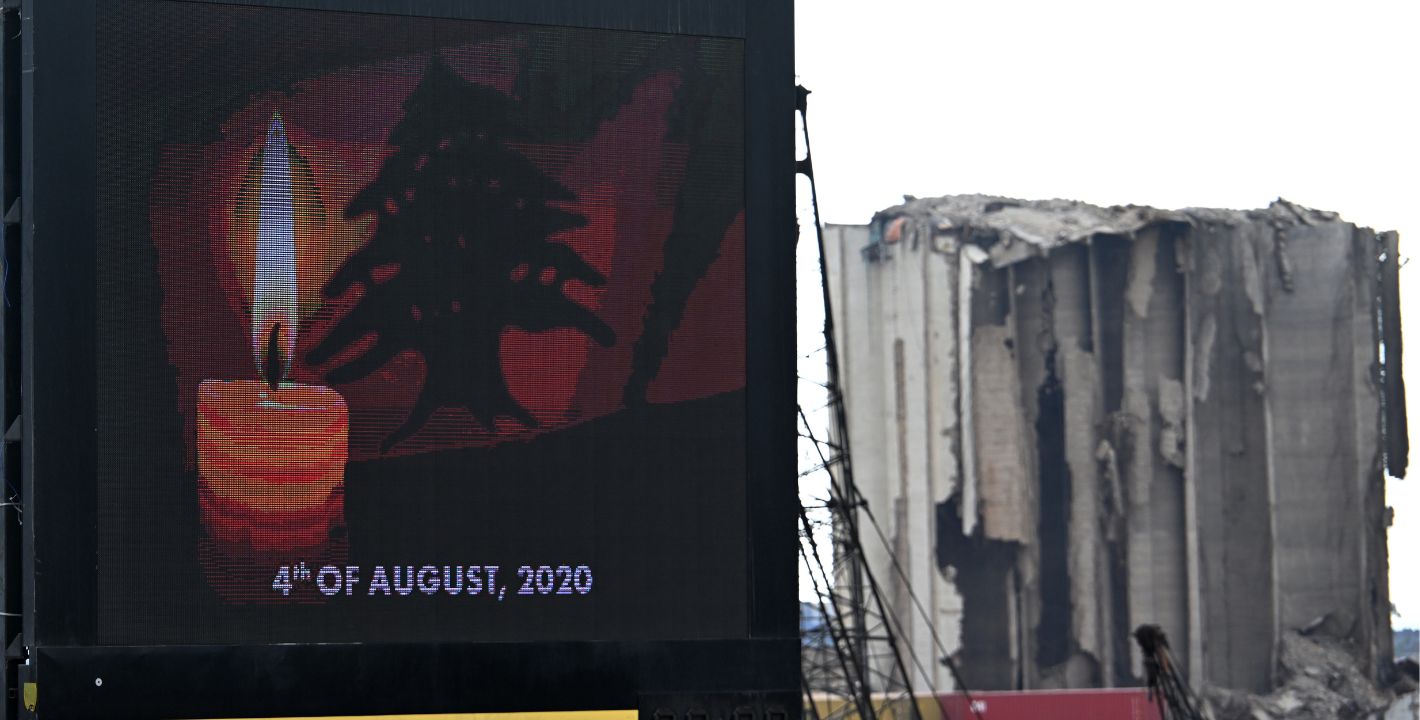
Lying at the heart of Lebanon’s dysfunction is an inability to secure accountability and institutional legitimacy.

Maha Yahya

In an interview, Sohaib Jawhar analyzes the profound changes in the ties between the neighboring countries.

Michael Young

By failing to address Palestinian representation, the current process is bound to lead to just another temporary arrangement.

Nathan J. Brown

The armed forces champion a form of capitalism that is generating revenue, but its reliance on rent faces diminishing returns, leaving the country with massive sunk costs and deferred returns, deepening dependency on external borrowing.

Yezid Sayigh