

Commentary
- +9
Nathan J. Brown, Alper Coşkun, Amr Hamzawy, …
{
  "authors": [
    "Amr Hamzawy"
  ],
  "type": "other",
  "centerAffiliationAll": "dc",
  "centers": [
    "Carnegie Endowment for International Peace"
  ],
  "collections": [],
  "englishNewsletterAll": "democracy",
  "nonEnglishNewsletterAll": "",
  "primaryCenter": "Carnegie Endowment for International Peace",
  "programAffiliation": "DCG",
  "programs": [
    "Democracy, Conflict, and Governance",
    "Middle East"
  ],
  "projects": [],
  "regions": [
    "Middle East",
    "Egypt",
    "Iraq"
  ],
  "topics": [
    "Political Reform",
    "Democracy",
    "Security",
    "Foreign Policy"
  ]
}
Source: Getty
Click on the links below to read the following articles in arabic.
Read his discussion on militant Islamists in Egypt on Al Arabiya's "Panorama," September 3, 2006.
Read his discussion on the challenge of Islamist movements and the future of Arab liberalism on Al Arabiya's "Ocross the Ocean," September 1, 2006.
Regional Shadows of the Lebanon War, by Amr Hamzawy, Asharq Alawsat, August 24, 2006.
Amr Hamzawy discussed the impacts of the Lebanon war on the Arab public opinion and the democratization process, Al Arabiya, August 19, 2006.
Read recent transcripts of Amr Hamzawy's TV appearances on Al Jazeera TV.
Rice's New Middle East, by Amr Hamzawy, Asharq Alawsat, August 5, 2006.
Director, Middle East Program
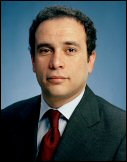
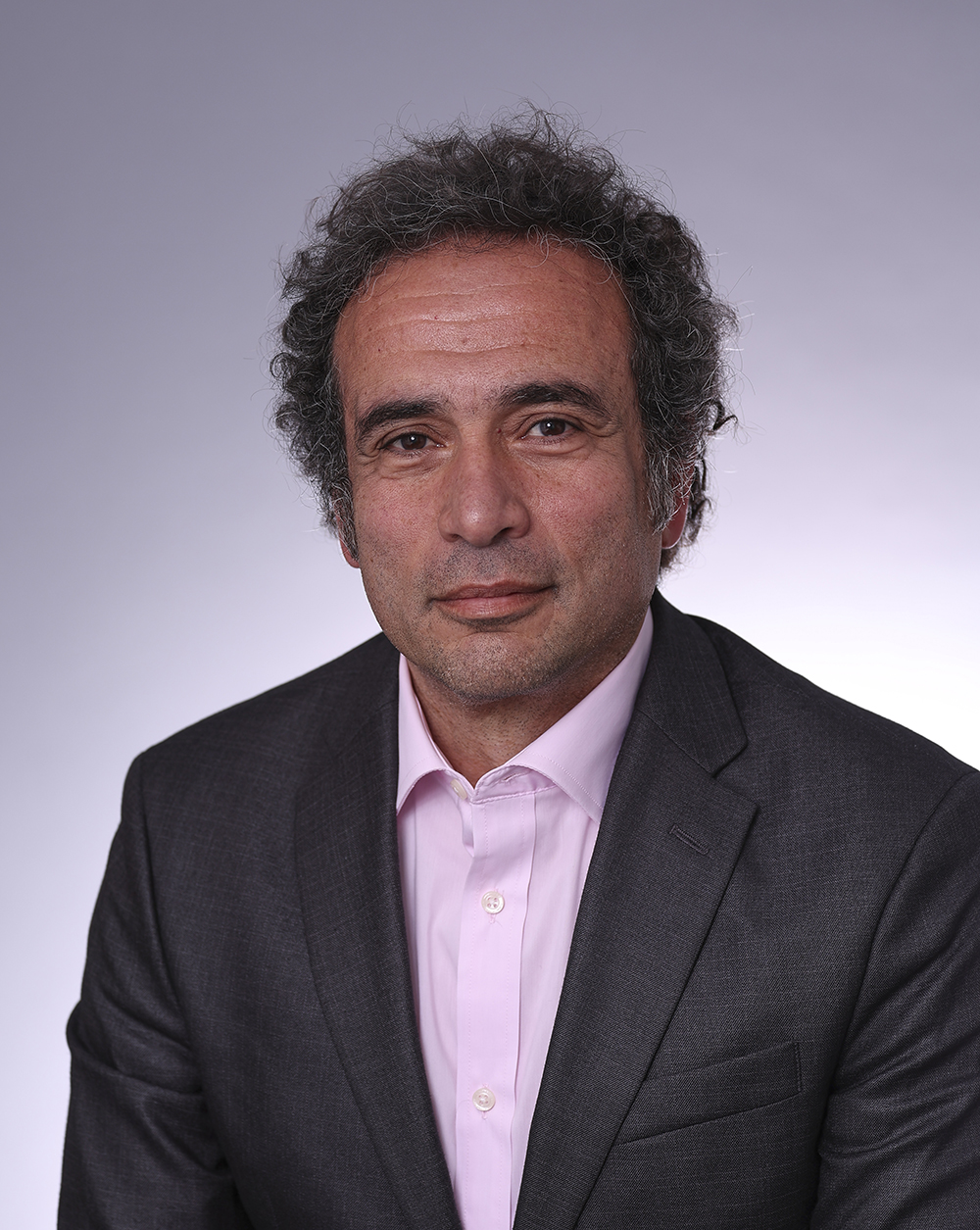
Amr Hamzawy is a senior fellow and the director of the Carnegie Middle East Program. His research and writings focus on Egypt’s and other middle powers’ involvement in regional security in the Middle East, particularly through collective diplomacy and multilateral conflict resolution
Recent Work


Nathan J. Brown, Alper Coşkun, Amr Hamzawy, …
Alper Coşkun, Amr Hamzawy
Carnegie does not take institutional positions on public policy issues; the views represented herein are those of the author(s) and do not necessarily reflect the views of Carnegie, its staff, or its trustees.

The global hydrocarbon order is changing. Economic diversification and developing productive economies have become essential for Middle Eastern and North African states, requiring them to address social and political challenges and rethink domestic, regional, and global settlements.
Nur Arafeh, Ishac Diwan, Hamza Meddeb, …
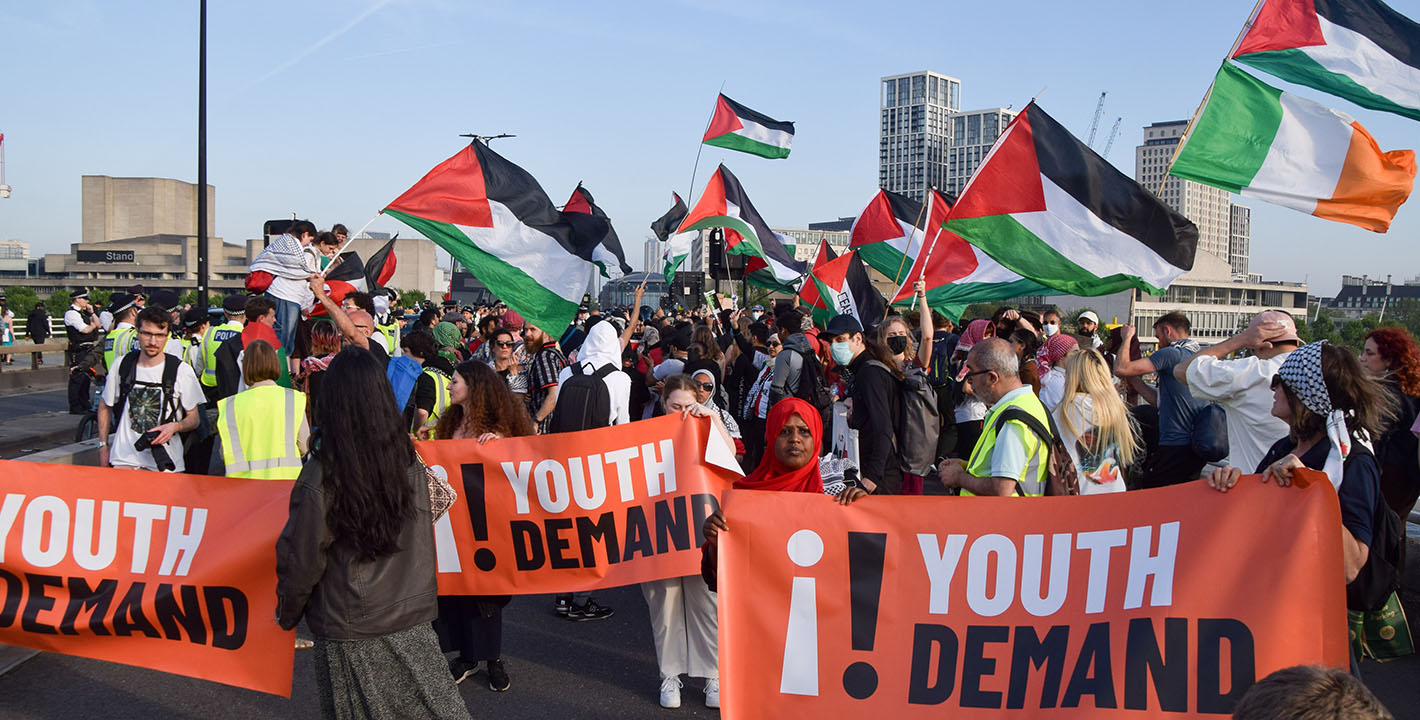
In an interview, Mayssoun Sukarieh discusses youths in the region, and how they are being defined and reshaped.
Yasmine Zarhloule
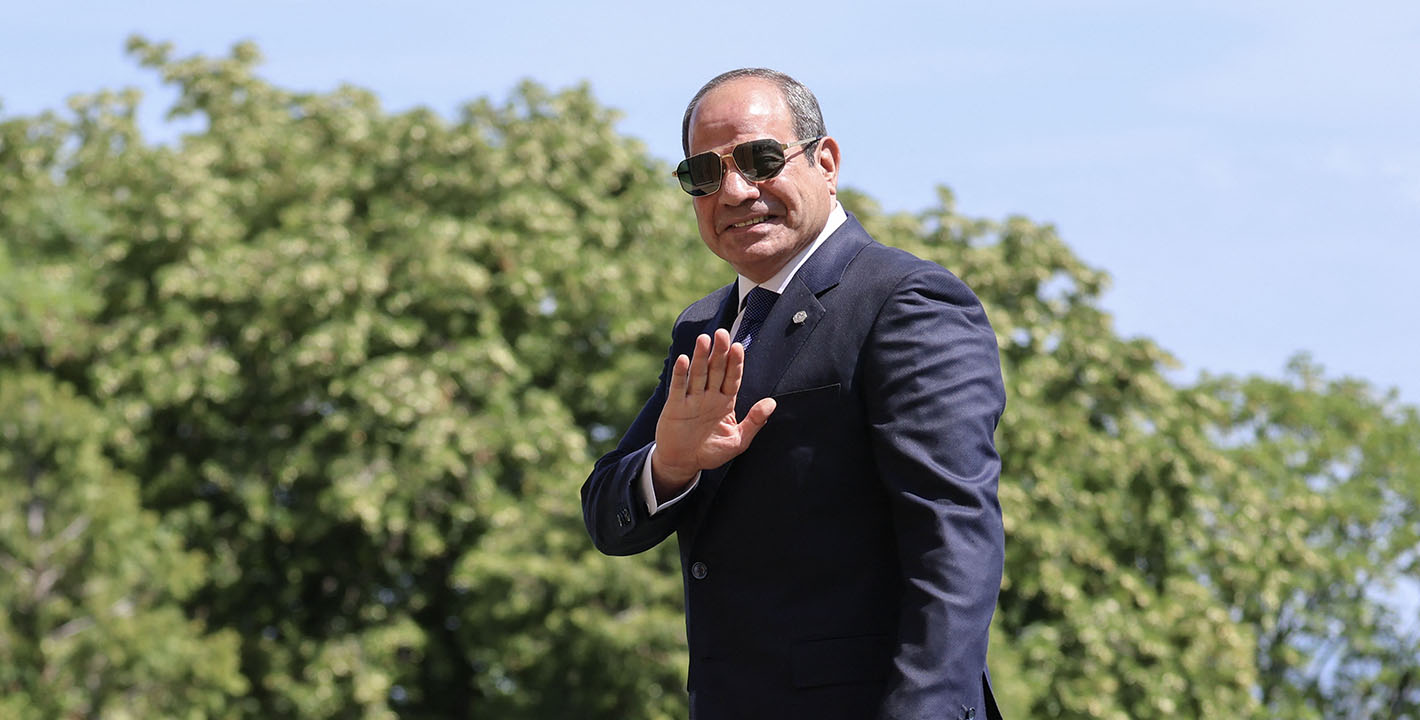
Spot analysis from Carnegie scholars on events relating to the Middle East and North Africa.
Yezid Sayigh
As the U.S.-led Coalition withdraws, the Kurds’ reliance on Baghdad, and on themselves, will only increase.
Wladimir van Wilgenburg
In an interview, Ian Lustick and Eli Clifton discuss their new book on why a prominent ally has so much influence in America.
Michael Young