

Commentary
Despite public disputes over trade and immigration, the strategic partnership’s foundations remain sturdy.
Sameer Lalwani
{
  "authors": [
    "Alper Coşkun",
    "Amr Hamzawy"
  ],
  "type": "questionAnswer",
  "blog": "Emissary",
  "centerAffiliationAll": "dc",
  "centers": [
    "Carnegie Endowment for International Peace"
  ],
  "englishNewsletterAll": "ctw",
  "nonEnglishNewsletterAll": "",
  "programAffiliation": "EP",
  "programs": [
    "Europe",
    "Middle East"
  ],
  "regions": [
    "Middle East",
    "Pakistan",
    "Saudi Arabia",
    "Türkiye"
  ],
  "topics": [
    "Defense",
    "Security",
    "Foreign Policy"
  ]
}
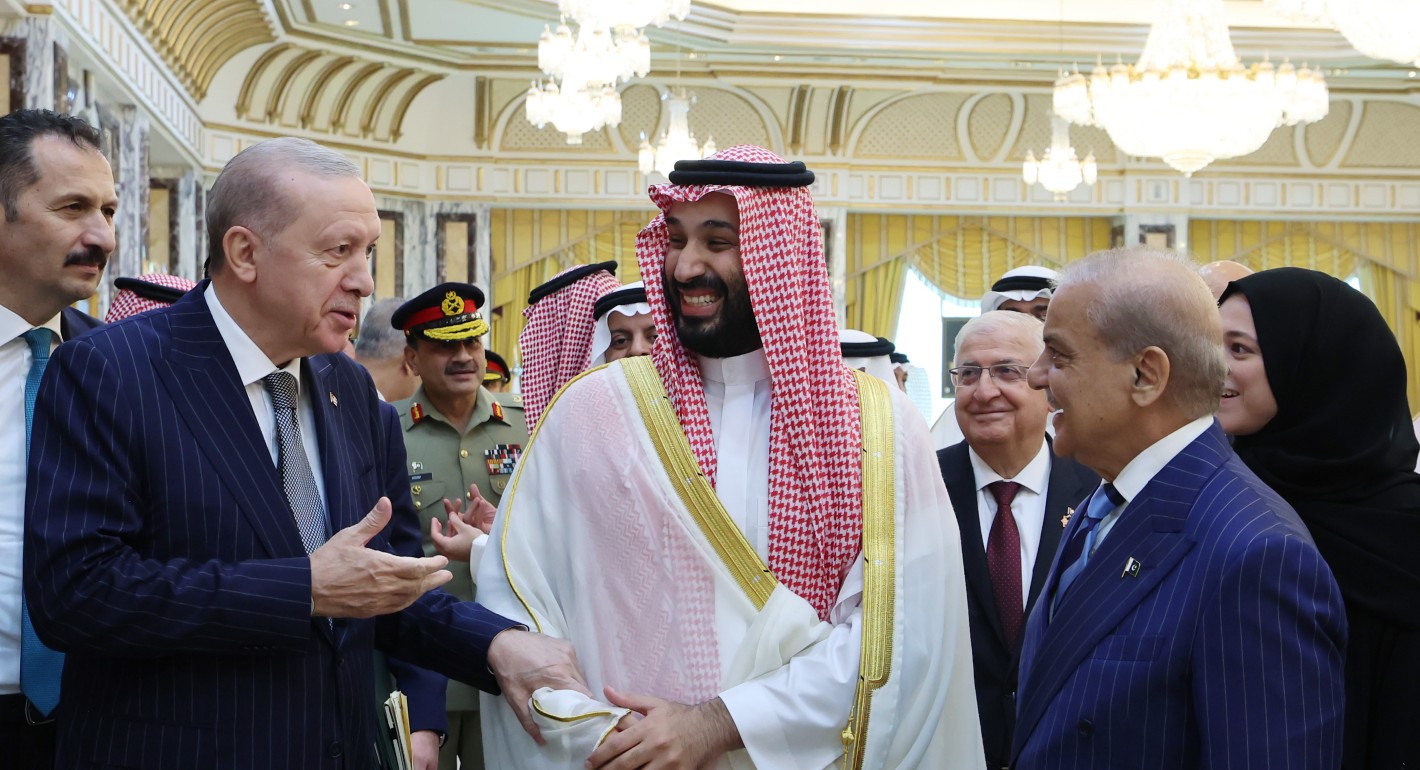
Erdogan, MBS, and Sharif speak after signing the Mecca Pact in Saudi Arabia, on August 7, 2026. (Photo by Turkish Presidency/Murat Cetinmuhurdar/Anadolu via Getty Images)
Why Pakistan, Saudi Arabia, and Turkey are joining forces on regional security.
What is the Mecca Pact, and why is it in the news?
Alper Coşkun: The Mecca Pact is an attempt by Pakistan, Saudi Arabia, and Turkey to bolster their deterrence against shared and sometimes distinct security threats while claiming greater agency in shaping the future of their wider neighborhood. The idea has been in the works for some time, largely in response to rising conflict and sharpening rivalries in the Middle East and beyond, amid eroding American reliability and influence.
Ankara’s long-held belief has been that regional challenges require less external meddling and more homegrown solutions—taking matters into one’s own hands. The pact is a means to that end, and it is significant in both form and substance. The full details of the agreement are yet to be publicized, but its unique constellation—uniting these three ambitious countries in this manner for the first time—and its commitment to mutual defense make it especially noteworthy. The symbolism of the signing in Mecca is also hard to ignore, bringing together a Muslim-majority NATO ally (Turkey), the custodian of the Islamic world’s two holiest sites (Saudi Arabia), and the only nuclear-capable Muslim nation (Pakistan).
The renewed Houthi attacks on Saudi Arabia have given the fledgling alliance an early credibility test. Reports suggest Turkey is offering Saudi Arabia tangible support while refraining from offensive operations, with contributions that include nonescalatory capabilities such as air defense systems and similar defensive elements. The balance Ankara is trying to strike between upholding its commitments to Saudi Arabia and its understandable reluctance to be dragged into war is an early sign of the difficult decisions pact members face.
Amr Hamzawy: Saudi Arabia has a long-standing national security challenge: Its vast territory is surrounded by geostrategic burning points in the Levant, the Gulf, Yemen, and the Red Sea. Despite its great oil wealth, Saudi Arabia has been historically unable to amass enough military power to fend off neighborhood aggression and provide for domestic stability. The United States filled that security deficit with bilateral guarantees, arms supplies, and ultimately boots on the ground since 1990.
However, American guarantees have been rendered insufficient for Saudi security purposes in recent years. The uptick in regional wars involving state and nonstate actors coupled with the ongoing policy discussion in Washington on the need to retreat from the Middle East have made Saudi Arabia more vulnerable. The United States launched its war against Iran without consulting its Gulf allies, above all Saudi Arabia. Direct Iranian attacks on the eastern Saudi provinces, proxy Iranian attacks on different Saudi locations (conducted mostly by the Yemeni Houthis and to a lesser extent by pro-Iran Shia militias in Iraq), and the Trump administration’s refusal to interfere have led the Saudi leadership to enlist military and security help from other partners.
The pact represents the first attempt of middle powers in the Middle East and the Muslim world to forge multilateral defense measures independent of the United States and other great power involvement. Currently Saudi Arabia, Turkey, and Pakistan are working out the modalities for their military and security cooperation and deliberating questions pertaining to the chain of command, deployment of troops, and nature of weapons involved.
What was the relationship between these three countries before the Mecca Pact?
Alper Coşkun: The friendship between Turkey and Pakistan runs deep. They are close partners that have traditionally supported each other’s national causes. Over the years, their military and defense-industrial cooperation has deepened through Turkish arms sales, joint production, and technology sharing.
Turkey’s relationship with Saudi Arabia is more complicated, marked by a difficult history and sharp differences during and after the Arab Spring that pitted the two against each other. Since 2022, however, Ankara and Riyadh have been mending fences and rekindling their political relations, enabling them to nurture deeper economic and defense-industrial ties. The Mecca Pact reflects a totally new era in their relations.
These bilateral tracks, alongside Pakistan and Saudi Arabia’s history of collaboration, provide building blocks for the pact. The more immediate driver, however, is a shared sense of insecurity. Pakistan, Saudi Arabia, and Turkey do not have a contiguous geography and face distinct challenges in their respective regions. But they do have overlapping concerns about regional instability, cross-border threats, and the destabilizing effects of state and nonstate actors. Israel’s aggressive posturing is among their shared concerns.
The pact is an attempt to offset these challenges collectively by leveraging Turkey’s NATO experience and growing defense industry, Pakistan’s military prowess, and Saudi Arabia’s financial depth, enabling these three actors to shape the region’s trajectory around a shared vision.
Amr Hamzawy: Saudi Arabia’s relationship with Turkey has gone through several ups and downs in recent years. The pro-Islamist stance of Turkey following the Arab uprisings of 2011 stood in stark contrast to the Saudi position that was fearful of the rise of Islamists in different Arab countries. The two countries were also at opposite ends of the spectrum during the 2017–2021 Qatar embargo, when Saudi Arabia, the United Arab Emirates, Egypt, and Bahrain joined together to isolate Qatar. Ankara, on the other hand, offered Doha a direly needed mobility and trade lifeline in the Middle East. For the bilateral Saudi-Turkish relations, those contradictory positions resulted in a significant decrease in trade ties and diplomatic coordination.
However, toward the end of the past decade, the Turkish government worked to rebalance its role in the Middle East, prioritizing “zero problems” with Arab middle powers. Turkish rebalancing efforts created momentum for Saudi-Turkish rapprochement. When the Qatar embargo was lifted, that rapprochement became even more relevant, unleashing greater collaboration and alignment between the two countries on the Palestinian question, Syria, and beyond. And as a result, the Mecca Pact can be seen as a logical evolutionary step for the re-energized Saudi-Turkish bilateral relations.
Saudi Arabia has always had a special relationship with Pakistan. Saudi Arabia recognized Pakistan shortly after its independence in 1947. The two countries played a leading role in establishing the Organization of Islamic Cooperation in 1969. Throughout the past few decades, bilateral trade, military, energy, and diplomatic relations have evolved to manifest various traits of an alliance that has come to be a pillar of each country’s foreign policy. Now, the Pakistani government has stepped up its rhetoric on its commitment to stand by Saudi Arabia in the face of neighborhood threats and the readiness to contribute to its defense and deterrence.
How have others in the region responded?
Alper Coşkun: Ankara would ideally like to see the pact evolve into a robust regional security framework with a large roster of like-minded member states. The wider the circle, the greater the chances of sustained peace and stability, and the stronger the deterrence—that is the calculation.
Turkish officials have been stressing the pact’s defensive nature, that it is not directed against any third party, and that once the necessary foundations are in place, it would be open to new members sharing its founding principles.
The degree to which these carefully articulated assurances resonate is presumably mixed. Countries such as the United Arab Emirates, Israel, and India, which all have varying degrees of disagreement with the pact’s members, may see a less benign picture unfolding. Moreover, the prospect of Turkey’s rising regional influence, reinforced through a pact of this nature, is likely to generate some concern, particularly in Iran.
So while Ankara looks at the pact as an opportunity to enhance security and stability through a mostly inclusive framework spanning the Middle East and extending into Asia, prevailing strategic rivalries and conflicts could turn it into a source of deepening polarization.
Amr Hamzawy: Since the signing of the Mecca Pact, policy debates in the Middle East about whether other regional middle powers would join have not stopped. Egypt has been at the center of the Mecca Pact enlargement discussion. Military assets, access to the Red Sea, and good bilateral relations with the pact’s signatories have made Egypt an attractive candidate.
However, joining a military pact in the Middle East has never been a preferred foreign policy measure for Egypt. Indeed, a doctrine of the Egyptian state since the 1950s has been to work against multi-country military alliances. Back then, the newly established Egyptian republic under the leadership of Gamal Abdel Nasser stood against the Baghdad Pact that was led regionally by Turkey and Iraq and backed internationally by the United States and the United Kingdom. Egypt has remained committed to the Joint Defense and Economic Cooperation Treaty of the member countries of the Arab League and invoked it in the few times Egyptian troops operated for defense purposes in Arab territories, such as in the Kuwait Liberation War in 1990–1991.
Egypt, therefore, has signaled its readiness to militarily assist the Saudis but shied away from committing to join the Mecca Pact. Although Egypt sees Saudi stability as a key pillar of security in the wider Middle East and works with Saudi Arabia and other countries to ensure security in the Red Sea and to rein in the Iran-backed Houthis, Egypt is reluctant to join a defense pact that might result in military involvement in Yemen. Egypt’s own Yemen trauma in the 1960s is yet to be forgotten.
Is this another example of shifts and groupings among middle powers (like BRICS)? Or is it something else?
Alper Coşkun: The Mecca Pact is a classic case of the whole being greater than the sum of its parts. It exemplifies middle powers with converging interests coming together to advance shared objectives and exercise greater agency. In this case, security concerns and the desire to shape the region’s trajectory have brought Pakistan, Saudi Arabia, and Turkey together. The idea’s success, however, will depend on their ability to translate this shared outlook into actionable policies.
What distinguishes the Mecca Pact is the level of commitment it entails—its mutual defense clause. This makes it more consequential, with different obligations and risks compared to political or economic groupings. Importantly, the pact does not reject established alliances, a point Turkish officials have underlined from day one. This remains important for all pact members, given their distinct international partnerships.
Amr Hamzawy: Middle Eastern countries have adapted to the emerging global multipolarity in many ways. Egypt, the UAE, and Iran joined BRICS in 2024 (Saudi Arabia has yet to confirm its membership). Several countries in the region have signed partnership agreements with China, which has become the top trading partner for most of the region. Regional demand for Chinese diplomatic mediation has been on the rise as well, as has been the appetite for Chinese weapon systems and technology. This does not mean that the region is moving away from its military, trade, technology, and diplomatic partnership with the United States. Rather, it stands for a growing Middle Eastern realization that the U.S. grand offering is no longer unparalleled and that it does not meet all key demands of the region. The result is Middle Eastern hedging between the competing powers.
What does this say about these countries’ traditional alliances and their relationship with the United States?
Alper Coşkun: News of the Mecca pact came just one month after Turkey hosted the NATO Summit in Ankara in early July. The contrast was striking, given the recent image of Turkey’s renewed commitment to NATO and Euro-Atlantic security that emerged from the Ankara Summit, which was nothing short of Turkey’s “I am back” moment in the Western security architecture. Yet, within thirty days, Turkey was entering into a new collective defense pact with two new allies outside the transatlantic space.
It would be a mistake to simply interpret these as contradictory or question Ankara’s orientation. As far as Ankara is concerned, the two are complementary, not contradictory. In today’s increasingly fragmented global landscape, Turkey is widening its security perimeter and broadening its engagements, while maintaining NATO as the cornerstone of its security and defense.
Washington, or at least Trump, seems to get it. His enthusiastic endorsement of the Mecca Pact, including an emphatic “Wow” on social media, suggests Turkey’s new partnership with Pakistan and Saudi Arabia is well received.
Amr Hamzawy: The Mecca Pact is at the center of a different regional trend: middle power partnerships. Facing increased security challenges, insufficient U.S. security guarantees, and global multipolarity, regional powers are seeking new ways to collaborate with each other in matters of security, defense, and diplomacy.
There are two big visions that are currently being debated in the Mecca Pact countries as well as in Egypt, Qatar, and Jordan. The first aims at supplementing existing security relations with the United States with enrollment in regional defense pacts that can deter state actors—Israel and Iran—and nonstate actors invested in military adventurism. The second vision attempts to offer a policy response to Middle Eastern security threats and the military adventurism permeating the regional environment by means of establishing collective security arrangements in an OSCE-like framework. The first vision stands behind the creation of the Mecca Pact. The second is currently being championed by Egypt and Qatar.
Understand the world with the latest from our scholars around the world.

Senior Fellow, Europe Program
Alper Coşkun is a senior fellow in the Europe Program and leads the Türkiye and the World Project at the Carnegie Endowment for International Peace in Washington, DC.
Director, Middle East Program
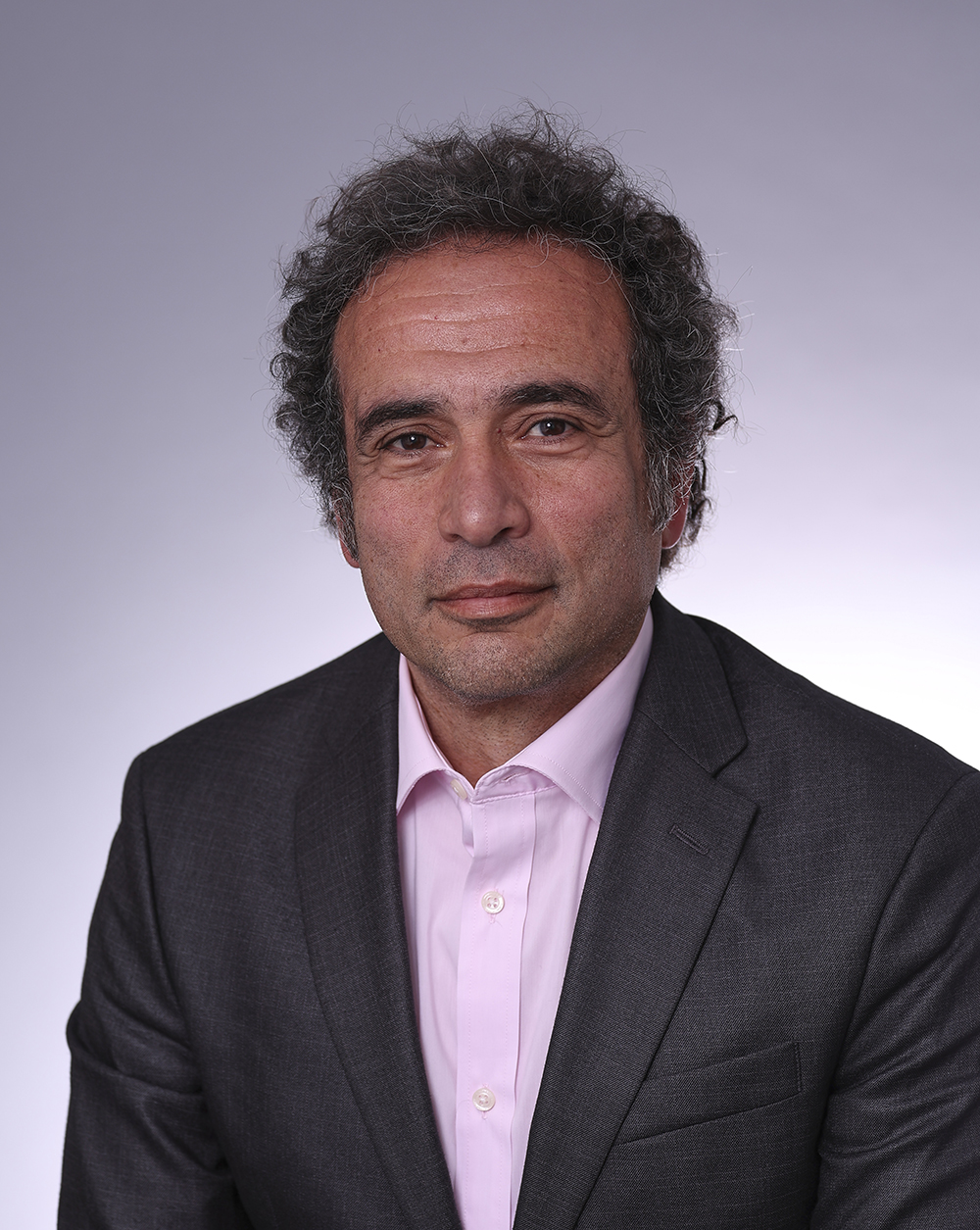
Amr Hamzawy is a senior fellow and the director of the Carnegie Middle East Program. His research and writings focus on Egypt’s and other middle powers’ involvement in regional security in the Middle East, particularly through collective diplomacy and multilateral conflict resolution
Carnegie does not take institutional positions on public policy issues; the views represented herein are those of the author(s) and do not necessarily reflect the views of Carnegie, its staff, or its trustees.
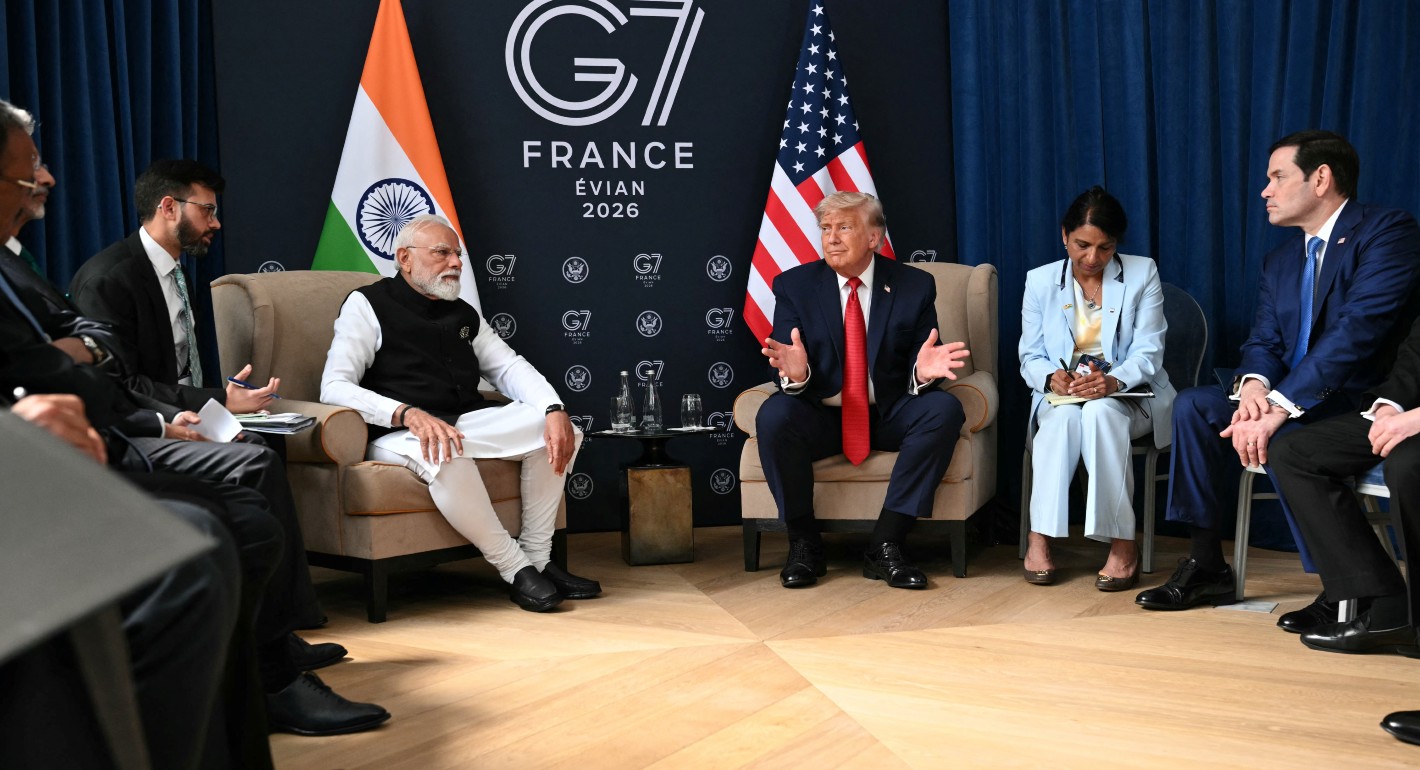
Despite public disputes over trade and immigration, the strategic partnership’s foundations remain sturdy.

Sameer Lalwani
It signals a new era of tech diffusion and warfare.

Steve Feldstein
The Horn of Africa countries are among those facing a new security calculus.


Andrew Leber, Lesley Anne Warner
They face an uphill climb, but they could draw on a strategy that other diplomats have used in the past.


Shana Tabak, Alejandro Martin Rodriguez

The books, podcasts, and films that explain the world it made.
Andrew Leber