

Commentary
A prerequisite of serious talks is that the country’s leadership consolidates majority national support for such a process.
Michael Young
{
  "authors": [],
  "type": "pressRelease",
  "centerAffiliationAll": "dc",
  "centers": [
    "Carnegie Endowment for International Peace"
  ],
  "collections": [],
  "englishNewsletterAll": "asia",
  "nonEnglishNewsletterAll": "",
  "primaryCenter": "Carnegie Endowment for International Peace",
  "programAffiliation": "AP",
  "programs": [
    "Asia"
  ],
  "projects": [],
  "regions": [
    "North America",
    "United States",
    "China"
  ],
  "topics": [
    "Political Reform",
    "Economy",
    "Trade",
    "Military",
    "Foreign Policy"
  ]
}
REQUIRED IMAGE
FOR IMMEDIATE RELEASE: January 23, 2007
Sensitivities and suspicions between Washington and Beijing have heightened as China’s global power and influence have grown. Arguably, this new international order could increase the chances of a political-military crisis—or perhaps outright conflict—between the two powers. Recent events, notably the testing of Chinese anti-satellite technologies, continue to raise the question about the potential for future conflicts and what steps, if any, can be taken to diffuse or avoid a serious crisis.
Managing Sino-American Crisis is a compelling new book that provides policymakers and leaders with valuable information about the potential for future conflict and recommendations to help decrease the number and severity of these events.
The product of a unique U.S.-China collaborative effort, Managing Sino-American Crises features case studies and analysis written by Chinese and American participants in past confrontations, as well as scholars from both countries, to explore the changing features of crisis behavior and their implications for defusing future encounters.
“This is an important and timely book that sheds new light on what will be the most important strategic relations of the 21st century...The rich historical details, combined with the unique perspectives of both practitioners and scholars, make this volume invaluable for both policymakers and students of US-Chinese relations.”
—James B. Steinberg, former deputy national security advisor to President Clinton
Notes:
1. Dr. Michael Swaine, co-editor, is a senior associate in the China Program at Carnegie, specializing in Chinese security and U.S.-China relations. He has written numerous articles on the region, most recently, “Military Modernization in Taiwan,” in Strategic Asia 2005-2006: Military Modernization in an Era of Uncertainty (National Bureau of Asian Research, 2005).
2. Zhang Tuosheng, co-editor, is senior fellow and director of the department of Research and Foreign Policy Studies at the China Foundation of International and Strategic Studies, Beijing.
3. Visit http://www.carnegieendowment.org/publications for ordering information.
December 2006, 536 pp.
Paper: 0-87003-228-3, $24.95
Cloth: 0-87003-229-1, $62.95
4. Press Contact: Trent Perrotto, 202/939-2265, tperrotto@ceip.org
###
Carnegie does not take institutional positions on public policy issues; the views represented herein are those of the author(s) and do not necessarily reflect the views of Carnegie, its staff, or its trustees.
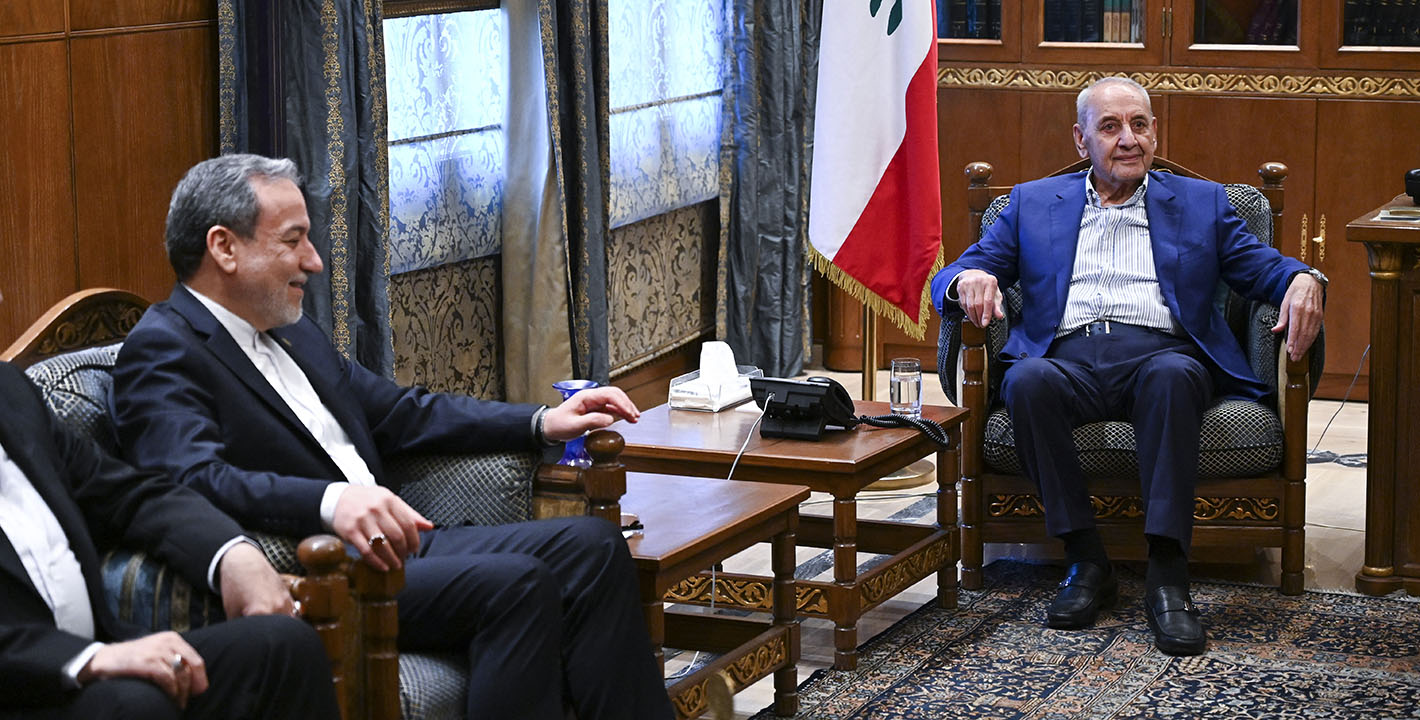
A prerequisite of serious talks is that the country’s leadership consolidates majority national support for such a process.

Michael Young
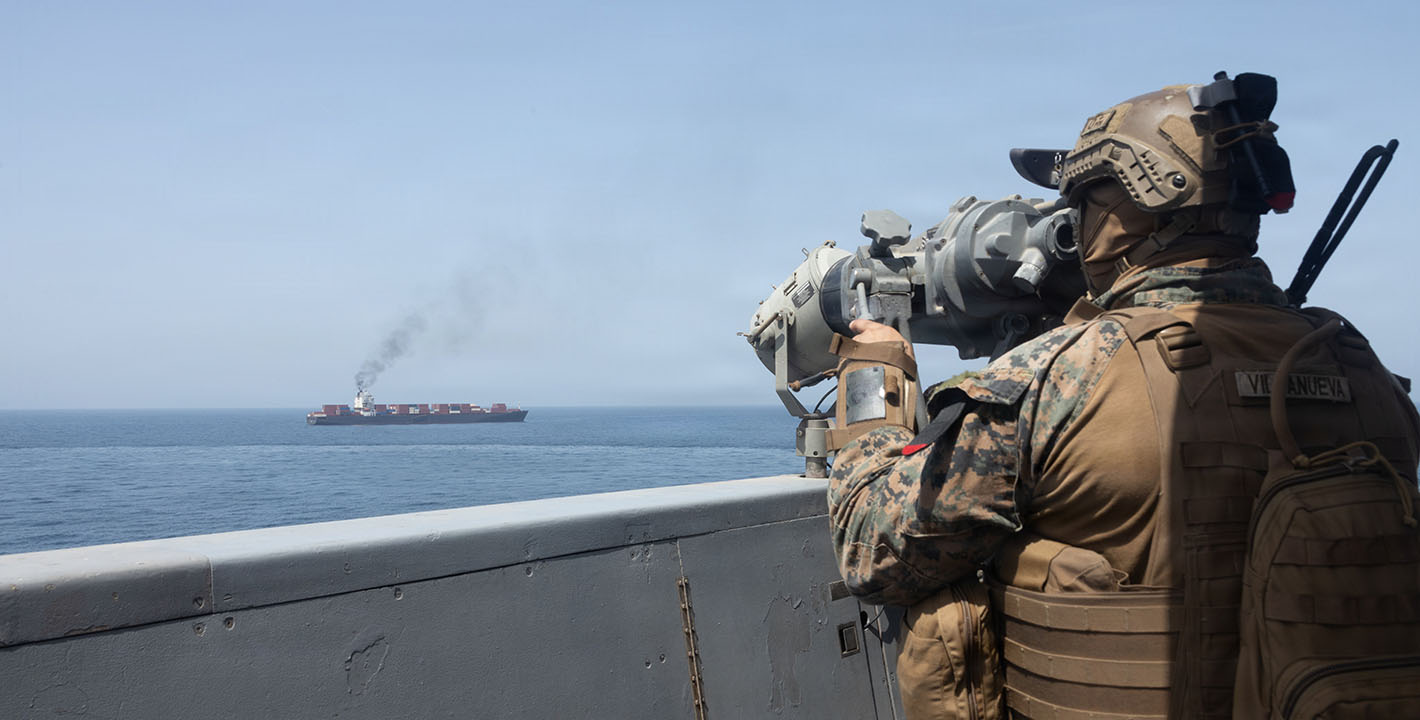
In an interview, Jim Lamson discusses the ongoing regional conflict and sees an unclear picture when it comes to winners and losers.
Michael Young

Unless Beirut lowers expectations, any setbacks will end up bolstering Hezbollah’s narrative.

Mohanad Hage Ali
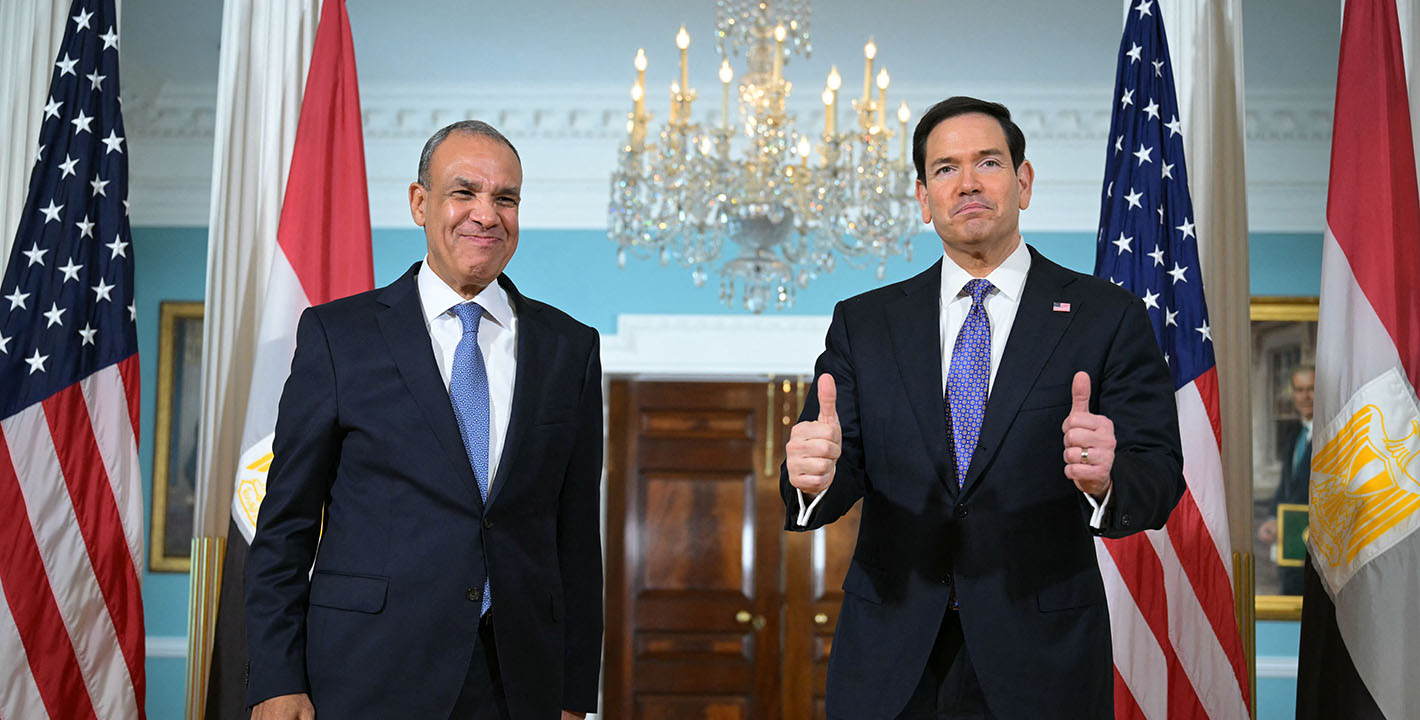
Cairo’s efforts send a message to the United States and the region that it still has a place at the diplomatic table.

Angie Omar
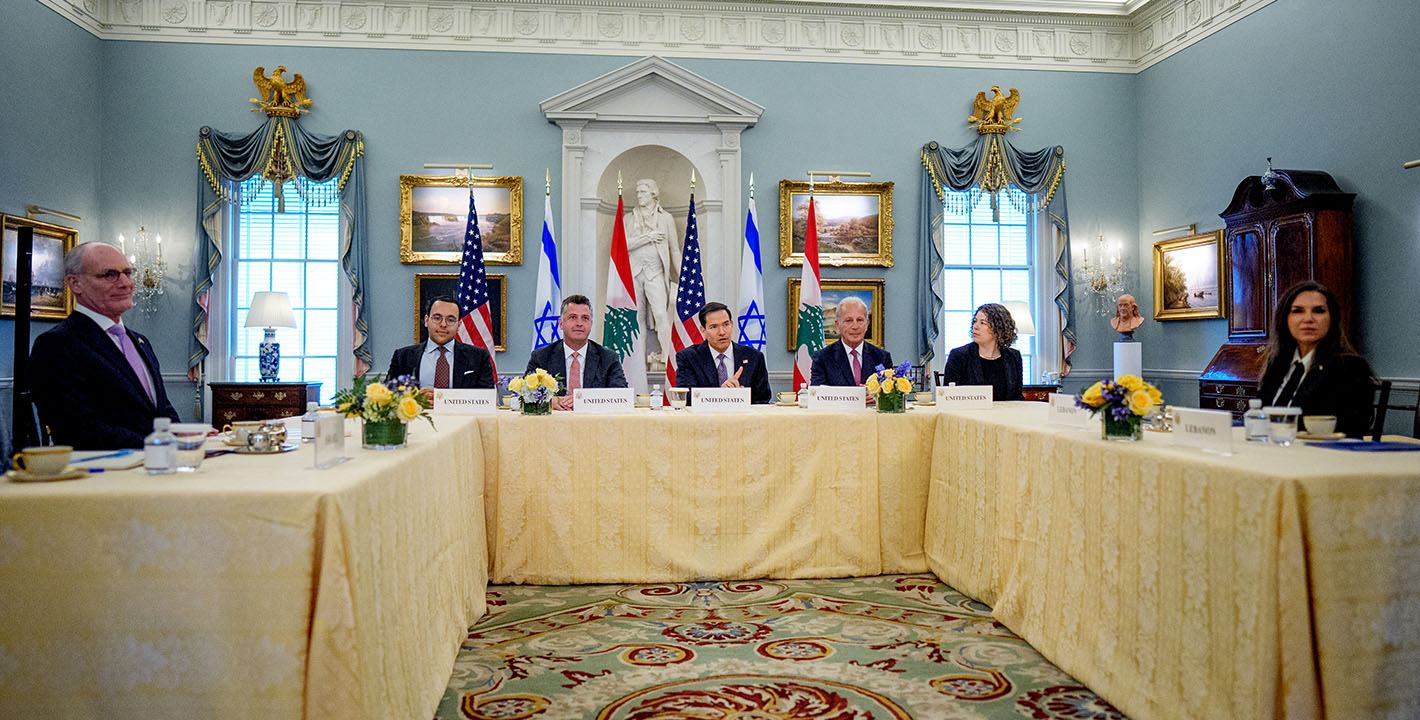
Beirut’s desire to break free from Iranian hegemony may push it into a situation where it has to accept Israel’s hegemony.
Michael Young