• Research
  • Diwan
  • About
  • Experts
Carnegie Middle East logoCarnegie lettermark logo
LebanonIran
{
  "authors": [],
  "type": "pressRelease",
  "centerAffiliationAll": "dc",
  "centers": [
    "Carnegie Endowment for International Peace"
  ],
  "collections": [],
  "englishNewsletterAll": "ctw",
  "nonEnglishNewsletterAll": "",
  "primaryCenter": "Carnegie Endowment for International Peace",
  "programAffiliation": "russia",
  "programs": [
    "Russia and Eurasia"
  ],
  "projects": [],
  "regions": [
    "Caucasus",
    "Russia"
  ],
  "topics": []
}
REQUIRED IMAGE

REQUIRED IMAGE

Press Release

Press Release: Former Russian Minister for Nationalities Valery Tishkov Joins Carnegie Endowment

Link Copied
Published on Sep 18, 2007

— NEWS RELEASE —

WASHINGTON, Sept 18—Valery Tishkov, former Russian Minister for Nationalities and current director of the Institute of Ethnology and Anthropology at the Russian Academy of Sciences, has joined the Carnegie Endowment for International Peace as a visiting scholar with the Carnegie Russia and Eurasia Program, the Endowment announced today.

Welcoming the announcement, Ambassador James F. Collins, director of the Russia and Eurasia Program, said, “We are delighted to be expanding the collaboration between Valery Tishkov and the Carnegie Endowment that began at our Moscow Center and continues here in Washington, D.C.  Dr. Tishkov, a distinguished expert on nationalism and ethnic identity in Russia, has made major contributions to understanding questions of political culture and ethnicity in Russia.  His work with Carnegie will provide unique and valuable insights for the policy and scholarly communities in Washington and internationally.”

Tishkov, an expert on Russia ethnic and civic identity, previously served on the advisory board for the United Nations High Commissioner for Refugees, was a member of the Russian State Committee on Migration Policy, and chairman of the State Committee for Nationality Affairs in the Russian government.

###

Notes:
  • Valery Tishkov has served as director of the Institute of Ethnology and Anthropology, Russian Academy of Sciences, since 1989. He is also director of the IEA Center for the Study and Management of Conflicts, and serves as chairman of the Commission on Tolerance and Freedom of Conscience of the Public Chamber of the Russian Federation.  He is a prolific writer, having published more than twenty books, including two encyclopedias on Russian ethnicity.  He is a member of the Public Chamber of Russia and the Global Commission on International Migration.

  • The Carnegie Russia and Eurasia Program has been a leader in its field since the end of the Cold War. The senior research team comprises an unparalleled group of experts in the U.S. and Russia on Eurasian security and development, economic and social issues, governance and the rule of law, as well as security issues such as strategic nuclear weapons and nuclear nonproliferation. The Program has adapted to changing policy priorities during the region’s dramatic evolution in the past fourteen years — from the collapse of the Soviet Union, through the early phase of post-Communist transitions, into the post-9/11 era, and the current period under President Putin.

  • The Carnegie Moscow Center was established in 1993 and accommodates foreign and Russian researchers collaborating with Carnegie’s global network of scholars on a variety of topical areas and policy-relevant projects. Carnegie Moscow Center Associates work independently on their own research in areas covering a broad range of contemporary policy issues—military, political, and economic.

  • Carnegie's www.centralasianvoices.org is a multilingual website featuring timely analysis of regional issues, and a forum enabling the exchange of ideas among policy makers, analysts, journalists, bloggers, and informed readers across the globe
CaucasusRussia

Carnegie does not take institutional positions on public policy issues; the views represented herein are those of the author(s) and do not necessarily reflect the views of Carnegie, its staff, or its trustees.

More Work from Malcolm H. Kerr Carnegie Middle East Center

  • Commentary
    Diwan
    Iran’s Woes Aren’t Only Domestic

    The country’s leadership is increasingly uneasy about multiple challenges from the Levant to the South Caucasus.

      Armenak Tokmajyan
  • Commentary
    Diwan
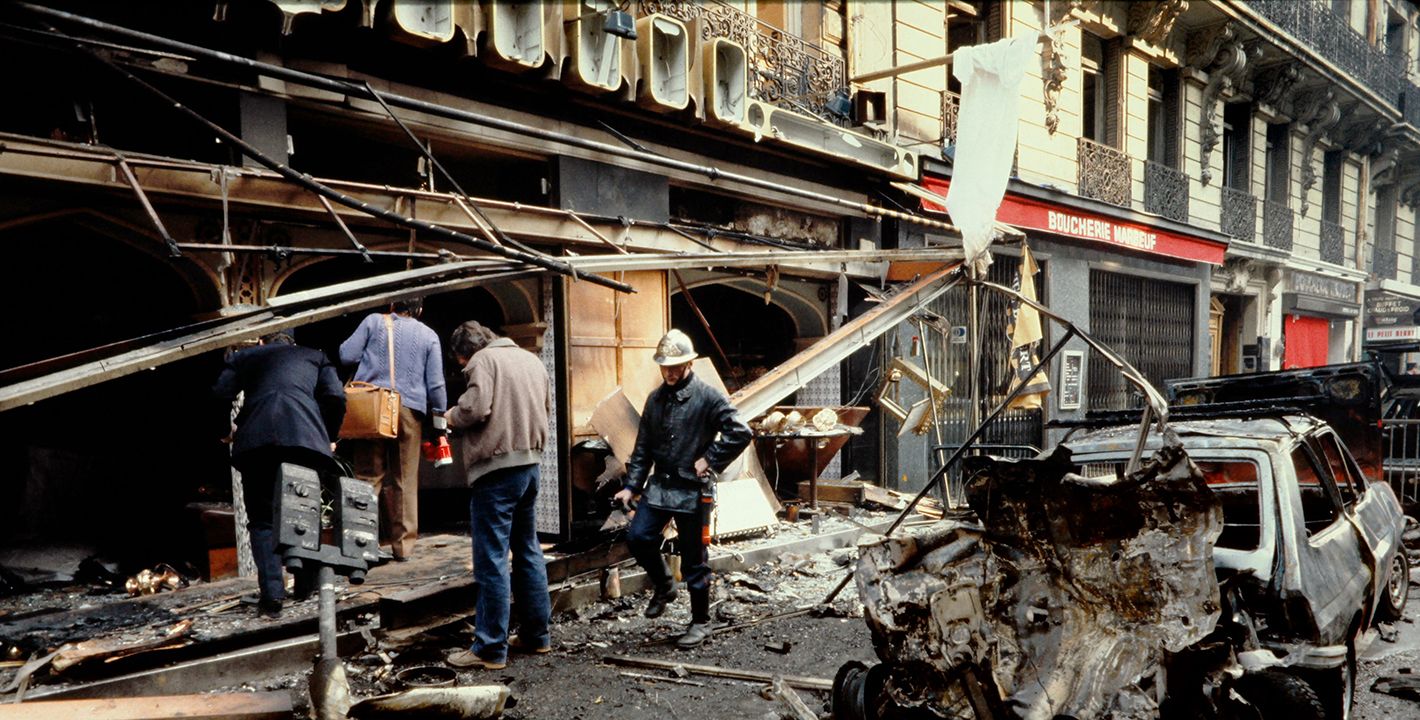
    From Prague With a Shove

    In an interview, Daniela Richterova speaks about her book on Czechoslovakia’s Cold War ties to Palestinian groups and others.

      Michael Young
  • Commentary
    Diwan
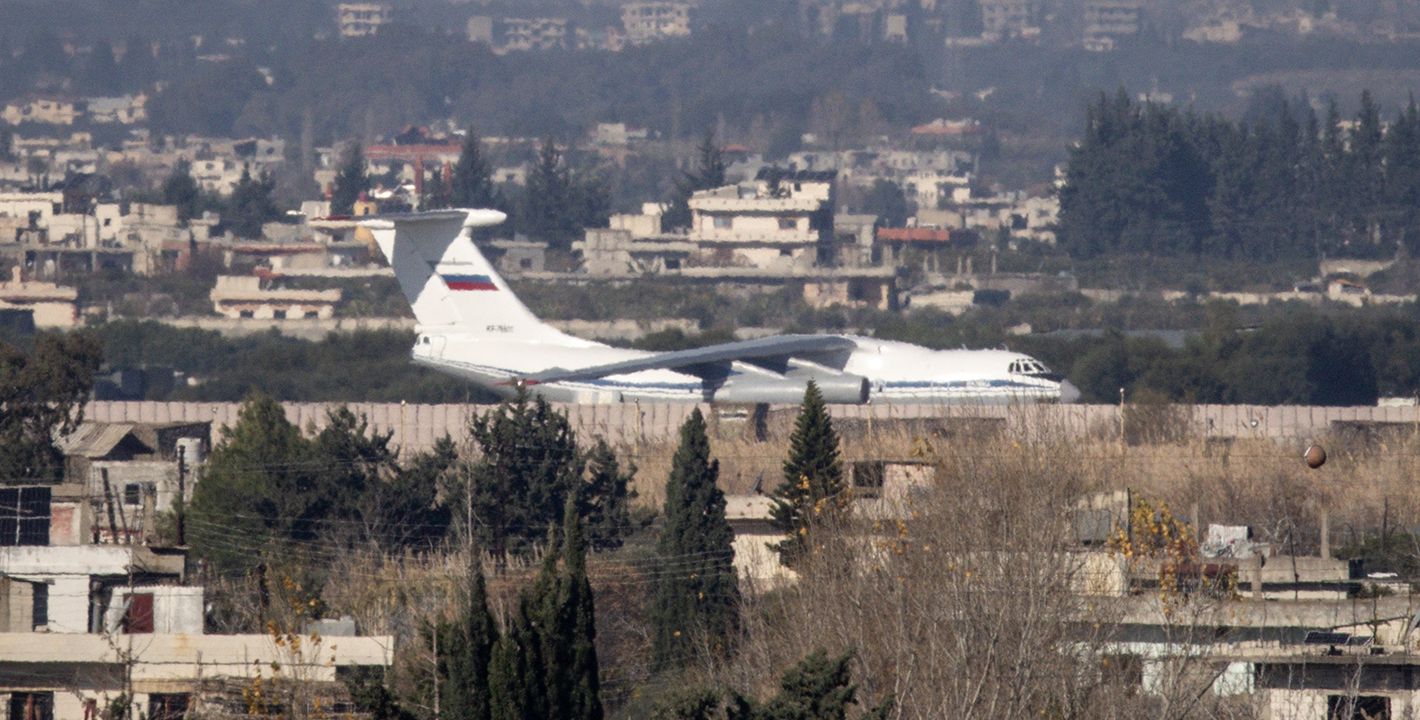
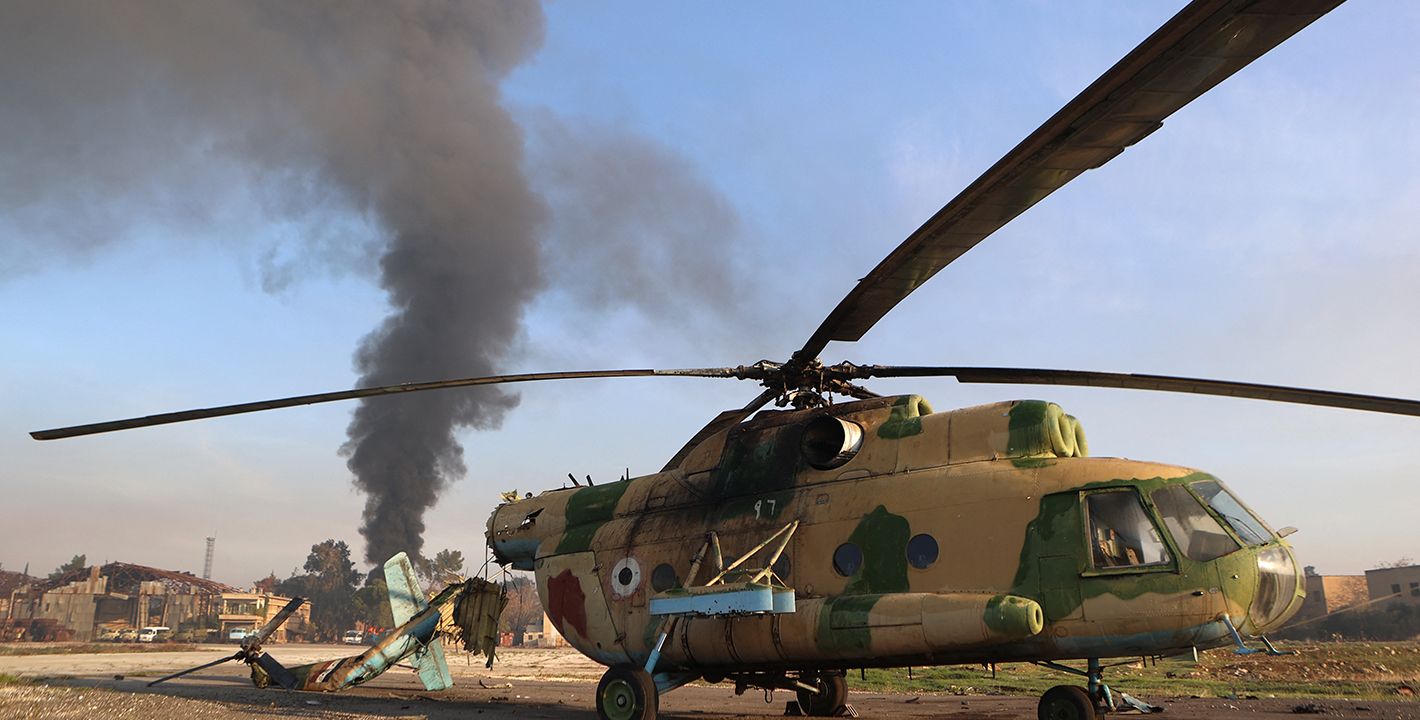
    The Syria Fiasco As Seen From Moscow

    The downfall of the Assad regime represented a setback, but Russia’s primary focus remains Ukraine.
      Sergei Melkonian
  • Commentary
    Diwan
    Anatomy of a Military Fall

    Why did Bashar al-Assad’s armed forces fail to act, unlike those in Egypt, Libya, Algeria, and Sudan?

      Yezid Sayigh

  • Commentary
    Diwan
    Bashar al-Assad of Syria Has Been Ousted From Power

    Spot analysis from Carnegie scholars on events relating to the Middle East and North Africa.


      Armenak Tokmajyan

Get more news and analysis from
Malcolm H. Kerr Carnegie Middle East Center
Carnegie Middle East logo, white
  • Research
  • Diwan
  • About
  • Experts
  • Projects
  • Events
  • Contact
  • Careers
  • Privacy
  • For Media
Get more news and analysis from
Malcolm H. Kerr Carnegie Middle East Center
© 2026 Carnegie Endowment for International Peace. All rights reserved.