

In The Media
Josh Kurlantzick
{
  "authors": [
    "Josh Kurlantzick"
  ],
  "type": "legacyinthemedia",
  "centerAffiliationAll": "dc",
  "centers": [
    "Carnegie Endowment for International Peace"
  ],
  "collections": [],
  "englishNewsletterAll": "asia",
  "nonEnglishNewsletterAll": "",
  "primaryCenter": "Carnegie Endowment for International Peace",
  "programAffiliation": "AP",
  "programs": [
    "Asia"
  ],
  "projects": [],
  "regions": [
    "China"
  ],
  "topics": []
}
Source: Getty
In recent issues of The National Interest, there have been a series of articles that take China’s rise to both regional and global pre-eminence as a given. But it is worth stepping back to take a sober look at some of the very real challenges China faces—and in particular, how China’s neighbors assess these developments. Sometimes the view from Washington and New York can be a bit overly optimistic.
Source: National Interest Online

Of course, over the past six months, that confidence about China’s continued progress was shaken as governments across the world witnessed an explosion of terrifying stories about Chinese exports. News reports detailed toothpaste tainted with poisons, fake baby formula and pet food packed with illegal substances. Though China vowed better safety standards—and executed the head of its own food and drug administration—it also stonewalled in many cases, blaming complaints on overaggressive foreign news reporters and claiming that American exports also can be dangerous.
For leaders in Southeast Asia, the problems of China, its giant neighbor, can have a more immediate impact—as they found out when the SARS crisis, initially covered up by China, quickly spread across Asia and decimated the region’s economies. Over the summer, Southeast Asian reporters learned of another terrifying outbreak of disease in China. A mysterious illness in Guangdong province was causing pigs to bleed to death. Gruesome foreign TV and newspaper reports described bloody pigs staggering around, panicked Chinese farmers trying to sell their hogs en masse and rivers filled with pig carcasses. Southeast Asian officials worried about whether the pig disease would spread into their nations. Yet once again, the Chinese government did almost nothing. In fact, in China itself, few people even seemed to know about the pig illness. Chinese state media had not reported on the Guangdong disaster, and even well-informed businesspeople in Shanghai had heard little about it.
Click on the PDF above for the full text.

Former Visiting Scholar, China Program
A special correspondent for The New Republic, a columnist for Time, and a senior correspondent for The American Prospect, Kurlantzick assesses China’s relationship with the developing world, including Southeast Asia, Africa, and Latin America.
Recent Work
Josh Kurlantzick
Carnegie does not take institutional positions on public policy issues; the views represented herein are those of the author(s) and do not necessarily reflect the views of Carnegie, its staff, or its trustees.

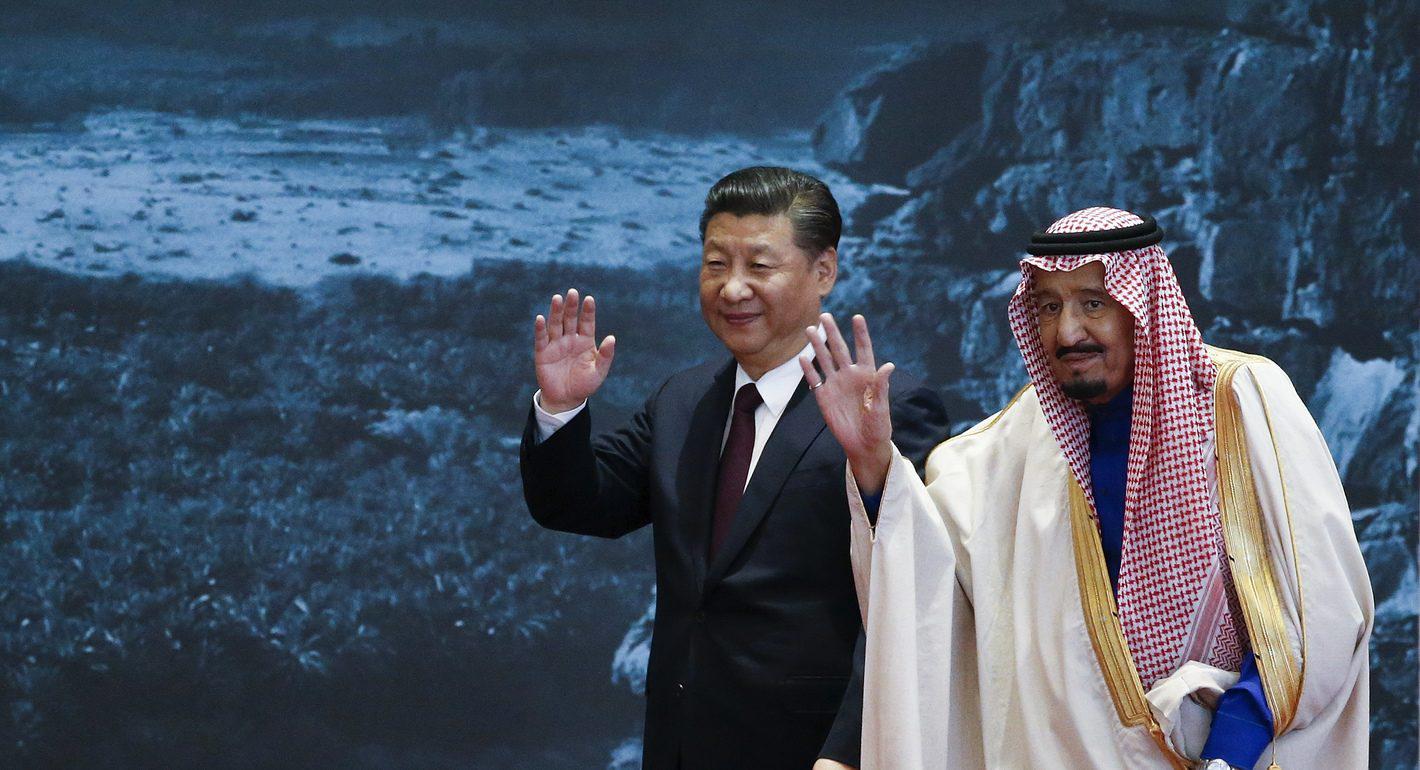
China has aligned its cooperation model with Saudi Arabia’s own priorities, most notably since the kingdom unveiled its Vision 2030. Although China announced the Belt and Road Initiative in 2013, the big push in relations happened only after the ascendance of King Salman to the throne in 2015 and Riyadh’s push for Beijing to meet Saudi needs.

Hesham Alghannam

The Gulf Cooperation Council has shifted its energy export focus to Asia, particularly India and China. This is part of a broader shift as GCC members look to expand their geopolitical alliances away from the West.

Alexandre Kateb
The advantage that China has over other global powers, especially America, is that its foreign policy is closely aligned with those of many of the Middle Eastern countries.


Jin Liangxiang, Maha Yahya, Hesham Alghannam
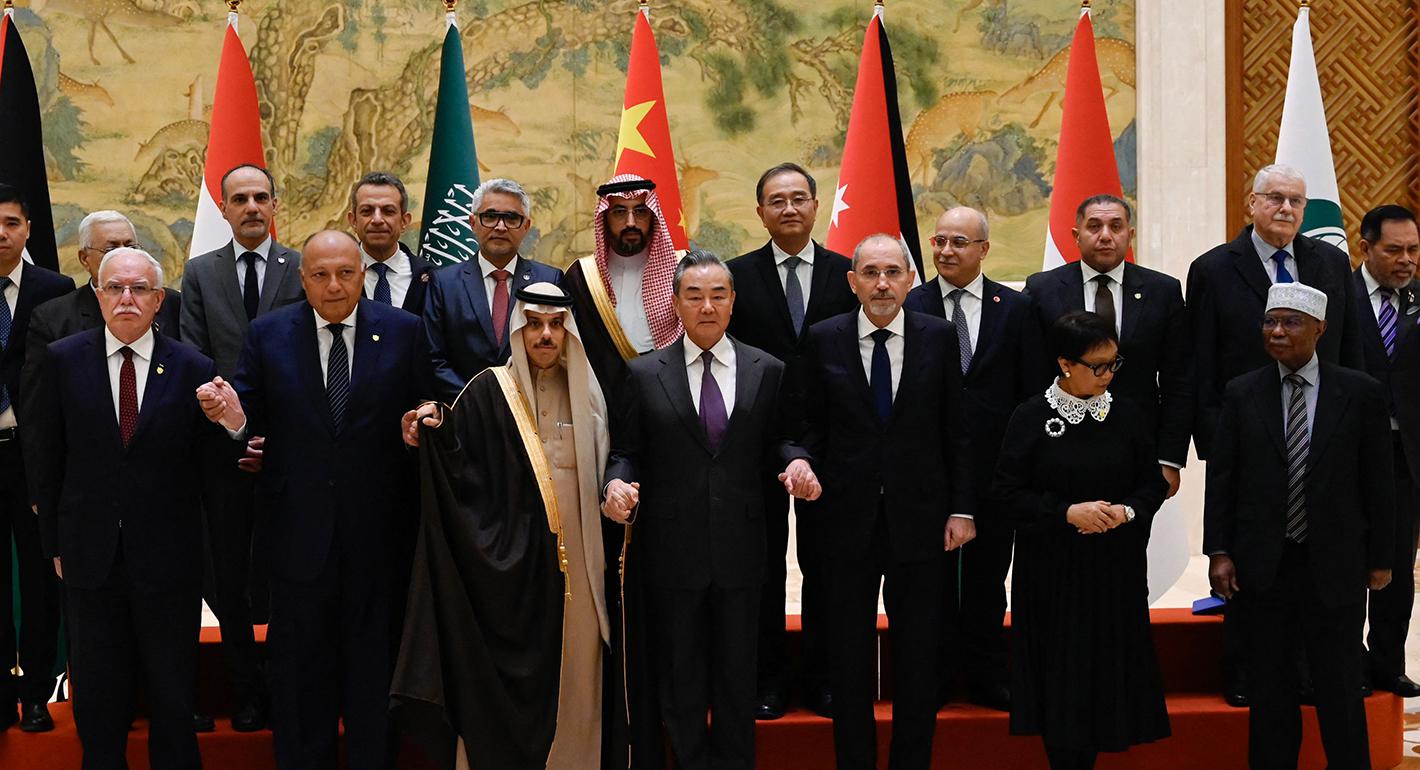
To create an environment more conducive to cooperation and development, U.S. and Chinese efforts should seek the endorsement of neighboring countries and regional organizations. Otherwise, regional and geopolitical rivalries will remain barriers.

Abdullah Baabood
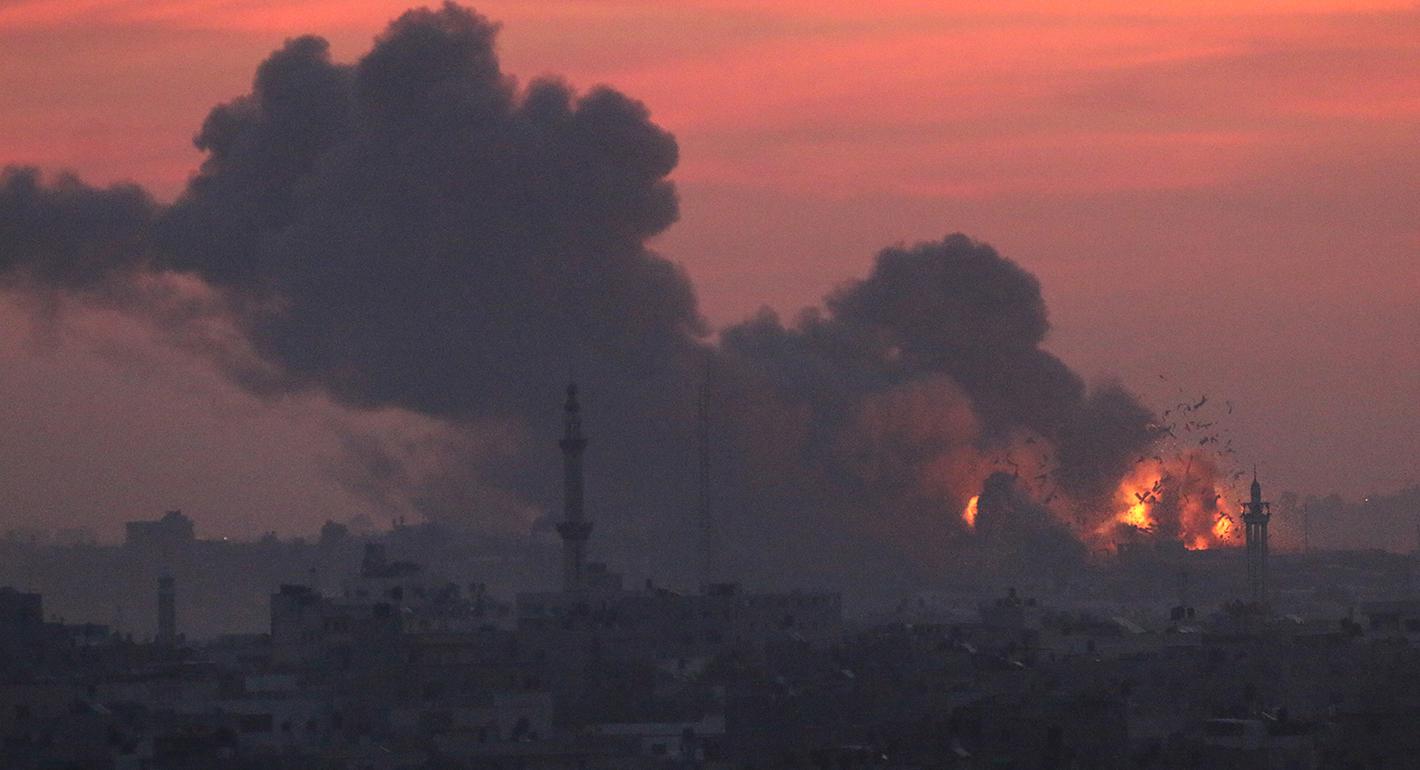
Scholars from Carnegie’s global network comment on how the ongoing conflict between Israelis and Palestinians is affecting their areas of interest, and what the implications of this may be.


Maha Yahya, Rosa Balfour, Judy Dempsey, …