

In The Media
Jessica Tuchman Mathews
{
  "authors": [
    "Jessica Tuchman Mathews"
  ],
  "type": "legacyinthemedia",
  "centerAffiliationAll": "dc",
  "centers": [
    "Carnegie Endowment for International Peace"
  ],
  "collections": [],
  "englishNewsletterAll": "ctw",
  "nonEnglishNewsletterAll": "",
  "primaryCenter": "Carnegie Endowment for International Peace",
  "programAffiliation": "NPP",
  "programs": [
    "Nuclear Policy",
    "Middle East"
  ],
  "projects": [],
  "regions": [
    "Middle East",
    "Iran",
    "Iraq",
    "Caucasus",
    "Russia"
  ],
  "topics": [
    "Foreign Policy",
    "Nuclear Policy"
  ]
}
Source: Getty
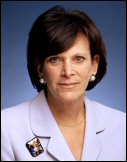
Jessica T. Mathews addresses U.S.-Russian relations, nonproliferation, Iran, and global philanthropy in an interview for the Great Decisions Television Series, an eight show series that examines all sides of the most critical foreign policy issues.
Source: Great Decisions

Mathews urges the international community to strengthen the nonproliferation regime, cautions against the deepening distrust between the United States and Russia, and argues that engaging with Iran is essential for resolving the conflict in Iraq.

Distinguished Fellow
Mathews is a distinguished fellow at the Carnegie Endowment for International Peace. She served as Carnegie’s president for 18 years.
Recent Work
Jessica Tuchman Mathews
Jessica Tuchman Mathews
Carnegie does not take institutional positions on public policy issues; the views represented herein are those of the author(s) and do not necessarily reflect the views of Carnegie, its staff, or its trustees.
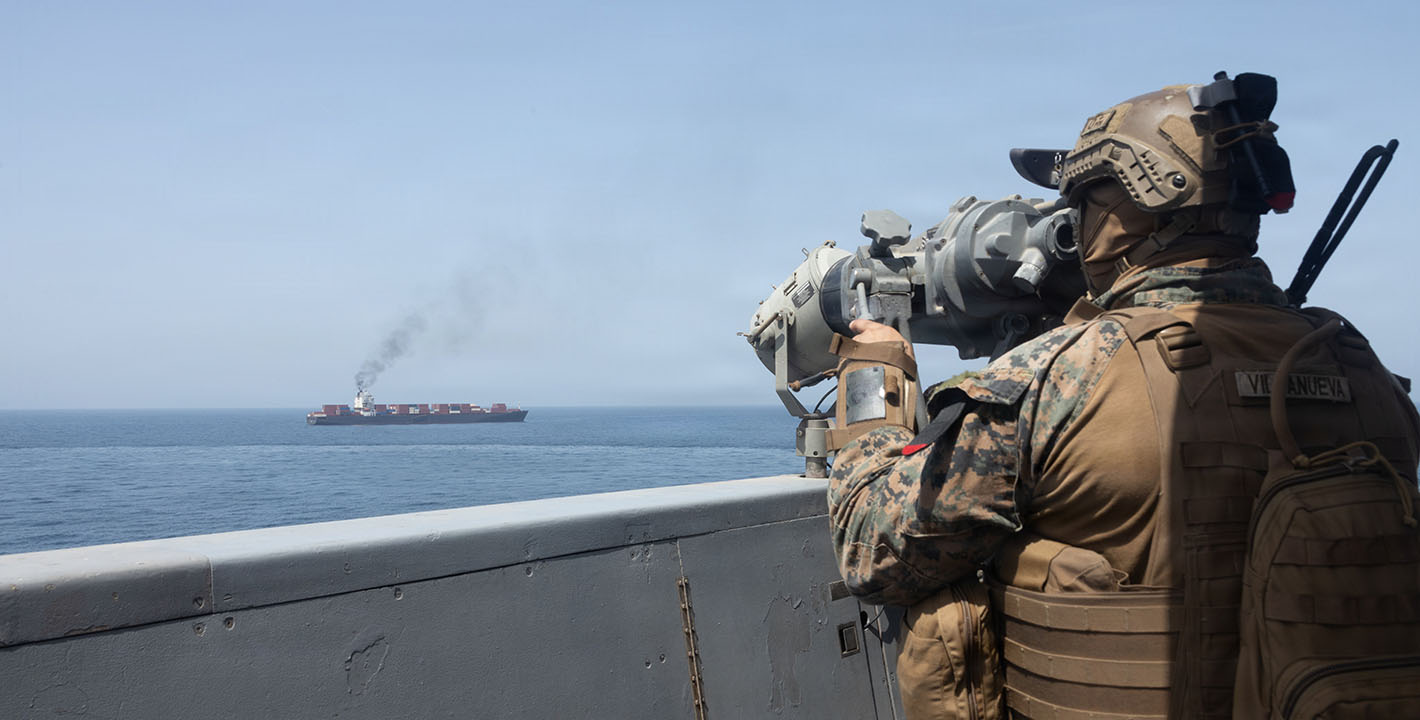
In an interview, Jim Lamson discusses the ongoing regional conflict and sees an unclear picture when it comes to winners and losers.

Michael Young
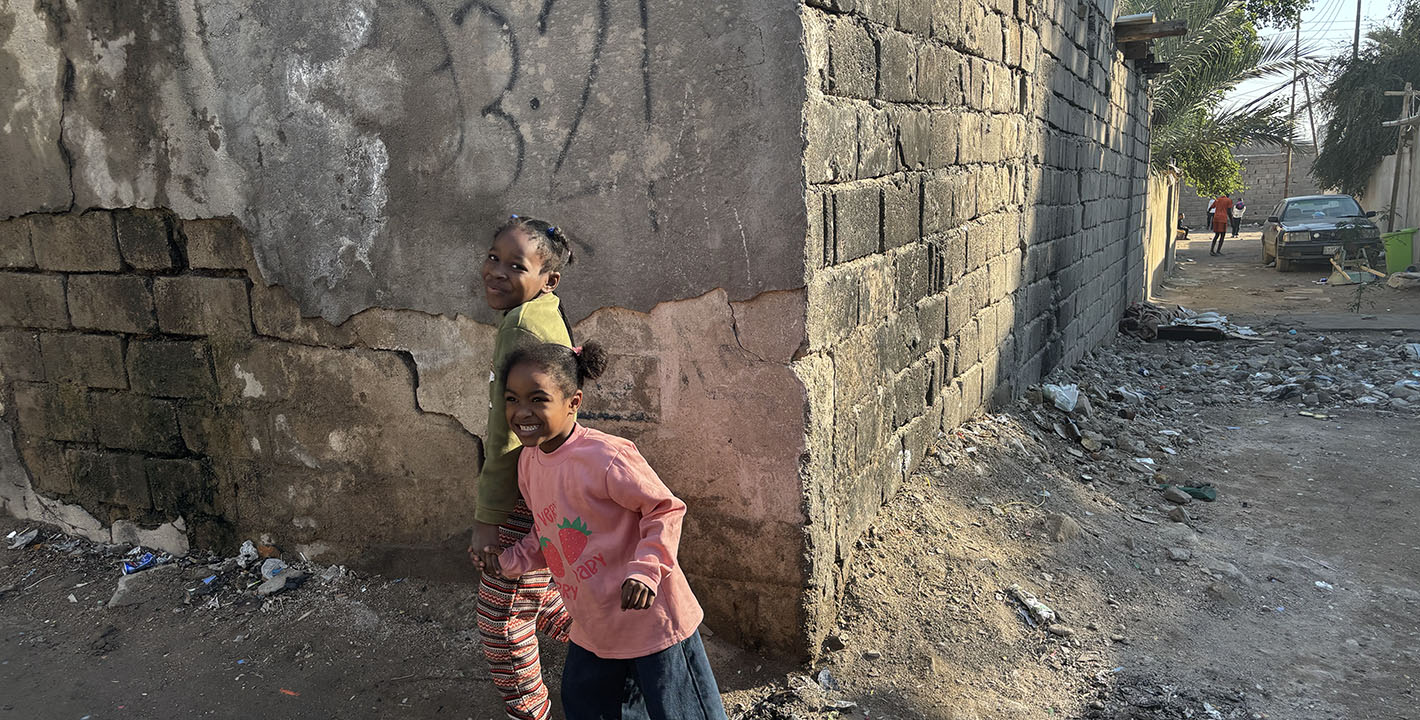
Afro-Iraqis experience political, economic, and social marginalization and discrimination, which exposes the poorest members of the community to the harsh realities of the region’s climate disaster.
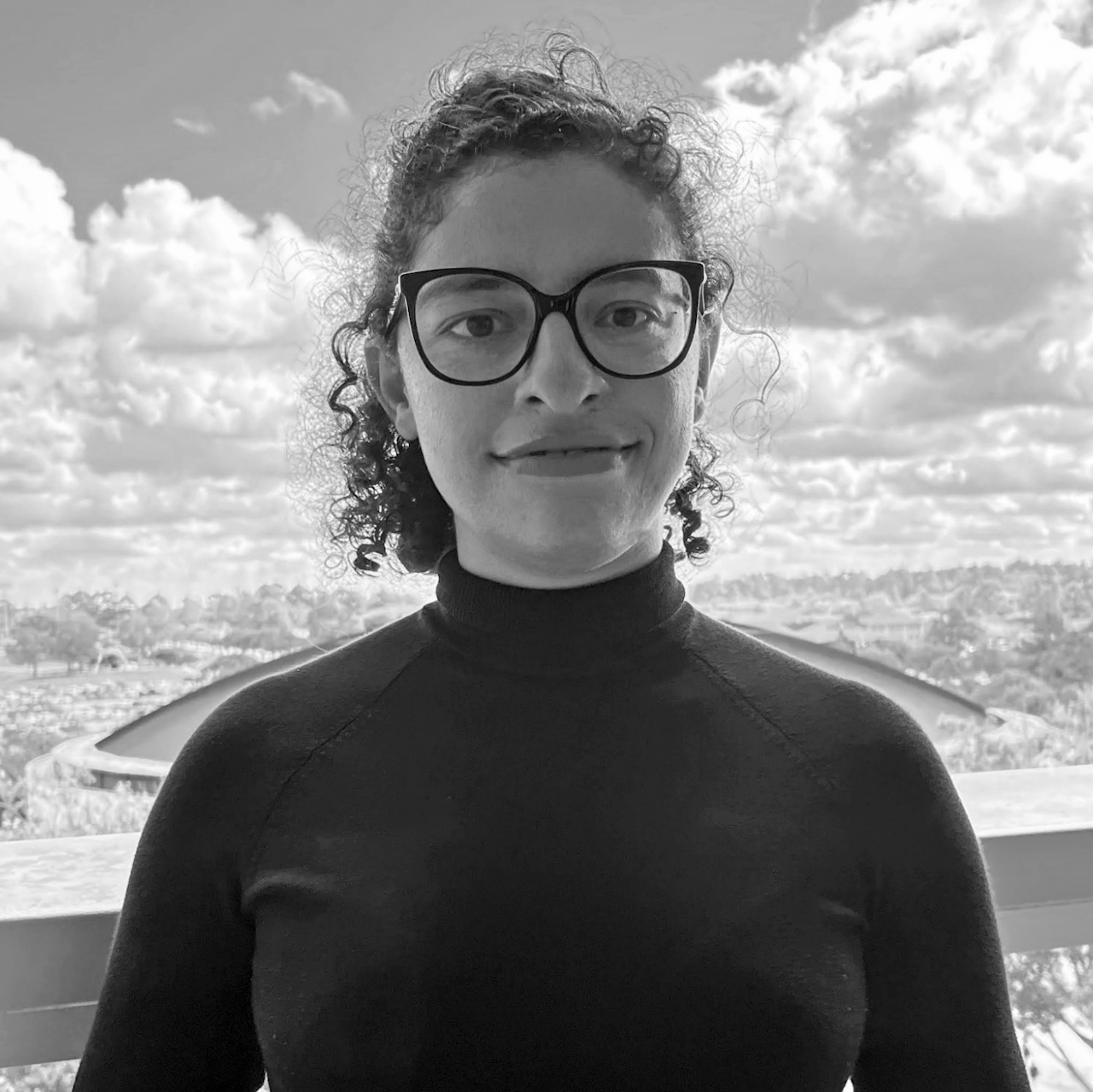
Zeinab Shuker
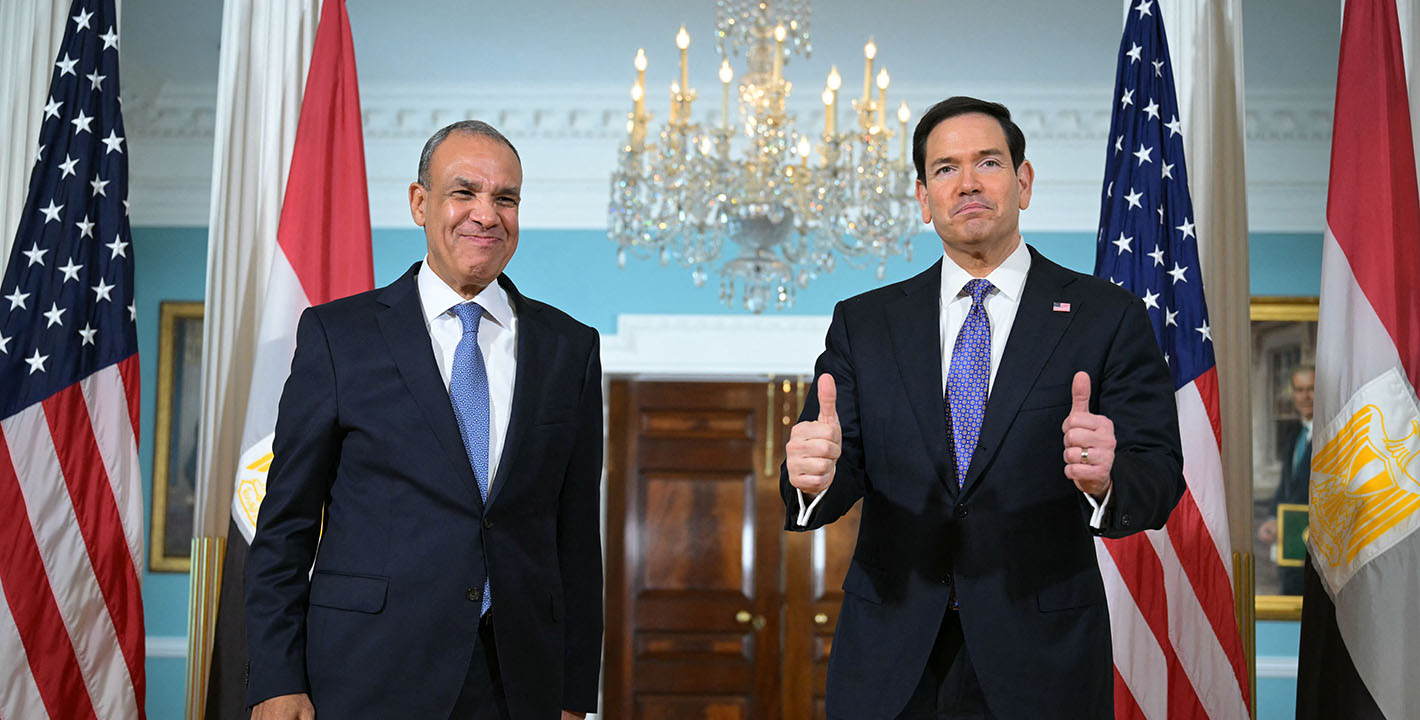
Cairo’s efforts send a message to the United States and the region that it still has a place at the diplomatic table.

Angie Omar
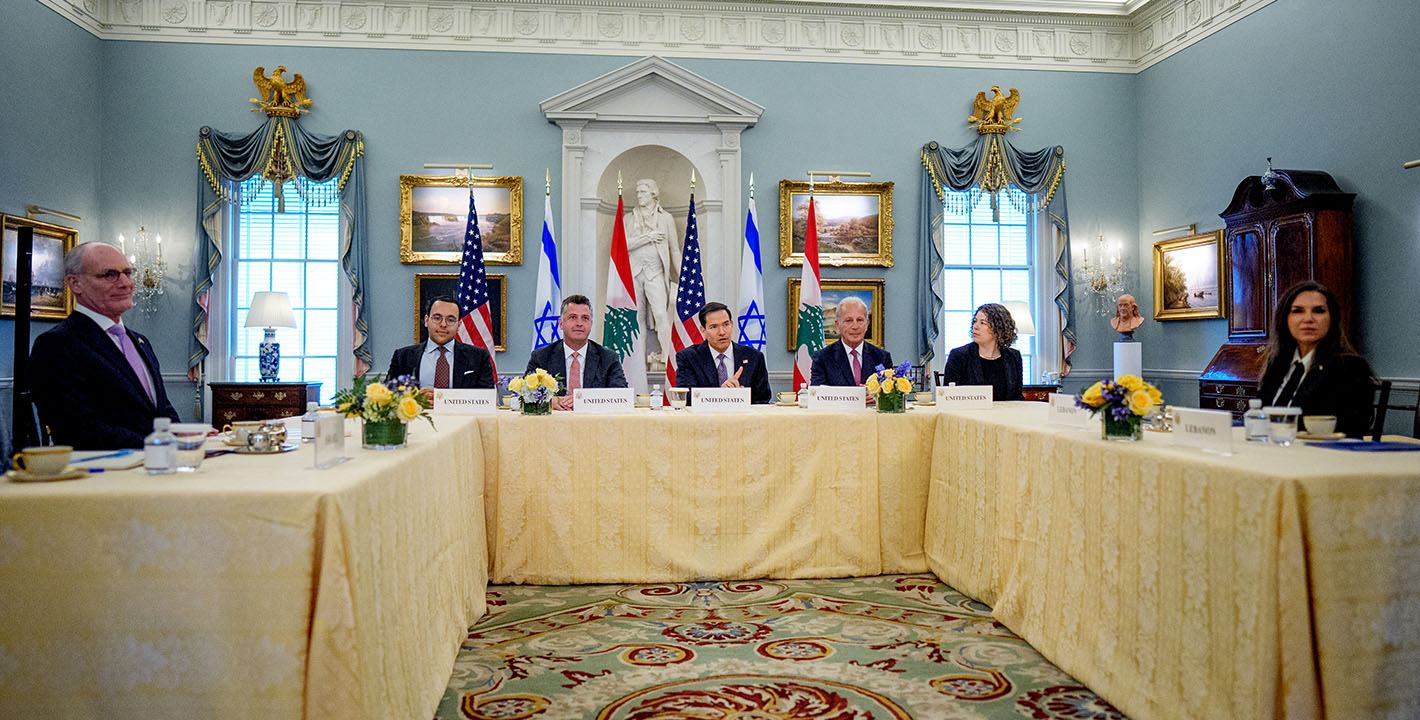
Beirut’s desire to break free from Iranian hegemony may push it into a situation where it has to accept Israel’s hegemony.
Michael Young
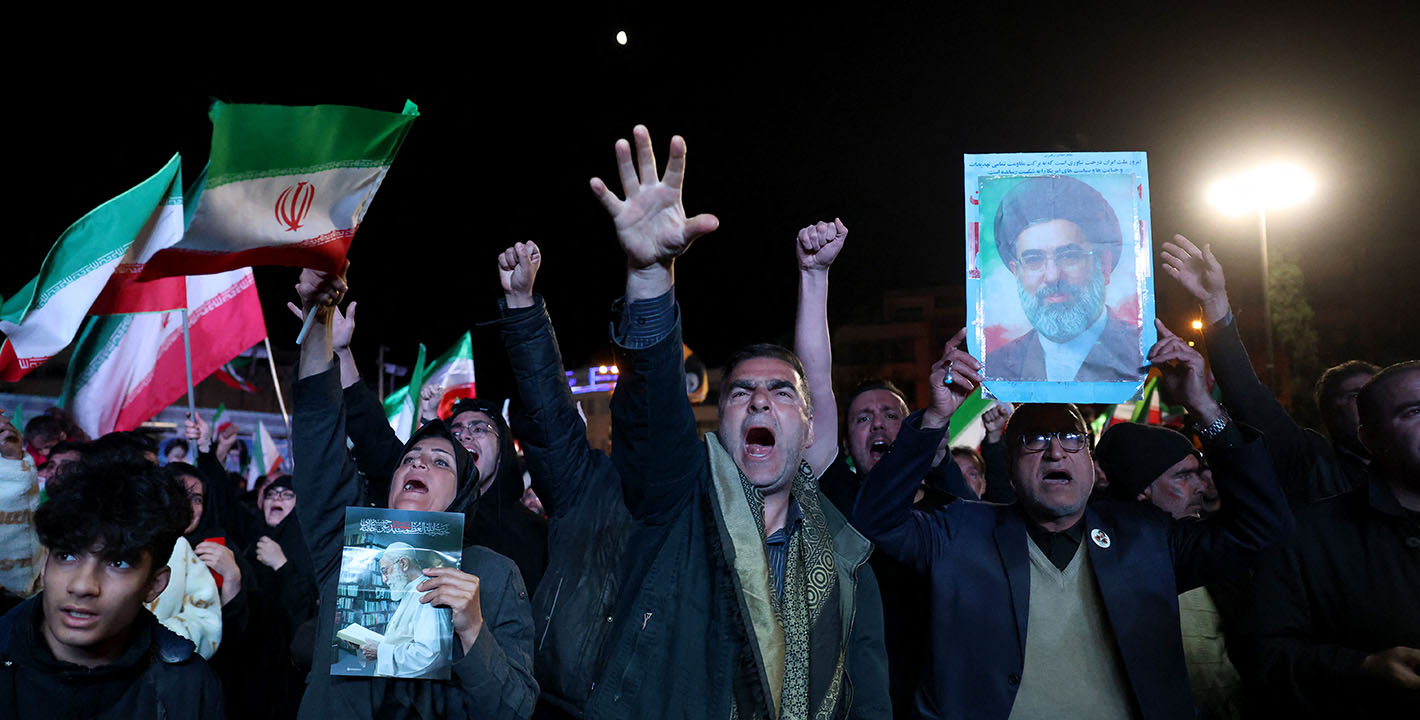
Spot analysis from Carnegie scholars on events relating to the Middle East and North Africa.
Michael Young