

Commentary
Reconciliation councils are emerging throughout the country to mediate in intracommunal disputes, many from the war years.
Natacha Danon
{
  "authors": [],
  "type": "pressRelease",
  "centerAffiliationAll": "dc",
  "centers": [
    "Carnegie Endowment for International Peace"
  ],
  "collections": [],
  "englishNewsletterAll": "menaTransitions",
  "nonEnglishNewsletterAll": "",
  "primaryCenter": "Carnegie Endowment for International Peace",
  "programAffiliation": "MEP",
  "programs": [
    "Middle East"
  ],
  "projects": [],
  "regions": [
    "Middle East",
    "Iran",
    "Lebanon",
    "Syria"
  ],
  "topics": [
    "Political Reform",
    "Democracy",
    "Security",
    "Foreign Policy"
  ]
}
REQUIRED IMAGE
Lebanon’s prolonged political crisis erupted in violence following the Lebanese government's dismissal of an official close to Hizbollah and the launch of an investigation into the organization’s telecommunications network. Contrary to a similar escalation in December 2006, Iran has not interceded to halt the violence.
BEIRUT, May 13—Lebanon’s prolonged political crisis erupted in violence last week following the Lebanese government's dismissal of an official close to Hizbollah and the launch of an investigation into the organization’s telecommunications network. Paul Salem, director of the Carnegie Middle East Center in Beirut, outlines the key actors of Lebanon’s worst violence since the end of its civil war in 1990 and their aims.
Key Conclusions:
"The situation in Lebanon remains extremely tense. An Arab League ministerial delegation is to arrive to help negotiate an end to the crisis. The next days will indicate whether the opposition will escalate and widen its military assaults, or whether Lebanon is entering a lull in which discussions and political bargaining will come to the fore,” concludes Salem.
###

Carnegie does not take institutional positions on public policy issues; the views represented herein are those of the author(s) and do not necessarily reflect the views of Carnegie, its staff, or its trustees.
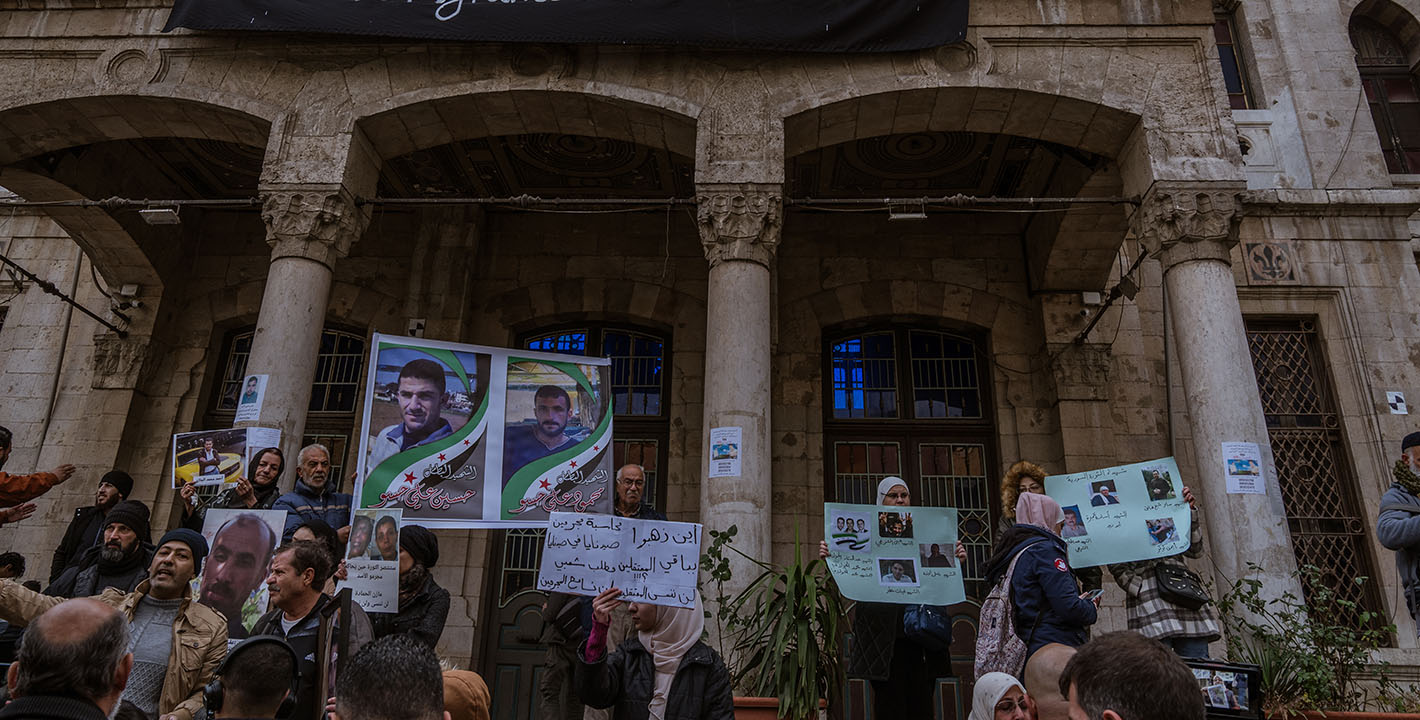
Reconciliation councils are emerging throughout the country to mediate in intracommunal disputes, many from the war years.
Natacha Danon
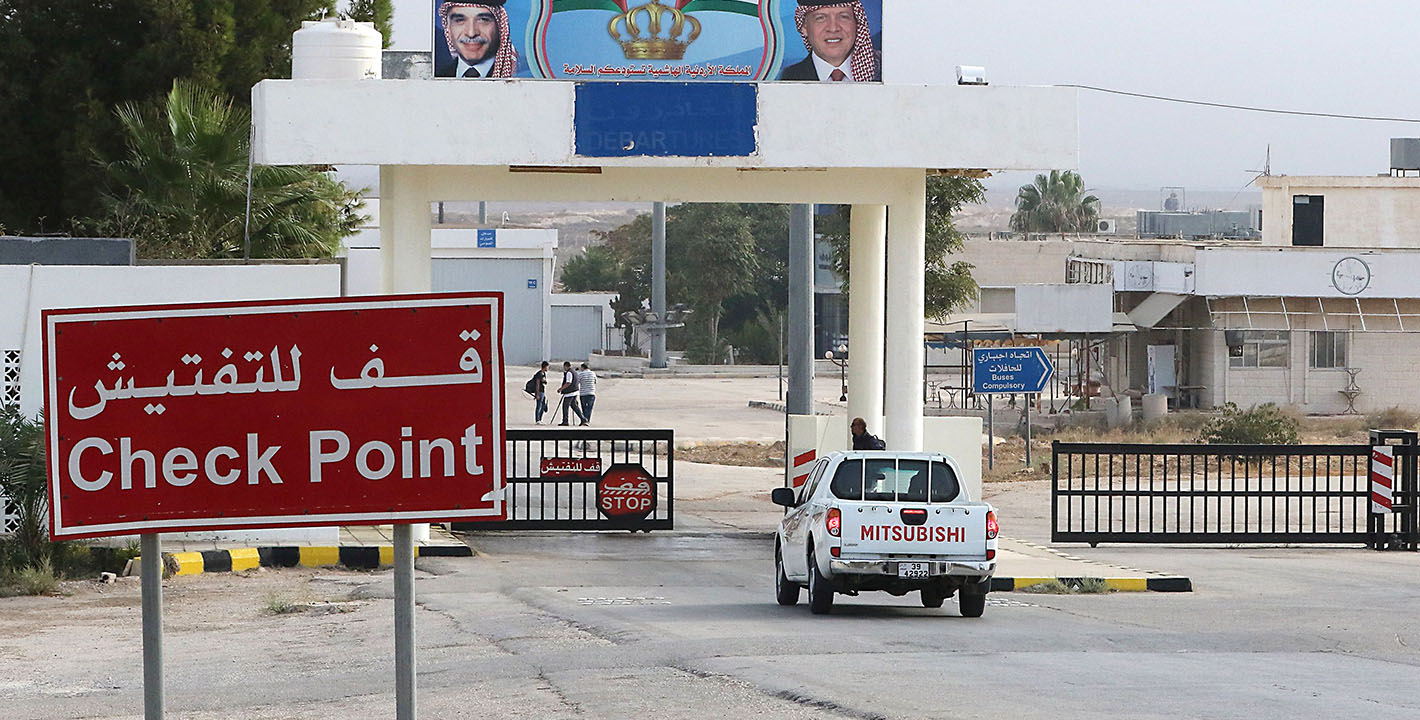
The civil war in Syria may have ended, but the country continues to serve as a source for the trafficking of illegal substances into and via Jordanian territory.

Armenak Tokmajyan, Laith Qerbaa

In an interview, Ian Lustick and Eli Clifton discuss their new book on why a prominent ally has so much influence in America.

Michael Young

As the U.S. stumbles in its war with Iran, we are likely to see an acceleration of its disengagement from the region.
Michael Young

Middle Eastern states should welcome an accelerated U.S. disengagement from their region.
Michael Young