

In The Media
Minxin Pei
{
  "authors": [
    "Minxin Pei"
  ],
  "type": "legacyinthemedia",
  "centerAffiliationAll": "dc",
  "centers": [
    "Carnegie Endowment for International Peace"
  ],
  "collections": [],
  "englishNewsletterAll": "asia",
  "nonEnglishNewsletterAll": "",
  "primaryCenter": "Carnegie Endowment for International Peace",
  "programAffiliation": "AP",
  "programs": [
    "Asia"
  ],
  "projects": [],
  "regions": [
    "China"
  ],
  "topics": [
    "Military"
  ]
}
Source: Getty
The Olympic Games boosted the Chinese Communist Party's popularity among its citizen, the vast majority of whom are proud of their country and the spectacular performance of their athletes. However, the Games won't lead to dramatic change in China's political future; they strengthened the party's rule, leaving it under less pressure to reform.
Source: The Washington Post

What the Olympics won't do is dramatically change China's political future. The Games strengthened the party's rule, leaving it under less pressure to reform. Beyond China's A+ athletic performance, here's my balance sheet.
-- Minxin Pei,
Carnegie Endowment for International Peace
Organization: A
The logistics and venues received high marks from athletes and visitors. But who will enjoy them now that the Olympians have left town? The average worker? Doubtful.
Security: A
Except for the fatal stabbing of an American at the outset of the Games, they were free of major security incidents.
Pollution: B-
Beijing's air quality, while not pristine, was dramatically better during the Games, thanks to draconian anti-pollution measures and favorable weather patterns. But what happens when they turn the factories back on?
Fun: C+
Tight security greatly dampened the festive atmosphere. Authoritarians don't have more fun. Really.
Western Coverage: C-
Western reporters and columnists dwelled excessively on hot-button issues, such as human rights and press freedom, and offered a lot of blather about a clash between two systems. So very Cold War.
Freedom of Assembly: F
Although the Chinese government set up three special "protest zones," it denied all 77 applications for protest. Fifty-eight foreign protesters were arrested and deported. Two Chinese grandmothers were also threatened with one year in a labor camp. How's that for "One World, One Dream"?
This piece originally appeared in The Washington Post's Outlook section.
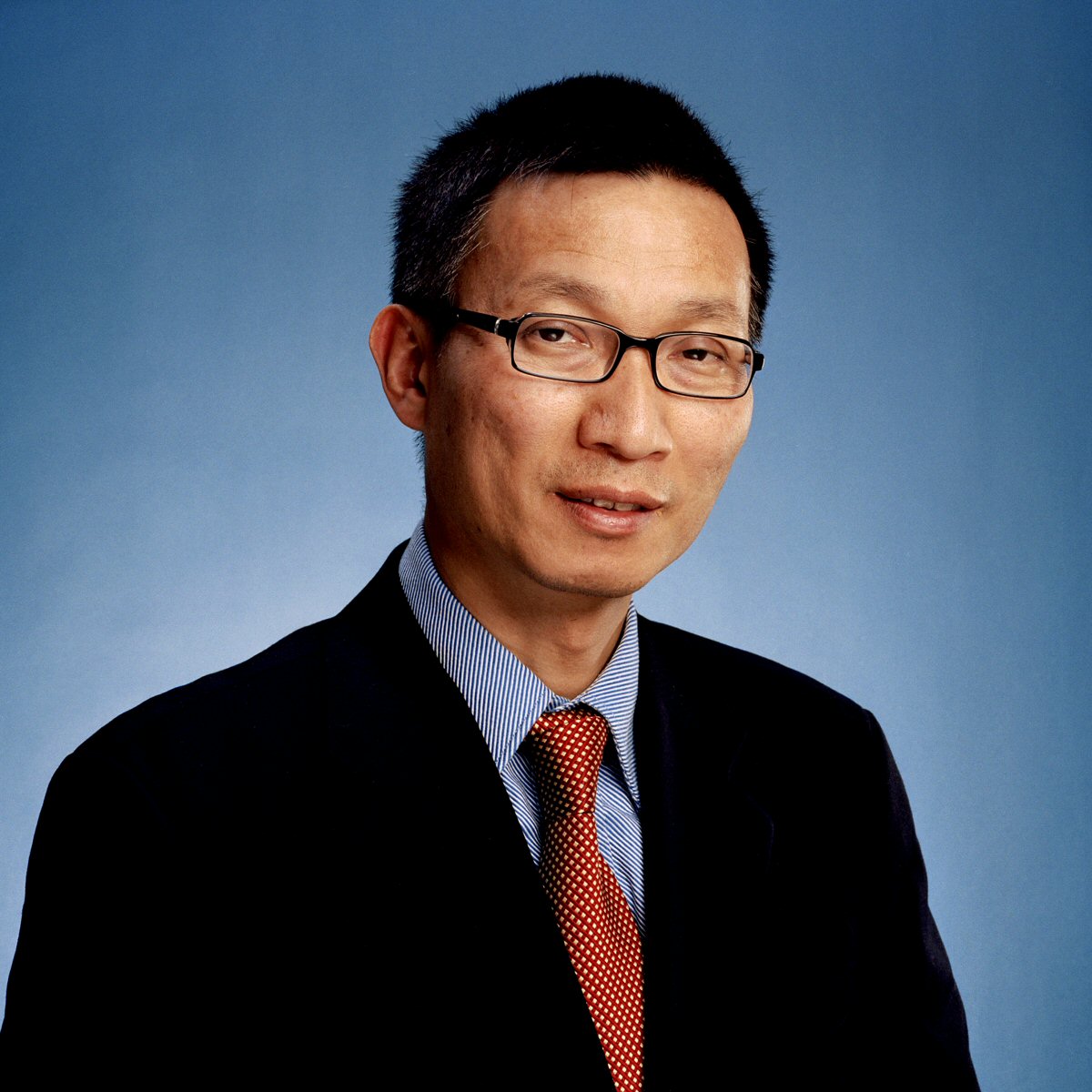
Former Adjunct Senior Associate, Asia Program
Pei is Tom and Margot Pritzker ‘72 Professor of Government and the director of the Keck Center for International and Strategic Studies at Claremont McKenna College.
Recent Work
Minxin Pei
Minxin Pei

The armed forces champion a form of capitalism that is generating revenue, but its reliance on rent faces diminishing returns, leaving the country with massive sunk costs and deferred returns, deepening dependency on external borrowing.

Yezid Sayigh
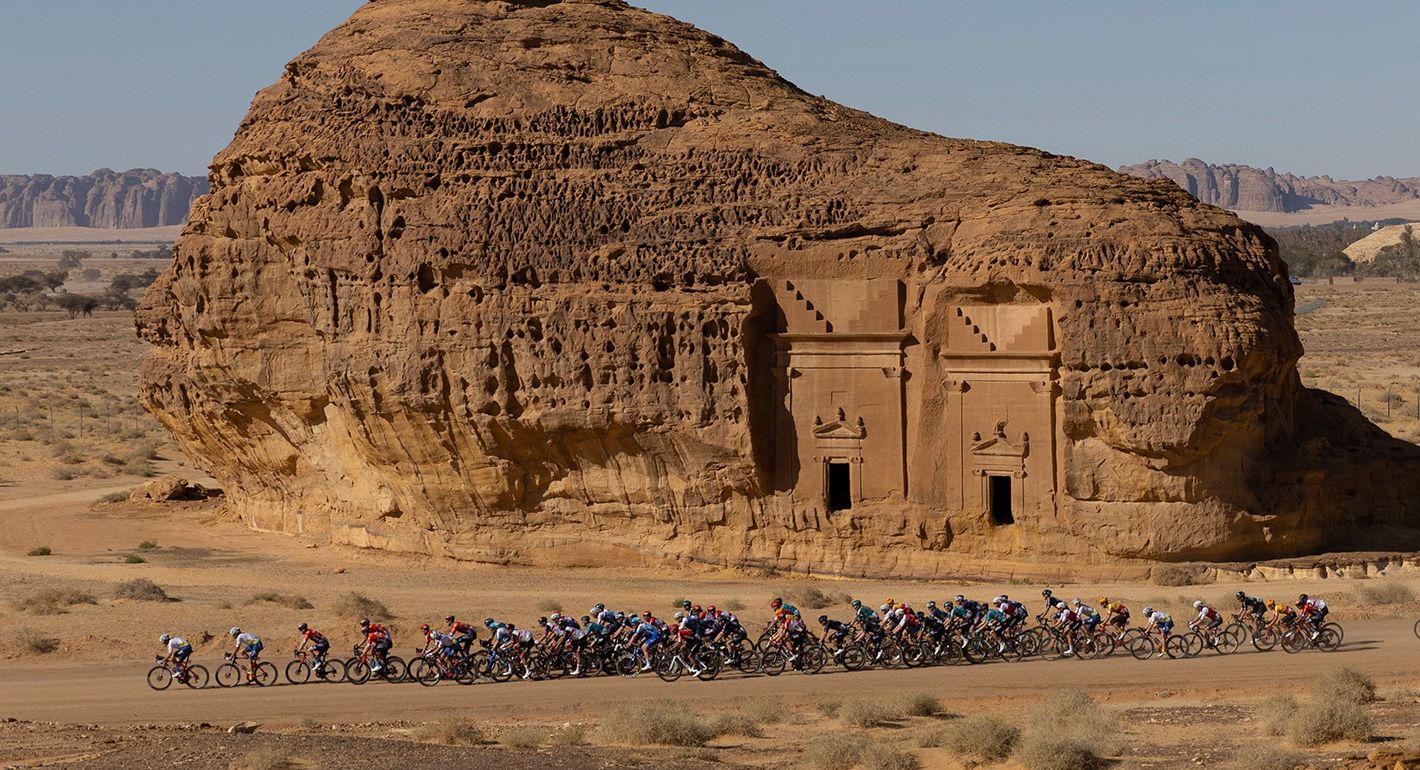
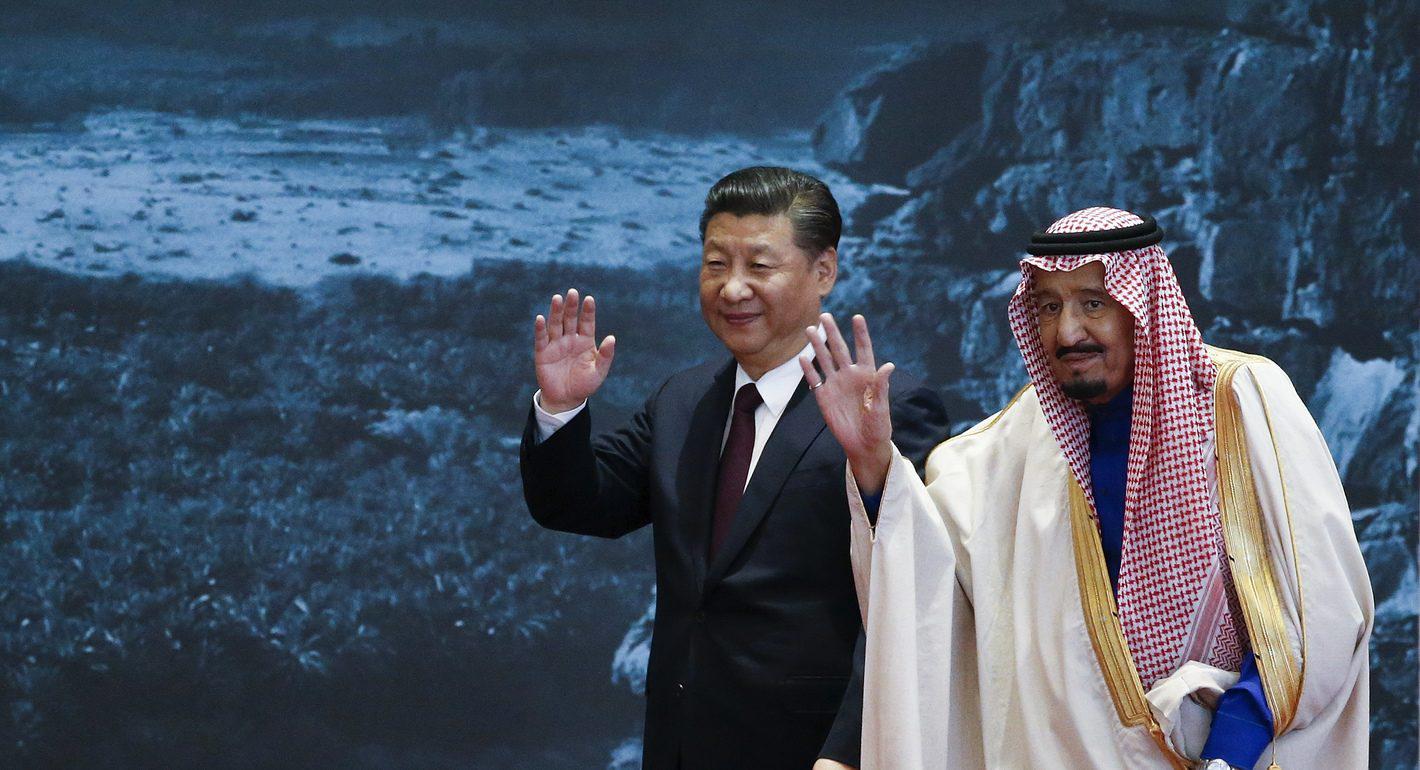
China has aligned its cooperation model with Saudi Arabia’s own priorities, most notably since the kingdom unveiled its Vision 2030. Although China announced the Belt and Road Initiative in 2013, the big push in relations happened only after the ascendance of King Salman to the throne in 2015 and Riyadh’s push for Beijing to meet Saudi needs.

Hesham Alghannam
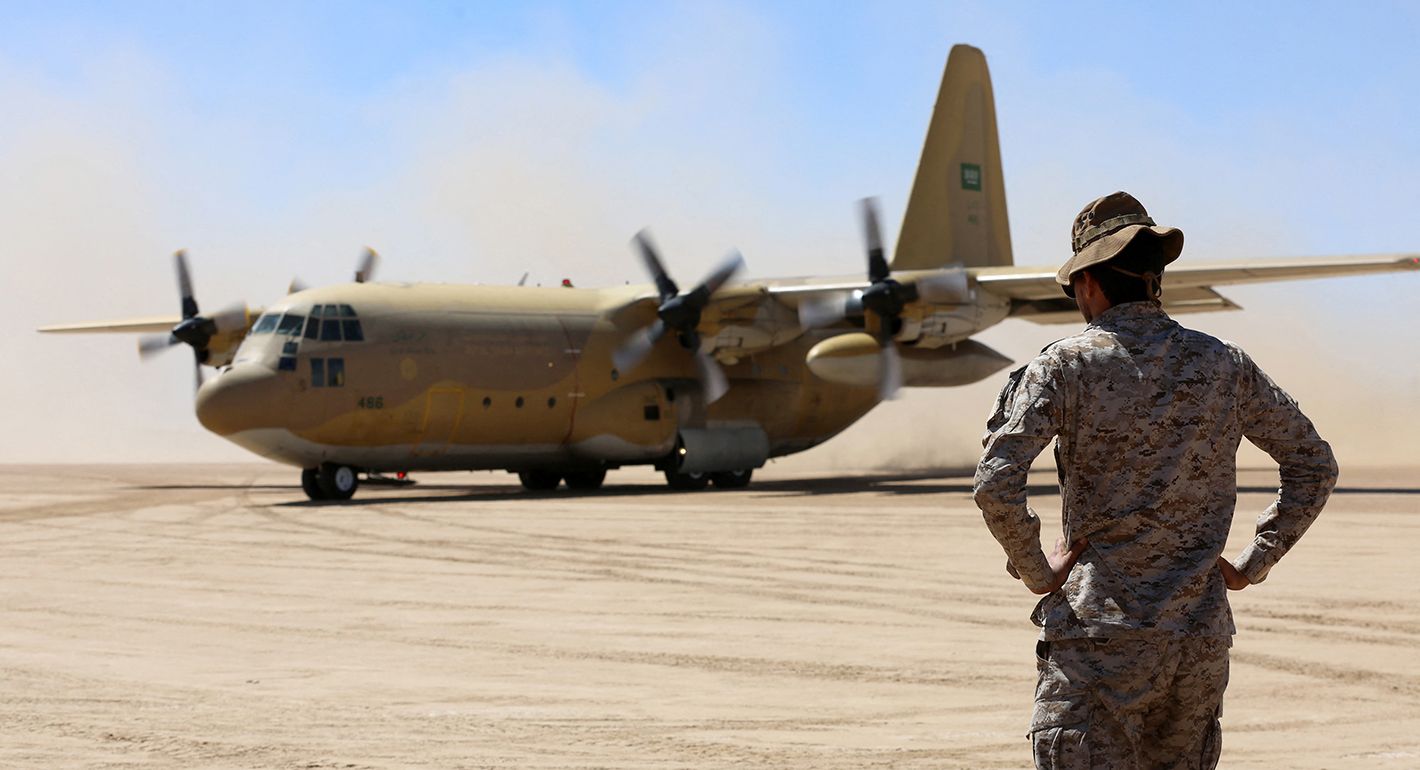
Gulf states such as Saudi Arabia and the UAE have determined that their national security goes beyond their physical borders. It is just as important to shield their airspace, territorial waters, and even maritime trade routes.
Abdullah Baabood
The Gulf Cooperation Council has shifted its energy export focus to Asia, particularly India and China. This is part of a broader shift as GCC members look to expand their geopolitical alliances away from the West.
Alexandre Kateb
The advantage that China has over other global powers, especially America, is that its foreign policy is closely aligned with those of many of the Middle Eastern countries.

Jin Liangxiang, Maha Yahya, Hesham Alghannam