• Research
  • Diwan
  • About
  • Experts
Carnegie Middle East logoCarnegie lettermark logo
PalestineSyria
{
  "authors": [
    "Sharon Squassoni"
  ],
  "type": "other",
  "centerAffiliationAll": "dc",
  "centers": [
    "Carnegie Endowment for International Peace"
  ],
  "collections": [],
  "englishNewsletterAll": "",
  "nonEnglishNewsletterAll": "",
  "primaryCenter": "Carnegie Endowment for International Peace",
  "programAffiliation": "NPP",
  "programs": [
    "Nuclear Policy"
  ],
  "projects": [],
  "regions": [],
  "topics": [
    "Climate Change",
    "Foreign Policy",
    "Nuclear Policy",
    "Nuclear Energy"
  ]
}
Source: Getty

Other

Nuclear Renaissance: Is It Coming? Should It?

Despite talk of a renaissance, nuclear power will account for a declining percentage of global electricity generation without aggressive financial support and significant policy changes. Before committing to a rapid expansion of nuclear energy, the next U.S. administration must address critical questions about the feasibility and safety of that expansion, and act to minimize proliferation risks.

Link Copied
By Sharon Squassoni
Published on Oct 29, 2008

Despite talk of a renaissance, nuclear power will account for a declining percentage of global electricity generation without aggressive financial support and significant policy changes. Before committing to a rapid expansion of nuclear energy, the next U.S. administration must address critical questions about the feasibility and safety of nuclear expansion, and act to minimize current proliferation risks, concludes a new report by Sharon Squassoni.

The Limits of Nuclear Energy:

  • Nuclear power is inherently limited in its ability to reduce dependence on foreign oil because it only provides electricity. Oil accounts for only 1.6 percent of U.S. electricity production.
  • Most countries will need to import fuel, technology, and reactor components for nuclear power plants—leading to greater energy interdependence, not independence.
  • Nuclear power won’t significantly help combat climate change. Huge reductions in emissions are needed now, and the nuclear industry will not be able to build the large number of new nuclear reactors—25 each year until 2050—necessary to make an impact on carbon emissions. New nuclear power plants will mostly help offset the retirement of nuclear reactors built decades ago.
  • The cost for constructing new nuclear power plants is uncertain, and historical costs provide little guidance. The United States has not licensed a new nuclear reactor for thirty years. The current economic crisis could make financing nuclear power plants particularly difficult.
  • In the more than fifty years since the first nuclear reactor generated electricity, no country has opened a permanent site for nuclear waste. Recycling the waste reduces the volume, but produces separated plutonium, a nuclear weapons fuel and proliferation risk.
Recommendations for the next U.S. president:
  1. Reduce the perceived prestige associated with nuclear power and cooperation. Nuclear energy should not be viewed as a symbol of national prowess but simply as a means to produce electricity.
  2. Adopt the IAEA’s Model Additional Protocol—which strengthens the international system for inspecting nuclear material and facilities and improves the IAEA’s ability to detect undeclared nuclear activities—as a condition for nuclear supply.
  3. Ensure that manufacturers of nuclear reactors and their components supply technologies responsibly and tighten restrictions on sensitive technologies.
  4. Utilize the Global Nuclear Energy Partnership to prioritize funding for proliferation-resistant reactors—new sea-based reactors are more vulnerable to terrorist attacks.
  5. Require some fuel-cycle facilities, including enrichment plants, to be multinationally owned and operated to ease detection of clandestine activities.

About the Author
Sharon Squassoni is a senior associate in the Nonproliferation Program. Her research focuses on nuclear nonproliferation and national security. Before joining Carnegie, she served fourteen years in the Congressional Research Service, State Department, and Arms Control and Disarmament Agency.
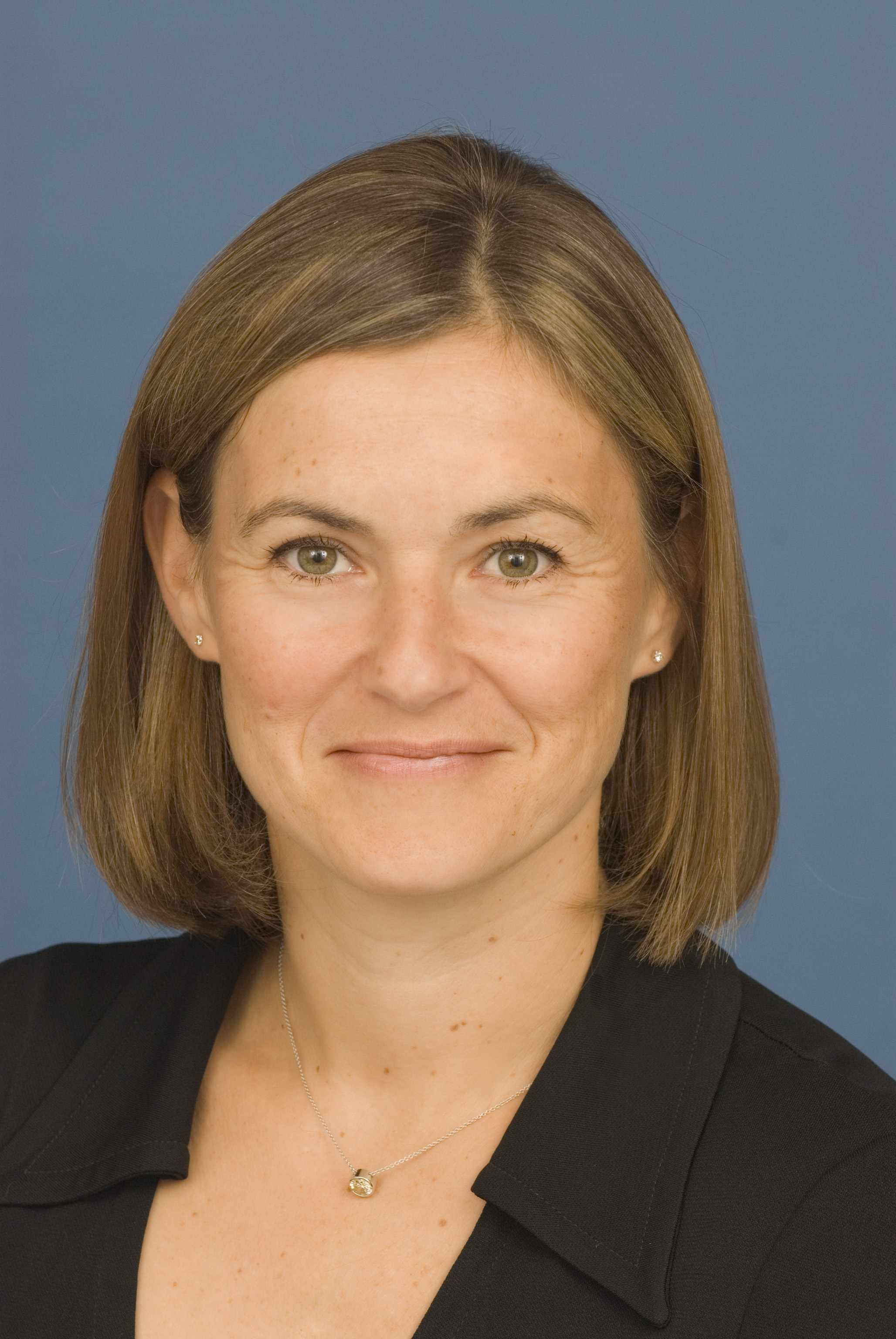
Sharon Squassoni
Former Senior Associate, Nuclear Policy Program
Sharon Squassoni
Climate ChangeForeign PolicyNuclear PolicyNuclear Energy

Carnegie does not take institutional positions on public policy issues; the views represented herein are those of the author(s) and do not necessarily reflect the views of Carnegie, its staff, or its trustees.

More Work from Malcolm H. Kerr Carnegie Middle East Center

  • Commentary
    Diwan
    Iran and the New Geopolitical Moment

    A coalition of states is seeking to avert a U.S. attack, and Israel is in the forefront of their mind.

      Michael Young

  • Commentary
    Carnegie Politika
    Baku Proceeds With Caution as Ethnic Azeris Join Protests in Neighboring Iran

    Baku may allow radical nationalists to publicly discuss “reunification” with Azeri Iranians, but the president and key officials prefer not to comment publicly on the protests in Iran.

      Bashir Kitachaev

  • Commentary
    Diwan
    Iran’s Woes Aren’t Only Domestic

    The country’s leadership is increasingly uneasy about multiple challenges from the Levant to the South Caucasus.

      Armenak Tokmajyan

  • A municipal employee raises the US flag among those of other nations in Sharm el-Sheikh, as the Egyptian Red Sea resort town gets ready to receive international leaders, following a Gaza ceasefire agreement, on October 11, 2025.
    Article
    The Tragedy of Middle Eastern Politics

    The countries of the region have engaged in sustained competition that has tested their capacities and limitations, while resisting domination by rivals. Can a more stable order emerge from this maelstrom, and what would it require?

      • Mohamed Ali Adraoui

      Hamza Meddeb, Mohamed Ali Adraoui

  • Paper
    The United States and the Emerging Security Order in Eastern Syria

    As Washington reduces its presence in the country, the success of its withdrawal and continued containment of the Islamic State will hinge on adopting an approach of flexible oversight built around three priorities, as well as balancing Turkish and Israeli red lines.

      Kheder Khaddour, Issam Kayssi

Get more news and analysis from
Malcolm H. Kerr Carnegie Middle East Center
Carnegie Middle East logo, white
  • Research
  • Diwan
  • About
  • Experts
  • Projects
  • Events
  • Contact
  • Careers
  • Privacy
  • For Media
Get more news and analysis from
Malcolm H. Kerr Carnegie Middle East Center
© 2026 Carnegie Endowment for International Peace. All rights reserved.