

Commentary
As the U.S. stumbles in its war with Iran, we are likely to see an acceleration of its disengagement from the region.
Michael Young
{
  "authors": [],
  "type": "pressRelease",
  "centerAffiliationAll": "dc",
  "centers": [
    "Carnegie Endowment for International Peace",
    "Malcolm H. Kerr Carnegie Middle East Center"
  ],
  "collections": [],
  "englishNewsletterAll": "menaTransitions",
  "nonEnglishNewsletterAll": "",
  "primaryCenter": "Carnegie Endowment for International Peace",
  "programAffiliation": "MEP",
  "programs": [
    "Middle East"
  ],
  "projects": [],
  "regions": [
    "Middle East",
    "Türkiye",
    "Egypt",
    "Gulf",
    "Levant",
    "Maghreb"
  ],
  "topics": [
    "Political Reform",
    "Democracy"
  ]
}
REQUIRED IMAGE
Turkey’s increased engagement in the Middle East reflects its desire to become a self-confident regional superpower. Yet, Ankara’s fraught handling of the Kurdish issue has been reactive, alarmist, and insecure. Unless Turkey learns to balance its opposing priorities, the country will witness an increase in ultra-nationalism and isolationism, concludes a new paper from the Carnegie Endowment.
BEIRUT, Oct 7—Turkey’s increased engagement in the Middle East reflects its desire to become a self-confident regional superpower. Yet, Ankara’s fraught handling of the Kurdish issue has been reactive, alarmist, and insecure. Unless Turkey learns to balance its opposing priorities, the country will witness an increase in ultra-nationalism and isolationism, concludes a new paper from the Carnegie Endowment.
Ömer Taspinar explains the two conflicting drivers of Turkey’s new activism in the Middle East: “Neo-Ottomanism,” which encourages engagement and projection of influence recalling Turkey’s multicultural, Muslim, and imperial past, and “Kemalism,” which aims to eliminate the perceived threat of Kurdish nationalism and protect Turkey’s secular, nationalist identity. He examines the impact of recent political developments, the re-emergence of the Kurdish challenge for Turkey’s foreign policy, and explores Ankara’s relations with the West and the Middle East, including its close ties with Syria and Iran.
Key conclusions:
Taspinar concludes:
“The stakes for Turkey and the future of the Middle East are high. Home to more than 70 million Muslims, Turkey is the most advanced democracy in the Islamic world. A stable, western-oriented, liberal Turkey on a clear path toward the EU would serve as a growing market for western goods, a contributor to the labor force Europe will desperately need in the coming decades, a democratic example for the rest of the Muslim world, a stabilizing influence on Iraq, and a partner in Afghanistan.
An authoritarian, resentful, and isolated Turkey, on the other hand, would be the opposite in every case. If its domestic politics were to go wrong, Turkey would not only cease being a democratic success story but also could become a destabilizing factor in the Middle East.”
###

Carnegie does not take institutional positions on public policy issues; the views represented herein are those of the author(s) and do not necessarily reflect the views of Carnegie, its staff, or its trustees.

As the U.S. stumbles in its war with Iran, we are likely to see an acceleration of its disengagement from the region.

Michael Young
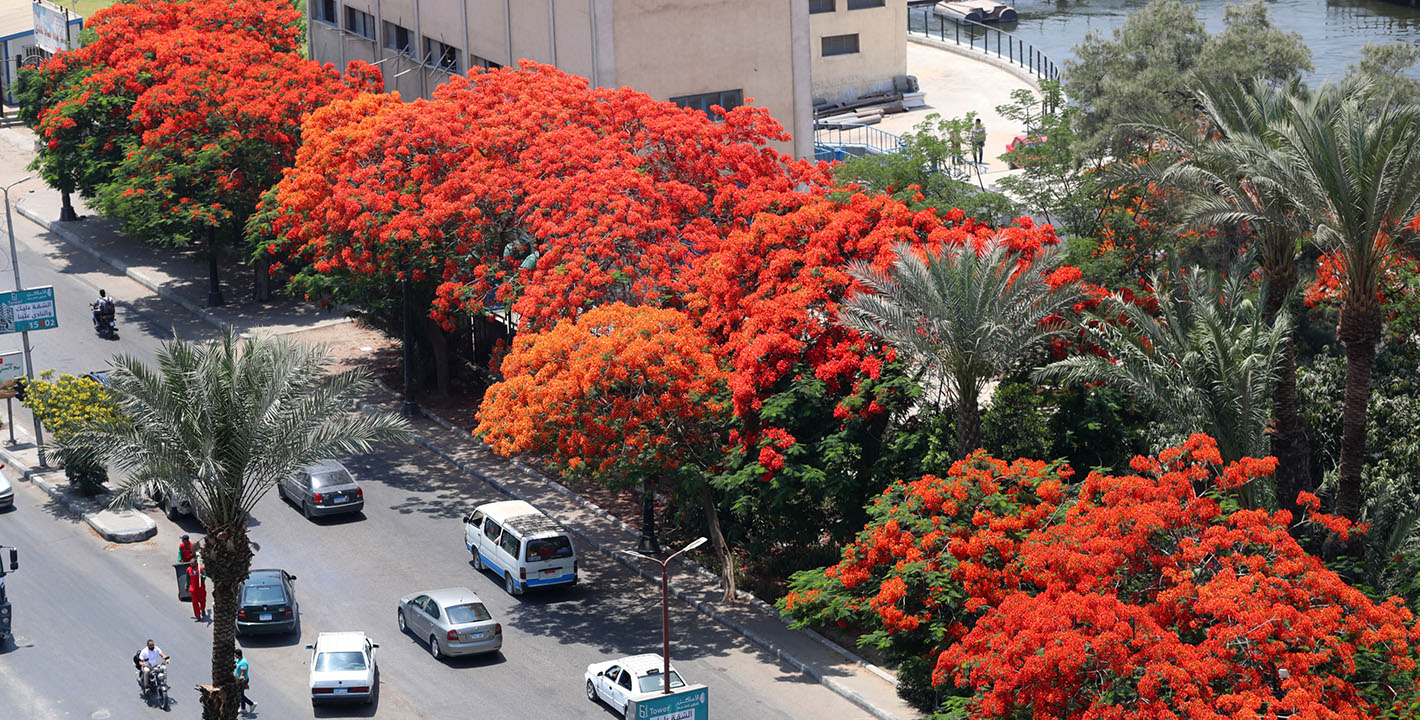
In Egypt’s dense cities, the disappearance of foliage has health implications and punishes daily commuters.

Angie Omar
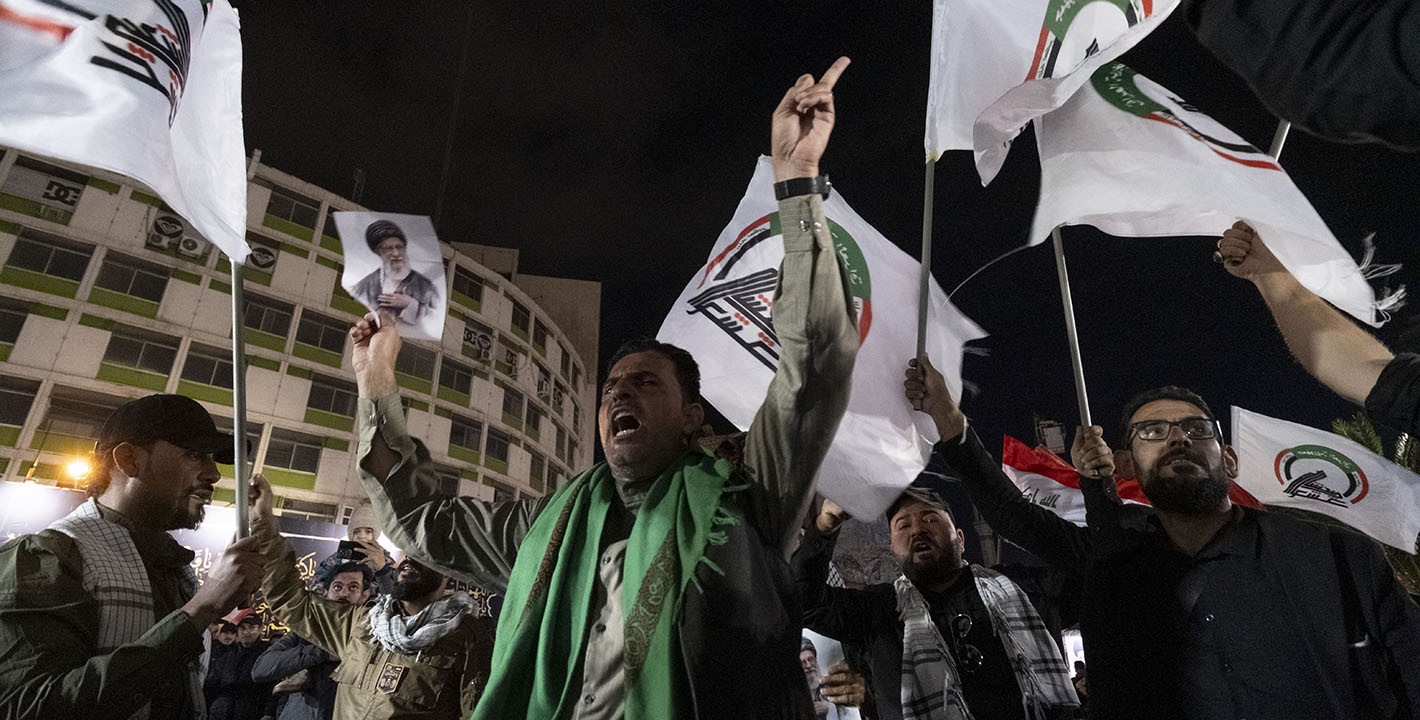
The Zaidi government’s objective to collect weapons is constrained by regional conflict, but it can take certain measures at home.
Ali Al-Mawlawi

Huawei pushed hard to enter the Egyptian data centers market, until the Americans made a better offer.
Angie Omar

Middle Eastern states should welcome an accelerated U.S. disengagement from their region.
Michael Young