

Article
Dadi Zhou
{
  "authors": [
    "Dadi Zhou"
  ],
  "type": "legacyinthemedia",
  "centerAffiliationAll": "dc",
  "centers": [
    "Carnegie Endowment for International Peace"
  ],
  "collections": [],
  "englishNewsletterAll": "asia",
  "nonEnglishNewsletterAll": "",
  "primaryCenter": "Carnegie Endowment for International Peace",
  "programAffiliation": "AP",
  "programs": [
    "Asia",
    "Sustainability, Climate, and Geopolitics"
  ],
  "projects": [],
  "regions": [
    "East Asia",
    "China",
    "North America"
  ],
  "topics": [
    "Economy",
    "Climate Change"
  ]
}
REQUIRED IMAGE
With oil prices tumbling, some experts believe that this is the perfect time for China to reform its oil pricing mechanism, because a higher tax would currently inflict relatively little hardship on consumers. The government should use this rare opportunity to create a pricing system that better reflects the full economic and environmental costs of fuel production and consumption.
Source: China Radio International
With oil prices tumbling, some experts believe that this is the perfect moment for China to reform its oil pricing mechanism because higher tax would currently inflict relatively little hardship on consumers. In an interview on China Radio International, Zhou Dadi shared his opinion that the government should seize this rare opportunity to create a pricing system that more accurately reflects the full economic and environmental costs of fuel production and consumption. Dadi, Director-General of the Energy Research Institute with China’s National Development and Reform Commission believes that pricing policy is an important measure to encourage energy conservation and environmentally responsible consumer behavior.
Dadi aimed to keep his expectations realistic, however, mentioning that the Chinese government may raise the fuel tax in several small steps rather than in one large jump. He expressed his hope that China will ultimately follow the example set by Europe and Japan, where fuel prices are market-based but include a high tax designed to shape consumer behavior.
From a broader perspective, Dadi also spoke about China’s overall oil resources. He said that domestic oil production is increasing more than 2.2% per year, and China is also looking to secure oil imports from a wide range of other countries. The key, he said, is to diversify sources of energy, and to consider energy security, geopolitics, and economic issues when making policy decisions.

Former Senior Associate, Energy and Climate Program
Zhou serves as the vice chairman of the State Expert Advisory Committee to the National Energy Leading Group of China, a member of the National Expert Team of China for Climate Change, and as vice president of the China Institute of Geo-politics and Energy Strategy.
Recent Work
Dadi Zhou
Carnegie does not take institutional positions on public policy issues; the views represented herein are those of the author(s) and do not necessarily reflect the views of Carnegie, its staff, or its trustees.

The armed forces champion a form of capitalism that is generating revenue, but its reliance on rent faces diminishing returns, leaving the country with massive sunk costs and deferred returns, deepening dependency on external borrowing.

Yezid Sayigh
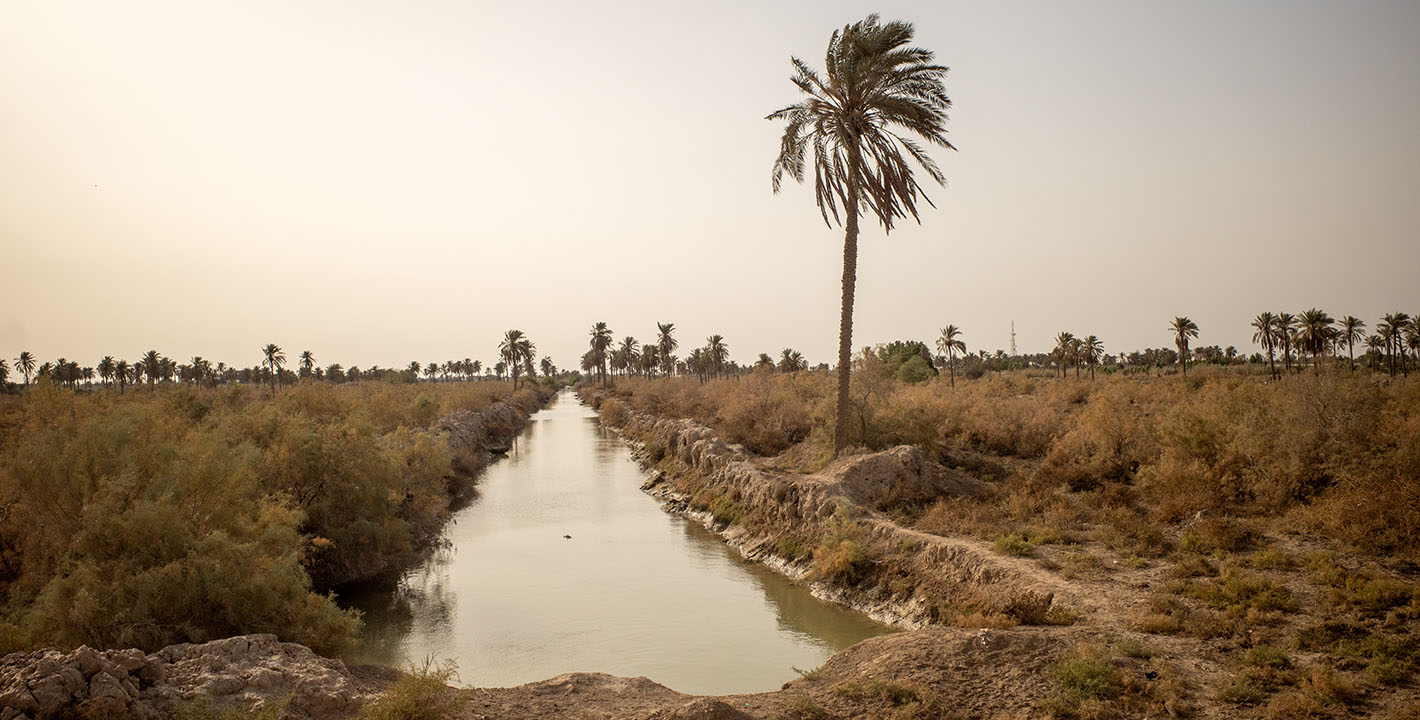
Across the Middle East and North Africa, climate stress interacts with economic fragility, governance failures, social marginalization, and conflict.

Camille Ammoun
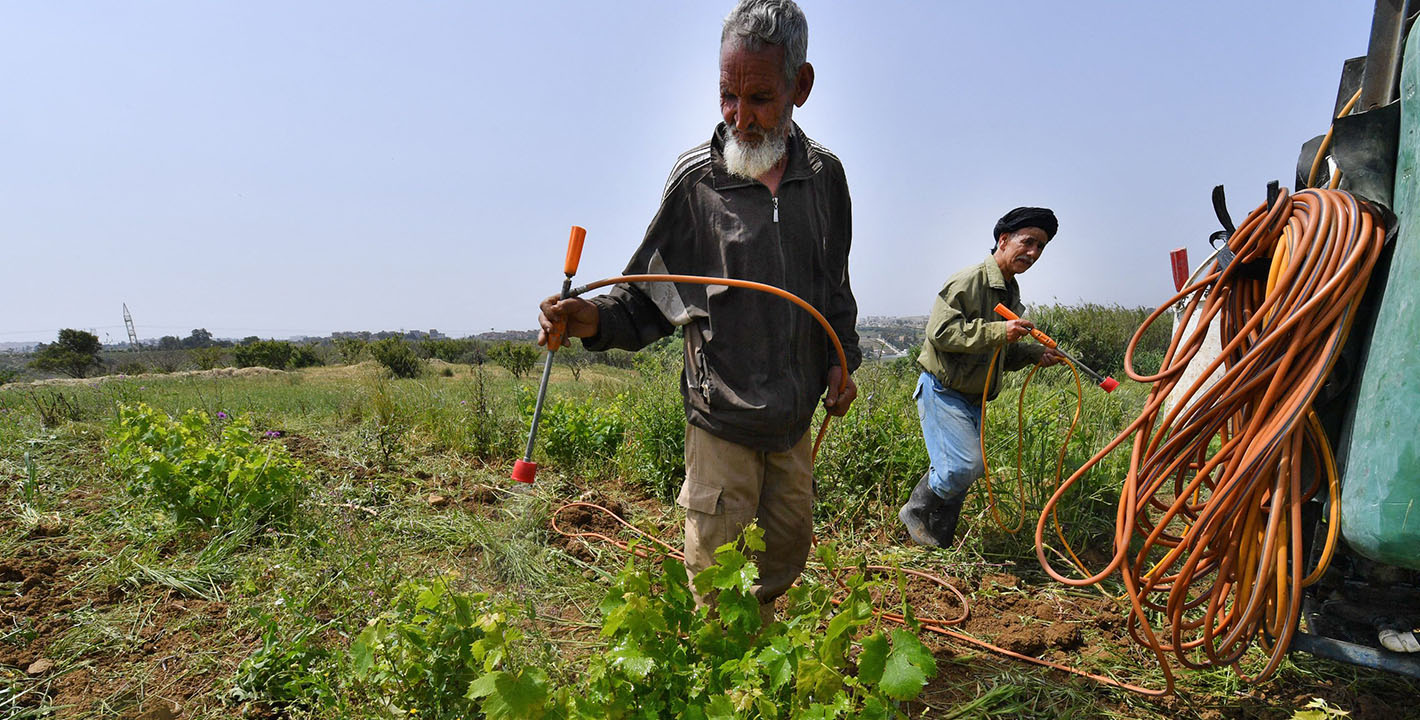
Understanding how farmers in the Oued Sahel-Soummam Valley grapple with climate change is essential for addressing the paradoxes through which adaptation, operating at both individual and institutional levels, deepens the region’s vulnerability and erodes the social fabric and agrarian identity that once defined life.

Ilyssa Yahmi
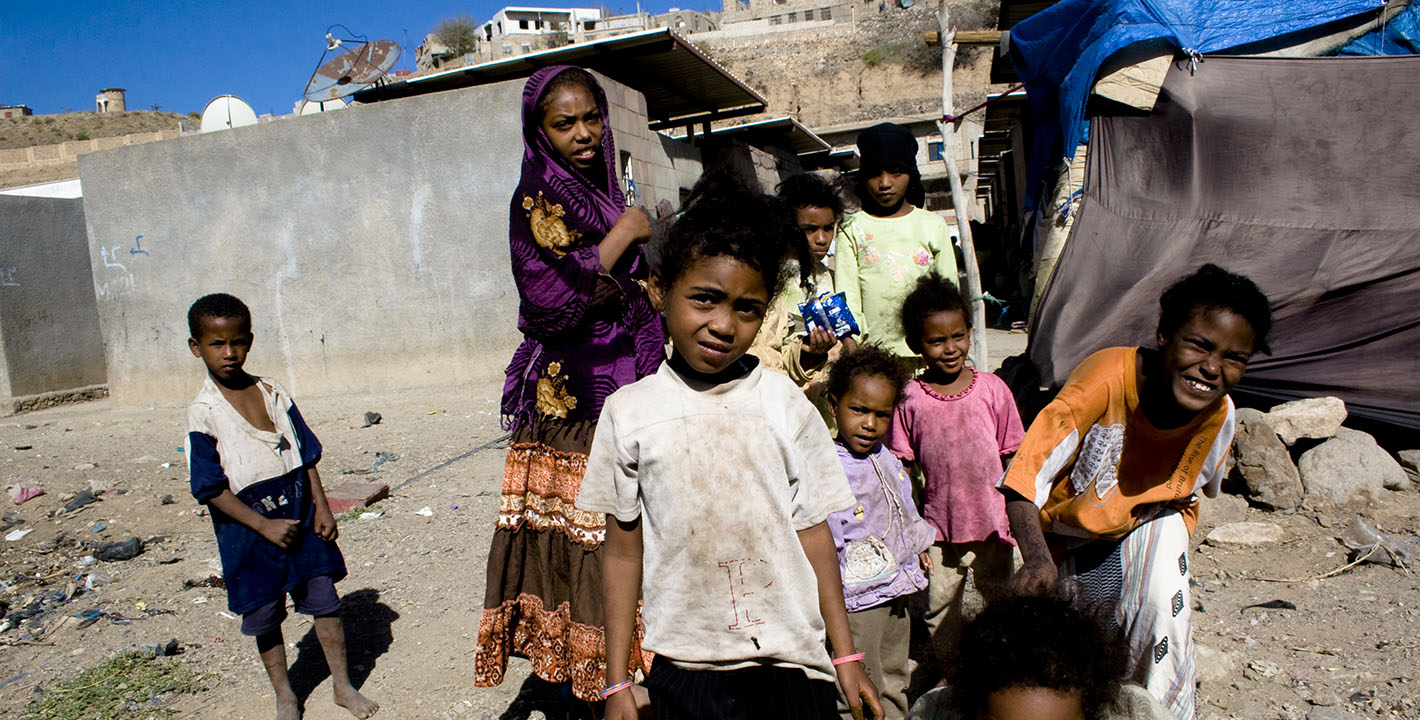
The community already suffers social discrimination, so addressing inequalities requires sustained interventions.
Musaed Aklan , Mohammad Al-Saidi
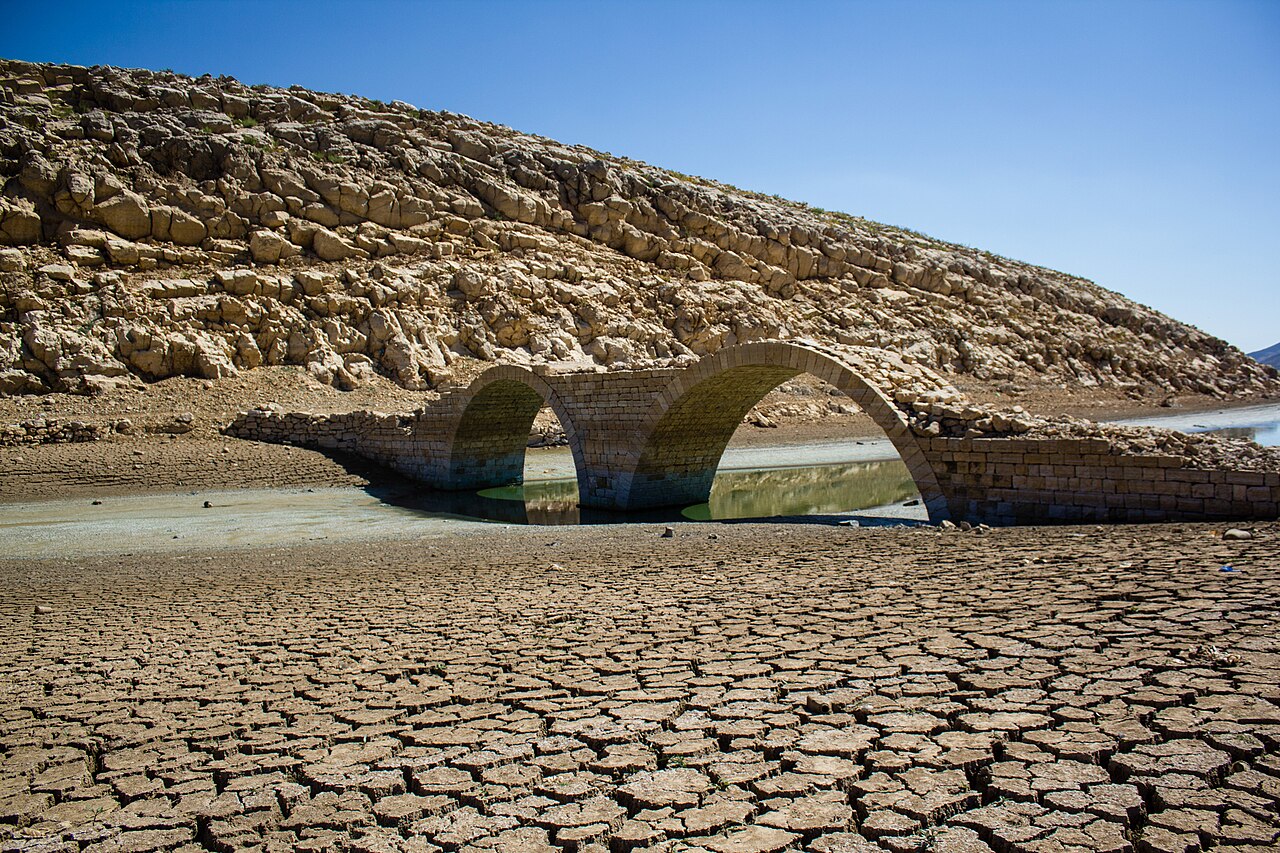
Lebanon’s largest water reservoir is a house of many mansions when it comes to converging failures.
Camille Ammoun