

Article
Marina Ottaway, Omar Hossino
{
  "authors": [
    "Marina Ottaway"
  ],
  "type": "legacyinthemedia",
  "centerAffiliationAll": "dc",
  "centers": [
    "Carnegie Endowment for International Peace"
  ],
  "collections": [],
  "englishNewsletterAll": "menaTransitions",
  "nonEnglishNewsletterAll": "",
  "primaryCenter": "Carnegie Endowment for International Peace",
  "programAffiliation": "MEP",
  "programs": [
    "Middle East"
  ],
  "projects": [],
  "regions": [
    "North America",
    "United States",
    "Middle East",
    "Iran",
    "Israel",
    "Iraq",
    "Lebanon",
    "Palestine",
    "Syria",
    "Qatar",
    "Saudi Arabia",
    "Yemen"
  ],
  "topics": [
    "Political Reform",
    "Democracy",
    "Security",
    "Foreign Policy"
  ]
}
Source: Getty
Arab regimes that have long been friendly to the United States are increasingly reluctant to follow Washington’s lead on any issue. They are not enemies of the United States, but they are not faithful allies, either. Rather, they follow the policies they believe best protect their interests, regardless of what the United States wants.
Source: Harvard International Review

Today the alignment of the Middle East is quite different, but not in the way the United States envisaged after the disappearance of the Soviet Union. The number of Arab governments truly antagonistic to the United States dwindled to almost none once Saddam Hussein was removed from power in early 2003 and Libya’s Muammar Qaddafi renounced the pursuit of nuclear weapons and turned to the West later that year. Even Syria and the Sudan would like to establish better ties to the United States. However, regimes that have long been friendly to the United States are increasingly reluctant to follow Washington’s lead on any issue. They are not enemies of the United States, but they are not faithful allies, either. Rather, they follow the policies they believe best protect their interests, regardless of what the United States wants.

Former Senior Associate, Middle East Program
Before joining the Endowment, Ottaway carried out research in Africa and in the Middle East for many years and taught at the University of Addis Ababa, the University of Zambia, the American University in Cairo, and the University of the Witwatersrand in South Africa.
Recent Work
Marina Ottaway, Omar Hossino
Marina Ottaway
Carnegie does not take institutional positions on public policy issues; the views represented herein are those of the author(s) and do not necessarily reflect the views of Carnegie, its staff, or its trustees.
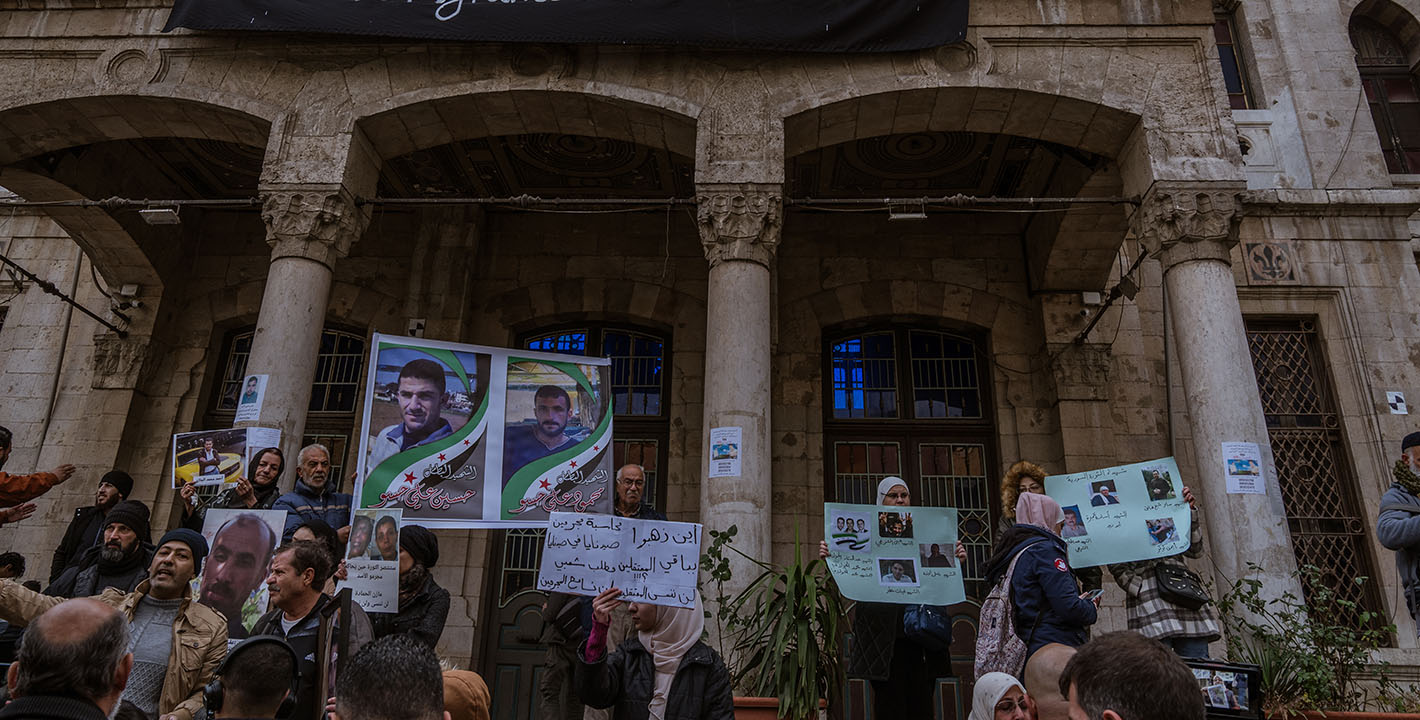
Reconciliation councils are emerging throughout the country to mediate in intracommunal disputes, many from the war years.
Natacha Danon
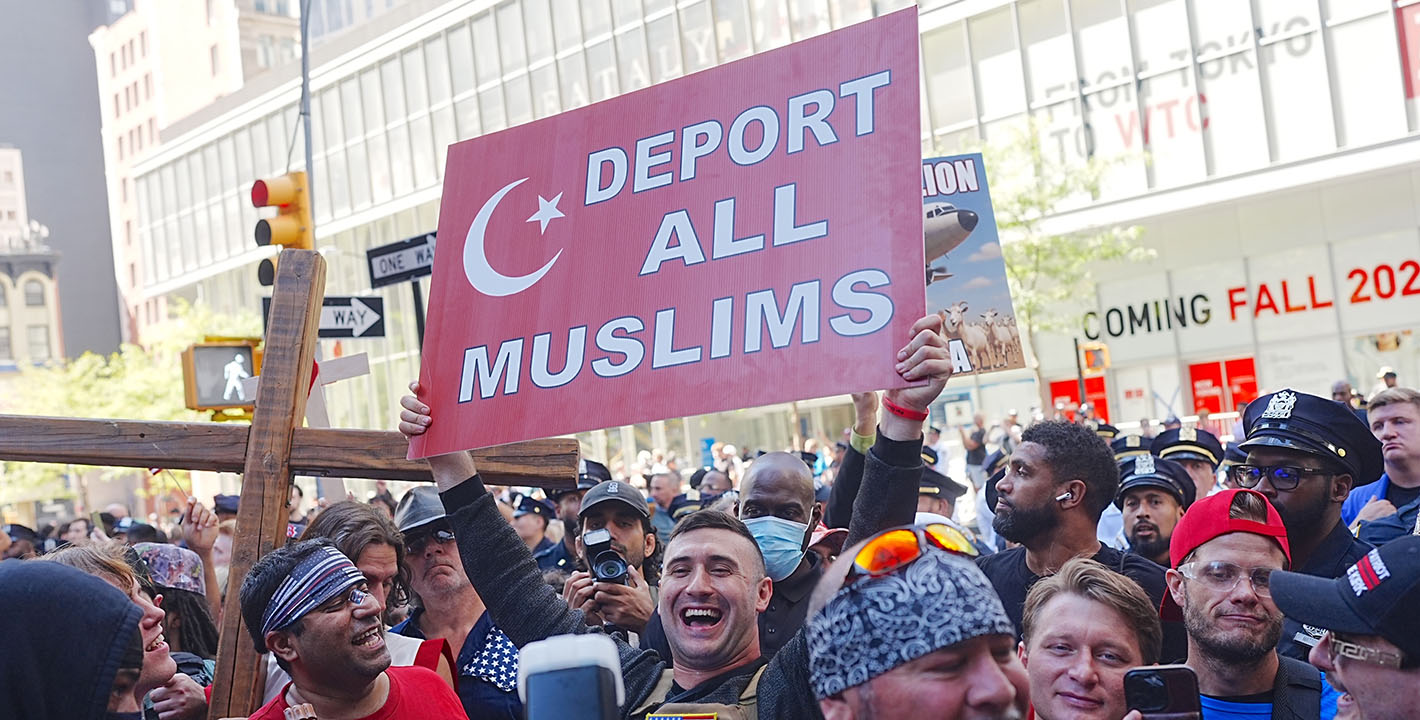
In an interview, Rozina Ali discusses her new book on the rise and manifestations of Islamophobia in the United States.

Michael Young
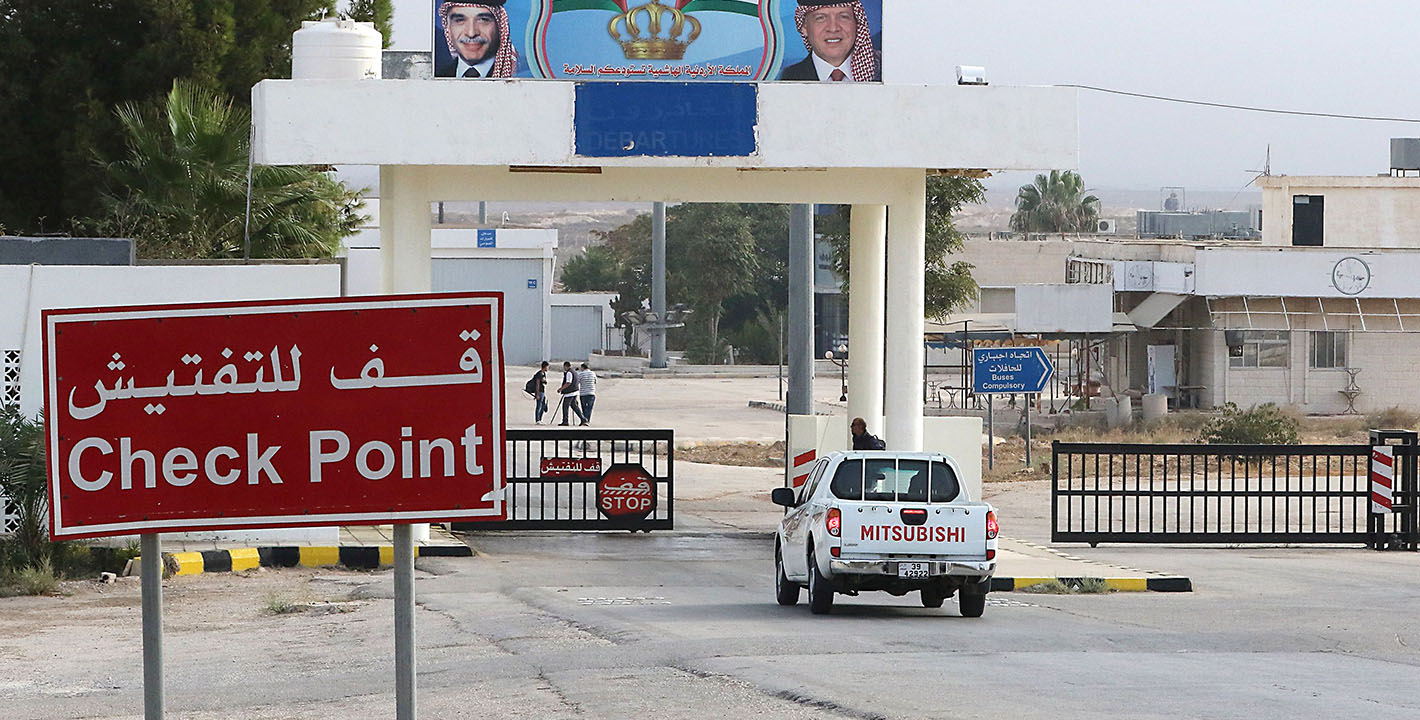
The civil war in Syria may have ended, but the country continues to serve as a source for the trafficking of illegal substances into and via Jordanian territory.

Armenak Tokmajyan, Laith Qerbaa
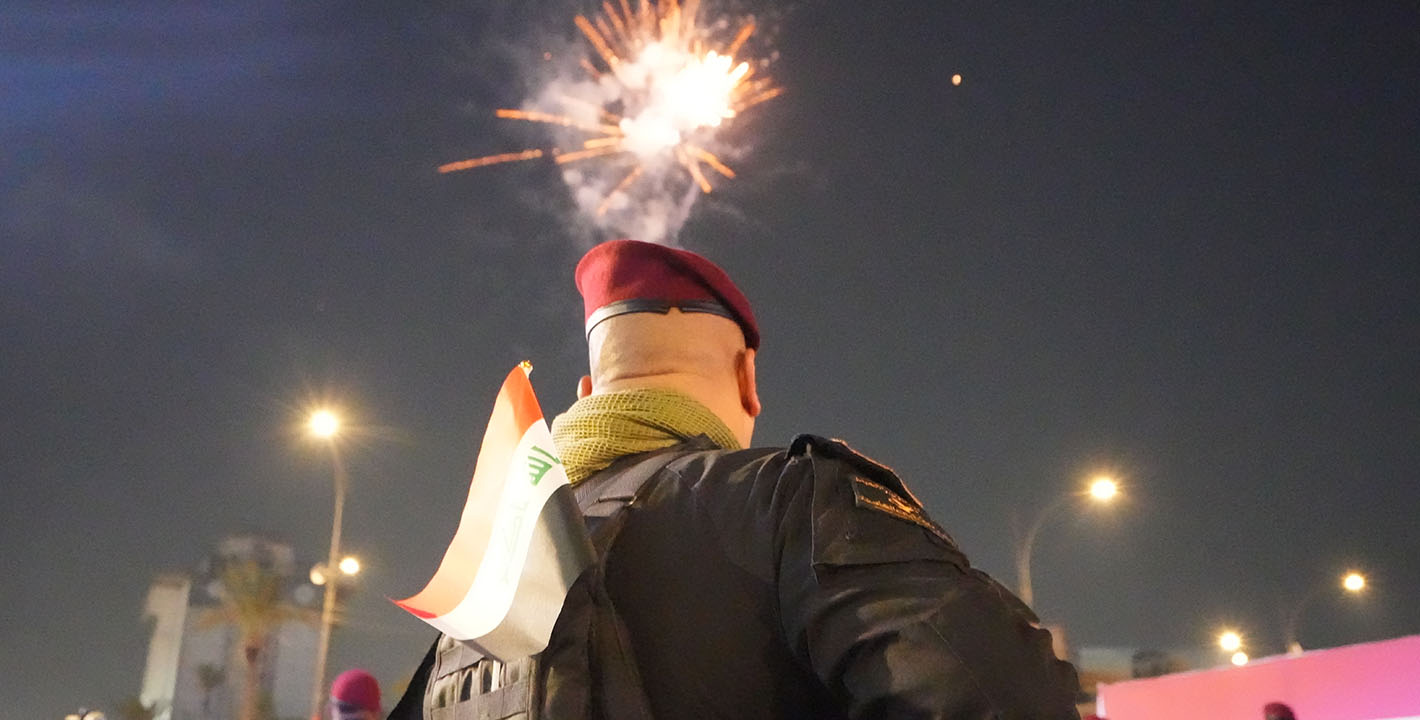
As the U.S.-led Coalition withdraws, the Kurds’ reliance on Baghdad, and on themselves, will only increase.
Wladimir van Wilgenburg

In an interview, Ian Lustick and Eli Clifton discuss their new book on why a prominent ally has so much influence in America.
Michael Young