

Article
Marina Ottaway, Omar Hossino
{
  "authors": [
    "Marina Ottaway"
  ],
  "type": "other",
  "centerAffiliationAll": "dc",
  "centers": [
    "Carnegie Endowment for International Peace",
    "Malcolm H. Kerr Carnegie Middle East Center"
  ],
  "collections": [],
  "englishNewsletterAll": "menaTransitions",
  "nonEnglishNewsletterAll": "",
  "primaryCenter": "Malcolm H. Kerr Carnegie Middle East Center",
  "programAffiliation": "MEP",
  "programs": [
    "Middle East"
  ],
  "projects": [],
  "regions": [
    "Middle East",
    "Iran",
    "Israel",
    "Türkiye",
    "Saudi Arabia",
    "Egypt",
    "Gulf",
    "Levant",
    "Maghreb"
  ],
  "topics": [
    "Political Reform",
    "Security",
    "Foreign Policy"
  ]
}
Source: Getty
President-elect Obama emphasizes the need for greater diplomacy and a willingness to engage with hostile regimes. This commitment to “return to diplomacy” will not be enough to end the deadlock in the Middle East. Obama should break from traditional U.S. posture and support peace initiatives originating with Arab countries.
During the campaign, President-elect Obama emphasized the need for greater diplomacy and a willingness to engage with hostile regimes. This commitment to “return to diplomacy” will not be enough to break the deadlock in the Middle East. Obama should break from traditional U.S. posture and support peace initiatives originating with Arab countries, urges a new paper by the director of the Carnegie Middle East Program.
Marina Ottaway explains that the United States lacks the legitimacy and capacity to monopolize leadership in the peace process. The new administration should signal its support for three key Arab undertakings: Syrian–Israeli negotiations under Turkish leadership, Hamas–Fatah talks brokered by Egypt, and the Arab–Israeli initiative most recently proposed by Saudi Arabia.
Key Conclusions:
Ottaway concludes:
“The new administration needs to rethink the U.S. role in the politics of the Middle East, abandon the assumption that it must be at the center of every initiative, build on what the regional countries are trying to do, and, in the process, encourage them to take more responsibility. At a time when American solutions appear deadlocked and the new president will have to concentrate his attention on the economy, sharing the burden provides a way forward.”
Former Senior Associate, Middle East Program
Before joining the Endowment, Ottaway carried out research in Africa and in the Middle East for many years and taught at the University of Addis Ababa, the University of Zambia, the American University in Cairo, and the University of the Witwatersrand in South Africa.
Recent Work
Marina Ottaway, Omar Hossino
Marina Ottaway
Carnegie does not take institutional positions on public policy issues; the views represented herein are those of the author(s) and do not necessarily reflect the views of Carnegie, its staff, or its trustees.
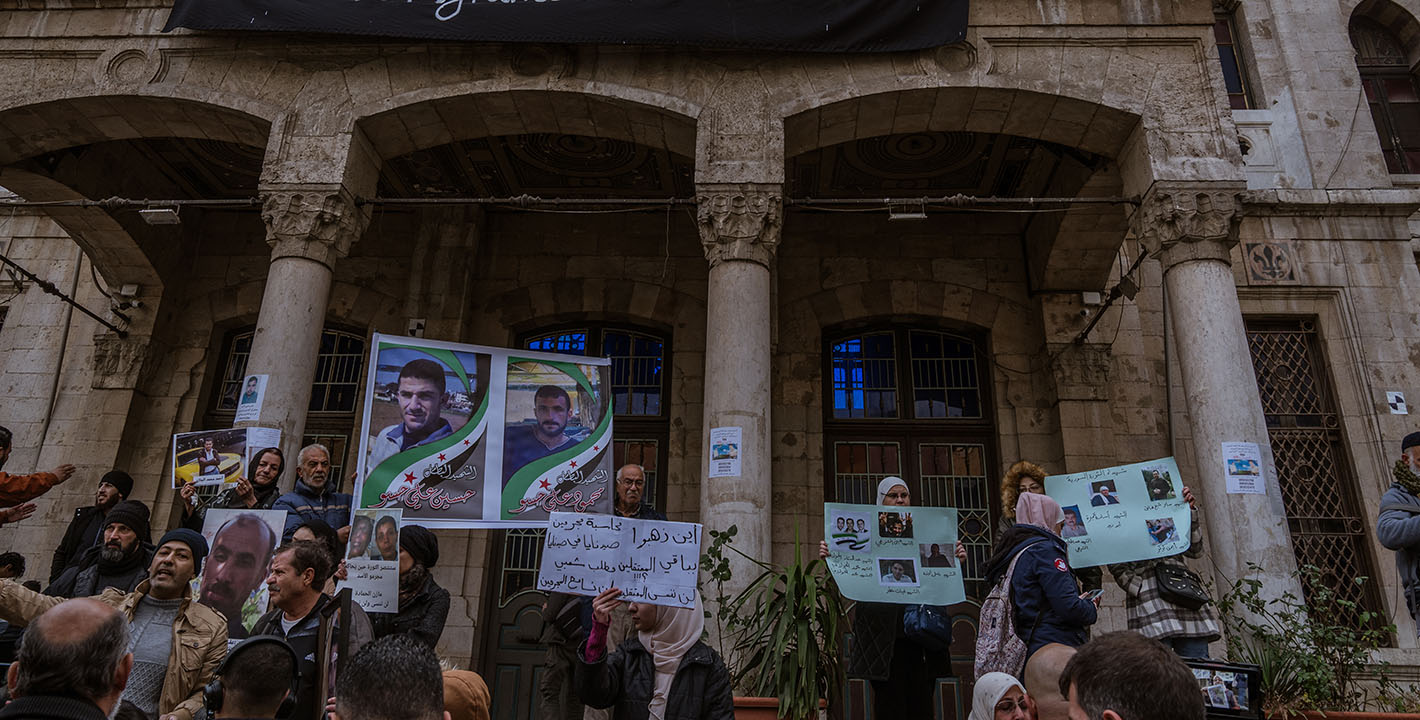
Reconciliation councils are emerging throughout the country to mediate in intracommunal disputes, many from the war years.
Natacha Danon
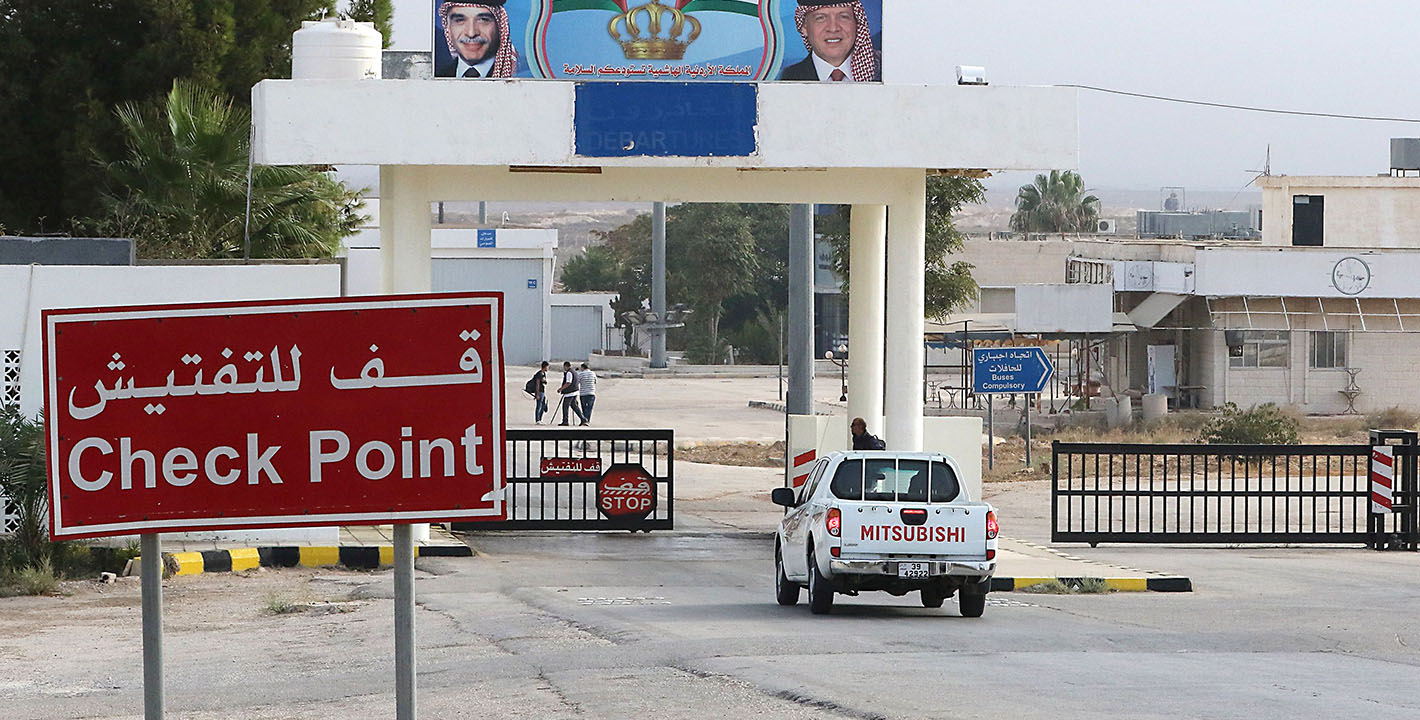
The civil war in Syria may have ended, but the country continues to serve as a source for the trafficking of illegal substances into and via Jordanian territory.

Armenak Tokmajyan, Laith Qerbaa
As the U.S.-led Coalition withdraws, the Kurds’ reliance on Baghdad, and on themselves, will only increase.
Wladimir van Wilgenburg

In an interview, Ian Lustick and Eli Clifton discuss their new book on why a prominent ally has so much influence in America.

Michael Young

As the U.S. stumbles in its war with Iran, we are likely to see an acceleration of its disengagement from the region.
Michael Young