

Commentary
Huawei pushed hard to enter the Egyptian data centers market, until the Americans made a better offer.
Angie Omar
{
  "authors": [
    "Deepti Choubey",
    "Paula D. Broadwell",
    "Laura S.H. Holgate"
  ],
  "type": "legacyinthemedia",
  "centerAffiliationAll": "dc",
  "centers": [
    "Carnegie Endowment for International Peace"
  ],
  "collections": [
    "U.S. Nuclear Policy"
  ],
  "englishNewsletterAll": "ctw",
  "nonEnglishNewsletterAll": "",
  "primaryCenter": "Carnegie Endowment for International Peace",
  "programAffiliation": "NPP",
  "programs": [
    "Nuclear Policy"
  ],
  "projects": [],
  "regions": [
    "North America",
    "United States"
  ],
  "topics": [
    "Political Reform",
    "Security",
    "Military"
  ]
}
Source: Getty
Women's leadership in international security is moving from the sidelines to center court, but the bench is not deep enough, and too many women are taking themselves out of the game. President-elect Obama’s administration should draw on the pool of talented women to bring fresh perspective to his international security team.
Source: US News & World Report

Women in International Security at the Center for Peace and Security Studies at Georgetown University examined the status of women working in leadership positions in international security institutions, including the United Nations and key agencies of the U.S. government. The study found that in the United States, as well as the international community at large, equal representation is not yet a reality. President-elect Obama’s administration should continue the positive trend it started with the appointment of Susan Rice and Hillary Clinton and draw on the large supply of talented women to bring fresh perspective to his international security team.
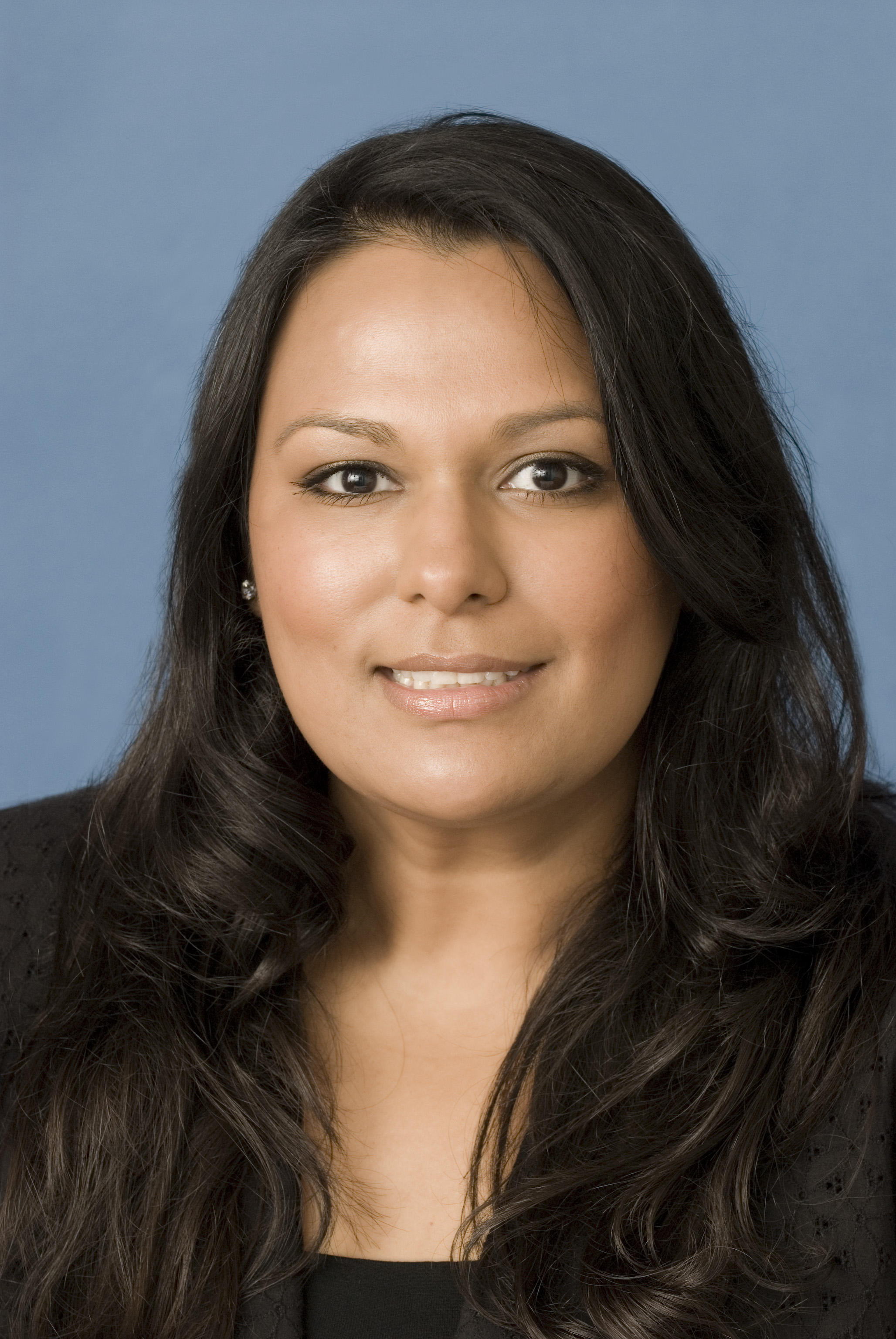
Former Deputy Director, Nuclear Policy Program
Choubey was previously the director of the Peace and Security Initiative for the Ploughshares Fund. She also worked for Ambassador Nancy Soderberg in the New York office of the International Crisis Group.
Paula D. Broadwell
Laura S.H. Holgate
Carnegie does not take institutional positions on public policy issues; the views represented herein are those of the author(s) and do not necessarily reflect the views of Carnegie, its staff, or its trustees.

Huawei pushed hard to enter the Egyptian data centers market, until the Americans made a better offer.

Angie Omar

Middle Eastern states should welcome an accelerated U.S. disengagement from their region.

Michael Young

In an interview, former ambassador Charles Freeman assesses the Trump administration’s war against Iran.
Michael Young

By failing to address Palestinian representation, the current process is bound to lead to just another temporary arrangement.

Nathan J. Brown

The armed forces champion a form of capitalism that is generating revenue, but its reliance on rent faces diminishing returns, leaving the country with massive sunk costs and deferred returns, deepening dependency on external borrowing.

Yezid Sayigh