

Article
Thomas Carothers
{
  "authors": [
    "Thomas Carothers"
  ],
  "type": "other",
  "centerAffiliationAll": "dc",
  "centers": [
    "Carnegie Endowment for International Peace",
    "Malcolm H. Kerr Carnegie Middle East Center"
  ],
  "collections": [
    "Democracy and Governance"
  ],
  "englishNewsletterAll": "democracy",
  "nonEnglishNewsletterAll": "",
  "primaryCenter": "Carnegie Endowment for International Peace",
  "programAffiliation": "DCG",
  "programs": [
    "Democracy, Conflict, and Governance"
  ],
  "projects": [],
  "regions": [
    "North America",
    "United States",
    "Egypt",
    "Gulf",
    "Levant",
    "Maghreb"
  ],
  "topics": [
    "Political Reform",
    "Democracy"
  ]
}
Source: Getty
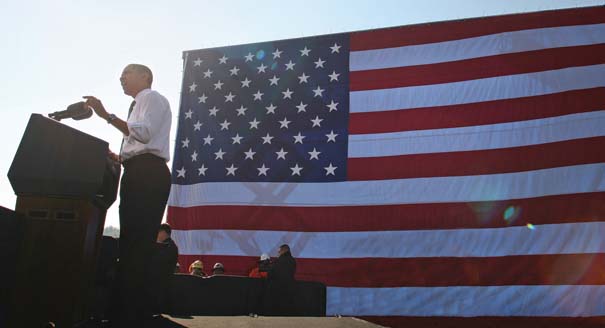
The Obama administration can find a positive new way forward on democracy promotion by changing how the United States supports democracy abroad rather than what emphasis to place on it relative to other interests.

By casting the war on terrorism as a global “freedom agenda,” yet cultivating close ties with autocratic regimes helpful on counterterrorism, he provoked justifiable charges of double standards. And by condoning U.S. abuses of the rule of law and human rights against persons caught in America’s antiterrorism net, he badly damaged America’s standing as a global symbol of democracy.
Some of President Obama’s initial actions offer a valuable start in a necessary process of dissociating the United States from this unfortunate legacy. Just by being elected, Obama sent a ringing signal to the world of the renewal
of American democracy and the power of the democratic idea.
His immediate order to close the Guantánamo Bay detention facility within a year and additional subsequent actions to reverse other legally problematic parts of the war on terrorism added momentum to the rejuvenation of America’s global democratic standing. His sober approach to Iraq—talking about it as a daunting policy challenge rather than as a shining example of U.S. democracy promotion—halts a long, painful delegitimization of the democracy promotion concept. His expressed openness to diplomatic engagement with hostile governments has put the regime-change line to rest.
Key Conclusions

Harvey V. Fineberg Chair for Democracy Studies; Senior Fellow, Democracy, Conflict, and Governance Program
Thomas Carothers, a senior fellow in the Carnegie Endowment for International Peace’s Democracy, Conflict, and Governance Program, is a leading expert on comparative democratization and international support for democracy.
Recent Work
Thomas Carothers
Thomas Carothers
Carnegie does not take institutional positions on public policy issues; the views represented herein are those of the author(s) and do not necessarily reflect the views of Carnegie, its staff, or its trustees.
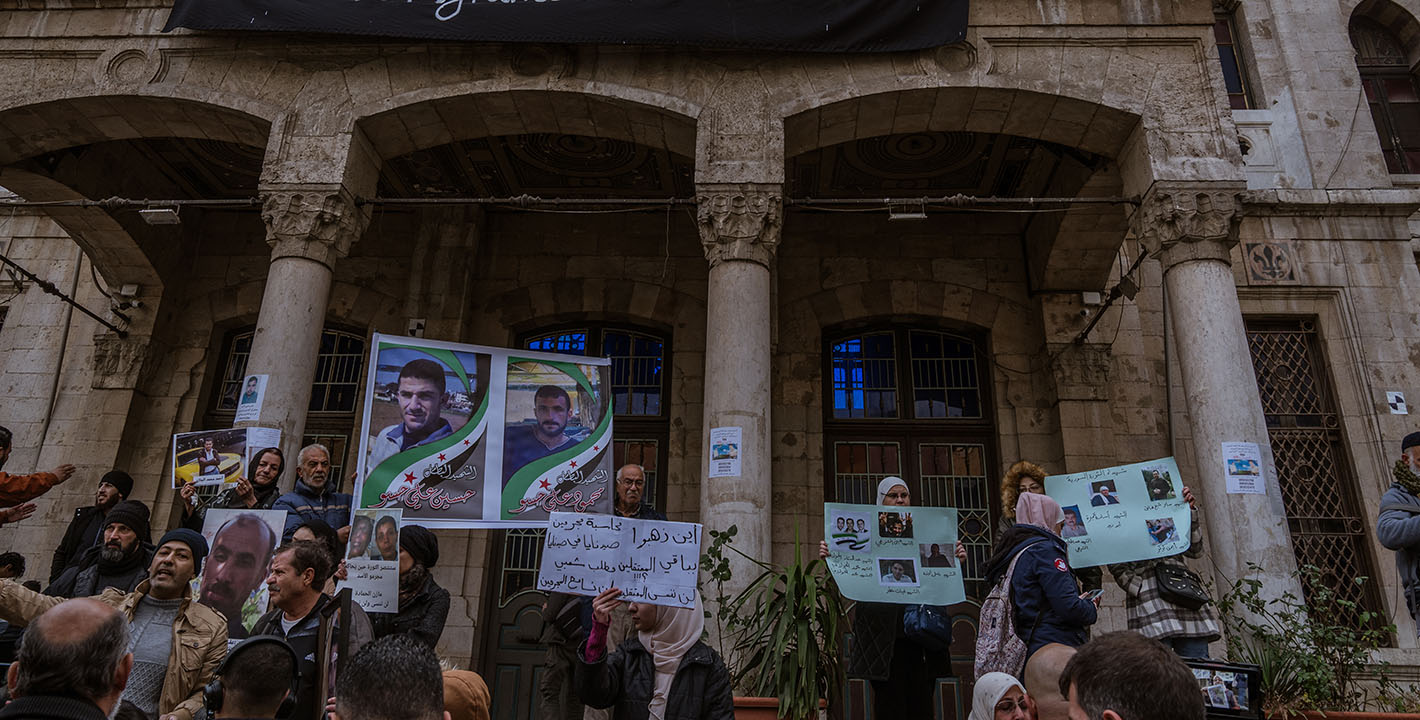
Reconciliation councils are emerging throughout the country to mediate in intracommunal disputes, many from the war years.
Natacha Danon

In an interview, Rozina Ali discusses her new book on the rise and manifestations of Islamophobia in the United States.

Michael Young
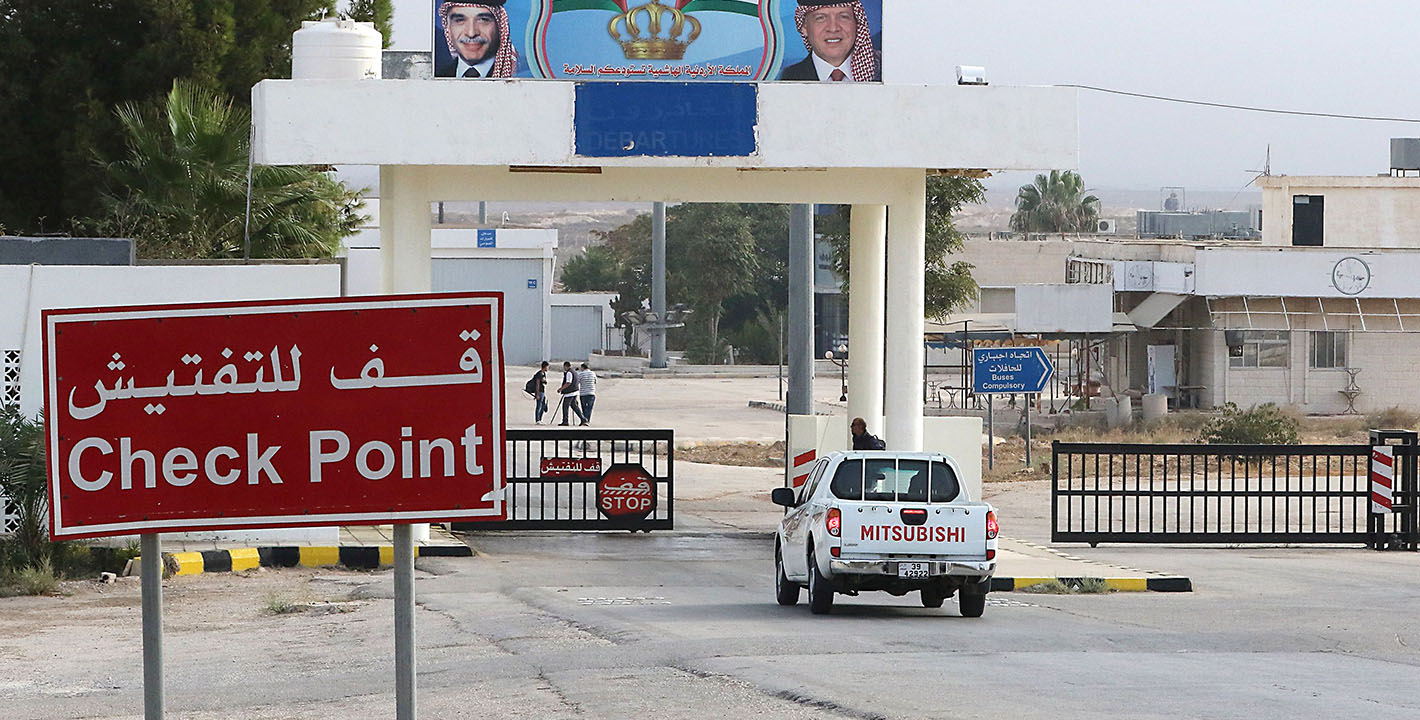
The civil war in Syria may have ended, but the country continues to serve as a source for the trafficking of illegal substances into and via Jordanian territory.

Armenak Tokmajyan, Laith Qerbaa
As the U.S.-led Coalition withdraws, the Kurds’ reliance on Baghdad, and on themselves, will only increase.
Wladimir van Wilgenburg

In an interview, Ian Lustick and Eli Clifton discuss their new book on why a prominent ally has so much influence in America.
Michael Young