• Research
  • Diwan
  • About
  • Experts
Carnegie Middle East logoCarnegie lettermark logo
LebanonIran
{
  "authors": [
    "Shahram Chubin"
  ],
  "type": "legacyinthemedia",
  "centerAffiliationAll": "dc",
  "centers": [
    "Carnegie Endowment for International Peace"
  ],
  "collections": [],
  "englishNewsletterAll": "ctw",
  "nonEnglishNewsletterAll": "",
  "primaryCenter": "Carnegie Endowment for International Peace",
  "programAffiliation": "NPP",
  "programs": [
    "Nuclear Policy"
  ],
  "projects": [],
  "regions": [
    "Middle East",
    "Iran"
  ],
  "topics": [
    "Security",
    "Foreign Policy",
    "Nuclear Policy",
    "Nuclear Energy"
  ]
}
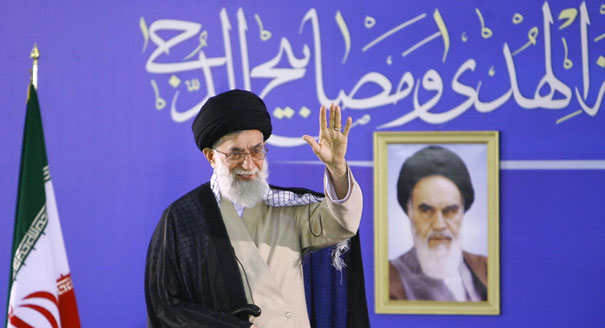
Source: Getty

In The Media

Iran's Power in Context

Depicting Iran as a military threat obscures the real political threat it poses in the Middle East. It is precisely Iran's political behaviour and goals that underlay concerns about its nuclear ambitions.

Link Copied
By Shahram Chubin
Published on Feb 1, 2009

Source: Survival

Iran-US relations – strained at the best of times since the 1979 Iranian revolution – have never been worse than during the past six years, due to the much more intense interaction between the two states since the revelations about Iran's nuclear ambitions and the United States' invasion of Iraq. The United States sees Iran as a potential strategic rival, while Tehran views the American presence in the Middle East as a potential existential threat. This has led to zero-sum thinking and has raised the stakes correspondingly. In the process there has been an inflation of the Iranian threat, which is poorly understood and often exaggerated. Depicting Iran as a military threat obscures the real political threat the country poses to its region; Iran's regional behaviour has been neglected and overshadowed by the contentious nuclear issue. However, it is precisely Iran's behaviour and goals which feed concerns about its nuclear ambitions.

About the Author

Shahram Chubin

Former Nonresident Senior Fellow, Nuclear Policy Program

Chubin, who is based in Geneva, focuses his research on nonproliferation, terrorism, and Middle East security issues. He was director of studies at the Geneva Centre for Security Policy, Switzerland, from 1996 to 2009.

    Recent Work

  • In The Media
    Iran and the P5+1 in Moscow: Time is Running Out (Again)

      Shahram Chubin

  • In The Media
    The Revolution in Cairo is a Serious Warning for the Mullahs

      Shahram Chubin

Shahram Chubin
Former Nonresident Senior Fellow, Nuclear Policy Program
SecurityForeign PolicyNuclear PolicyNuclear EnergyMiddle EastIran

Carnegie does not take institutional positions on public policy issues; the views represented herein are those of the author(s) and do not necessarily reflect the views of Carnegie, its staff, or its trustees.
More Work from Malcolm H. Kerr Carnegie Middle East Center

  • Commentary
    Diwan
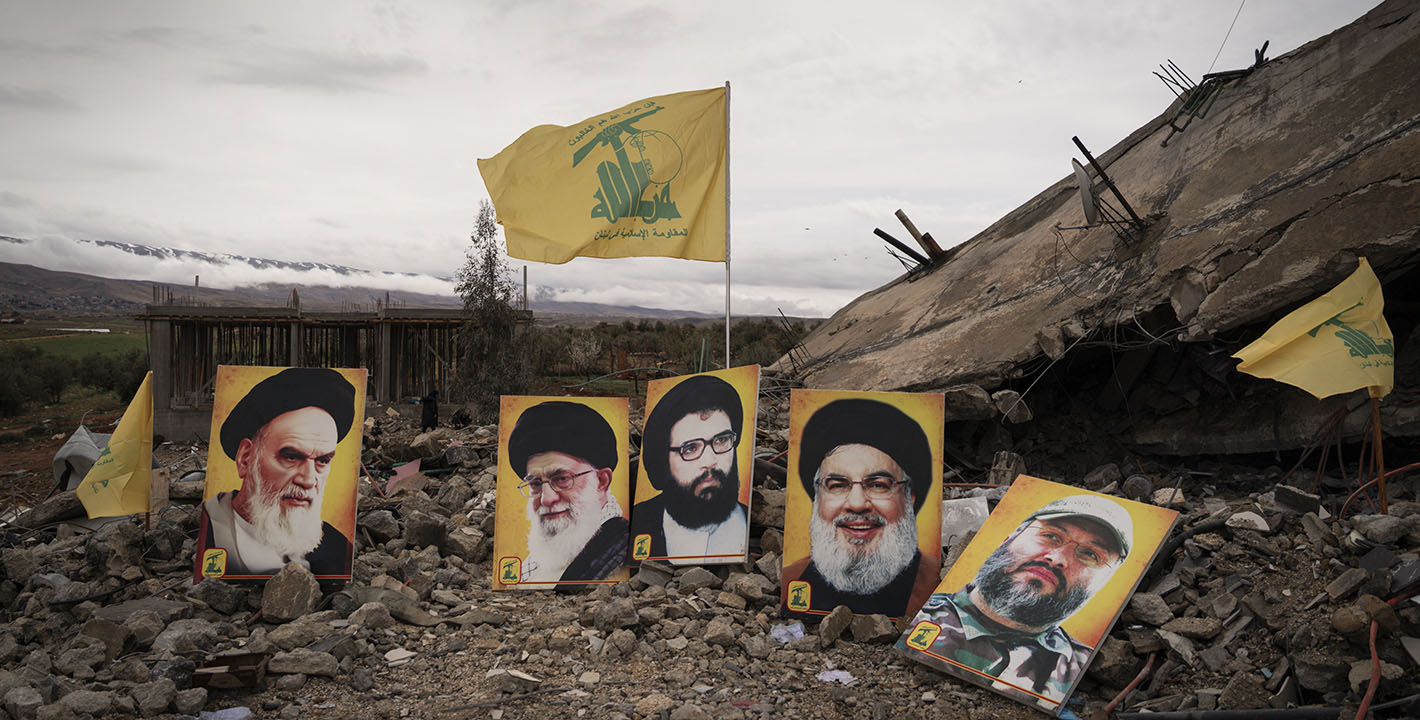
    Hezbollah’s Wartime Strategy

    The party’s objectives involve tying together the Lebanese and Iranian fronts, while surviving militarily and politically at home. 

      Mohamad Fawaz
  • Commentary
    Diwan
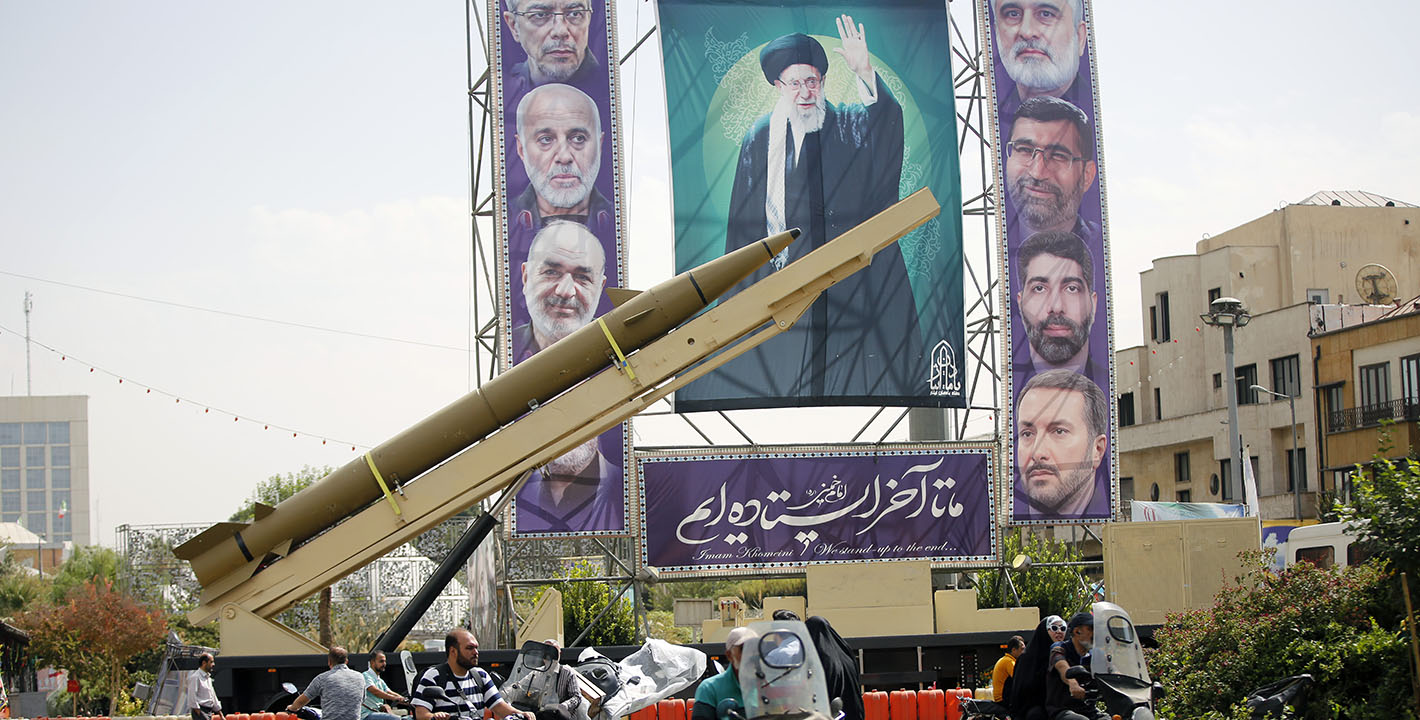
    Iran Rewrites Its War Strategy

    In an interview, Hamidreza Azizi discusses how Tehran has adapted in real time to the conflict with the United States and Israel.

      Michael Young
  • Commentary
    Diwan
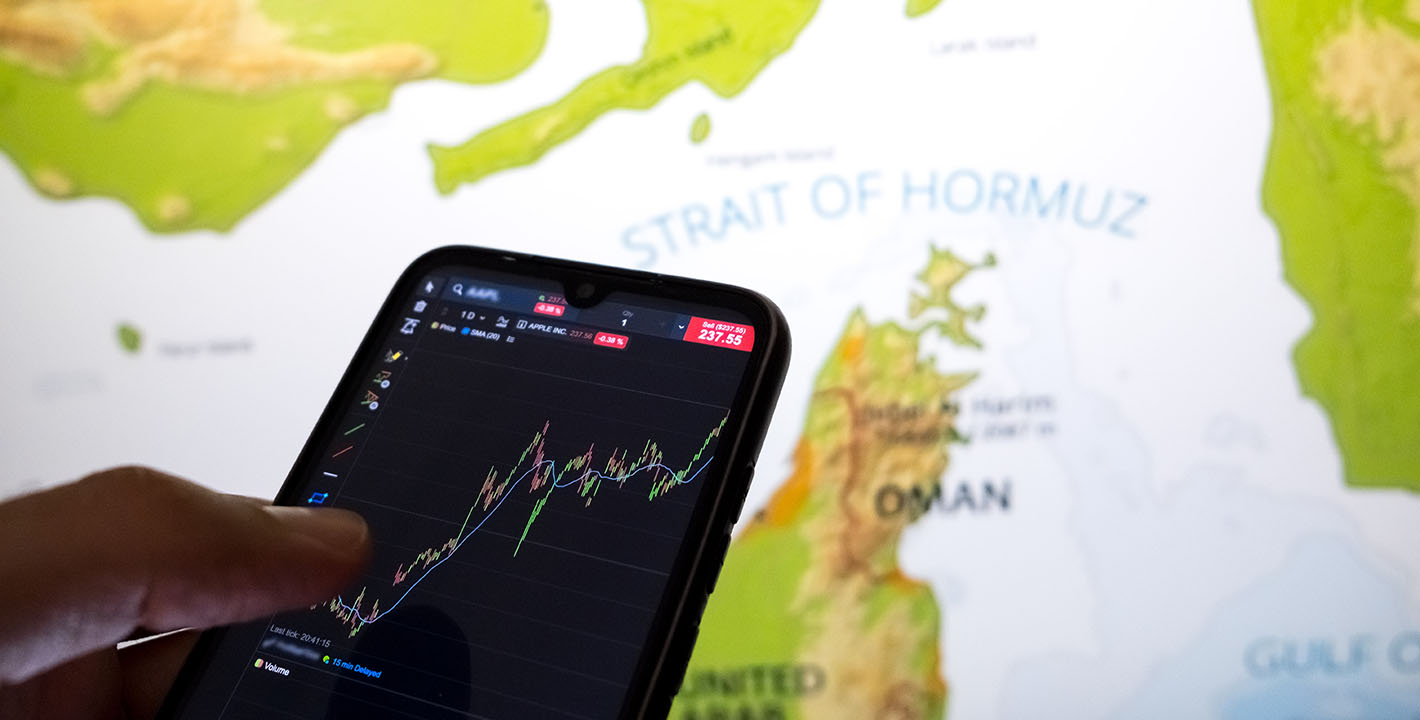
    What Does the Strait of Hormuz’s Closure Mean?

    In an interview, Roger Diwan discusses where the global economy may be going in the third week of the U.S.-Israeli war with Iran.
      Nur Arafeh
  • Commentary
    Diwan
    Tehran’s Easy Targets

    In an interview, Andrew Leber discusses the impact the U.S. and Israeli war against Iran is having on Arab Gulf states.

      Michael Young
  • Commentary
    Diwan
    The Gulf Conflict and the South Caucasus

    In an interview, Sergei Melkonian discusses Armenia’s and Azerbaijan’s careful balancing act among the United States, Israel, and Iran.

      Armenak Tokmajyan

Get more news and analysis from
Malcolm H. Kerr Carnegie Middle East Center
Carnegie Middle East logo, white
  • Research
  • Diwan
  • About
  • Experts
  • Projects
  • Events
  • Contact
  • Careers
  • Privacy
  • For Media
Get more news and analysis from
Malcolm H. Kerr Carnegie Middle East Center
© 2026 Carnegie Endowment for International Peace. All rights reserved.