• Research
  • Diwan
  • About
  • Experts
Carnegie Middle East logoCarnegie lettermark logo
LebanonIran
{
  "authors": [
    "David Rothkopf"
  ],
  "type": "testimony",
  "centerAffiliationAll": "",
  "centers": [
    "Carnegie Endowment for International Peace"
  ],
  "collections": [],
  "englishNewsletterAll": "",
  "nonEnglishNewsletterAll": "",
  "primaryCenter": "Carnegie Endowment for International Peace",
  "programAffiliation": "",
  "programs": [],
  "projects": [],
  "regions": [
    "North America",
    "United States"
  ],
  "topics": [
    "Security",
    "Military",
    "Economy",
    "Foreign Policy"
  ]
}
Source: Getty

Testimony

A World Transformed: The Great Hollowing Out and the Rise of New Threats

The turmoil of the global economic crisis will beget political turmoil, posing a range of security threats that the U.S. must address carefully and pointedly.

Link Copied
By David Rothkopf
Published on Mar 12, 2009

Source: House Armed Services Committee Hearing

While it is still too early to determine for how long the economic dimensions of the global downturn will continue to challenge leaders and populations worldwide, it is already clear that economic turmoil will inevitably beget political turmoil. In testimony before the House Armed Services Committee, David Rothkopf explained how to look at the different ways that the crisis is likely to impact geopolitics and U.S. national security interests. He presented a taxonomy of threats followed by examples of specific flashpoints around the world.

Rothkopf outlined a range of dire forecasts for the global economy, then elaborated on the ways the crisis will drive destabilization on national, regional, and global scales. Ultimately, the destabilizing effects of the crisis will spark geopolitical tensions with far-reaching impacts. He stressed that the U.S. must choose its priorities carefully and address the most critical issues first.

 The greatest threats associated with the crisis include:

  • The economic and political constraints placed on the United States
     
  • The economic and political constraints placed on the EU, China and other potentially stabilizing actors
     
  • The crisis of confidence in institutions worldwide, and the threats to the international system
     
  • The exacerbation of critical threats associated with proliferation of weapons of mass destruction
     
  • The consequences of protracted crisis for the world’s weakest states
     
  • The threats to weak and weakened states directly impacting U.S. national interests

To address these threats, Rothkopf offered a set of recommendations that could minimize the national security risks posed by the crisis.

Key recommendations for U.S. policy:
  • Be strategic about marshalling and maintaining U.S. Resources (exercise fiscal restraint and rethink defense budgeting)
     
  • Maximize the means of leveraging U.S. power (maintaining critical institutions and alliances)
     
  • Lead a coordinated, proactive global effort to reduce, eliminate or contain threats (beginning with economic threats)
     
  • Maintain a credible deterrent against bad actors
     
  • Recognize the likelihood of crises emerging beyond the Iraq and Afghanistan-Pakistan conflicts that currently preoccupy the U.S.
     
  • Fight the temptation to turn inward at home and abroad

About the Author

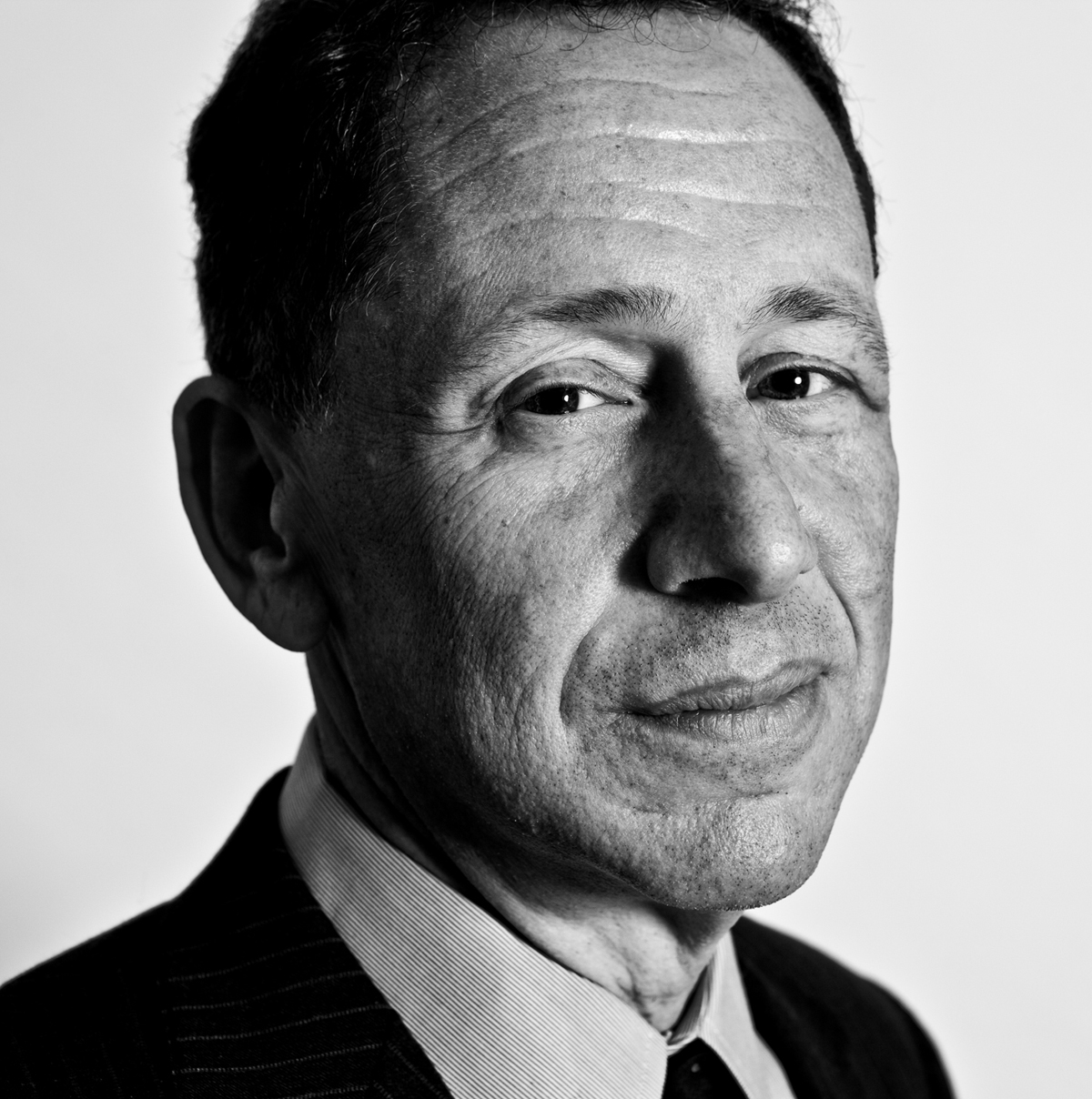
David Rothkopf

Former Visiting Scholar

David Rothkopf was a visiting scholar at the Carnegie Endowment as well as the former CEO and editor in chief of the FP Group.

    Recent Work

  • In The Media
    How Bush, Obama, and Trump Ended Pax Americana

      David Rothkopf

  • In The Media
    A Bigger Clubhouse

      David Rothkopf

David Rothkopf
Former Visiting Scholar
David Rothkopf
SecurityMilitaryEconomyForeign PolicyNorth AmericaUnited States

Carnegie does not take institutional positions on public policy issues; the views represented herein are those of the author(s) and do not necessarily reflect the views of Carnegie, its staff, or its trustees.

More Work from Malcolm H. Kerr Carnegie Middle East Center

  • Commentary
    Diwan
    What Does the Strait of Hormuz’s Closure Mean?

    In an interview, Roger Diwan discusses where the global economy may be going in the third week of the U.S.-Israeli war with Iran.

      Nur Arafeh

  • Commentary
    Diwan
    Tehran’s Easy Targets

    In an interview, Andrew Leber discusses the impact the U.S. and Israeli war against Iran is having on Arab Gulf states.

      Michael Young

  • Commentary
    Diwan
    The Gulf Conflict and the South Caucasus

    In an interview, Sergei Melkonian discusses Armenia’s and Azerbaijan’s careful balancing act among the United States, Israel, and Iran.

      Armenak Tokmajyan

  • Commentary
    Diwan
    Syria Skirts the Conflict With Iran

    In an interview, Kheder Khaddour  explains that Damascus is trying to stabilize its borders, but avoiding war isn’t guaranteed. 

      Michael Young

  • Commentary
    Diwan
    Israel’s Forever Wars

    The country’s strategy is no longer focused on deterrence and diplomacy, it’s about dominance and degradation.

      Nathan J. Brown

Get more news and analysis from
Malcolm H. Kerr Carnegie Middle East Center
Carnegie Middle East logo, white
  • Research
  • Diwan
  • About
  • Experts
  • Projects
  • Events
  • Contact
  • Careers
  • Privacy
  • For Media
Get more news and analysis from
Malcolm H. Kerr Carnegie Middle East Center
© 2026 Carnegie Endowment for International Peace. All rights reserved.




