

Article
Pierre Goldschmidt
{
  "authors": [
    "Pierre Goldschmidt"
  ],
  "type": "other",
  "centerAffiliationAll": "dc",
  "centers": [
    "Carnegie Endowment for International Peace"
  ],
  "collections": [],
  "englishNewsletterAll": "ctw",
  "nonEnglishNewsletterAll": "",
  "primaryCenter": "Carnegie Endowment for International Peace",
  "programAffiliation": "NPP",
  "programs": [
    "Nuclear Policy"
  ],
  "projects": [],
  "regions": [
    "Middle East",
    "Iran"
  ],
  "topics": [
    "Military",
    "Foreign Policy",
    "Nuclear Policy"
  ]
}
REQUIRED IMAGE
Source: Carnegie Endowment
In a new Carnegie Policy Outlook, Pierre Goldschmidt, former Deputy Director General of the International Atomic Energy Agency (IAEA), calls for the United Nations Security Council to adopt a generic and binding resolution that would automatically authorize three steps if a state is found in non-compliance by the IAEA. In this web-only publication, The Urgent Need to Strengthen the Nuclear Non-Proliferation Regime, Goldschmidt’s argument follows Iran’s announcement this morning that it will resume its nuclear research program and conduct experiments with nuclear fuel.
Goldschmidt makes the case it is waning political will that hinders the IAEA. The fault, he warns, is an international community that has failed to strengthen the authority of the IAEA to exercise its improved capacity precisely when a state has been found to be in non-compliance.
This is a web-only publication.
Click on the link above for the full text of this Carnegie publication.
About the Author
Pierre Goldschmidt is former Deputy Director General of the IAEA and currently a visiting scholar at the Carnegie Endowment for International Peace. He is based in Brussels.
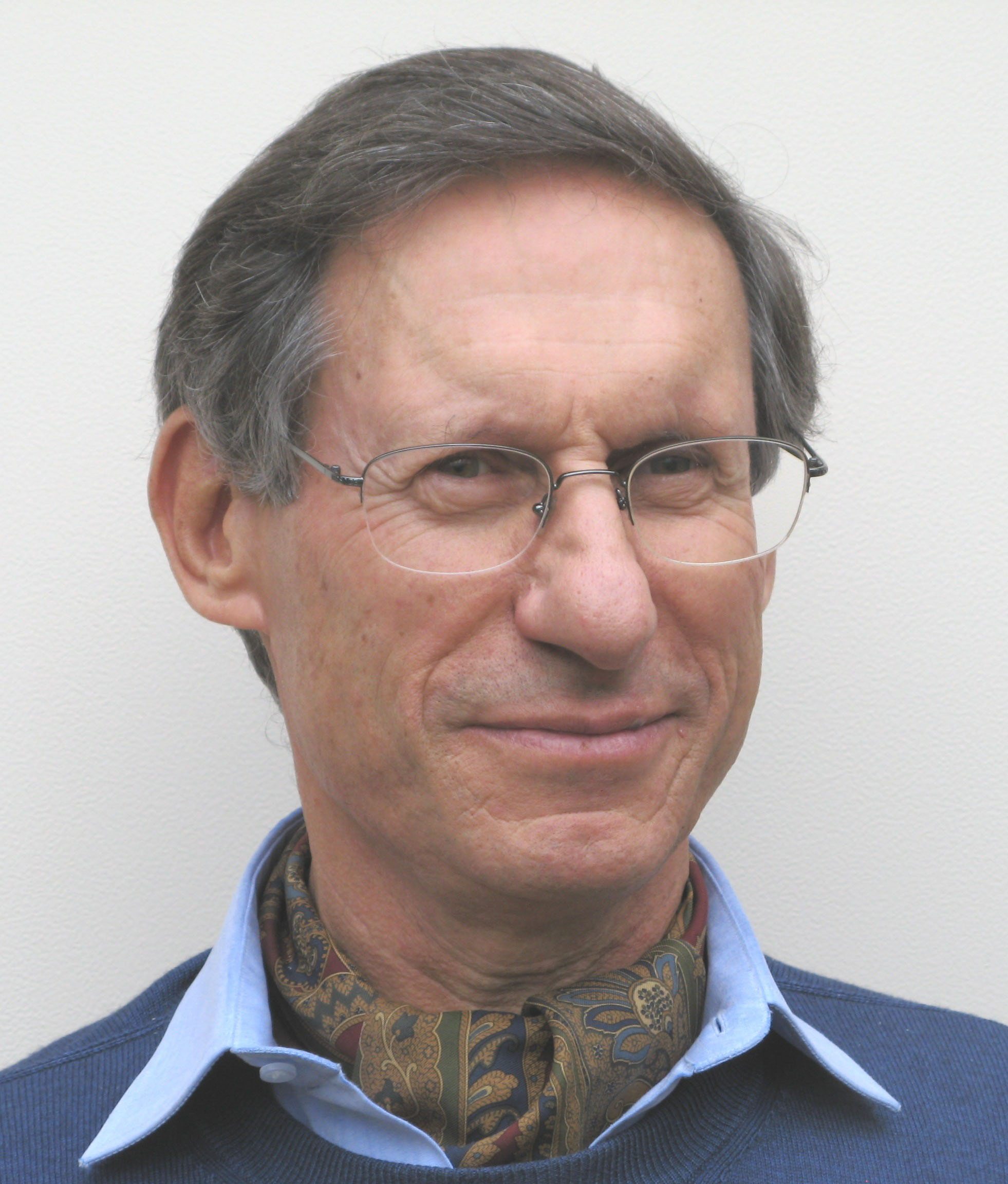
Former Nonresident Senior Associate, Nuclear Policy Program
Goldschmidt was a nonresident senior associate at the Carnegie Endowment.
Recent Work
Pierre Goldschmidt
Pierre Goldschmidt
Carnegie does not take institutional positions on public policy issues; the views represented herein are those of the author(s) and do not necessarily reflect the views of Carnegie, its staff, or its trustees.
This will be the region’s most representative tournament, amid broad changes in its footballing landscape.

Issam Kayssi
In an interview, Marc Lynch discusses his new book decrying the post-1990 U.S.-dominated order in the Middle East.

Michael Young

Because perpetual conflict enhances control, offers economic benefits, and allows leaders to ignore popular preferences.

Angie Omar
In an interview, Jim Lamson discusses the ongoing regional conflict and sees an unclear picture when it comes to winners and losers.
Michael Young
Cairo’s efforts send a message to the United States and the region that it still has a place at the diplomatic table.
Angie Omar