

Q&A
Christopher Boucek
{
  "authors": [
    "Christopher Boucek"
  ],
  "type": "legacyinthemedia",
  "centerAffiliationAll": "dc",
  "centers": [
    "Carnegie Endowment for International Peace"
  ],
  "collections": [],
  "englishNewsletterAll": "menaTransitions",
  "nonEnglishNewsletterAll": "",
  "primaryCenter": "Carnegie Endowment for International Peace",
  "programAffiliation": "MEP",
  "programs": [
    "Middle East"
  ],
  "projects": [],
  "regions": [
    "Yemen"
  ],
  "topics": [
    "Political Reform",
    "Security"
  ]
}
Source: Getty
The increasing instability in Yemen has raised concern in the international community. A failed Yemeni state could serve as a perfect safe haven for Al-Qaeda, particularly because Yemen does not possess the resources to combat these type of organizations.
Source: BBC's Analysis

Of most interest to the international community is the looming threat of an Al-Qaeda resurgence in the country. Unfortunately, Yemen does not have the capacity to fight Al-Qaeda like Saudi Arabia. “The Saudis were able to drive a wedge between the public and the extremists and demonstrate that the extremists were not thinking in the people’s interest. The Saudi’s were able to do that because they have a strong central government and a very rich government with resources, legitimacy and religious credibility. We do not see any of these things in Yemen,” remarks Boucek.
With the overall crisis in Yemen continuing to metastasize, the international community is beginning to pay more attention and American security officials discuss Yemen as a major area of concern. However, “at the same time, no administration in the last 50 years has had as many problems to deal with,” noted Boucek. “Yemen is down on the list of action items for most governments."
Former Associate, Middle East Program
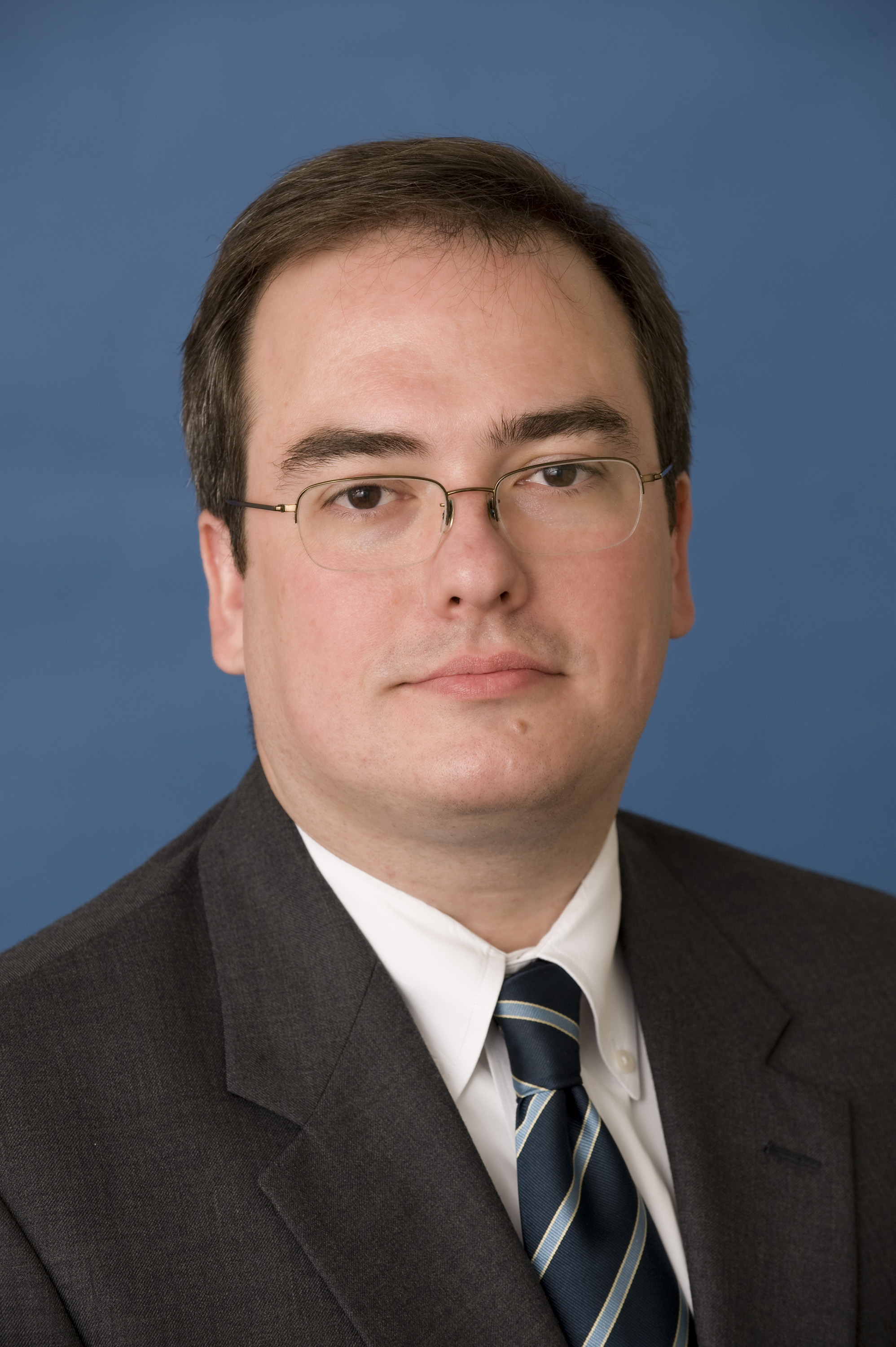
Boucek was an associate in the Carnegie Middle East Program where his research focused on security challenges in the Arabian Peninsula and Northern Africa.
Recent Work
Christopher Boucek

Christopher Boucek, Karim Sadjadpour
Carnegie does not take institutional positions on public policy issues; the views represented herein are those of the author(s) and do not necessarily reflect the views of Carnegie, its staff, or its trustees.
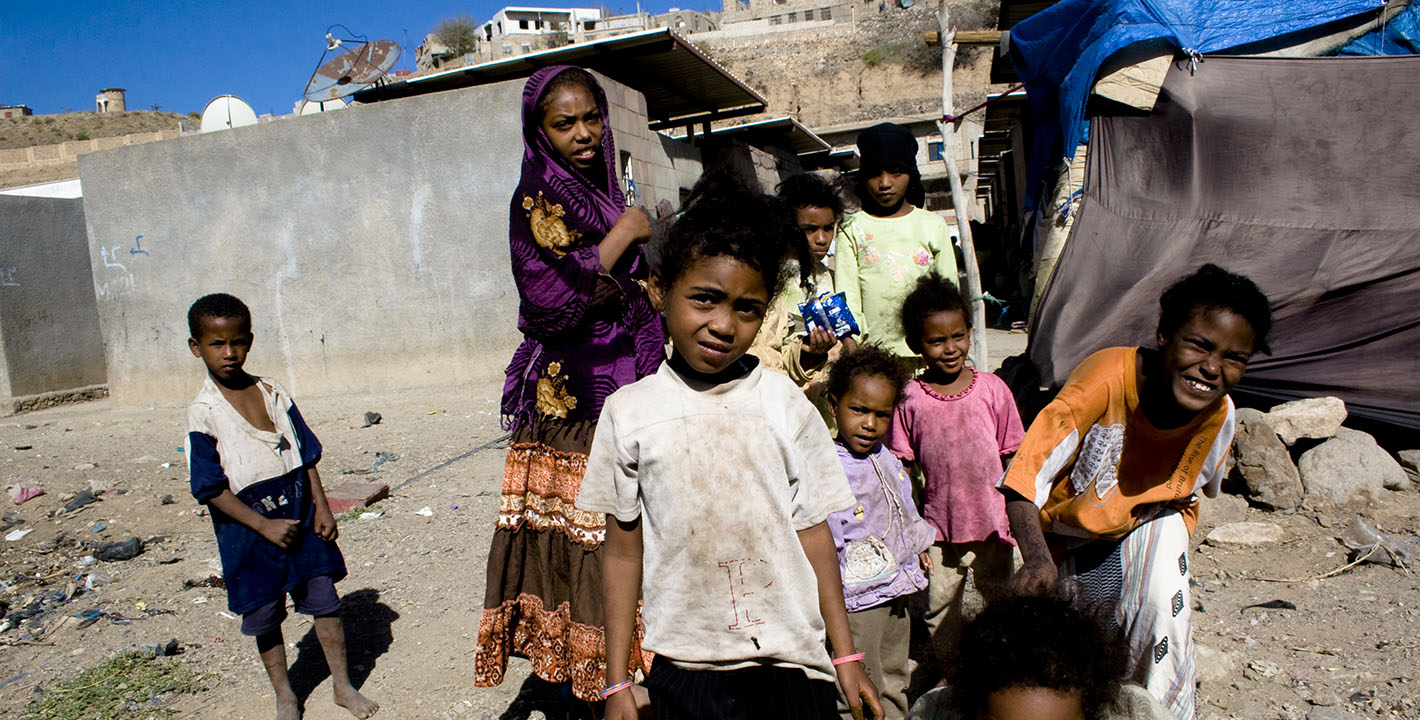
The community already suffers social discrimination, so addressing inequalities requires sustained interventions.
Musaed Aklan , Mohammad Al-Saidi

Just look at Iraq in 1991.

Marwan Muasher

Baku may allow radical nationalists to publicly discuss “reunification” with Azeri Iranians, but the president and key officials prefer not to comment publicly on the protests in Iran.

Bashir Kitachaev
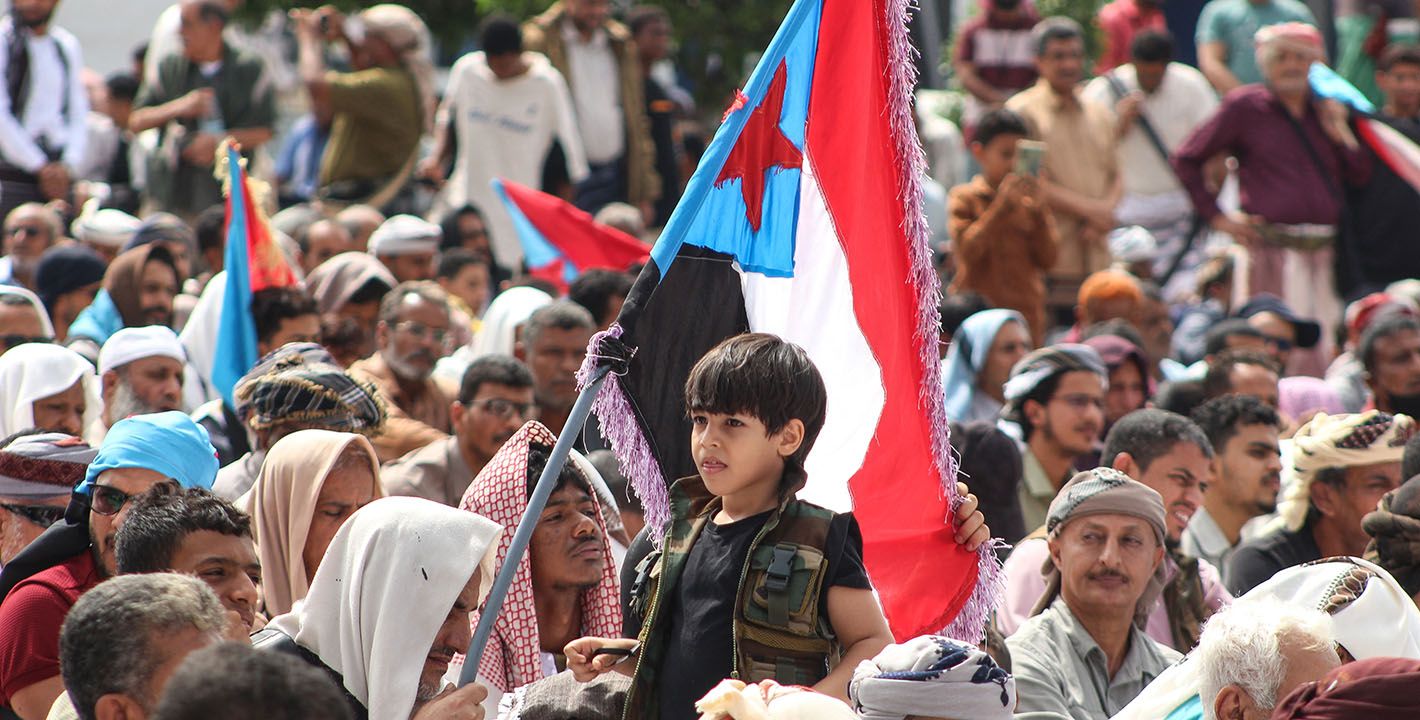
In an interview, Ibrahim Jalal discusses the Southern Transitional Council’s recent takeover of Hadhramawt and Mahra.

Michael Young
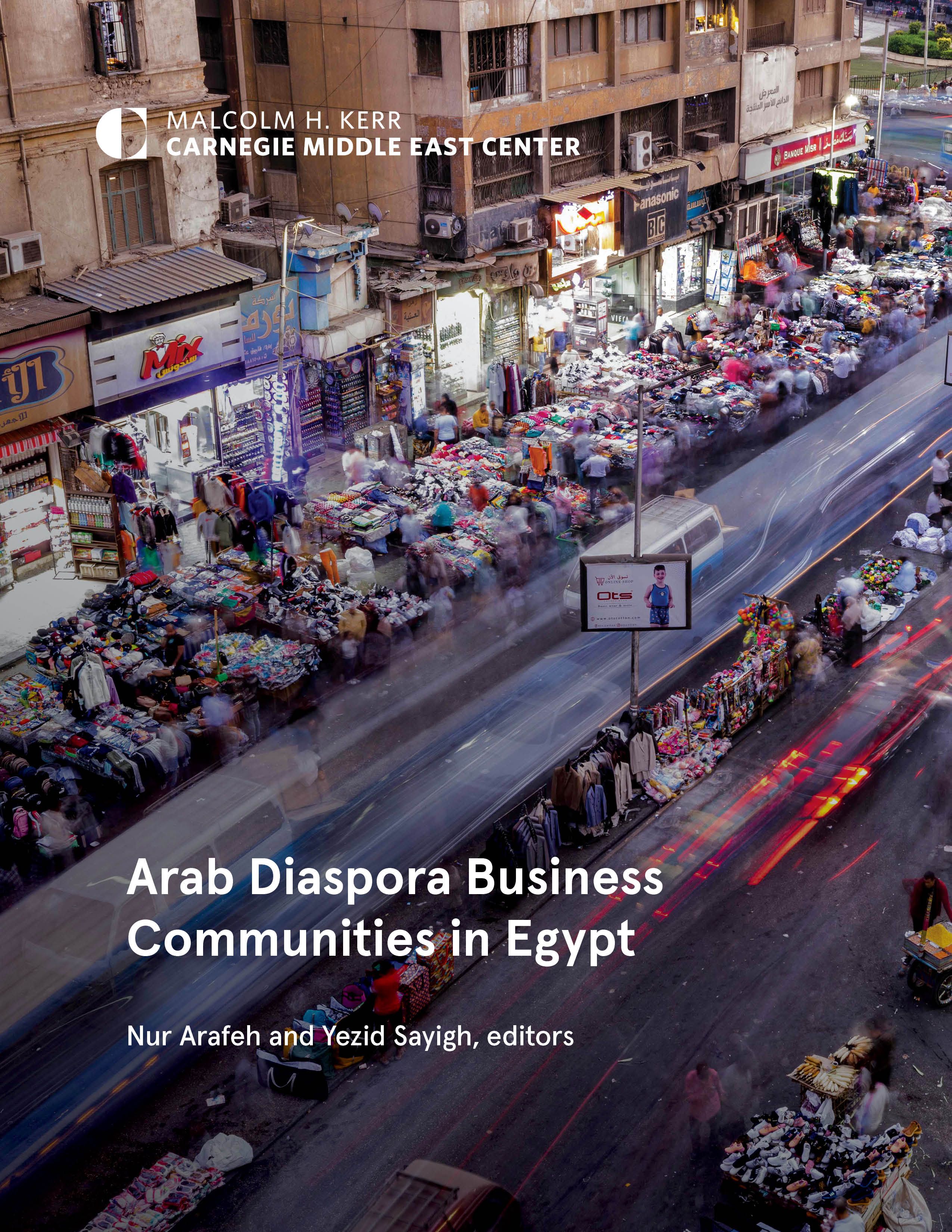
Arab diaspora business communities in Egypt often mirror the same systemic challenges facing Egyptian businesses.

Nur Arafeh, Yezid Sayigh, Qaboul al-Absi, …