

Commentary
The community already suffers social discrimination, so addressing inequalities requires sustained interventions.
Musaed Aklan , Mohammad Al-Saidi
{
  "authors": [],
  "type": "pressRelease",
  "centerAffiliationAll": "dc",
  "centers": [
    "Carnegie Endowment for International Peace"
  ],
  "collections": [],
  "englishNewsletterAll": "menaTransitions",
  "nonEnglishNewsletterAll": "",
  "primaryCenter": "Carnegie Endowment for International Peace",
  "programAffiliation": "MEP",
  "programs": [
    "Middle East"
  ],
  "projects": [],
  "regions": [
    "Yemen"
  ],
  "topics": [
    "Democracy",
    "Security"
  ]
}
REQUIRED IMAGE
A confluence of looming challenges—economic ruin, an emerging water shortage, violent extremism, and a growing secessionist movement—threaten to overwhelm the Yemeni government, provide a breeding ground for terrorists, and destabilize the region.
WASHINGTON, Sept 10—A confluence of looming challenges—economic ruin, an emerging water shortage, violent extremism, and a growing secessionist movement—threaten to overwhelm the Yemeni government, provide a breeding ground for terrorists, and destabilize the region. Yemen has survived past crises but the current risks are unprecedented in their scope and interconnectivity, warns a new paper by Christopher Boucek.
Key Conclusions:
Recommendations:
Boucek concludes:
“If left unaddressed, Yemen’s problems could potentially destabilize Saudi Arabia and the other Gulf states. The inability of the Yemeni central government to fully control its territory will create space for violent extremists to regroup and launch attacks against domestic and international targets. The international community must be realistic about the limitations of intervention in Yemen. In the near term, however, inaction is not an option.”
###
NOTES
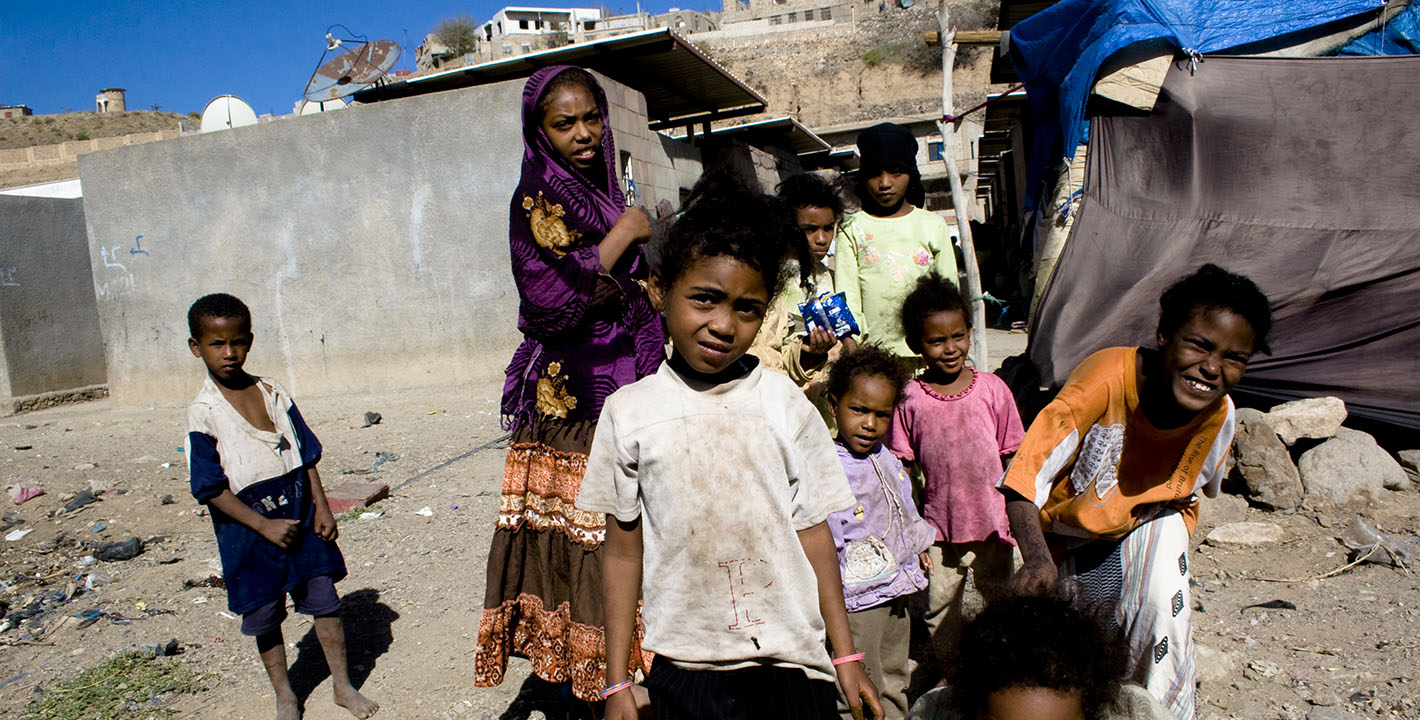
The community already suffers social discrimination, so addressing inequalities requires sustained interventions.
Musaed Aklan , Mohammad Al-Saidi

Just look at Iraq in 1991.

Marwan Muasher

Baku may allow radical nationalists to publicly discuss “reunification” with Azeri Iranians, but the president and key officials prefer not to comment publicly on the protests in Iran.

Bashir Kitachaev
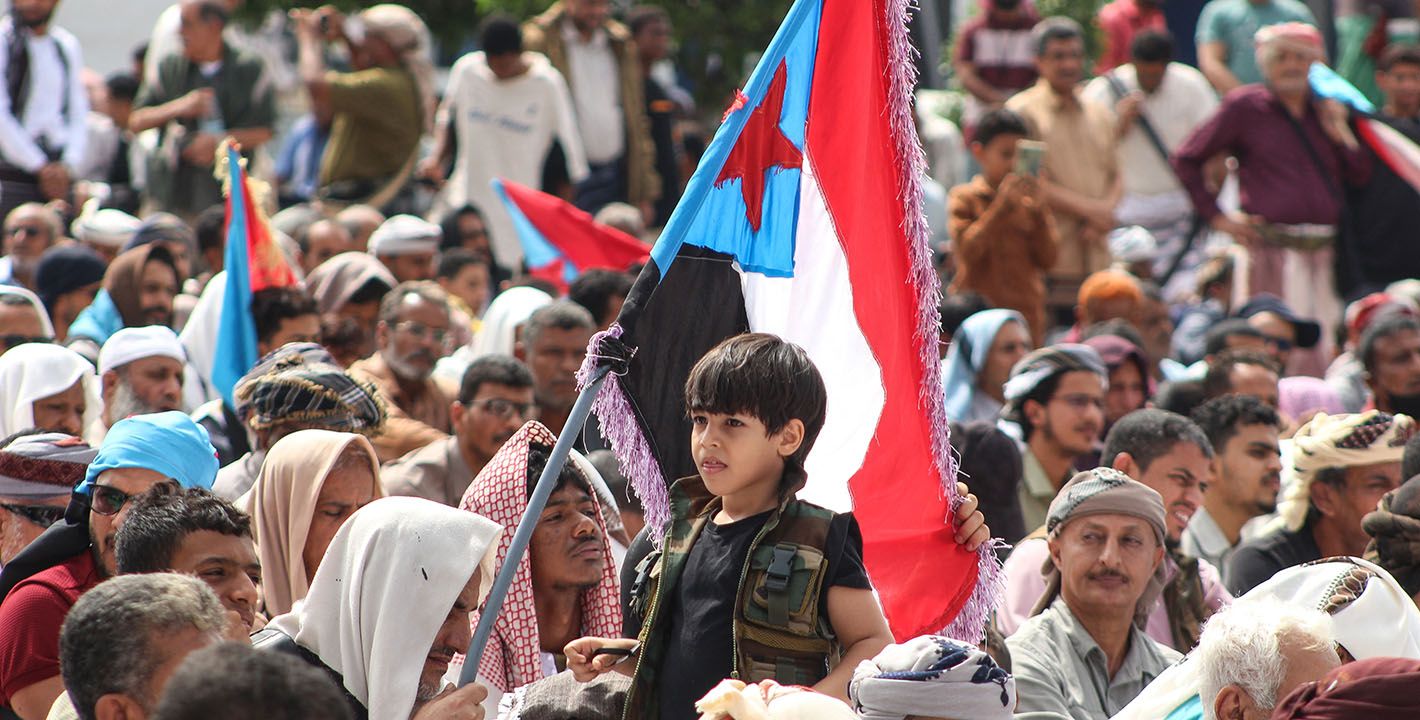
In an interview, Ibrahim Jalal discusses the Southern Transitional Council’s recent takeover of Hadhramawt and Mahra.

Michael Young
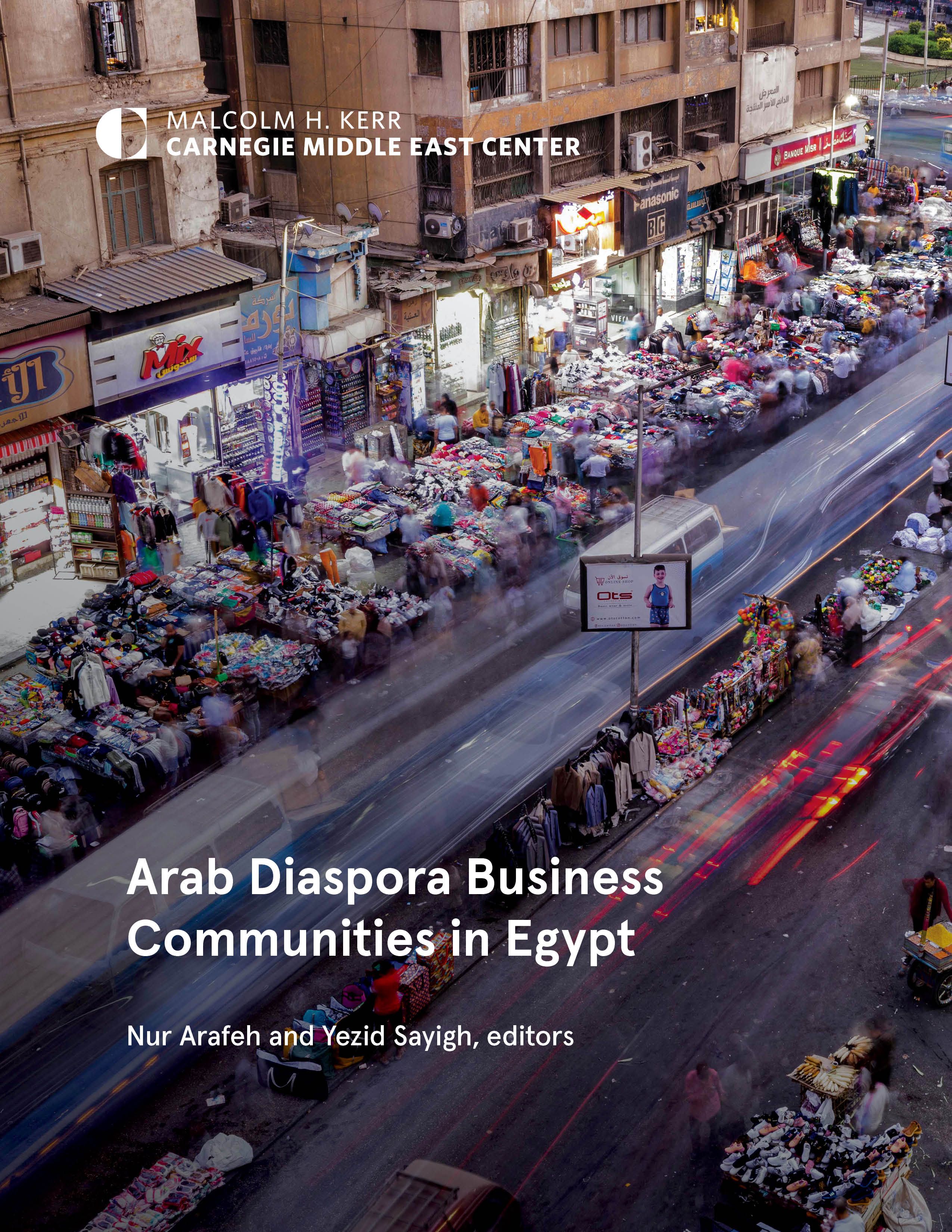
Arab diaspora business communities in Egypt often mirror the same systemic challenges facing Egyptian businesses.

Nur Arafeh, Yezid Sayigh, Qaboul al-Absi, …