

Paper
Ashley J. Tellis
{
  "authors": [
    "Ashley J. Tellis"
  ],
  "type": "other",
  "centerAffiliationAll": "dc",
  "centers": [
    "Carnegie Endowment for International Peace"
  ],
  "collections": [],
  "englishNewsletterAll": "ctw",
  "nonEnglishNewsletterAll": "",
  "primaryCenter": "Carnegie Endowment for International Peace",
  "programAffiliation": "SAP",
  "programs": [
    "South Asia"
  ],
  "projects": [],
  "regions": [
    "North America",
    "United States",
    "South Asia",
    "India",
    "Pakistan"
  ],
  "topics": [
    "Security",
    "Foreign Policy",
    "Nuclear Policy"
  ]
}
Source: Getty
The United States and India must agree on three vital security issues to ensure that their relations continue to deepen: terrorism, Kashmir, and the balance of power in Asia.
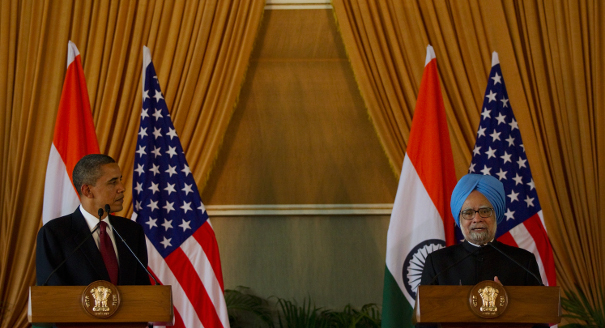
On the eve of Indian Prime Minister Manmohan Singh’s first state visit to Washington since Barack Obama took office, the United States and India must agree on three vital security issues to ensure that their relations continue to deepen: terrorism, Kashmir, and the balance of power in Asia.
U.S.–India relations are off to a strong start under President Obama following an unprecedented strengthening during the Bush administration. Secretary of State Hillary Clinton scored high points on her visit to India in July, emphasizing economic and social development, and making a number of symbolic gestures to reaffirm India’s importance to the Obama administration. But relations can only advance so far unless India is assured of U.S. support on its major security challenges.
Key Conclusions:
“Prime Minister Manmohan Singh’s forthcoming state visit to Washington offers the Obama administration a splendid opportunity to engage on these issues, and also on the U.S. priorities of climate change, nonproliferation, and economic and defense cooperation,” writes Tellis. “The success and durability of the partnership between India and the United States will depend on it.”
Former Senior Fellow
Ashley J. Tellis was a senior fellow at the Carnegie Endowment for International Peace.
Recent Work
Ashley J. Tellis
Ashley J. Tellis
Carnegie does not take institutional positions on public policy issues; the views represented herein are those of the author(s) and do not necessarily reflect the views of Carnegie, its staff, or its trustees.
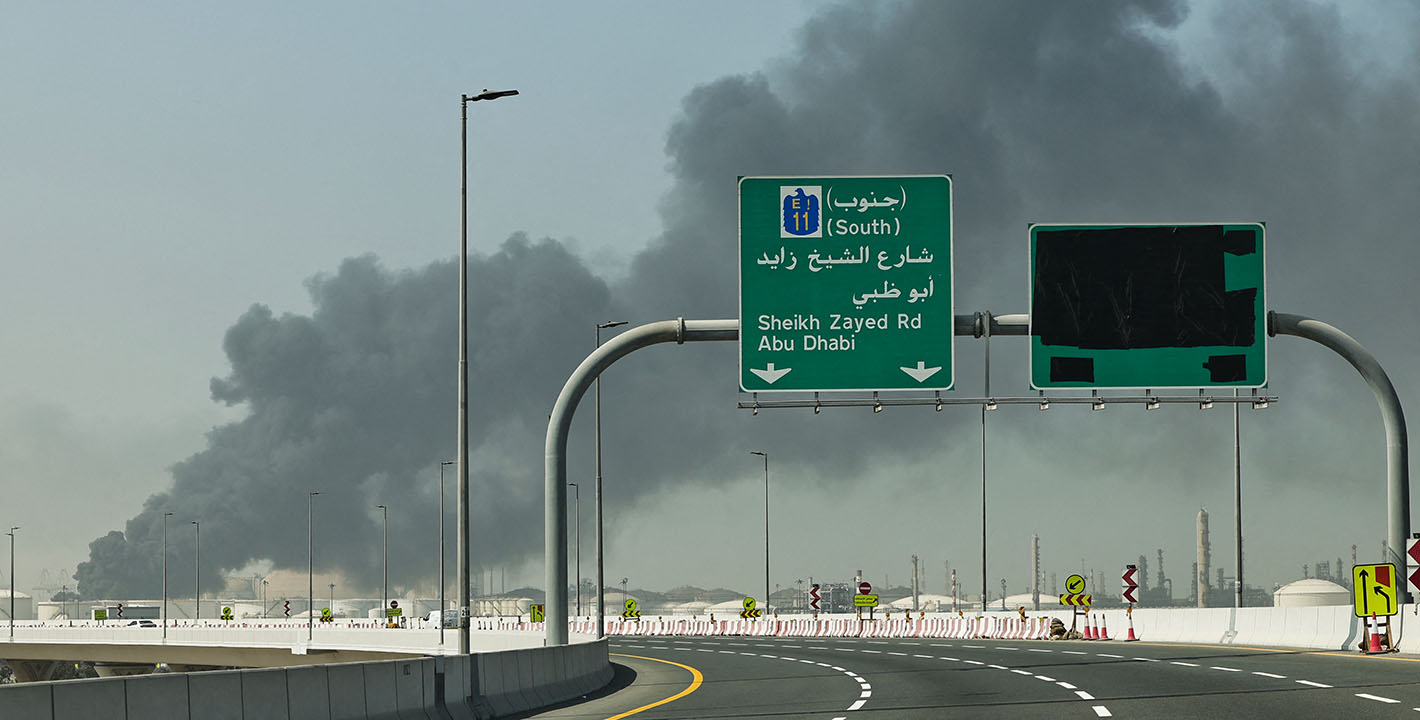
The countries in the region are managing the fallout from Iranian strikes in a paradoxical way.

Angie Omar

In an interview, Hassan Mneimneh discusses the ongoing conflict and the myriad miscalculations characterizing it.

Michael Young
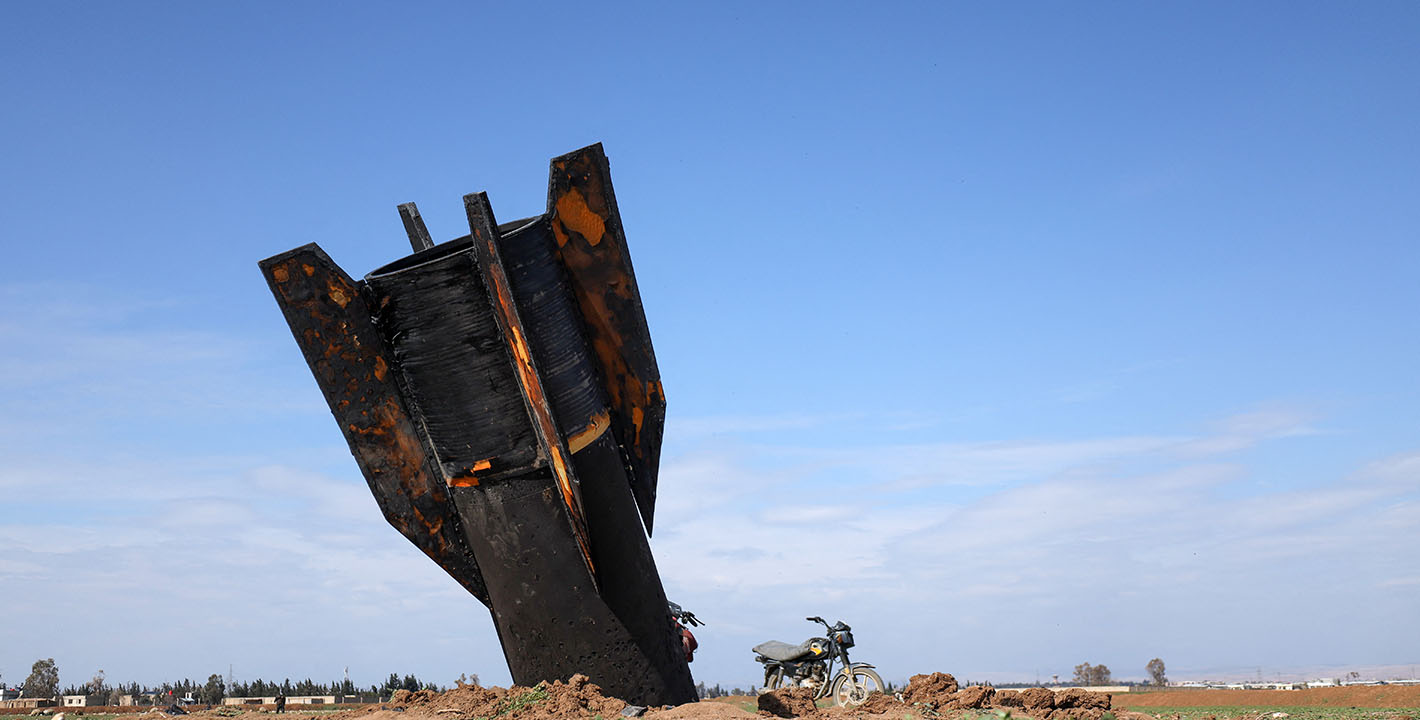
In an interview, Nicole Grajewski discusses the military dimension of the U.S. and Israeli attacks on Iran.
Michael Young

In an interview, Naysan Rafati assesses the first week that followed the U.S. and Israeli attack on Iran.
Michael Young
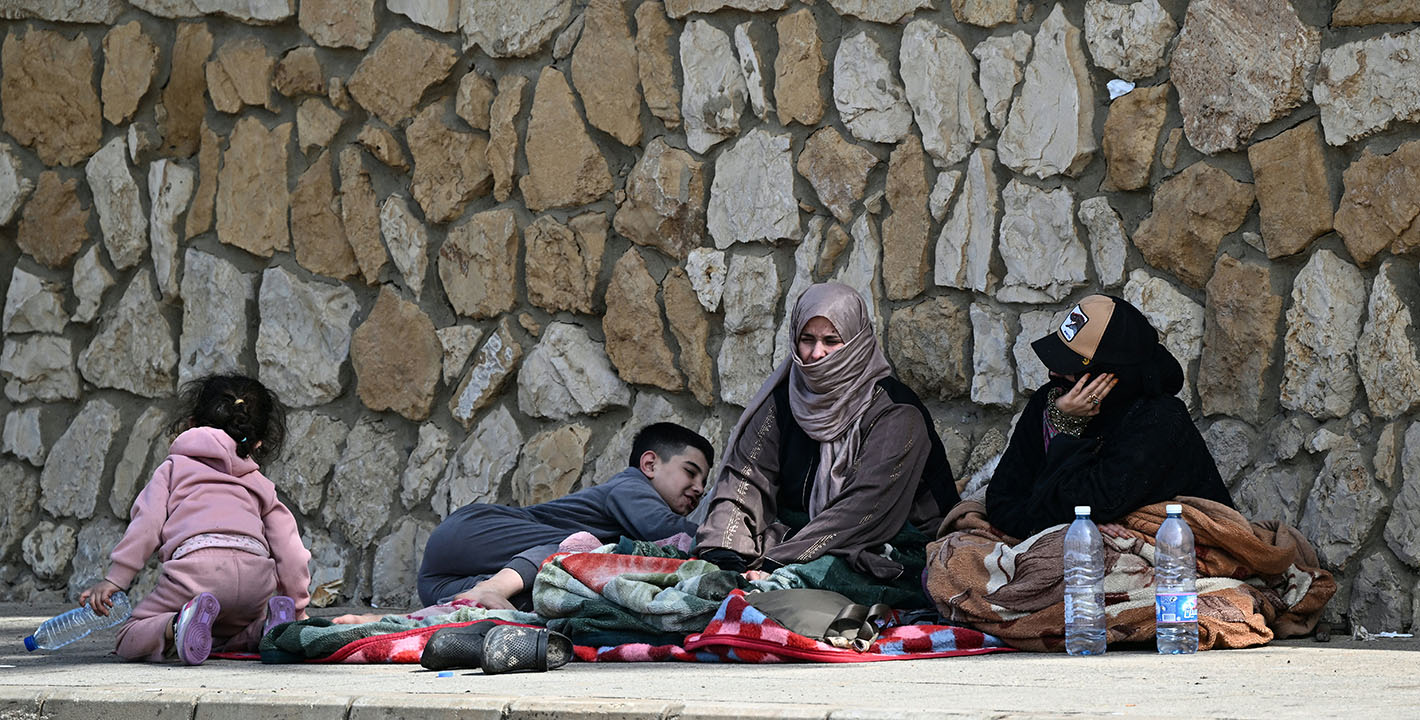
At heart, to impose unconditional surrender on Hezbollah and uproot the party among its coreligionists.

Yezid Sayigh