• Research
  • Diwan
  • About
  • Experts
Carnegie Middle East logoCarnegie lettermark logo
LebanonIran
{
  "authors": [
    "Henri J. Barkey"
  ],
  "type": "legacyinthemedia",
  "centerAffiliationAll": "dc",
  "centers": [
    "Carnegie Endowment for International Peace"
  ],
  "collections": [],
  "englishNewsletterAll": "menaTransitions",
  "nonEnglishNewsletterAll": "",
  "primaryCenter": "Carnegie Endowment for International Peace",
  "programAffiliation": "MEP",
  "programs": [
    "Middle East"
  ],
  "projects": [],
  "regions": [
    "United States"
  ],
  "topics": [
    "Foreign Policy",
    "Nuclear Policy"
  ]
}
Source: Getty

In The Media

Winning the Nobel Peace Prize

President's Obama recent Nobel Peace Prize has resulted in skepticism in some circles. His forthcoming acceptance speech offers him the opportunity to capitalize on the award and take steps toward achieving many of his administration's goals.

Link Copied
By Henri J. Barkey
Published on Oct 9, 2009

Source: The Brian Lehrer Show

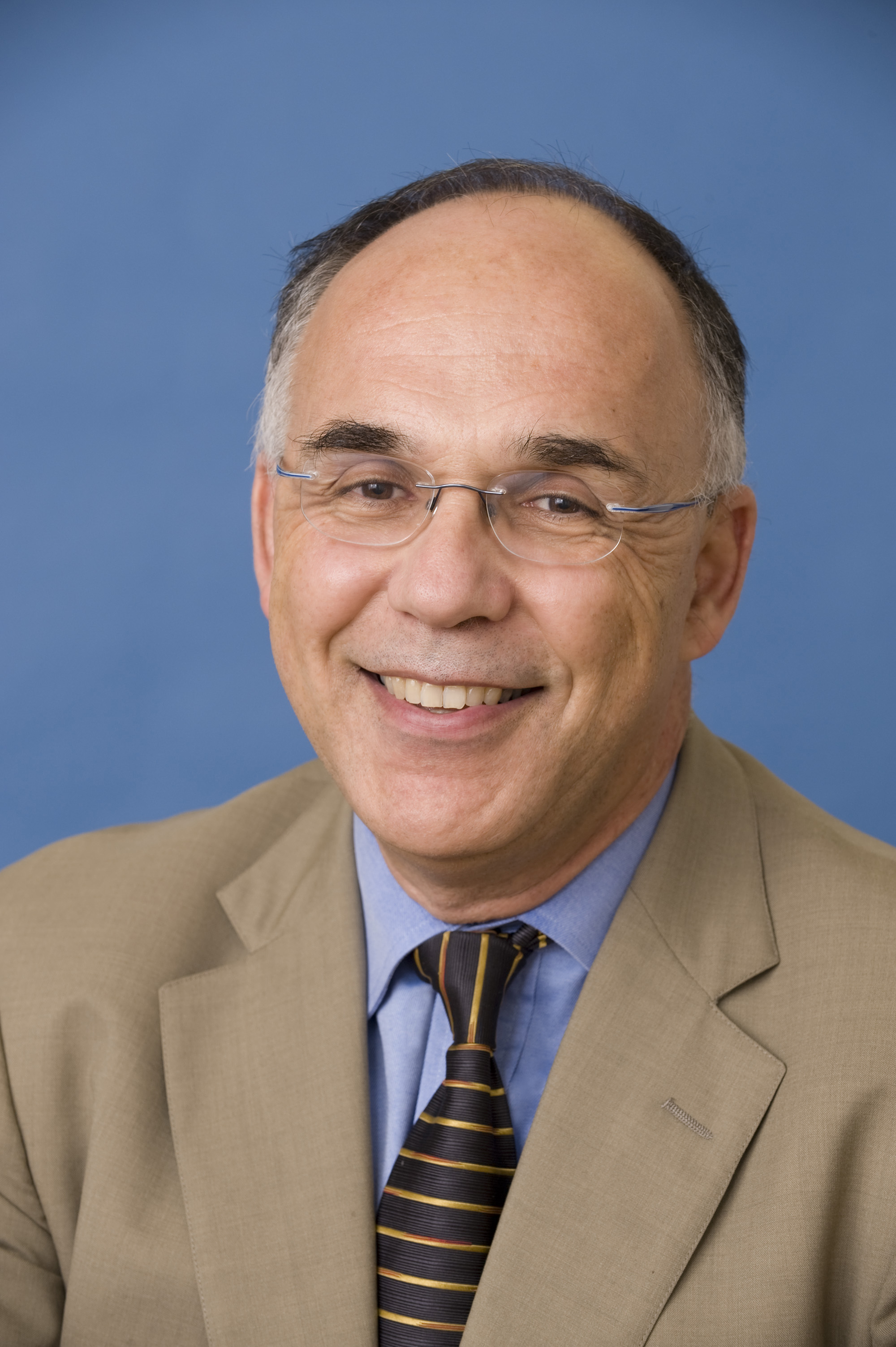
Last week’s surprise announcement that President Obama had been awarded the Nobel Peace Prize has put enormous pressure on him. The prize, according to Henri Barkey, is a “poisoned chalice” given to Obama through a “calculated choice” by the Nobel committee. With all of the problems that Obama is facing domestically and abroad, Barkey suggests that the committee is trying to push Obama to come through on his campaign promises. 

Obama’s forthcoming acceptance speech will be very important. Barkey suggests that Obama announce that he will undertake two specific projects, one concrete and the other symbolic. The first would be to announce the decommissioning of a specific number of nuclear weapons with an agreed upon deal between the US and the Russians. Second, he should announce that immediately following the speech he will fly to Jerusalem to work to bring the Israelis and Palestinians together. Barkey concludes that Obama “shouldn’t try to solve all the world’s problem," but that “he needs to capitalize” on the award in his speech. 
 

About the Author

Henri J. Barkey

Former Visiting Scholar, Middle East Program

Barkey served as a member of the U.S. State Department Policy Planning Staff, working primarily on issues related to the Middle East, the Eastern Mediterranean, and intelligence from 1998 to 2000.

    Recent Work

  • Article
    Winners and Losers in Turkey’s Election

      Henri J. Barkey

  • Article
    The Road to Turkey’s June Elections: Crises, Strategies, and Outcomes

      Henri J. Barkey

Henri J. Barkey
Former Visiting Scholar, Middle East Program
Henri J. Barkey
Foreign PolicyNuclear PolicyUnited States

Carnegie does not take institutional positions on public policy issues; the views represented herein are those of the author(s) and do not necessarily reflect the views of Carnegie, its staff, or its trustees.

More Work from Malcolm H. Kerr Carnegie Middle East Center

  • Commentary
    Diwan
    Pushing Beirut into an Armed Conflict With Hezbollah Is Insane

    The party’s domestic and regional roles have changed, so Lebanon should devise a disarmament strategy that encompasses this.

      Michael Young

  • Commentary
    Diwan
    Corrupted by Absolute Power

    In an interview, Marc Lynch discusses his new book decrying the post-1990 U.S.-dominated order in the Middle East.

      Michael Young

  • Commentary
    Diwan
    Why Does the Middle East Suffer “Forever Wars”?

    Because perpetual conflict enhances control, offers economic benefits, and allows leaders to ignore popular preferences.

      • Angie Omar

      Angie Omar

  • Commentary
    Diwan
    Where is the Groundwork for Lebanon’s Negotiations With Israel?

    A prerequisite of serious talks is that the country’s leadership consolidates majority national support for such a process.

      Michael Young

  • Commentary
    Diwan
    A Military Balance Sheet in the U.S. and Israeli War With Iran

    In an interview, Jim Lamson discusses the ongoing regional conflict and sees an unclear picture when it comes to winners and losers. 

      Michael Young

Get more news and analysis from
Malcolm H. Kerr Carnegie Middle East Center
Carnegie Middle East logo, white
  • Research
  • Diwan
  • About
  • Experts
  • Projects
  • Events
  • Contact
  • Careers
  • Privacy
  • For Media
Get more news and analysis from
Malcolm H. Kerr Carnegie Middle East Center
© 2026 Carnegie Endowment for International Peace. All rights reserved.