

Commentary
In an interview, Ian Lustick and Eli Clifton discuss their new book on why a prominent ally has so much influence in America.
Michael Young
{
  "authors": [
    "William Chandler",
    "Taiya M. Smith"
  ],
  "type": "questionAnswer",
  "centerAffiliationAll": "dc",
  "centers": [
    "Carnegie Endowment for International Peace"
  ],
  "collections": [],
  "englishNewsletterAll": "ctw",
  "nonEnglishNewsletterAll": "",
  "primaryCenter": "Carnegie Endowment for International Peace",
  "programAffiliation": "SCP",
  "programs": [
    "Sustainability, Climate, and Geopolitics"
  ],
  "projects": [],
  "regions": [
    "North America"
  ],
  "topics": [
    "Climate Change",
    "Foreign Policy"
  ]
}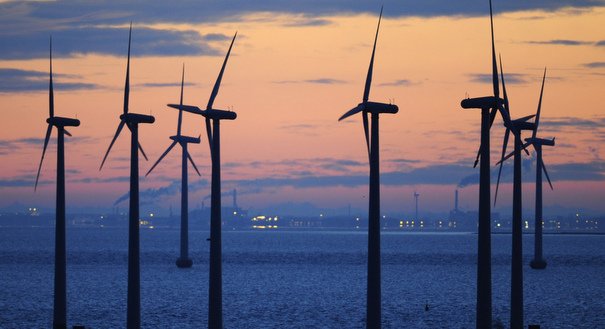
Source: Getty
With only a short time left before President Obama arrives to hash out major differences between developed and developing countries, the prospects for a climate change deal in Copenhagen look increasingly bleak.
IMGXYZ3118IMGZYXPresident Obama arrives in Copenhagen on Friday for the closing stages of negotiations over a global agreement on climate change. However, with only a short time left to hash out major differences between developed and developing countries, the prospects for a deal look increasingly bleak. Rather than rubber-stamp an agreement, Obama will likely be called on to negotiate the key terms of one. In a new Q&A, William Chandler and Taiya Smith explain what’s happening in Copenhagen and what’s at stake there.
How are global climate change negotiations proceeding in Copenhagen?
Taiya Smith: The negotiations are very rough, and at this point it’s not clear that an agreement will be reached. At the heart of the divisions between the parties are the differing interests between developed and developing countries. But a number of other factors play into the disagreements as well. A climate change deal has extraordinarily broad implications, making it complicated in the extreme, and Copenhagen now has the added complication of being at the center of world media coverage. Every move the countries make is being watched, and all the negotiators are acutely aware of it. Rarely has an agreement so significant been subjected to so much public scrutiny, and this structure does not easily allow parties to compromise in the way they will need to in order to reconcile so many disparate positions and reach an agreement.
Negotiations were halted for several hours on Monday after developing countries, including China and India, refused to take part. Why did they stay out, and how significant was their absence? Why is there controversy over the Kyoto Protocol?
Smith: Developing countries recognize that they have very little leverage over the developed world. Despite having very different growth trajectories than many of the other developing countries, China and India still perceive themselves as developing countries and in need of many of the same supports that developing countries received through the Kyoto Protocol. In addition, neither China nor India wants to face limited economic growth due to caps on carbon emissions, and Kyoto protects them from that. Speaking Monday alongside Sudan (the current leader among the Group of 77 developing countries), China and India led the protest against what they see as minimal positions taken by the developed world, both in terms of capping carbon emissions and providing assistance to the developing world to cope with the effects of climate change.
The issues around Kyoto are fundamentally about trust. Developing countries see the developed world’s desire to move away from Kyoto as evidence that they will not provide assistance to those countries that will bear the brunt of the impact of climate change. They don’t trust the developed world to do enough to protect their interests and viability. In addition, countries like China and India see Kyoto as protecting their right to rapid economic growth. Industrialized countries like the United States see the developing nations clinging to Kyoto as an attempt by China and India to avoid accepting responsibility in the future for their carbon emissions and a desire to preserve an outdated structure. The divide first emerged at the Bangkok negotiations ahead of Copenhagen and exploded when news of the “secret” Danish text broke. The Danish text was a quiet effort to reach an agreement within the group of developed countries, which released a storm of protests from developing countries when it became public. The question of what happens to the Kyoto Protocol must be answered before a binding global deal can be reached.
What are the major fault lines between countries in the negotiations? Is there a divide between rich and poor countries?
William Chandler: It’s a chasm, and it’s measured along lines of fairness, threat, and necessity.
Fairness is at the heart of it. Over time, developed countries have been responsible for most of the anthropogenic greenhouse effect. Rich countries use energy—the main source of emissions—mainly to enjoy comfort and convenience, and developing countries use energy mainly to make things and provide basic necessities. Cutting emissions in rich countries generally requires substituting slightly more expensive technology for cheaper, dirtier technology. But cutting emissions in developing countries more often means having to do without—without refrigeration, without transportation, without factories, without jobs. If an international agreement prevents the poor from increasing their energy usage by enough to provide for their basic needs and fuel their ongoing development, the result will be catastrophic for them. It could, in the short term, seem as bad as the threat of climate change.
But there is also the threat to survival posed by climate change. Wealth makes people far more resilient—able to adapt crops to drought, develop medicines to stop the spread of disease, and erect walls against the sea. Poverty means that children are more likely to die from the stresses of drought, disease, malnutrition, floods, and hurricanes. And of course there are the small island states, which climate change will simply wipe out.
Then there is necessity. Developed country leaders are right that developing countries must also take action, or the growth in their emissions will overwhelm all possible responses by the rich.
The way out of this is a little phrase from the 1992 Rio Declaration—which resulted in the creation of the United Nations Framework Convention on Climate Change—on “common but differentiated responsibilities.” Some experts, including myself, take this to mean that the developing countries will have to do all they can to cut the growth rate of their emissions, then, perhaps as early as 2025, accept a cap on them. But most experts—again, including myself—also recognize that it is the responsibility of the rich to act very aggressively in the near term to cut emissions in absolute terms.
Who are the key countries and groups at this stage of the negotiations?
Chandler: We can count on ten fingers the number of parties truly needed to solve the emissions problem. These include the United States and China—which are responsible for roughly equal parts totaling 40 percent of global emissions—followed by the European Union, Japan, India, Russia, and perhaps Canada. We must also include nations where deforestation is an urgent problem, namely Indonesia and Brazil. (World deforestation generates as much carbon dioxide annually as either the United States or China.) And it would be no exaggeration to say that Africa is so underdeveloped that its emissions almost don’t matter—at least, not in the near term.
Addressing the impact of climate change as a whole, of course, is a different matter. It is truly a global problem, and the developing countries are most at risk from droughts, flooding, and disease. I am pessimistic that developed countries will do much to help them adapt to climate change, but there will be some symbolic effort.
In the end, the key is cutting emissions, and the key players are the United States and China. What these giants do will largely determine success or failure in Copenhagen.
As world leaders arrive, including President Obama, what do they face in Copenhagen? What can they hope to accomplish?
Smith: Most successful negotiations leave very few problems for their leaders to solve when they arrive, and every negotiator’s goal is to have his leader arrive simply to sign the agreement. Copenhagen does not appear to be on that trajectory. Instead, it feels like the issues are stacking up for the leaders to manage. While the major countries largely agreed on what type and level of carbon emissions they would commit to before coming to Copenhagen, all the other loose ends—including monitoring, reporting, and verification and how much money will be devoted to helping developing countries manage the impact of climate change—are still flapping.
Obama and Chinese Premier Wen Jiabao face the biggest challenges. Their most public dispute right now is over the terms of international monitoring, reporting, and evaluation of how successful countries are in reaching their emissions targets. China adamantly refuses to allow international inspectors to determine whether they are meeting their targets, while Congress has made it clear that this is essential to any U.S. legislation. For the Chinese, this is a matter of principle. The United States through the Clean Air Act relies on a transparent process of self reporting. China, though lacking the 30-year record of reliable self reporting of the United States, believes that as it is being a responsible member of the international community by committing to a carbon intensity target, it should also be trusted to self report.
China, India, and others have also presented a challenging proposal that would prevent developed countries from imposing trade tariffs on carbon-intensive goods. And these are only threads in a tapestry of challenges that a broad political agreement will have to overcome. For the G77, the top priority is preserving the Kyoto protections and the amount of resources the developed world will commit to help developing nations cope with climate change.
What happens next if there’s no agreement, and what happens next if there is?
Chandler: If there is no agreement at all, momentum toward a global deal will be lost. Governments in that case must seriously reevaluate the future of their people. How will they respond if the ocean currents that control local weather dramatically shift in the next few decades? How will the world’s food resources be affected by ocean acidification (caused by absorbing carbon dioxide from the atmosphere), and the resulting loss of a third of the world’s fish species? And so on.
If there is a political agreement but no legally binding treaty, then most likely the parties will set a mid-2010 deadline to complete their negotiations.
When there is a legally binding agreement, then the hard slog of implementing complicated energy policies, forest protection efforts, and adaptation measures begins. To be sure, it will provide many opportunities to develop new technologies and new markets. It will most definitely be difficult, but it could be exciting.
Former Adjunct Senior Associate, Energy and Climate Program
Chandler is a leading expert on energy and climate. As an adjunct senior associate in the Energy and Climate Program he supports Carnegie’s work in these fields, collaborating closely on projects with Carnegie’s offices in Moscow, Beijing, Brussels, and Beirut.
Former Senior Associate, Energy and Climate Program, Asia Program
Smith has spent the last decade working in international negotiations. Most recently, she served as a member of Secretary Hank Paulson’s senior management team from 2006 to 2009 as the deputy chief of staff and executive secretary for the U.S. Department of the Treasury.
Carnegie does not take institutional positions on public policy issues; the views represented herein are those of the author(s) and do not necessarily reflect the views of Carnegie, its staff, or its trustees.

In an interview, Ian Lustick and Eli Clifton discuss their new book on why a prominent ally has so much influence in America.

Michael Young

By failing to address Palestinian representation, the current process is bound to lead to just another temporary arrangement.

Nathan J. Brown
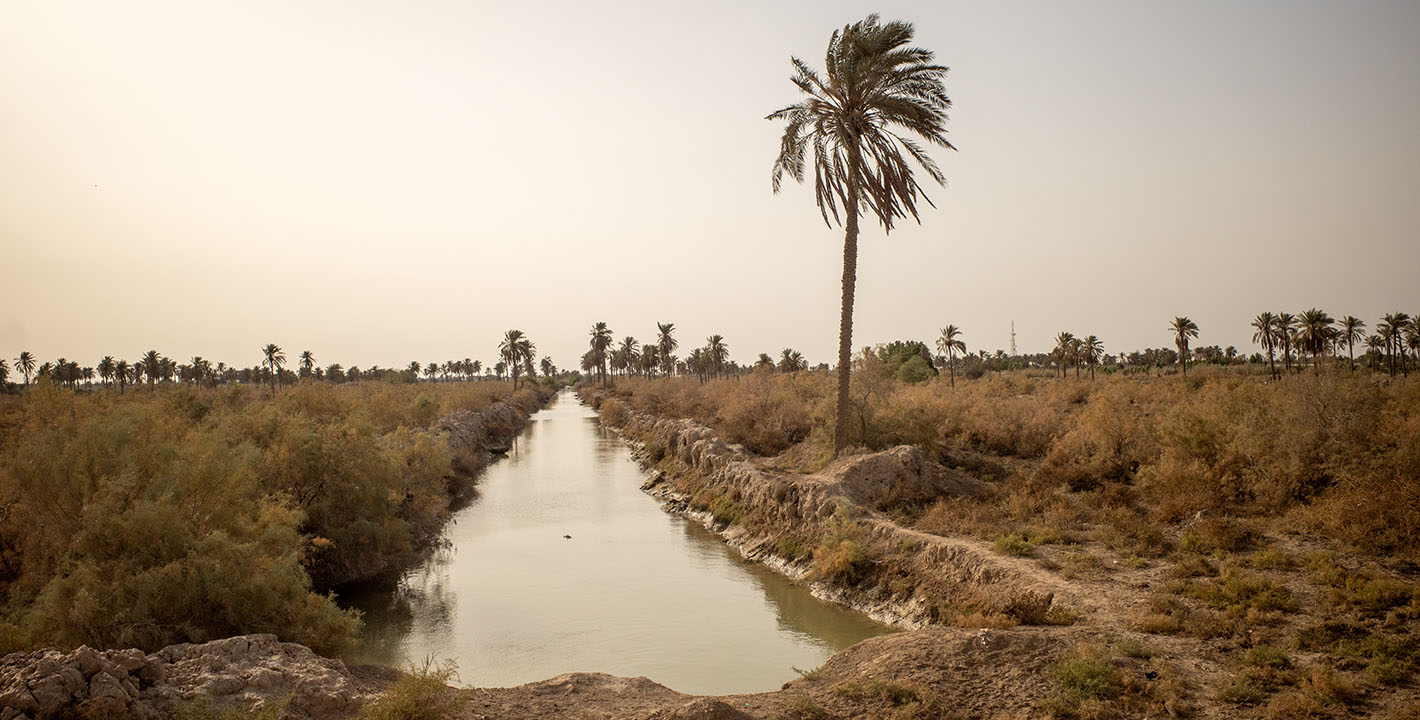
Across the Middle East and North Africa, climate stress interacts with economic fragility, governance failures, social marginalization, and conflict.
Camille Ammoun
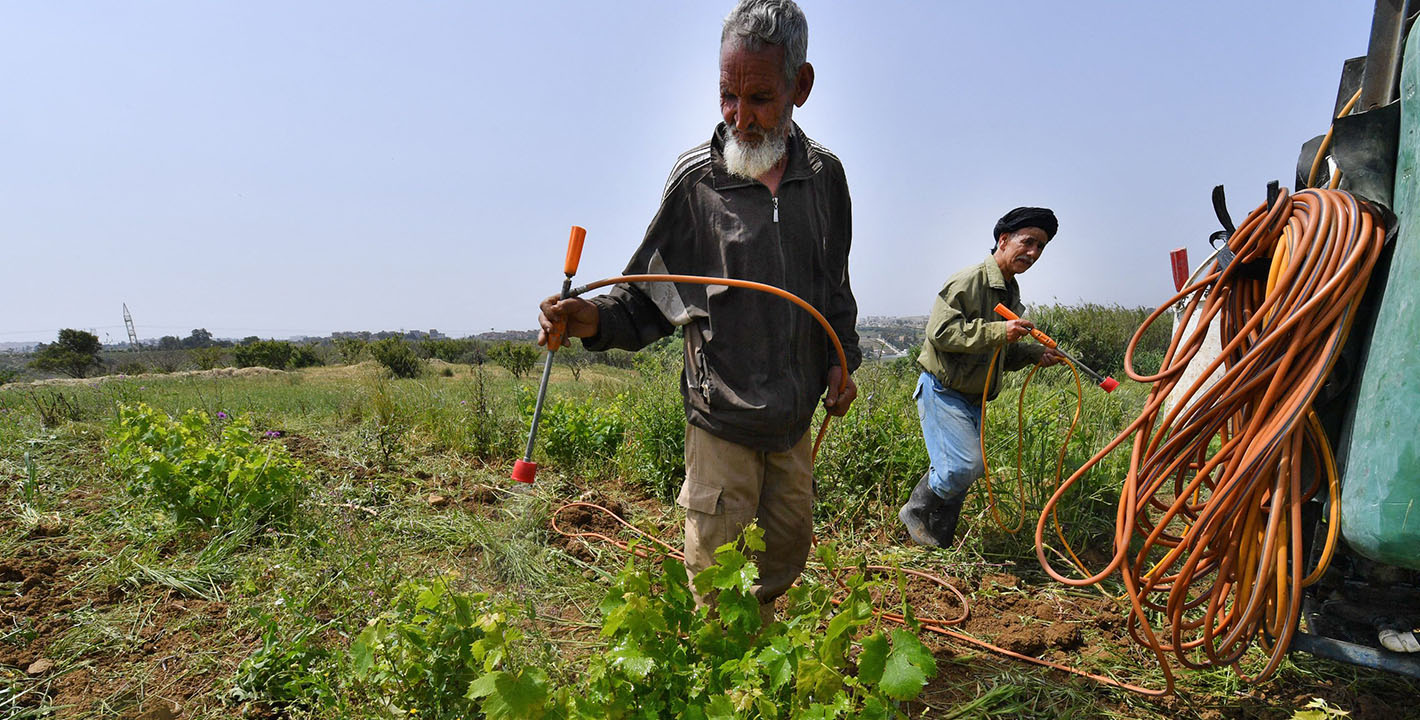
Understanding how farmers in the Oued Sahel-Soummam Valley grapple with climate change is essential for addressing the paradoxes through which adaptation, operating at both individual and institutional levels, deepens the region’s vulnerability and erodes the social fabric and agrarian identity that once defined life.

Ilyssa Yahmi
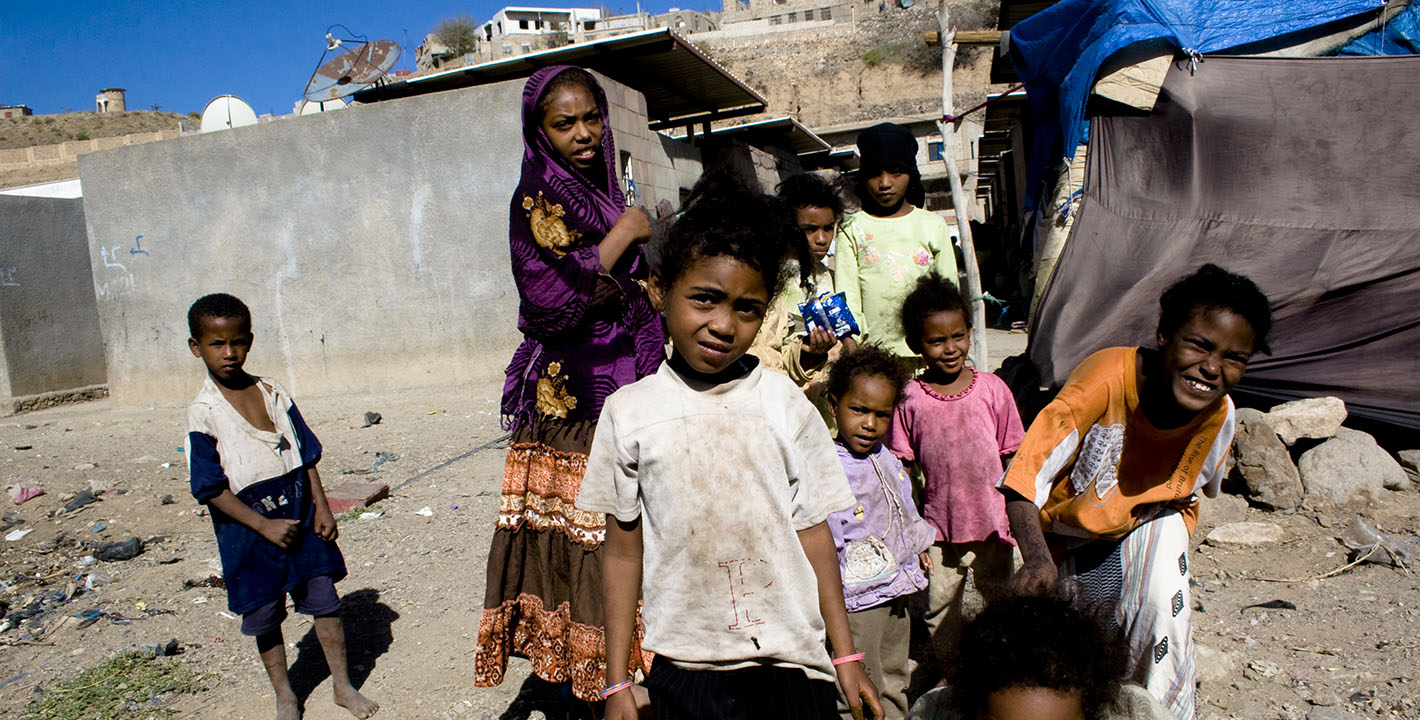
The community already suffers social discrimination, so addressing inequalities requires sustained interventions.
Musaed Aklan , Mohammad Al-Saidi