

Commentary
As talks begin between Washington and Tehran, Beirut has an opening to advance a regional plan for the party’s disarmament.
Michael Young
{
  "authors": [],
  "type": "pressRelease",
  "centerAffiliationAll": "dc",
  "centers": [
    "Carnegie Endowment for International Peace"
  ],
  "collections": [],
  "englishNewsletterAll": "ctw",
  "nonEnglishNewsletterAll": "",
  "primaryCenter": "Carnegie Endowment for International Peace",
  "programAffiliation": "SCP",
  "programs": [
    "Sustainability, Climate, and Geopolitics"
  ],
  "projects": [],
  "regions": [
    "United States",
    "North America"
  ],
  "topics": [
    "Climate Change"
  ]
}
REQUIRED IMAGE
David Burwell, an expert on U.S. energy security, transportation, and climate policy, has joined the Carnegie Endowment as director of its Energy and Climate Program.
WASHINGTON, Feb 8—David Burwell, an expert on U.S. energy security, transportation, and climate policy, has joined the Carnegie Endowment as director of its Energy and Climate Program. Burwell, who co-founded both the Rails-to-Trails Conservancy and the Surface Transportation Policy Project, will focus on the intersections between energy, transportation and climate issues, and the policies and practice reforms needed to reduce global dependence on fossil fuels.
Making the announcement, Jessica Mathews, president of the Endowment, said:
“I am delighted that David will lead Carnegie’s work on these crucial issues. His considerable reputation of combining analysis and real world impact is badly needed at this important time for U.S. energy and climate policy. As global leaders—particularly the U.S. Congress—face a critical opportunity in the fight against climate change, David’s voice and leadership could not be more important. We look forward to his work not only here in Washington, but also in collaboration with our experts in Moscow, Beijing, Beirut, and Brussels.”
Burwell said:
“The issues of energy security, climate disruption, and dependence on fossil fuels to drive economic growth are presenting leaders with difficult policy choices, both within the United States and throughout the world. There is a pressing need for low-carbon strategies that address these issues, especially through mutual learning and international collaboration. The Carnegie Endowment has a deep bench of experts who bring great experience and insight in this area, as well as a track record of demonstrated success in advancing policy initiatives that yield practical results. I am delighted to be joining their team.”
Burwell comes to Carnegie from the BBG Group, a transportation consulting firm, where he was a principal. A lawyer by training, he also worked for the National Wildlife Federation as director of its Transportation and Infrastructure Program.
###
NOTES
David Burwell is director of the Energy and Climate Program at the Carnegie Endowment. His work at Carnegie focuses on the intersection between energy, transportation and climate issues, and policies and practice reforms to reduce global dependence on fossil fuels.
Before joining Carnegie he was a principal in the BBG Group, a transportation consulting firm that addresses climate, energy, and sustainable transportation policy, with a particular focus on how climate and transportation policies can be better coordinated to promote sustainable development and successful communities. During his career he served as co-founder and CEO of the Rails-to-Trails Conservancy, and as founding co-chair and president of the Surface Transportation Policy Project, a national transportation policy reform coalition. A lawyer by training, he also worked for the National Wildlife Federation as director of its Transportation and Infrastructure Program.
He has served on the Executive Committee of the National Research Council’s Transportation Research Board (1992–1998), and is presently on the board of advisers of the Institute for Transportation and the Environment at the University of California at Davis. He served in the Peace Corps in Senegal, West Africa.
Carnegie does not take institutional positions on public policy issues; the views represented herein are those of the author(s) and do not necessarily reflect the views of Carnegie, its staff, or its trustees.
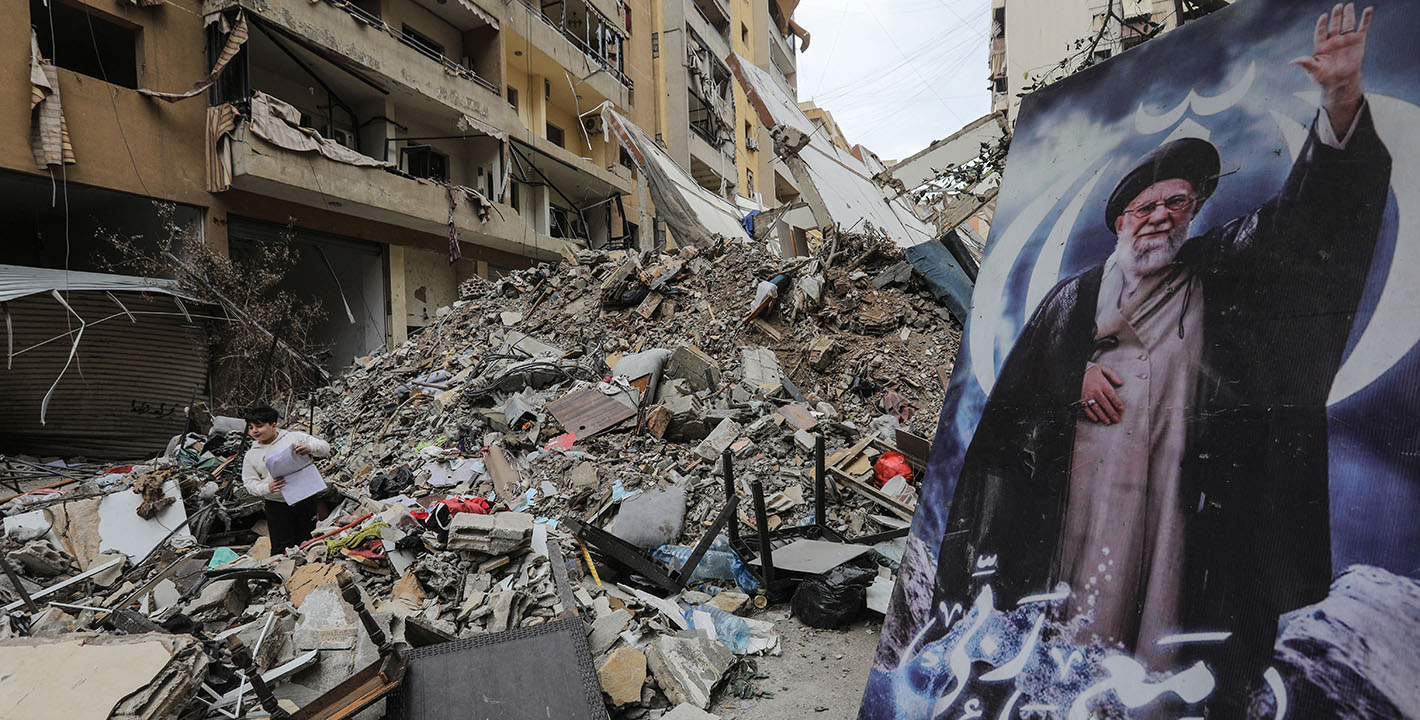
As talks begin between Washington and Tehran, Beirut has an opening to advance a regional plan for the party’s disarmament.

Michael Young
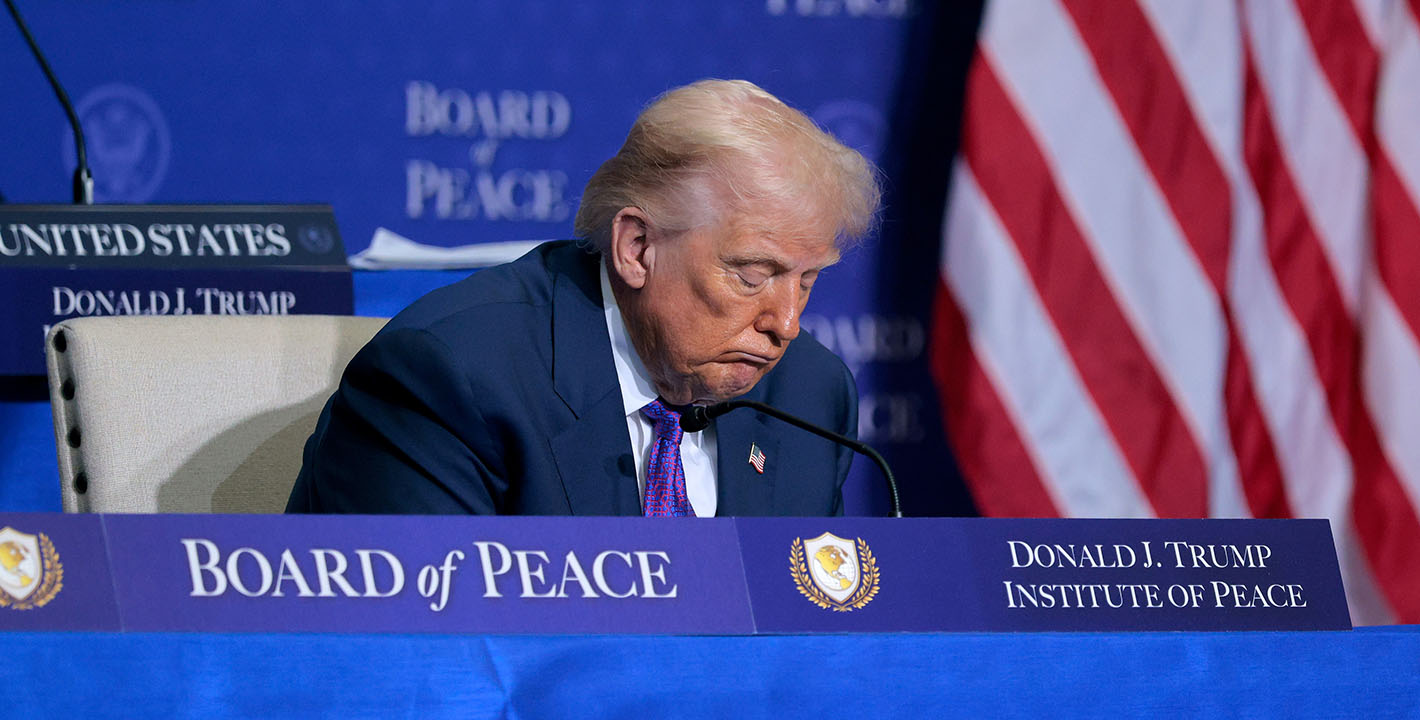
What is behind Marco Rubio’s announcement that the body is now an international nongovernmental organization?
Zaha Hassan
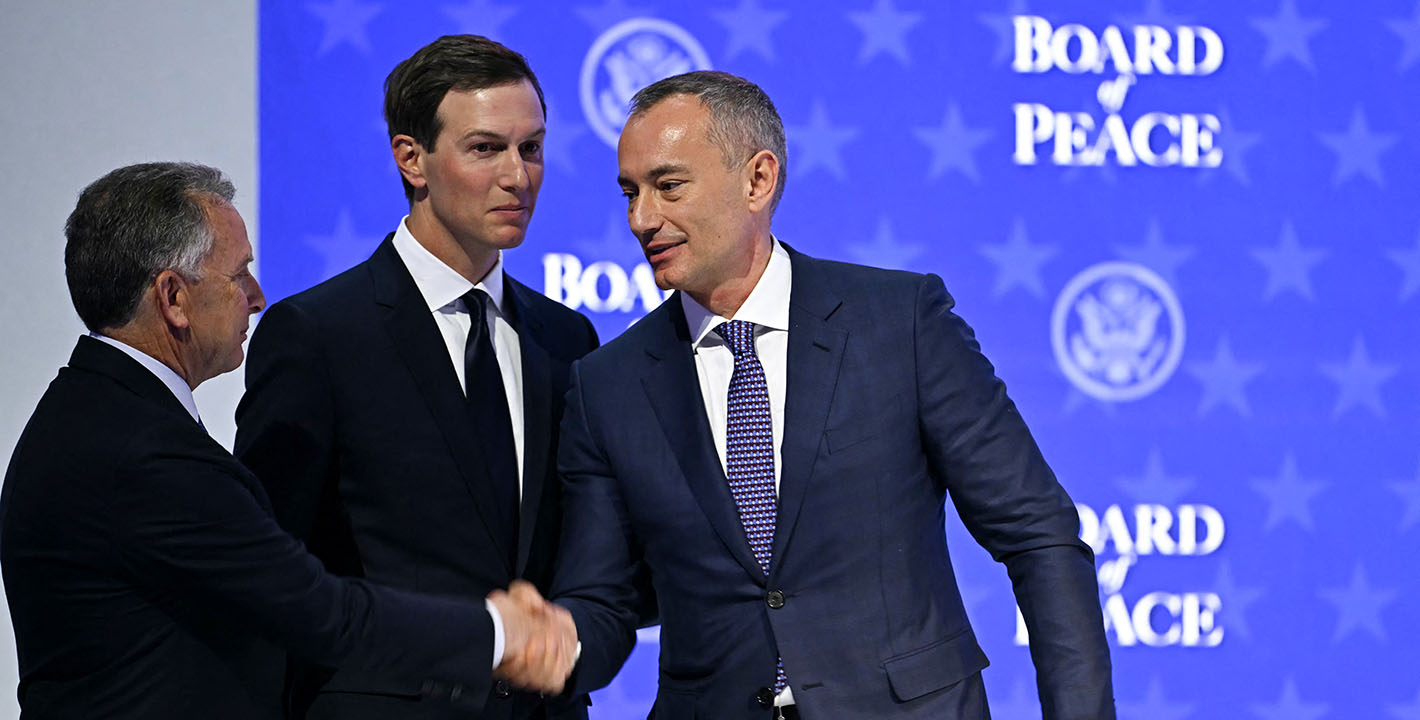
Policy discussion is ignoring that the Palestinian national project is hollowed out and apartheid is a present danger.

Nathan J. Brown
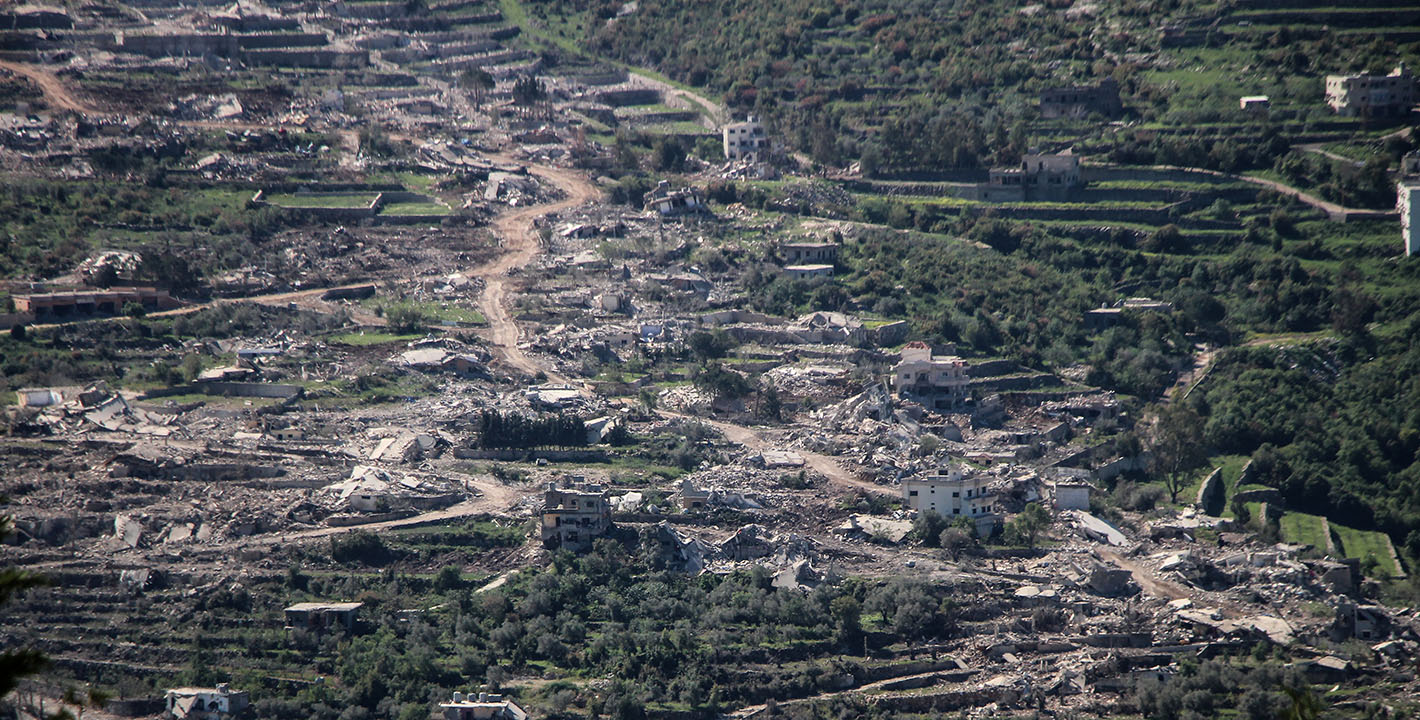
As negotiations with Iran and Lebanon continue, chaos is at the heart of the Netanyahu government’s calculations.
Michael Young
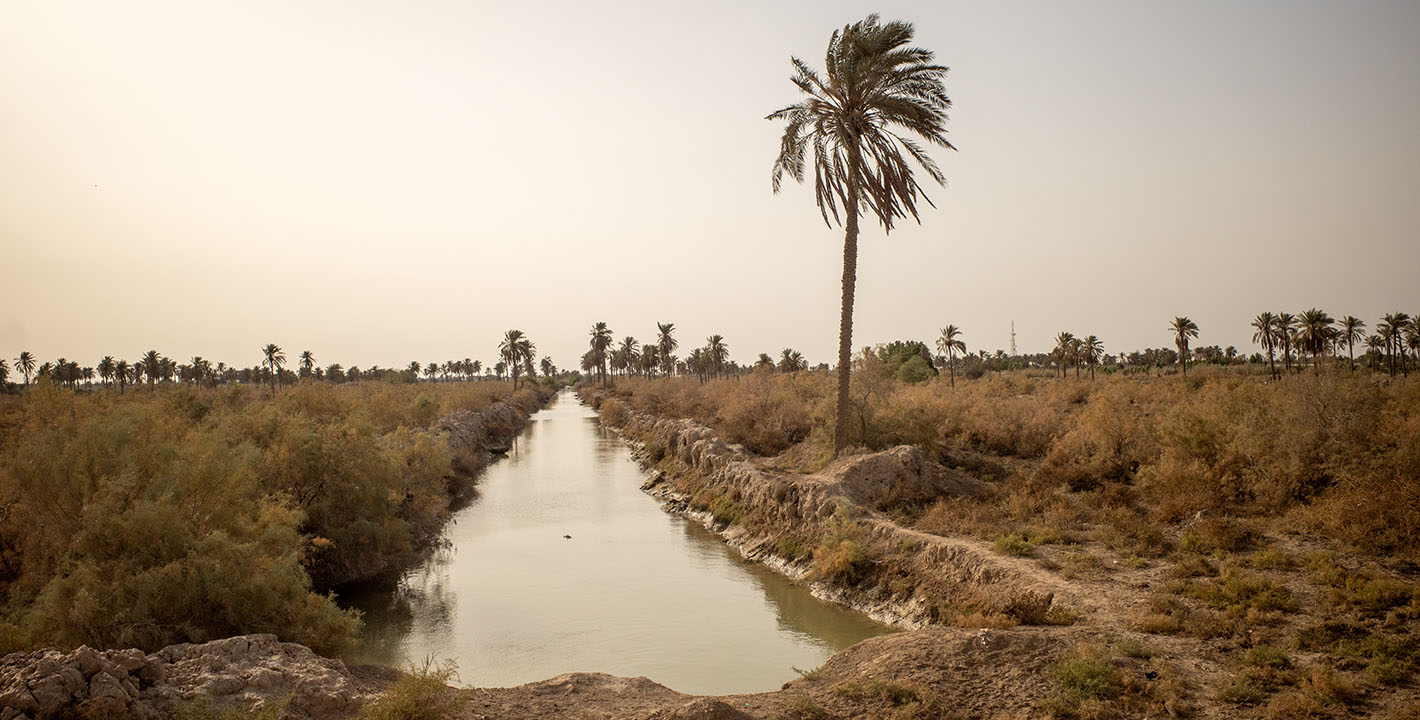
Across the Middle East and North Africa, climate stress interacts with economic fragility, governance failures, social marginalization, and conflict.
Camille Ammoun