

Paper
Sven Behrendt
{
  "authors": [
    "Sven Behrendt"
  ],
  "type": "legacyinthemedia",
  "centerAffiliationAll": "",
  "centers": [
    "Carnegie Endowment for International Peace",
    "Malcolm H. Kerr Carnegie Middle East Center"
  ],
  "collections": [],
  "englishNewsletterAll": "",
  "nonEnglishNewsletterAll": "",
  "primaryCenter": "Malcolm H. Kerr Carnegie Middle East Center",
  "programAffiliation": "",
  "programs": [],
  "projects": [],
  "regions": [
    "Egypt",
    "Gulf",
    "Levant",
    "Maghreb"
  ],
  "topics": [
    "Economy"
  ]
}
Source: Getty
Implementation of the Santiago Principles is highly uneven and there is still far to go if sovereign wealth funds are to be responsible members of the global economy.
Source: Central Banking

The purpose of the Santiago Principles is to identify a framework of generally accepted principles and practices that reflect appropriate governance and accountability arrangements, as well as prudent investment practices by sovereign wealth funds. Three aspects relating to the Santiago Principles warrant closer examination and will be discussed in this article: first, why did sovereign wealth funds find it necessary to develop and associate themselves with the Santiago Principles? Second, what is the status of the principles as a new approach to global financial governance? And third, how robust are the Santiago Principles and can they contribute to a stable global financial system and a free flow of capital and investments?

Former Visiting Scholar, Middle East Center
Behrendt is an expert in global issues, international negotiations, conflict resolution, and corporate strategy. He previously served at the World Economic Forum in various management positions.
Recent Work
Sven Behrendt
Sven Behrendt

In Egypt’s dense cities, the disappearance of foliage has health implications and punishes daily commuters.

Angie Omar
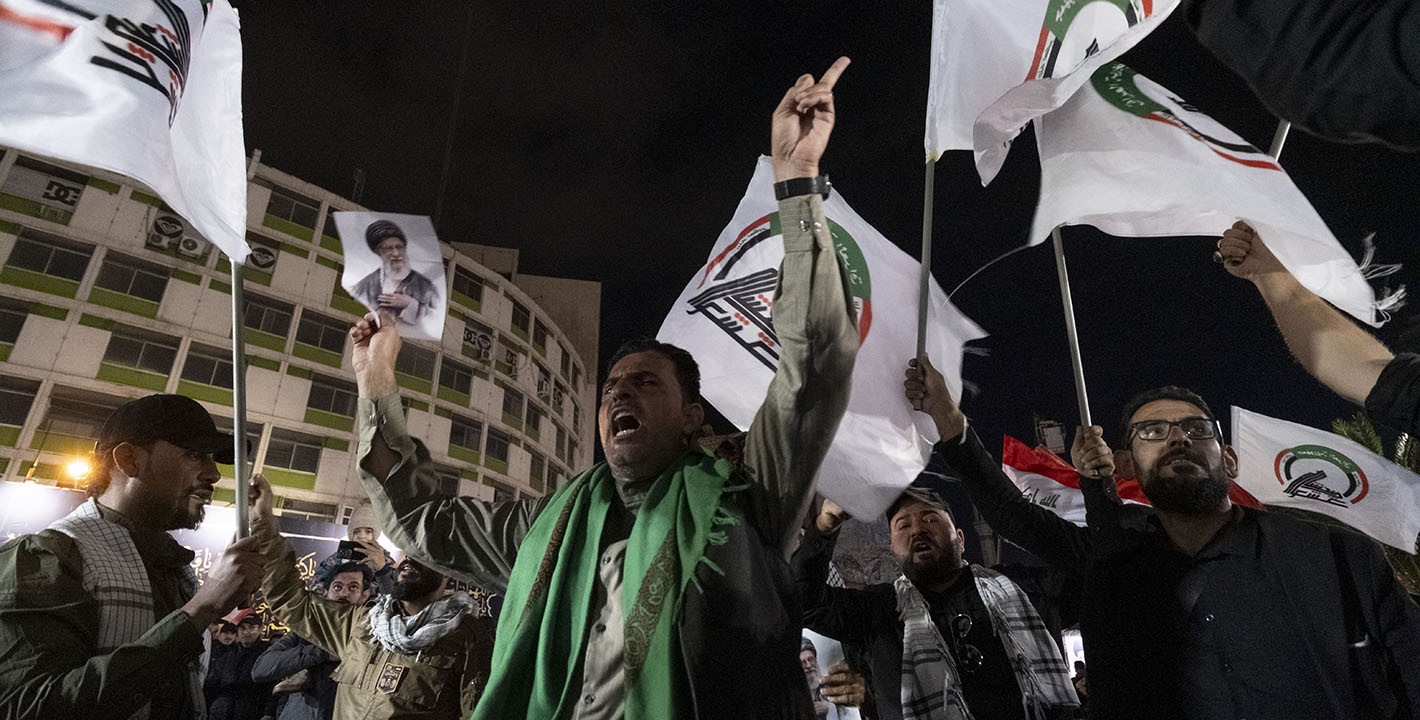
The Zaidi government’s objective to collect weapons is constrained by regional conflict, but it can take certain measures at home.
Ali Al-Mawlawi

Huawei pushed hard to enter the Egyptian data centers market, until the Americans made a better offer.
Angie Omar

Middle Eastern states should welcome an accelerated U.S. disengagement from their region.

Michael Young

The accord represents a pivotal moment in the region to avert a security vacuum in the Gulf.


Azeema Cheema, Mohanad Hage Ali