

Article
Henri J. Barkey
{
  "authors": [
    "Henri J. Barkey"
  ],
  "type": "legacyinthemedia",
  "centerAffiliationAll": "dc",
  "centers": [
    "Carnegie Endowment for International Peace",
    "Carnegie Europe",
    "Malcolm H. Kerr Carnegie Middle East Center"
  ],
  "collections": [
    "Turkey’s Transformation"
  ],
  "englishNewsletterAll": "menaTransitions",
  "nonEnglishNewsletterAll": "",
  "primaryCenter": "Carnegie Endowment for International Peace",
  "programAffiliation": "MEP",
  "programs": [
    "Middle East"
  ],
  "projects": [],
  "regions": [
    "Türkiye",
    "Levant",
    "Europe"
  ],
  "topics": [
    "Political Reform"
  ]
}
Source: Getty
The Turkish government’s handling of its Kurdish minority and the state of its civil-military relations will determine the longevity of the current improvement in Turkish political economy.
Source: Survival

The usual third alternative, muddling through, no longer appears to be an option. This has to do with the drivers of the current change. In addition to external forces such as the EU and globalization, two noteworthy factors are the AKP leadership and an emerging civil society which had, for far too long, been dormant and cowed by the state’s hegemonic power. The AKP, which advocates economic liberalism and engendered the current political opening, has two handicaps that militate against an orderly liberal progression. The first is its own tendency towards authoritarianism, as indicated by the domination of its own party politics by a single leader. The second is that its political instincts are not liberal in the classic sense, but rather imbued first and foremost by an apprehension for Muslim sensibilities and concerns. Thus while the AKP may be economically liberal, politically and culturally it has yet to transform itself. The burgeoning civil society, moreover, does not automatically translate into increased tolerance: Turkish culture still suffers from xenophobia and mistrust of both minorities and the outside world. This is attributable, in part, to the weakness of the institutions such as media and the education system.

Former Visiting Scholar, Middle East Program
Barkey served as a member of the U.S. State Department Policy Planning Staff, working primarily on issues related to the Middle East, the Eastern Mediterranean, and intelligence from 1998 to 2000.
Recent Work
Henri J. Barkey
Henri J. Barkey
Carnegie does not take institutional positions on public policy issues; the views represented herein are those of the author(s) and do not necessarily reflect the views of Carnegie, its staff, or its trustees.
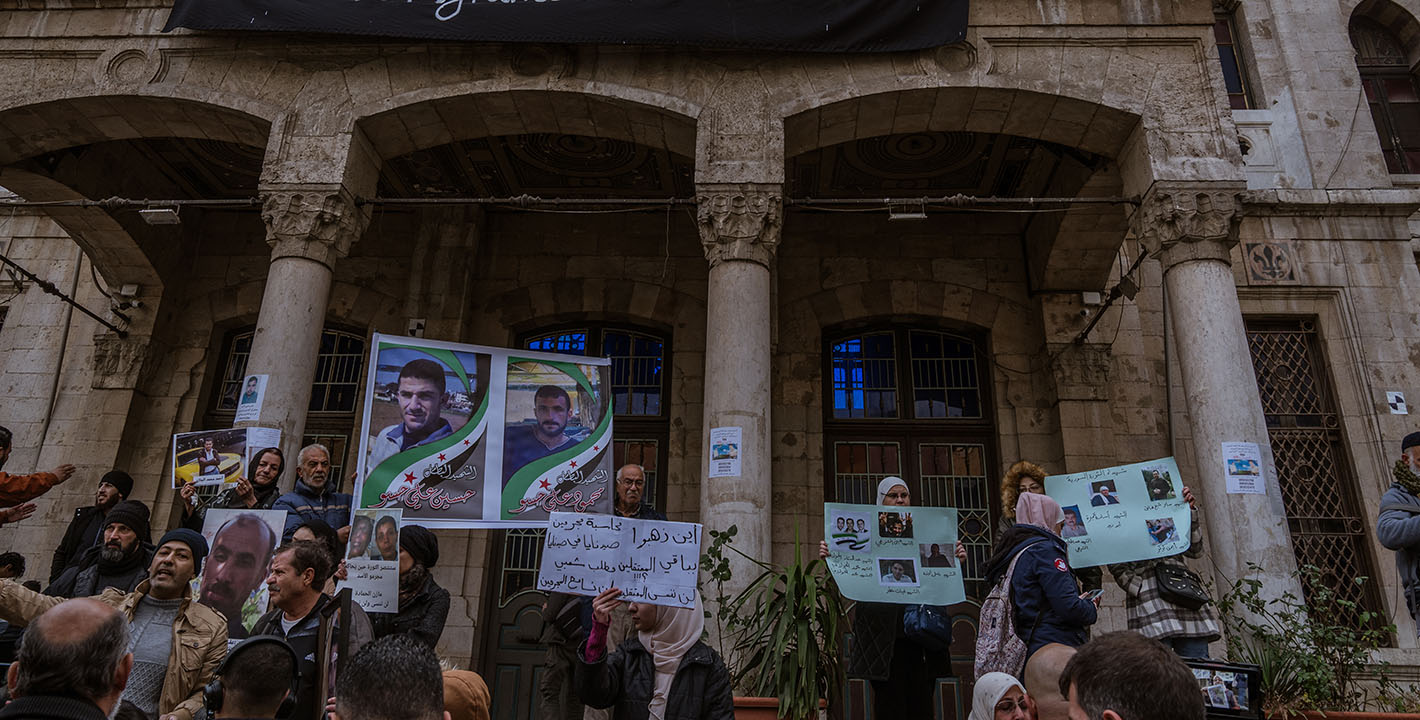
Reconciliation councils are emerging throughout the country to mediate in intracommunal disputes, many from the war years.
Natacha Danon
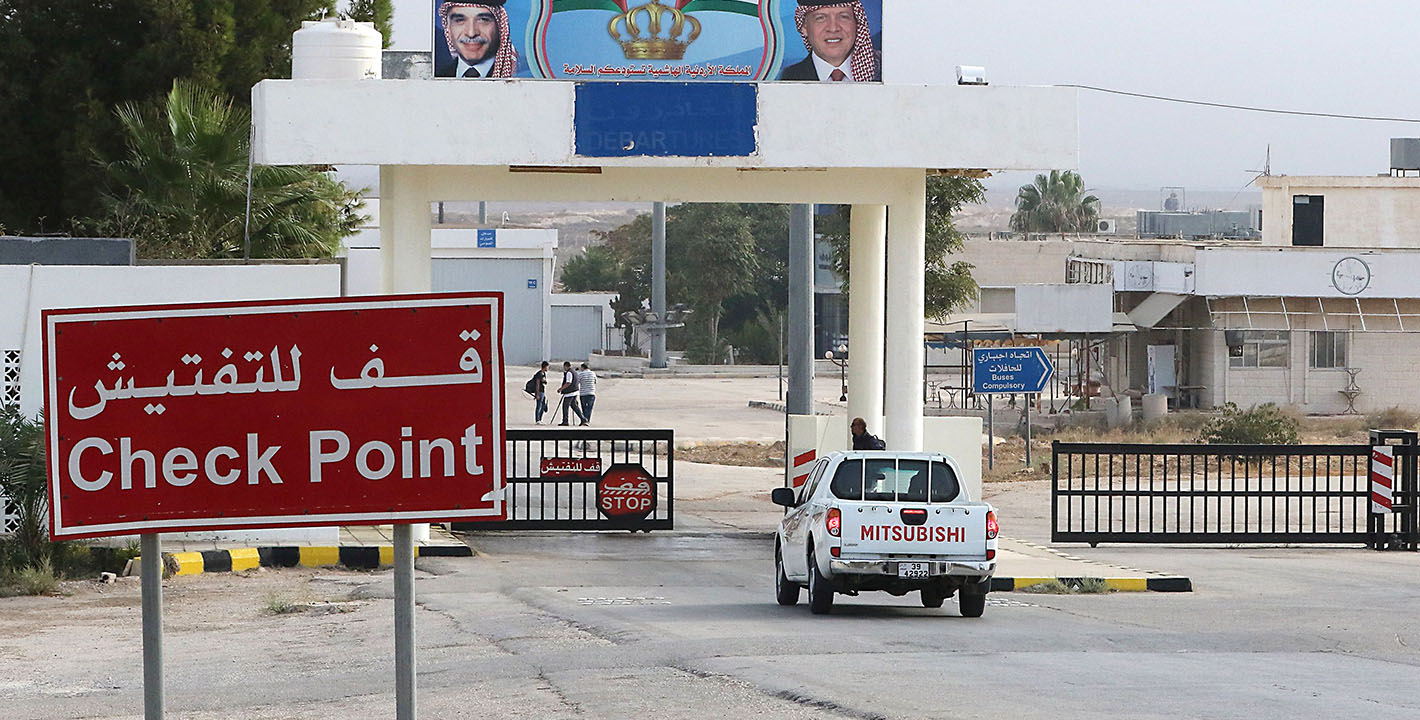
The civil war in Syria may have ended, but the country continues to serve as a source for the trafficking of illegal substances into and via Jordanian territory.

Armenak Tokmajyan, Laith Qerbaa
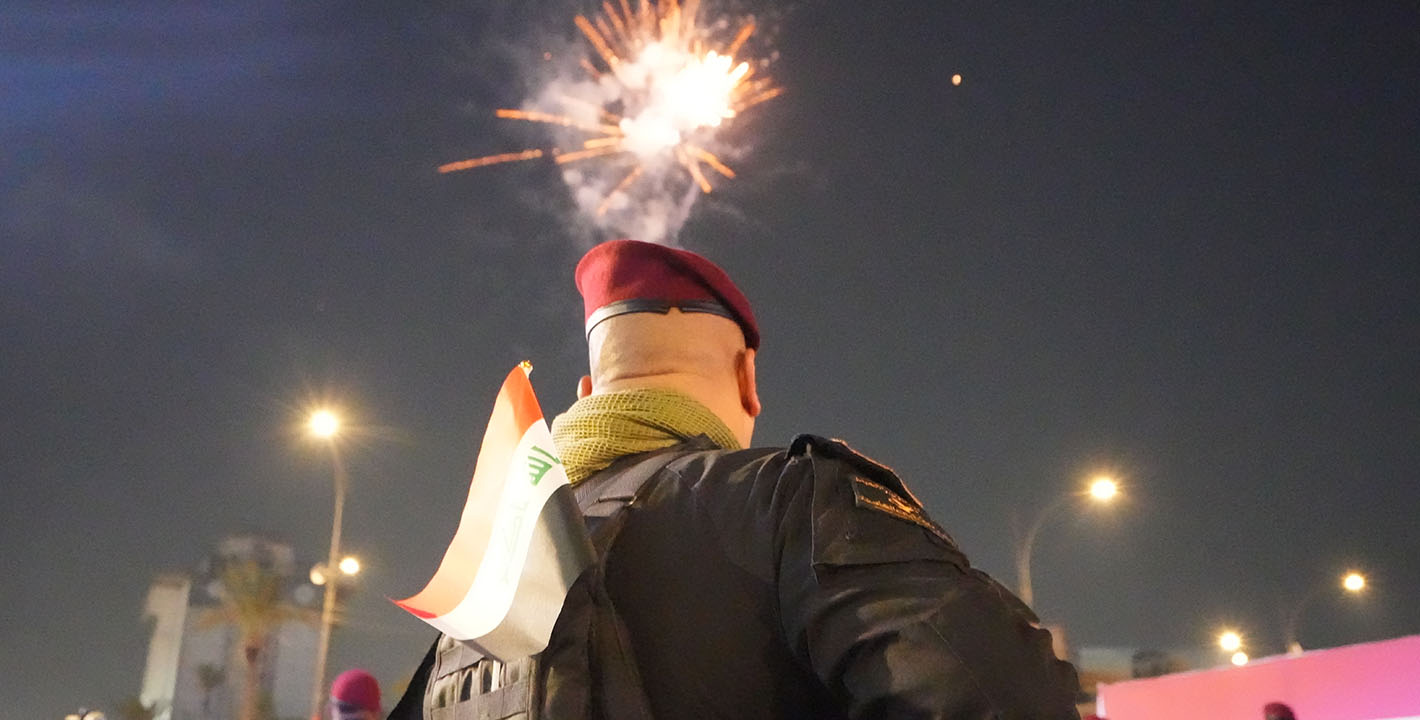
As the U.S.-led Coalition withdraws, the Kurds’ reliance on Baghdad, and on themselves, will only increase.
Wladimir van Wilgenburg
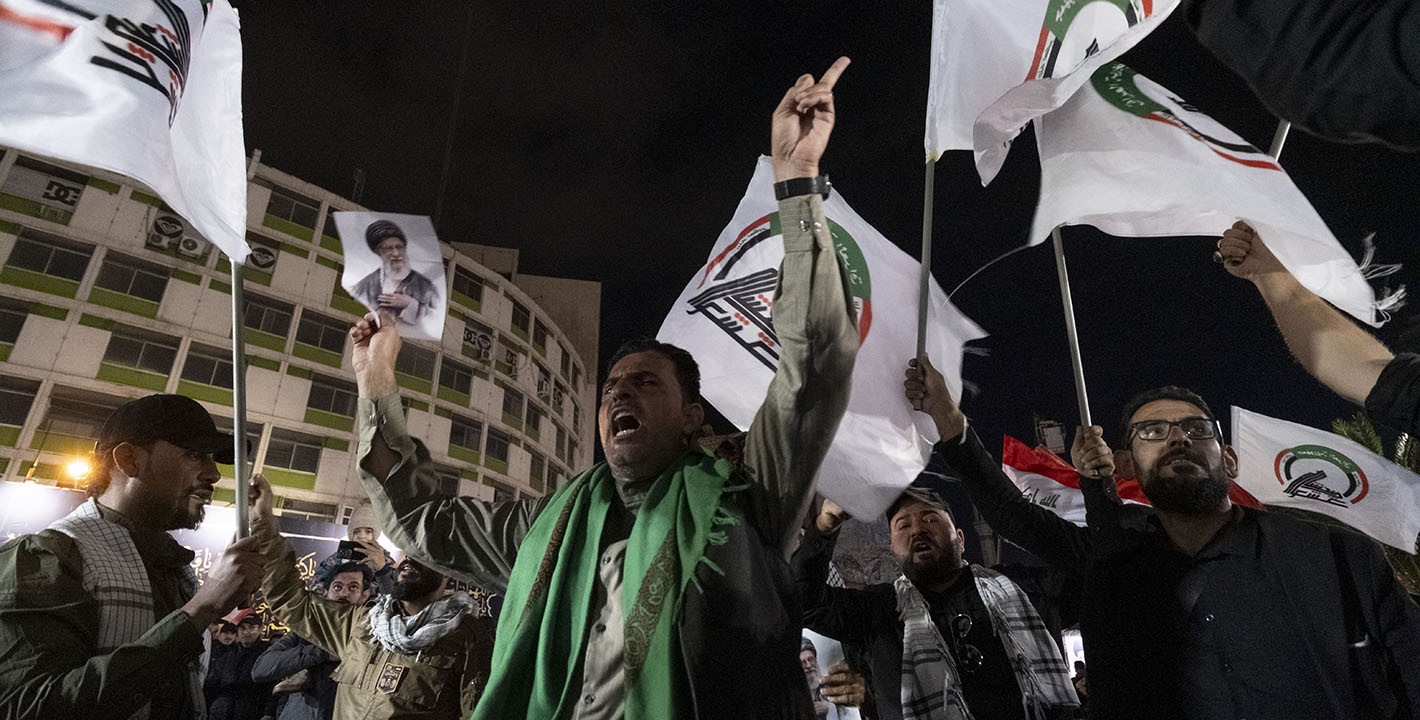
The Zaidi government’s objective to collect weapons is constrained by regional conflict, but it can take certain measures at home.
Ali Al-Mawlawi
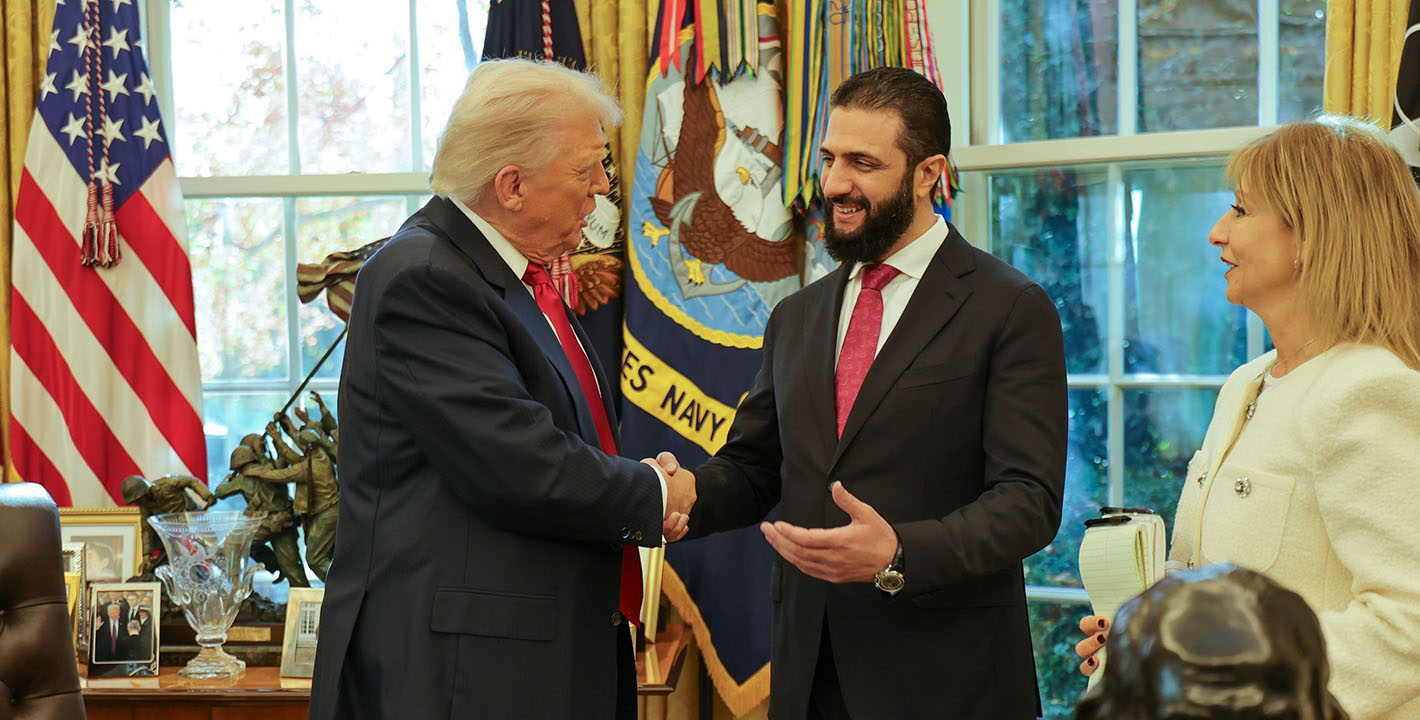
Any move by the United States to make good on Trump’s suggestion that Washington persuade Damascus to confront Hezbollah militarily would have catastrophic consequences.

Kheder Khaddour