

Research
- +6
Yasmine Farouk, Nathan J. Brown, Maysaa Shuja Al-Deen, …
{
  "authors": [
    "Michele Dunne"
  ],
  "type": "legacyinthemedia",
  "centerAffiliationAll": "dc",
  "centers": [
    "Carnegie Endowment for International Peace",
    "Malcolm H. Kerr Carnegie Middle East Center"
  ],
  "collections": [],
  "englishNewsletterAll": "menaTransitions",
  "nonEnglishNewsletterAll": "",
  "primaryCenter": "Carnegie Endowment for International Peace",
  "programAffiliation": "MEP",
  "programs": [
    "Middle East"
  ],
  "projects": [],
  "regions": [
    "North Africa",
    "Egypt"
  ],
  "topics": [
    "Political Reform"
  ]
}
Source: Getty
Egypt has changed significantly in the past decades, as spheres of public activity that once were off limits -- free media and civil society advocacy -- have become legitimate in the eyes of the government, and even more important, in the eyes of Egyptian citizens.
Source: Foreign Policy

But rather than trying to puzzle out how change might come in Egypt, perhaps it is more useful to describe in broad terms what has already changed. Looking at political life, when I think of the Egypt of ten years ago (let alone 20 or 30), I can hardly believe how different it is today. As recently as 2000, Egyptians got their information primarily from government-controlled media and public discussion of controversial issues was tightly limited. Ask Saad Eddin Ibrahim, who landed in jail that year for making a joke about the possibility that Egypt would attempt a hereditary succession along the lines of Syria's. Now, while journalists and bloggers still face harassment, the train has left the station when it comes to media. The independent daily al-Masry al-Youm outsells the government papers, satellite talk shows probe into sensitive corners of political and social life, and young journalists and bloggers are as ubiquitous in Cairo as taxicabs. A few taboos remain, notably any direct criticism of the Egyptian military.
Similarly, ten years ago leaders or employees of non-governmental organizations treating sensitive issues such as human rights or political freedom were treated as enemies of the state, subject to frequent harassment and always in fear of arrest or intimidation. Parents would be concerned for the future of a son or daughter who went to work for such an NGO. Now, while NGO leaders are still not beloved by the government, they have the ear of the public. Their opinions appear prominently in the independent media, but also sometimes on the pages of government organs such as al-Ahram. Egyptian government officials give them a polite (if irritated) hearing in the U.N. Human Rights Council and are obligated to reply to their recommendations. And working for a human rights NGO no longer places a young Egyptian on the fringes of society; it has become legitimate in many social quarters.
This is where I see some of the big changes. There are spheres of public activity that once were off limits -- free media and civil society advocacy -- that now have become legitimate in the eyes of the government, and even more important, in the eyes of Egyptian citizens. While the regime will still occasionally make an example of a journalist or civil society activist, increasingly Egyptians view this as unacceptable, as injustice rather than as expected punishment for transgressing unwritten rules. Witness the surprisingly vigorous reaction to the beating death of Khaled Said in early June. Egyptian citizens increasingly act as though they believe they have certain rights and should not be subjected to the caprices of the regime.
There is another sphere of public activity that has not yet become legitimate in Egypt, but that might be getting there, and that is political contestation. So far, most Egyptians do not behave as though they have the right to choose their rulers and call them to account through the ballot box. Certainly the regime does not consider politics to be legitimate. But the surprisingly positive reaction of Egyptian citizens to the seven-point initiative of Mohammed ElBaradei --which would make real political contestation legitimate -- suggests that the idea is gaining ground among the public. Whether or not Dr. ElBaradei gets his million signatures (apparently he is about 20 percent along the way after a few months), if citizens on a large scale start acting as though they want and deserve open political contestation, we are looking at big change. And if that happens, the United States will have some tough choices to make about whether it values more its friendship with the regime or with the people of Egypt.

Former Nonresident Scholar, Middle East Program
Michele Dunne was a nonresident scholar in Carnegie’s Middle East Program, where her research focuses on political and economic change in Arab countries, particularly Egypt, as well as U.S. policy in the Middle East.
Recent Work


Yasmine Farouk, Nathan J. Brown, Maysaa Shuja Al-Deen, …
Robert Springborg, Emile Hokayem, Becca Wasser, …
Carnegie does not take institutional positions on public policy issues; the views represented herein are those of the author(s) and do not necessarily reflect the views of Carnegie, its staff, or its trustees.

The armed forces champion a form of capitalism that is generating revenue, but its reliance on rent faces diminishing returns, leaving the country with massive sunk costs and deferred returns, deepening dependency on external borrowing.

Yezid Sayigh
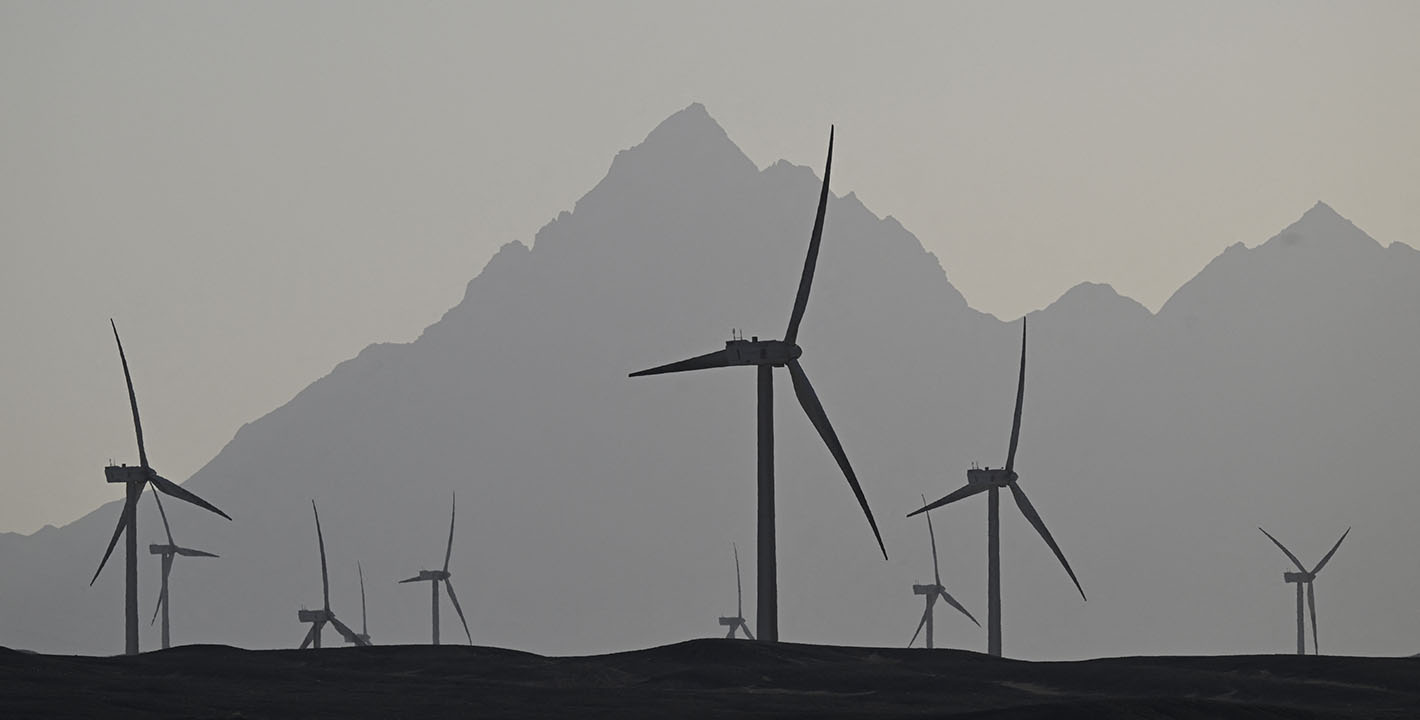
There is a disturbing structural parallel between the old global energy economy and the new green transition.

Angie Omar
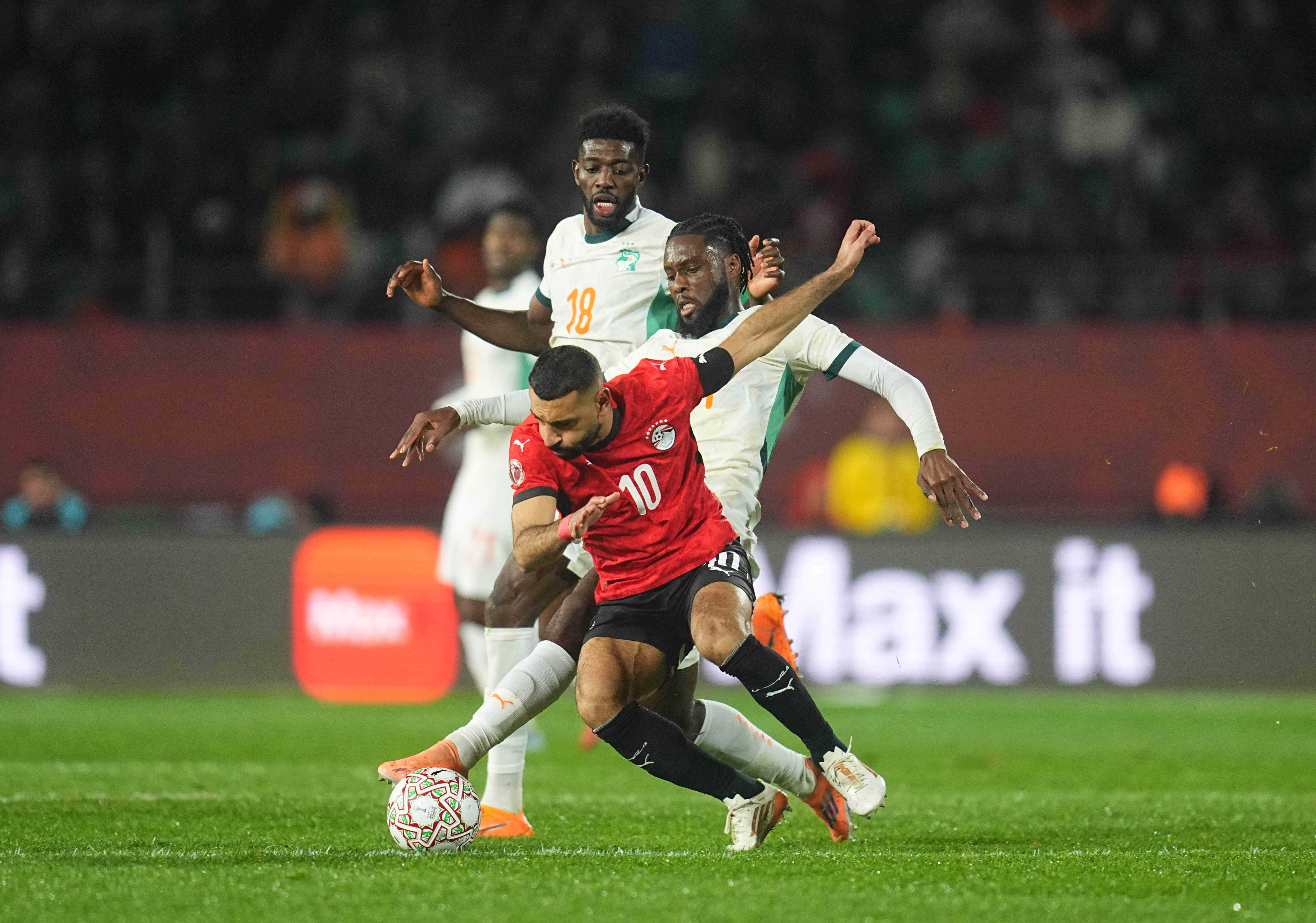
This will be the region’s most representative tournament, amid broad changes in its footballing landscape.
Issam Kayssi
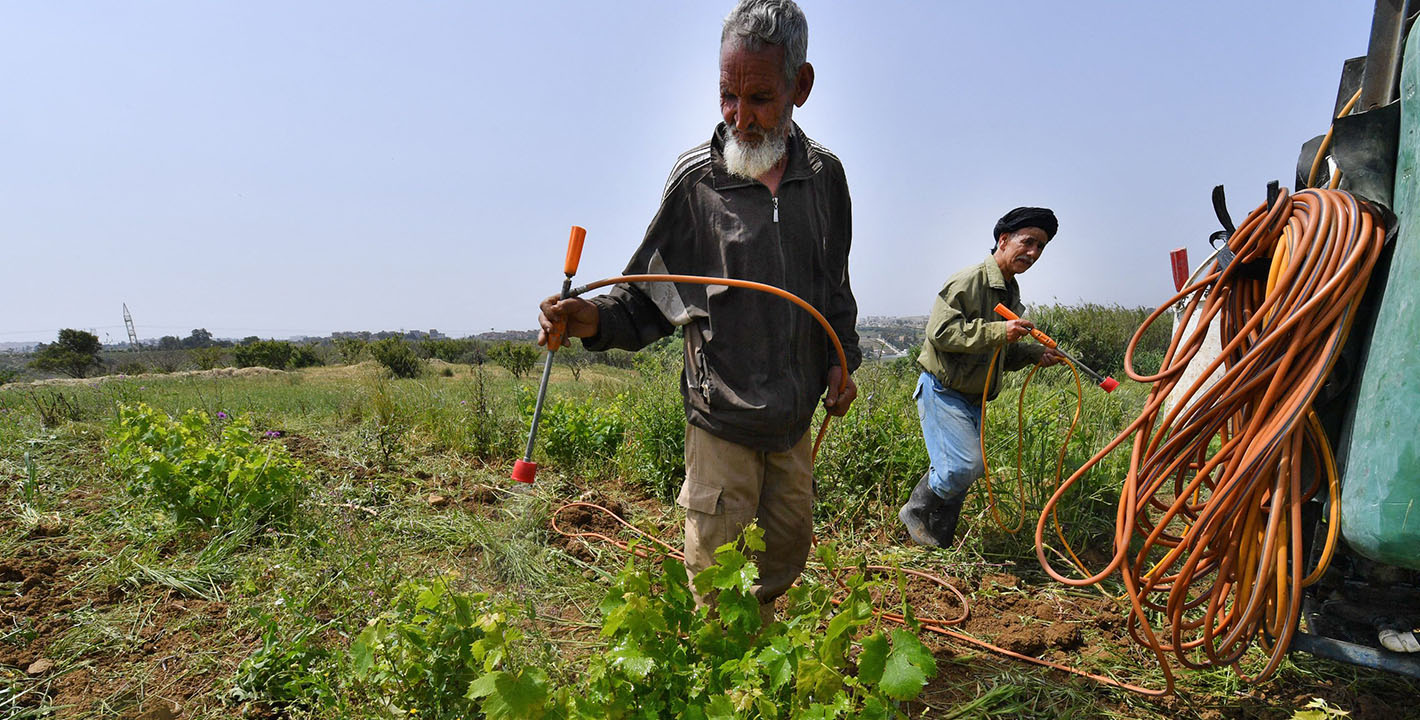
Understanding how farmers in the Oued Sahel-Soummam Valley grapple with climate change is essential for addressing the paradoxes through which adaptation, operating at both individual and institutional levels, deepens the region’s vulnerability and erodes the social fabric and agrarian identity that once defined life.
Ilyssa Yahmi
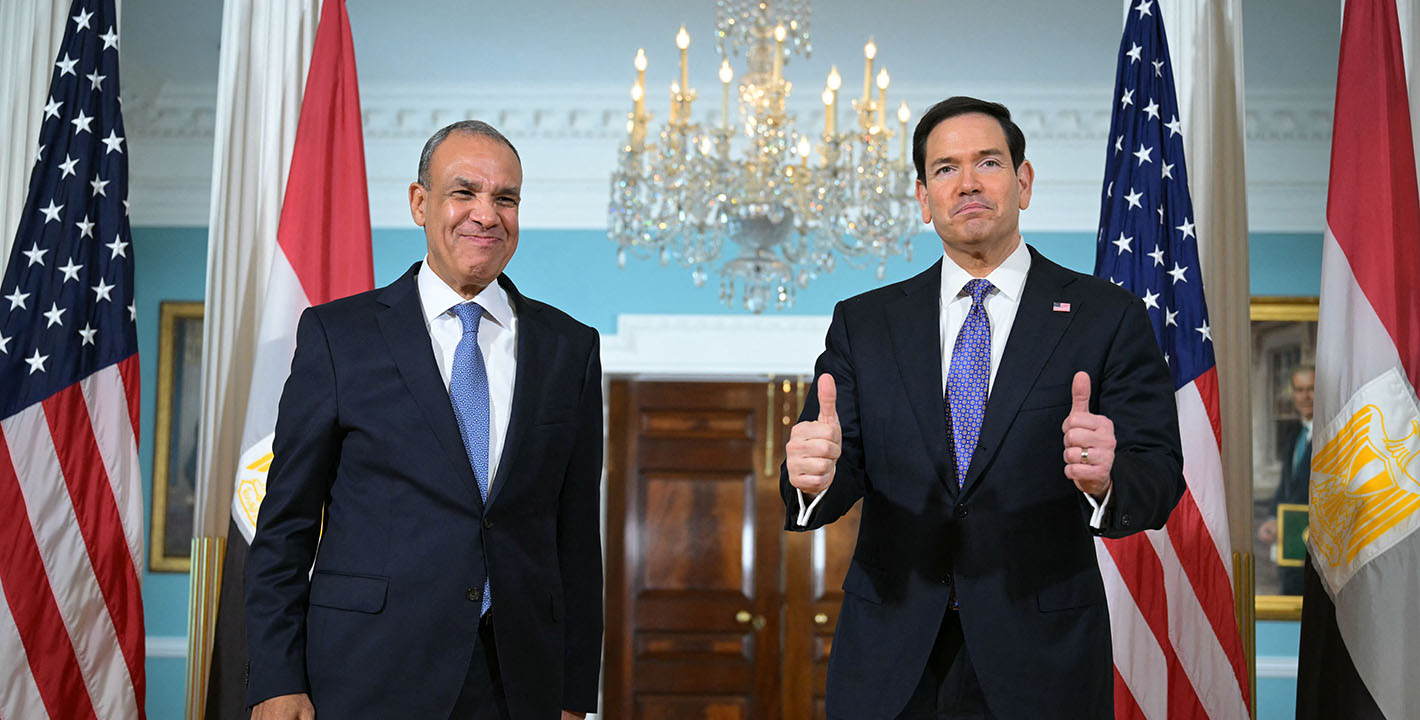
Cairo’s efforts send a message to the United States and the region that it still has a place at the diplomatic table.
Angie Omar