

Paper
Thomas Carothers
{
  "authors": [
    "Thomas Carothers"
  ],
  "type": "legacyinthemedia",
  "centerAffiliationAll": "dc",
  "centers": [
    "Carnegie Endowment for International Peace"
  ],
  "collections": [],
  "englishNewsletterAll": "democracy",
  "nonEnglishNewsletterAll": "",
  "primaryCenter": "Carnegie Endowment for International Peace",
  "programAffiliation": "DCG",
  "programs": [
    "Democracy, Conflict, and Governance"
  ],
  "projects": [],
  "regions": [],
  "topics": [
    "Political Reform",
    "Democracy"
  ]
}
Source: Getty
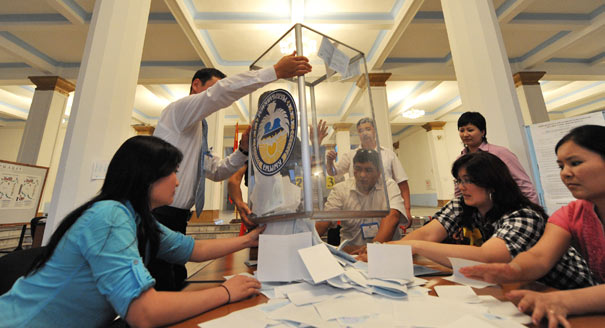
Scholars of comparative democratization can advance debate on how to develop and sustain democracies by avoiding the frameworks that often limit the democracy policy community.
Source: APSA Comparative Democratization Newsletter

I have been in all three of these meetings during the past few months. They are a representative sample of the demands for research-based insight on democratization and democracy support that bubble up regularly from the policy world. The first two meetings raised questions both about comparative political trajectories and choices relating to democracy support policies and programs. The third added the issue of links between democracy aid and socio-economic development.
From none of these three meetings did the policy officials come away fully satisfied. On Iran, they did not hear a clear consensus on the prospects for regime survival. Nor did they hear consensus about how much outsiders could or should do to help the Iranian opposition. On Russia, considerable uncertainty prevailed about the likely future of the current political system and no big new idea on democracy promotion emerged to galvanize the room. On aid and development, no clear, broad-gauged research findings were offered that would lend themselves to the formulation of headline-style policy directives.
Yet, in all three gatherings, some accumulated learning surfaced; the conversations were not barren. The situation in Iran was analyzed in the light of research about successful and unsuccessful electoral revolutions—with some insights available about the conditions under which such revolutions succeed or fail and what types of outside support were most significant in contributing to them. At least some light was shed on Russia’s apparent political exceptionalism based on research on differing forms of competitive authoritarianism, the methods such regimes use to check externally-sponsored democracy promotion, and the potentialities of local level democratic initiatives. And although the broad question of what forms of democracy support best advance socio-economic development remained resistant to simple answer, the democracy mavens offered some insights about constituent parts of the puzzle, such as the effects of governance gains on policymaking, the wider value of elections, the ties between strengthened local level civil society development and better government performance...

Harvey V. Fineberg Chair for Democracy Studies; Senior Fellow, Democracy, Conflict, and Governance Program
Thomas Carothers, a senior fellow in the Carnegie Endowment for International Peace’s Democracy, Conflict, and Governance Program, is a leading expert on comparative democratization and international support for democracy.
Recent Work
Thomas Carothers
Thomas Carothers
Carnegie does not take institutional positions on public policy issues; the views represented herein are those of the author(s) and do not necessarily reflect the views of Carnegie, its staff, or its trustees.
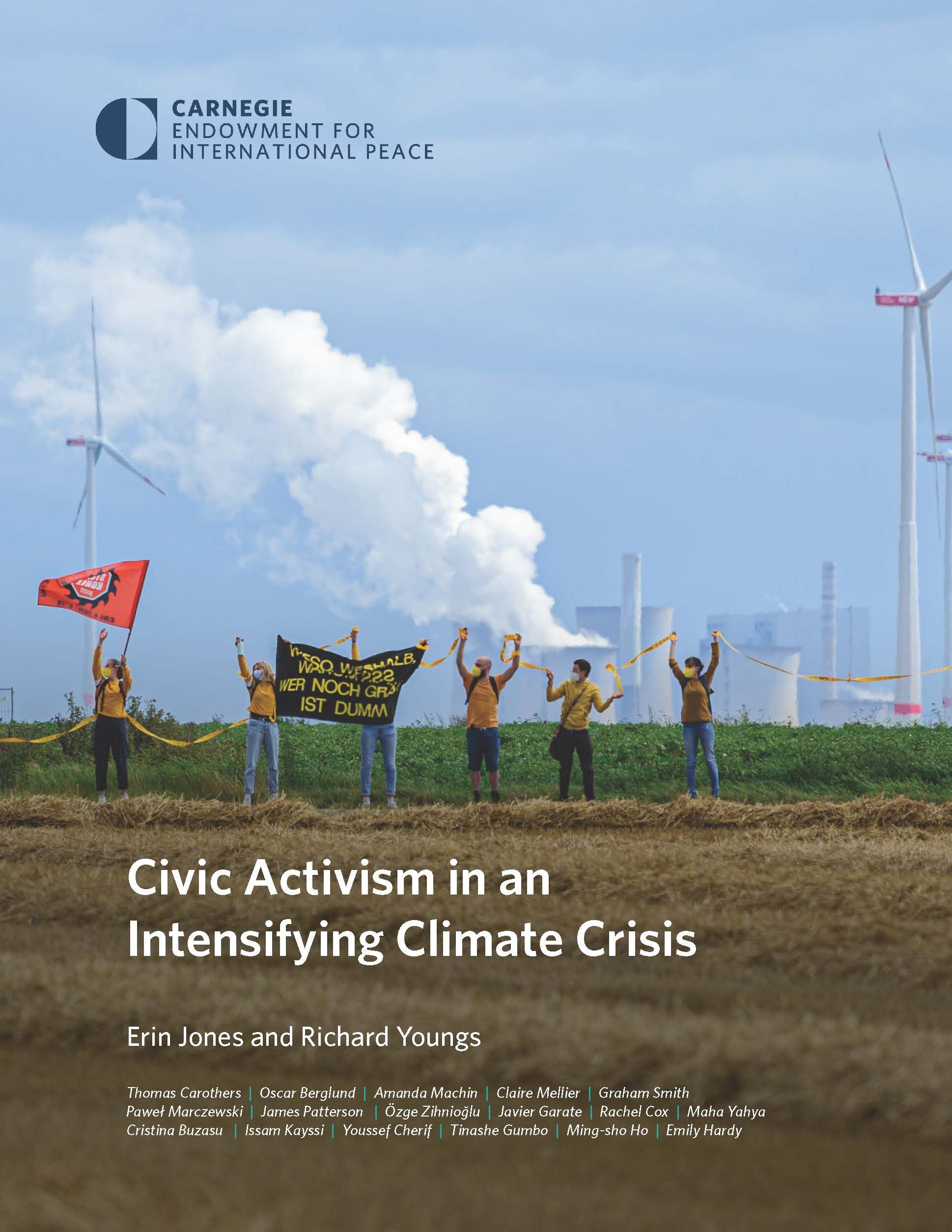
To address the deepening climate crisis, climate activism is employing a wider variety of tactics and aiming at a broader set of goals. In response, the movement faces stronger repression and civic backlash against climate action.

Erin Jones, Richard Youngs
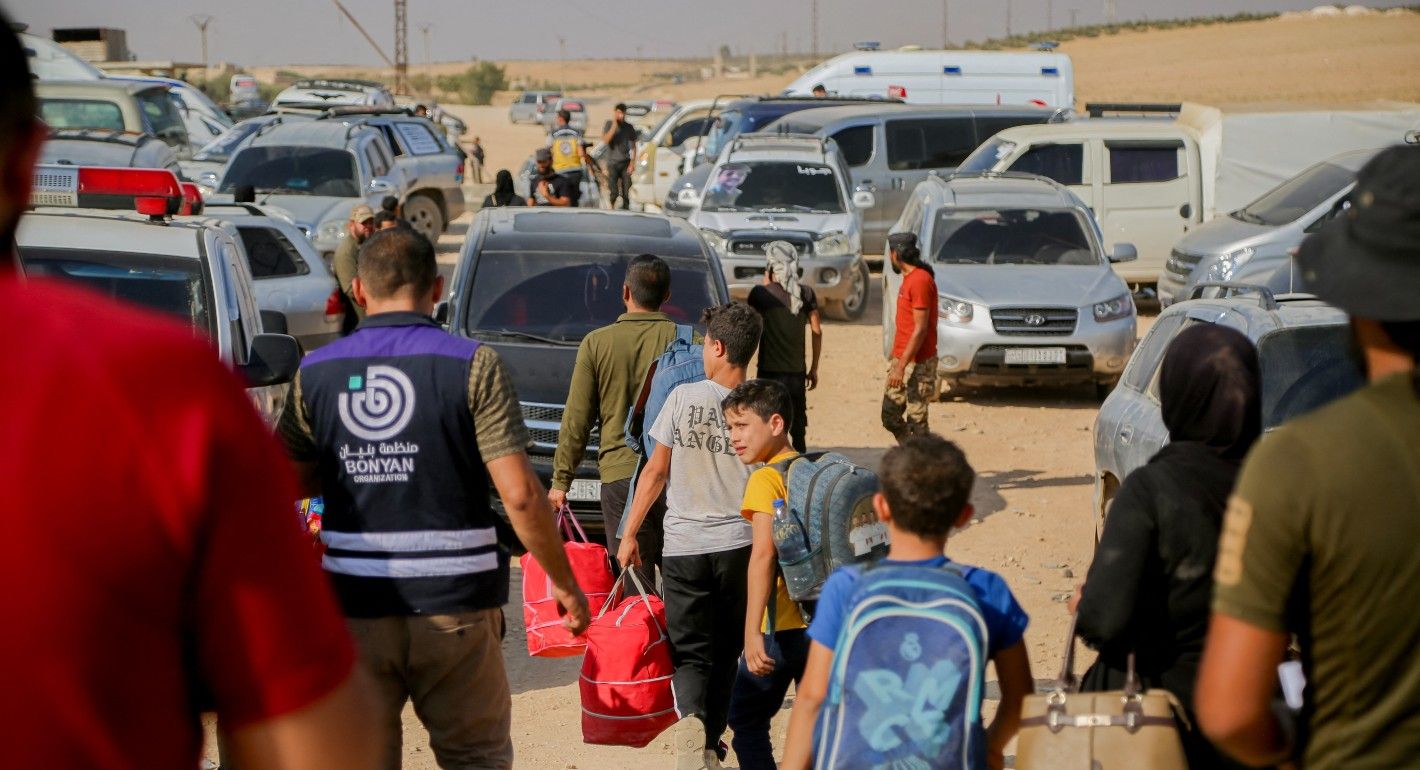
A humanitarian crisis in Lebanon deepens, and Syrian refugees face a perilous choice: remain in a war-torn environment or return to Syria where they risk encountering significant dangers and discrimination. There are significant challenges and risks to their search for safety in Syria.
Haid Haid
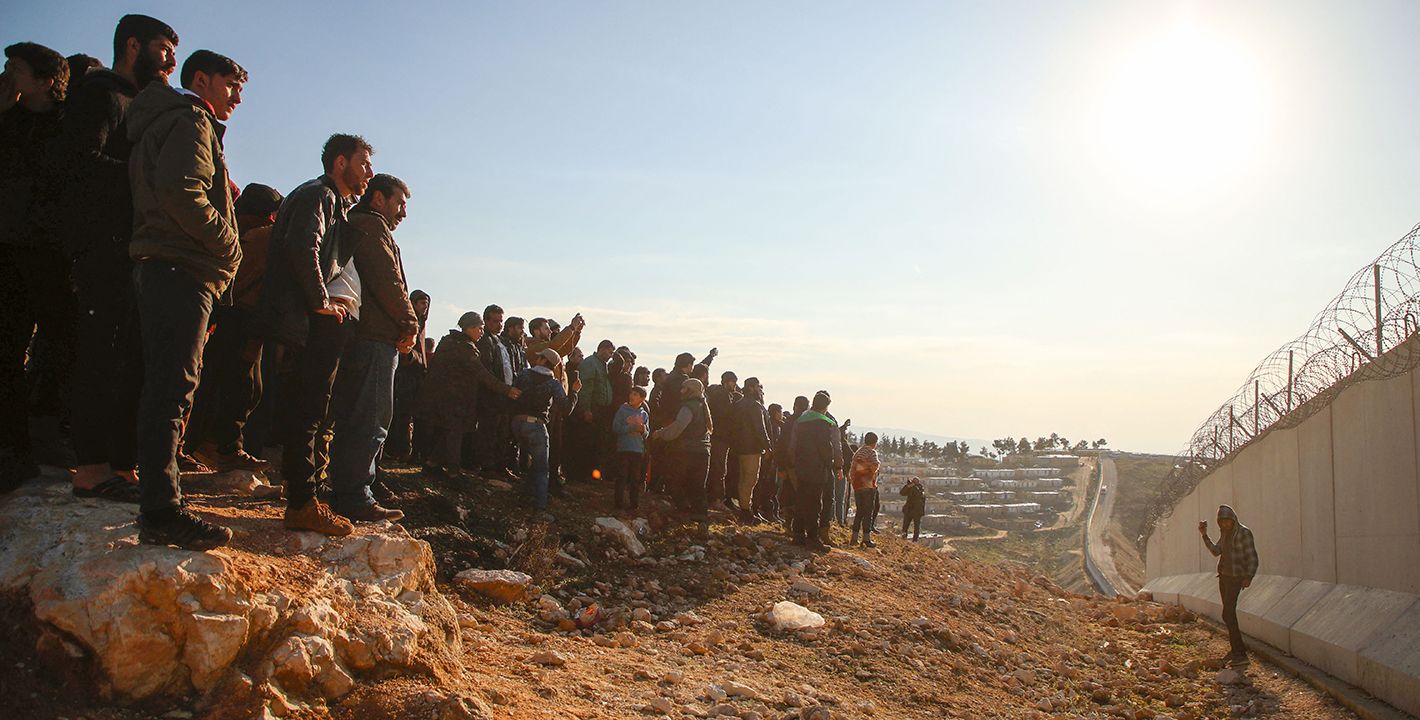
In Syria’s border regions, changes in demographics, economics, and security mean that an inter-Syrian peace process will require consensus among main regional powers that Syria must remain united, that no one side can be victorious, and that perennial instability threatens the region.


Kheder Khaddour, Armenak Tokmajyan
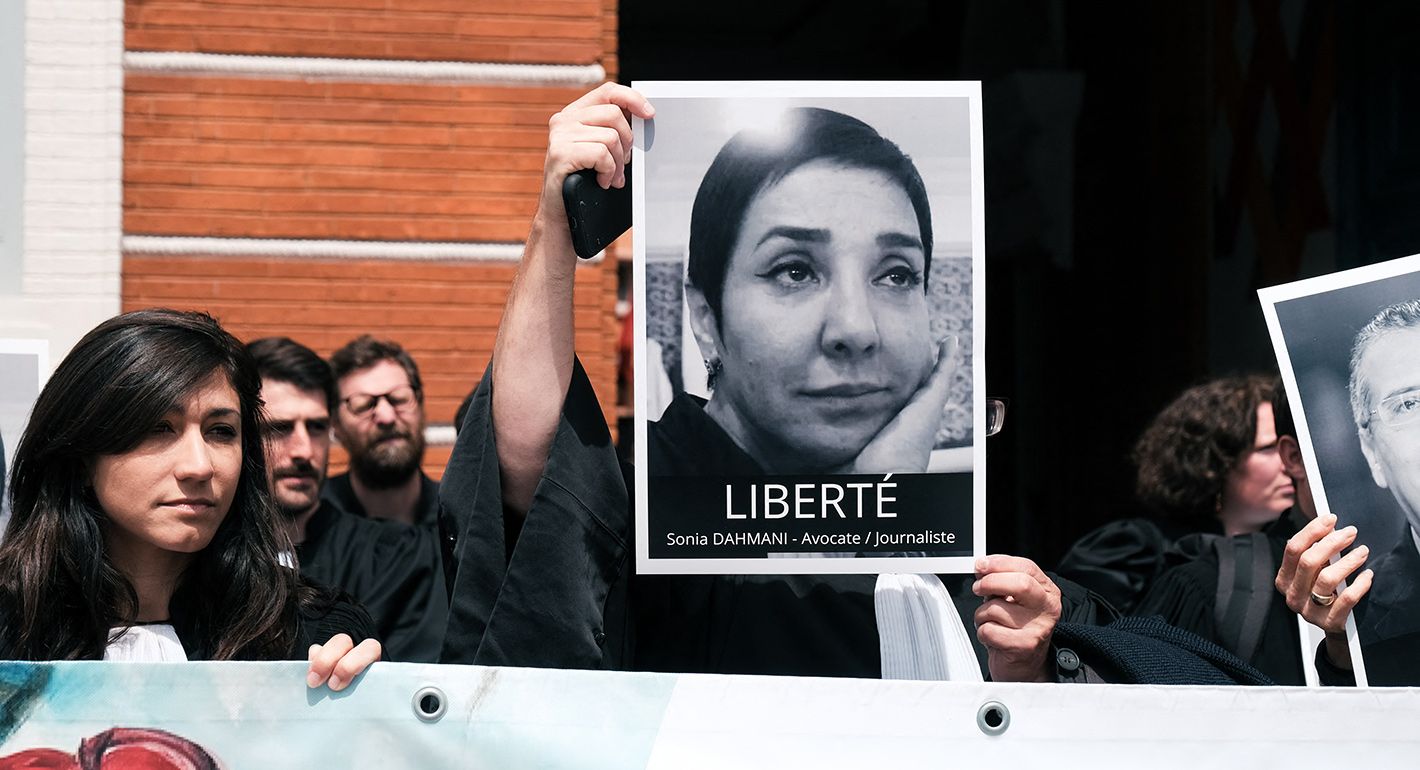
For many in the society, the post-Ben Ali years were mainly about successive economic crises and political instability.
Jasmine Khelil
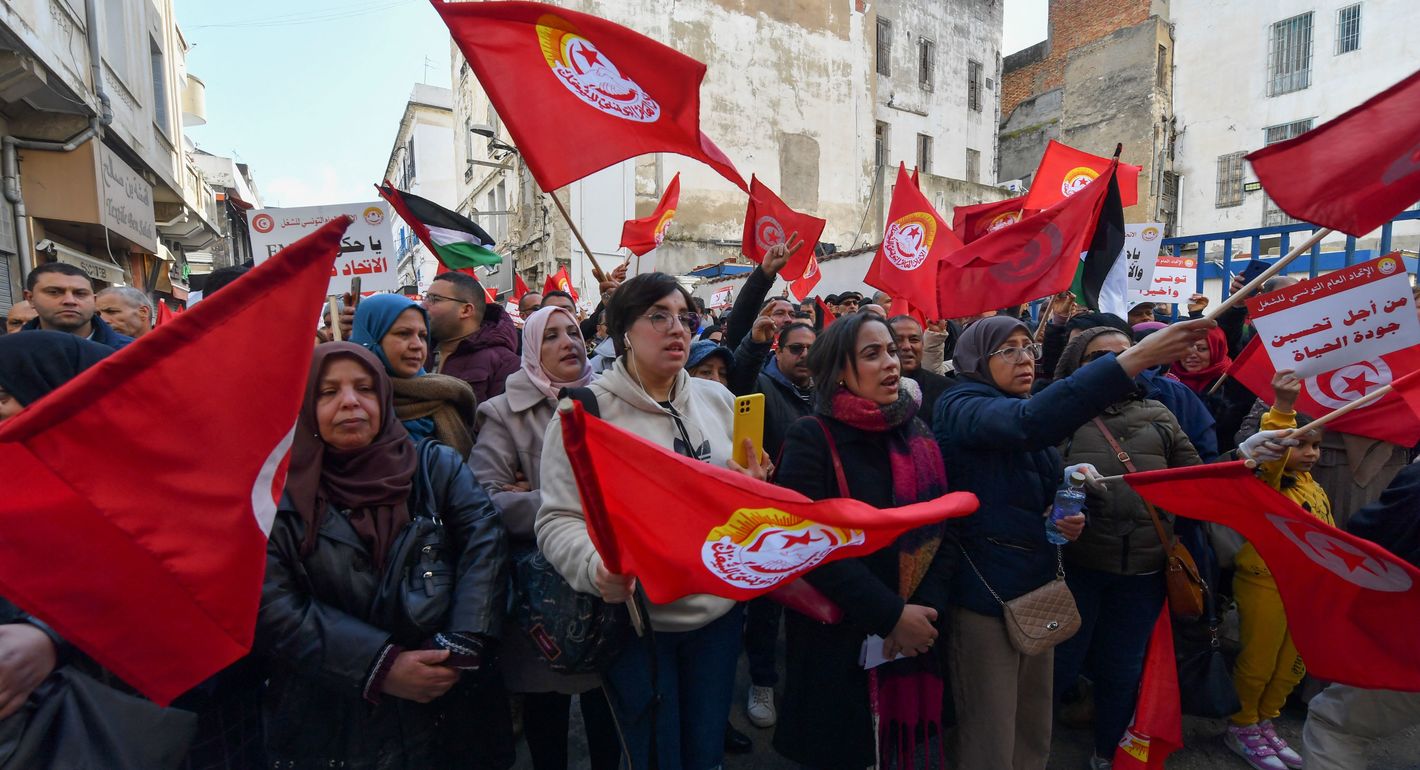
As members, organizers, and leaders, women continue to play an important role in the General Union of Tunisian Workers and advance its political advocacy.
Heba F El-Shazli