

Commentary
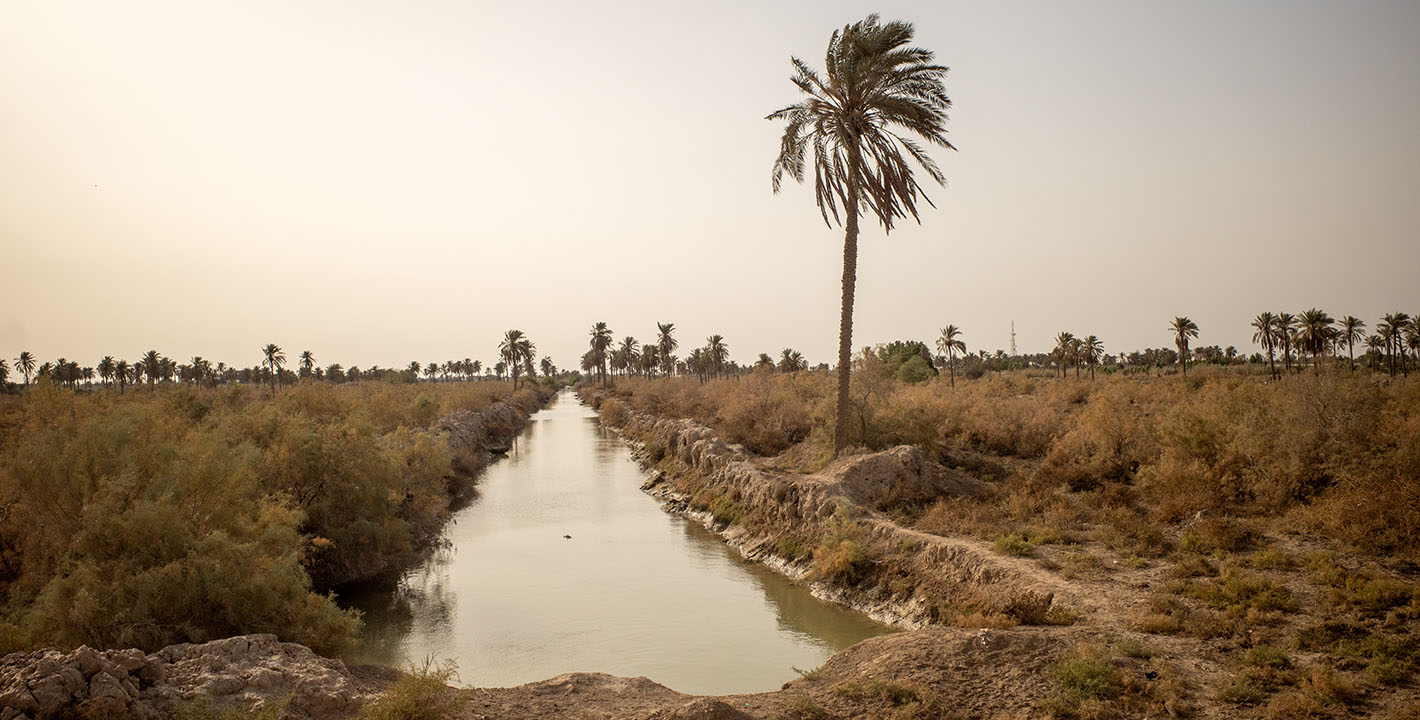
Across the Middle East and North Africa, climate stress interacts with economic fragility, governance failures, social marginalization, and conflict.
Camille Ammoun
{
  "authors": [],
  "type": "pressRelease",
  "centerAffiliationAll": "dc",
  "centers": [
    "Carnegie Endowment for International Peace"
  ],
  "collections": [],
  "englishNewsletterAll": "ctw",
  "nonEnglishNewsletterAll": "",
  "primaryCenter": "Carnegie Endowment for International Peace",
  "programAffiliation": "SCP",
  "programs": [
    "Sustainability, Climate, and Geopolitics"
  ],
  "projects": [],
  "regions": [
    "Caucasus",
    "Russia",
    "North America"
  ],
  "topics": [
    "Climate Change"
  ]
}
REQUIRED IMAGE
Russia, the world’s largest oil producer, is actively seeking new outlets for oil exports.
WASHINGTON, December 15—Russia, the world’s largest oil producer, is actively seeking new outlets for oil exports. While the economic rationale for this is limited, Moscow perceives significant strategic gains in pursuing a policy that will likely bring rewards ranging from positioning Russia as a strategic partner with China to gaining more leverage over oil transit countries and Caspian producers, writes Adnan Vatansever in a new paper.
This export strategy carries with it considerable policy and economic implications for the European Union, particularly some of its newer members, as well as for the United States. To enhance the stability of oil supplies and improve energy security in Europe, Vatansever outlines three key recommendations for U.S. policy makers:
“As Russia expands its oil export network and the future destination of its oil exports becomes increasingly uncertain, Washington needs to promote transparency, stability, and predictability,” writes Vatansever.
NOTES
Adnan Vatansever is a senior associate in the Energy and Climate Program at the Carnegie Endowment. He specializes in the energy sectors of the former Soviet republics and Eastern Europe. His particular focus is on energy efficiency and carbon reduction, energy security, and Russia’s economic diversification. Before joining Carnegie, he worked as a senior associate for Cambridge Energy Research Associates (IHS CERA).
The Carnegie Energy & Climate Program engages global experts working in energy technology, environmental science, and political economy to develop practical solutions for policy makers around the world. The program aims to provide the leadership and the policy framework necessary for minimizing risks stemming from global climate change and reducing competition for scarce resources.
Press Contact: David Kampf, 202-939-2233, pressoffice@ceip.org
Carnegie does not take institutional positions on public policy issues; the views represented herein are those of the author(s) and do not necessarily reflect the views of Carnegie, its staff, or its trustees.
Across the Middle East and North Africa, climate stress interacts with economic fragility, governance failures, social marginalization, and conflict.
Camille Ammoun
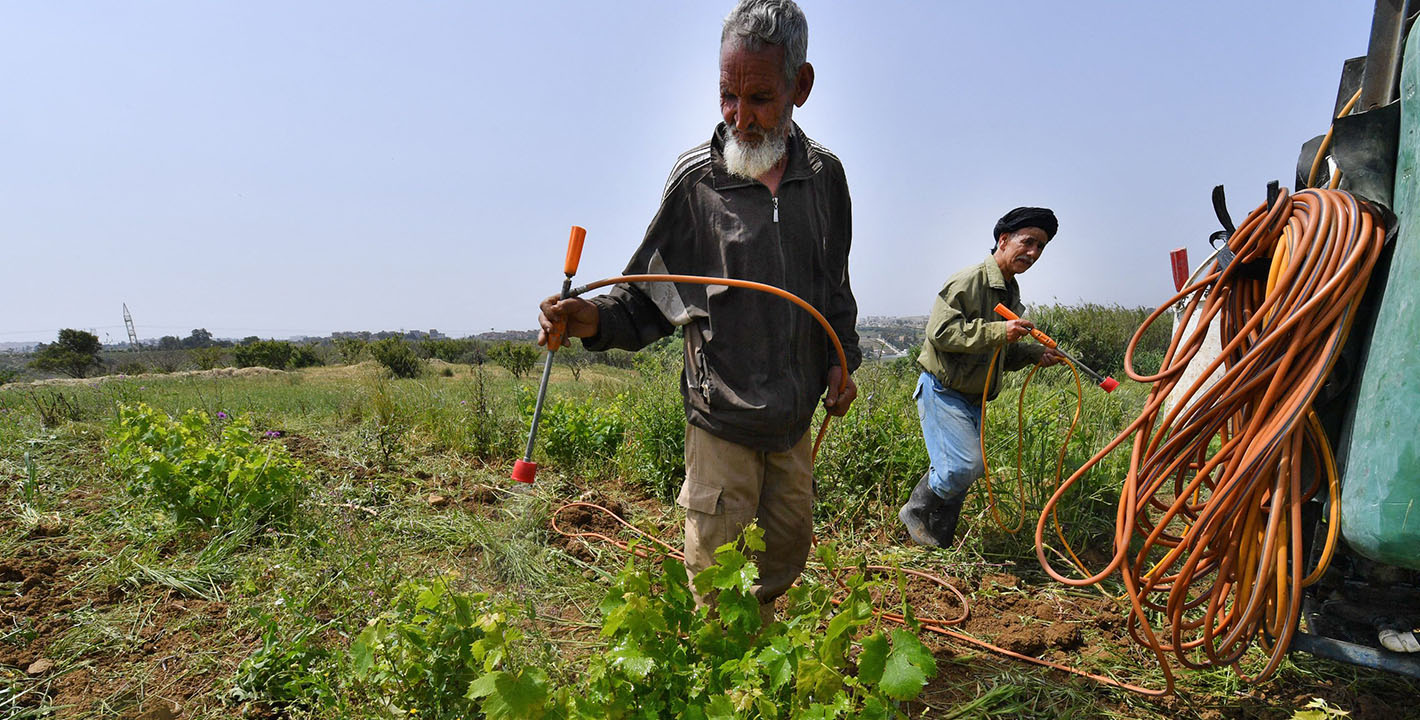
Understanding how farmers in the Oued Sahel-Soummam Valley grapple with climate change is essential for addressing the paradoxes through which adaptation, operating at both individual and institutional levels, deepens the region’s vulnerability and erodes the social fabric and agrarian identity that once defined life.

Ilyssa Yahmi
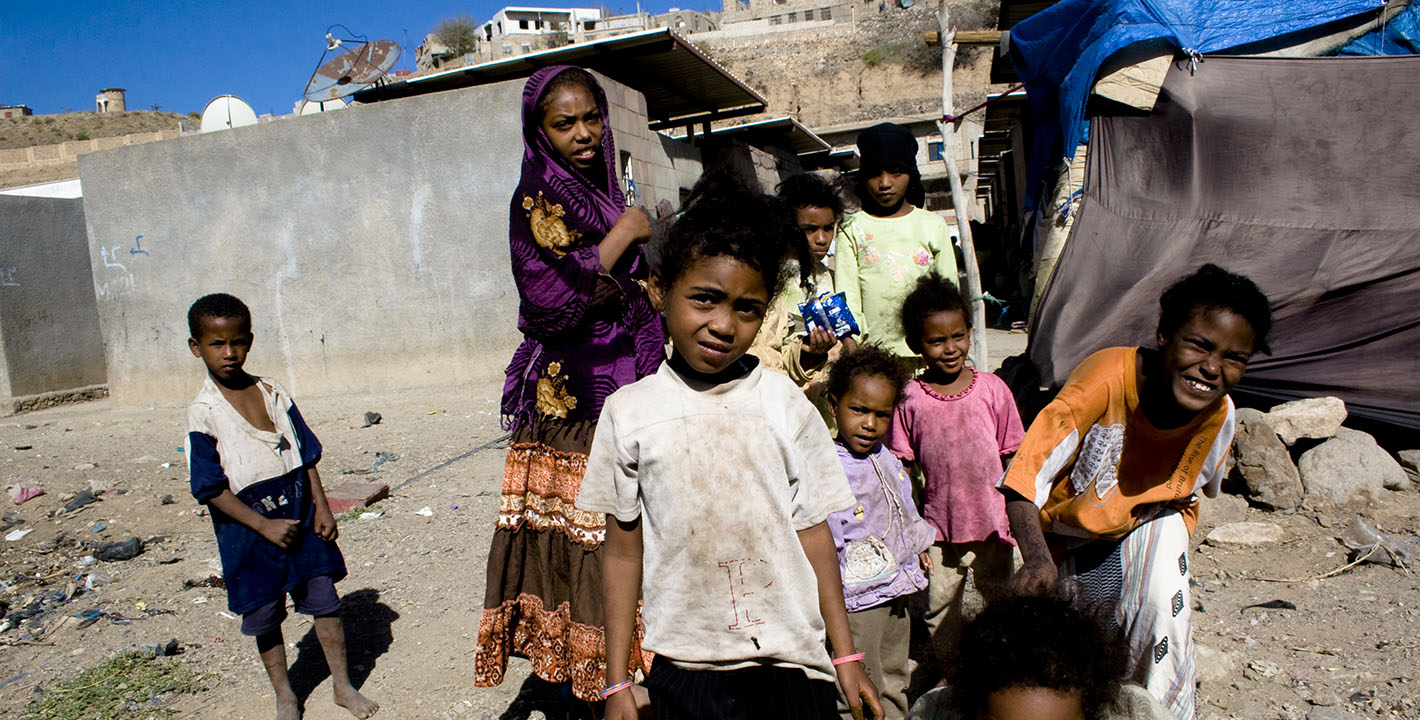
The community already suffers social discrimination, so addressing inequalities requires sustained interventions.
Musaed Aklan , Mohammad Al-Saidi
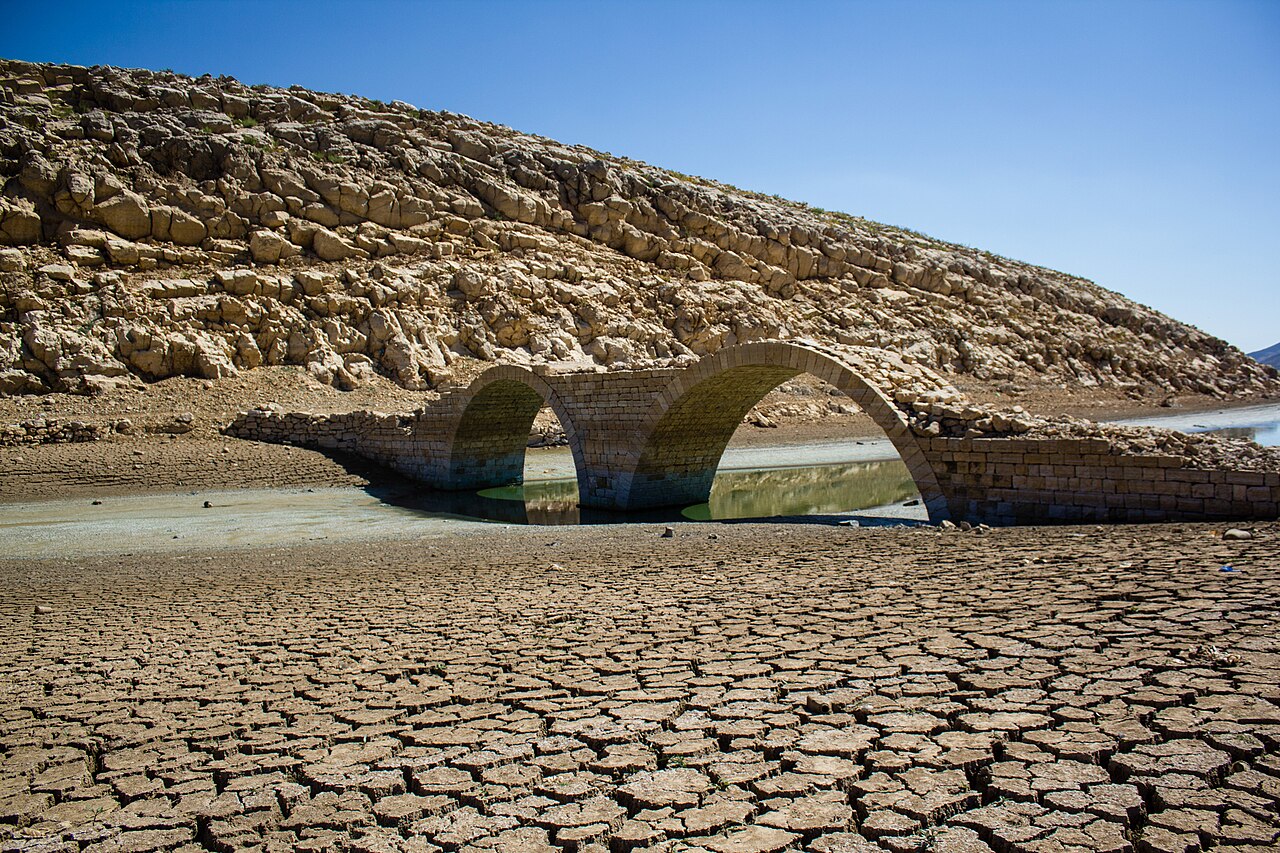
Lebanon’s largest water reservoir is a house of many mansions when it comes to converging failures.
Camille Ammoun
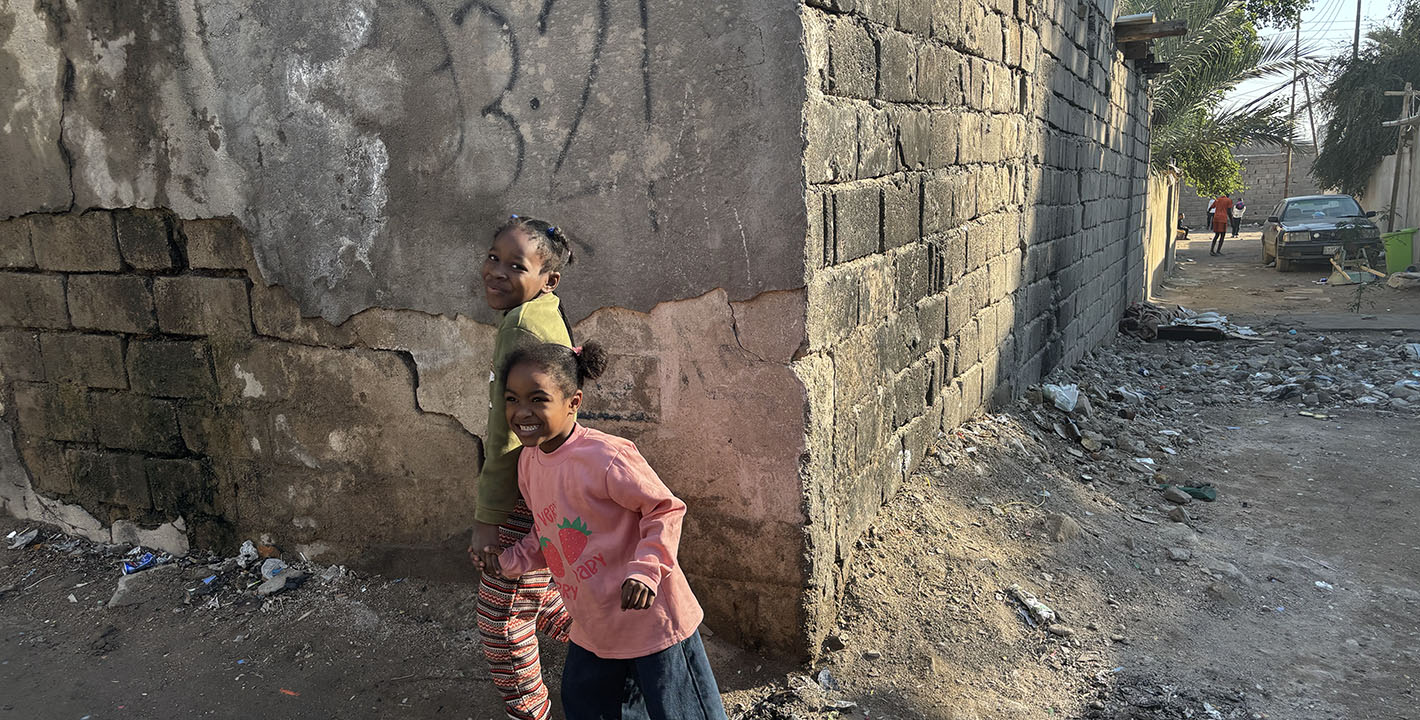
Afro-Iraqis experience political, economic, and social marginalization and discrimination, which exposes the poorest members of the community to the harsh realities of the region’s climate disaster.

Zeinab Shuker