• Research
  • Diwan
  • About
  • Experts
Carnegie Middle East logoCarnegie lettermark logo
LebanonIran
{
  "authors": [
    "Michele Dunne"
  ],
  "type": "legacyinthemedia",
  "centerAffiliationAll": "dc",
  "centers": [
    "Carnegie Endowment for International Peace",
    "Malcolm H. Kerr Carnegie Middle East Center"
  ],
  "collections": [
    "Arab Awakening"
  ],
  "englishNewsletterAll": "menaTransitions",
  "nonEnglishNewsletterAll": "",
  "primaryCenter": "Carnegie Endowment for International Peace",
  "programAffiliation": "MEP",
  "programs": [
    "Middle East"
  ],
  "projects": [],
  "regions": [
    "North Africa",
    "Egypt"
  ],
  "topics": [
    "Political Reform"
  ]
}
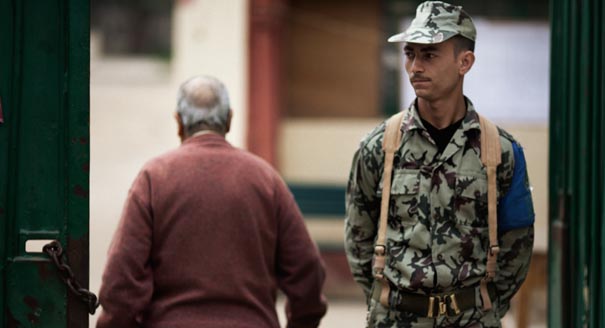
Source: Getty

In The Media

Forcing the Military to Choose

The Egyptian military will play a critical role in Egypt's transition period, but whether they will support a democratic transition or the status quo remains to be seen.

Link Copied
By Michele Dunne
Published on Feb 11, 2011

Source: New York Times

Forcing the Military to ChooseSo far the Egyptian military has patiently stuck with President Mubarak in his strategy of doling out concessions with an eyedropper, well past the point at which they would have made any impression on the demonstrators. It is not entirely clear how much of a decision-maker Mubarak will continue to be, or whether he has given much of those powers to Vice President Suleiman. In any event, Suleiman shows no signs of wanting to operate differently from Mubarak, and probably will continue to offer the occasional carrot while applying the stick.

Another question is whether the military will have a public voice separate from that of Mubarak and Suleiman. The Supreme Military Council's "communique #1" issued on Thursday said it would "support the legitimate demands of the people." That statement suggests an effort to establish such a voice, which is a striking departure from the past 20 years or so, in which the military did not speak on political issues. 
 
The Egyptian demonstrators seem to be gaining rather than losing momentum, and at some point soon may try to force the military to choose between the Mubarak/Suleiman regime and the Egyptian people. They could do this by marching en masse, several hundred thousand strong, to the presidential palace and threatening to go over the walls. Such tactics would place much more pressure on the military than it has experienced up until now.
 
The army would then have to choose between shooting at unarmed protesters or calling on the political leaders to step aside or to meet the protesters' main demands: that Mubarak resigns, the state of emergency be lifted, and the parliament dissolved. It is not clear how much communication there is between the army and the youth organizations steering the protests, and whether such scenarios have been discussed.

About the Author

Michele Dunne

Former Nonresident Scholar, Middle East Program

Michele Dunne was a nonresident scholar in Carnegie’s Middle East Program, where her research focuses on political and economic change in Arab countries, particularly Egypt, as well as U.S. policy in the Middle East.

    Recent Work

  • Research
    Islamic Institutions in Arab States: Mapping the Dynamics of Control, Co-option, and Contention
      • +6

      Yasmine Farouk, Nathan J. Brown, Maysaa Shuja Al-Deen, …
  • Research
    From Hardware to Holism: Rebalancing America’s Security Engagement With Arab States
      • +8

      Robert Springborg, Emile Hokayem, Becca Wasser, …

Michele Dunne
Former Nonresident Scholar, Middle East Program
Michele Dunne
Political ReformNorth AfricaEgypt

Carnegie does not take institutional positions on public policy issues; the views represented herein are those of the author(s) and do not necessarily reflect the views of Carnegie, its staff, or its trustees.
More Work from Malcolm H. Kerr Carnegie Middle East Center

  • Article
    Climate Pressures in Algeria: The Crisis in Rural Kabylie

    Understanding how farmers in the Oued Sahel-Soummam Valley grapple with climate change is essential for addressing the paradoxes through which adaptation, operating at both individual and institutional levels, deepens the region’s vulnerability and erodes the social fabric and agrarian identity that once defined life.
      Ilyssa Yahmi
  • Commentary
    Diwan
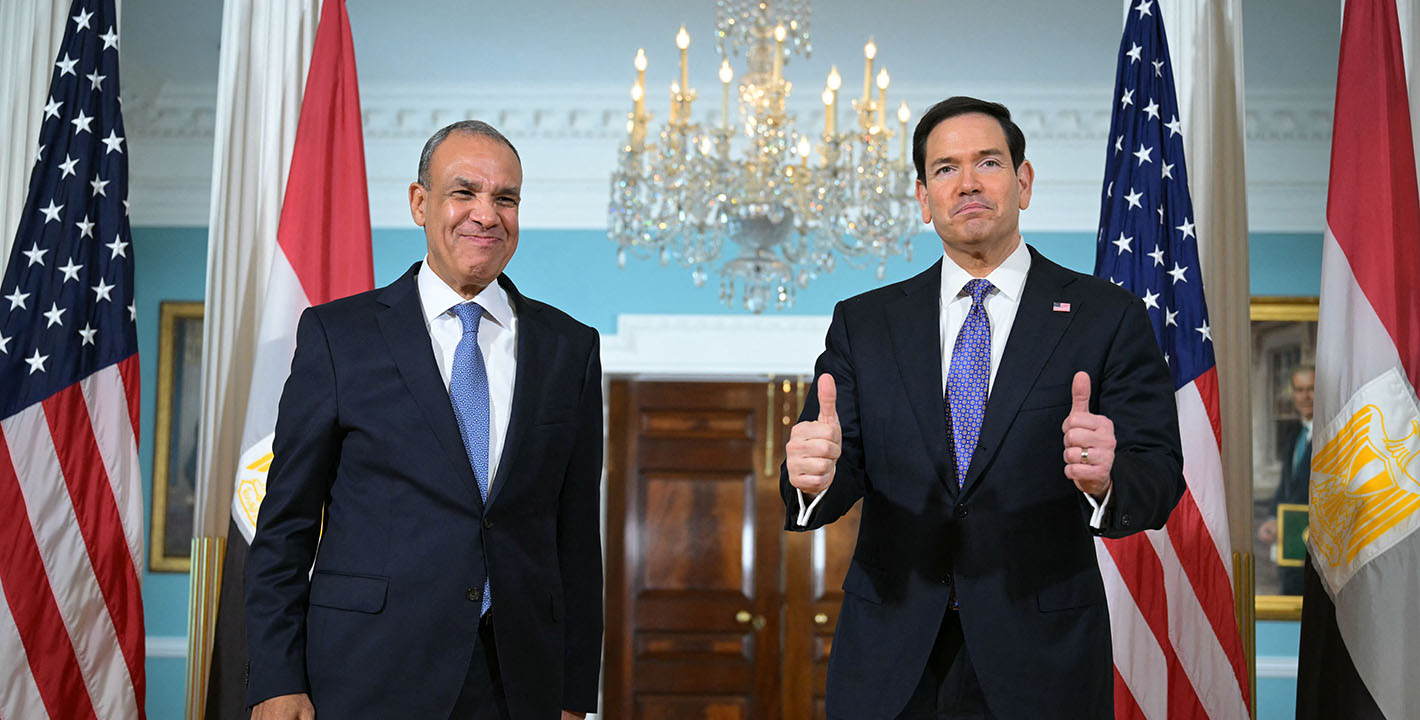
    Egypt’s Discrete Role in the Ceasefire with Iran

    Cairo’s efforts send a message to the United States and the region that it still has a place at the diplomatic table.

      • Angie Omar

      Angie Omar

  • Commentary
    Diwan
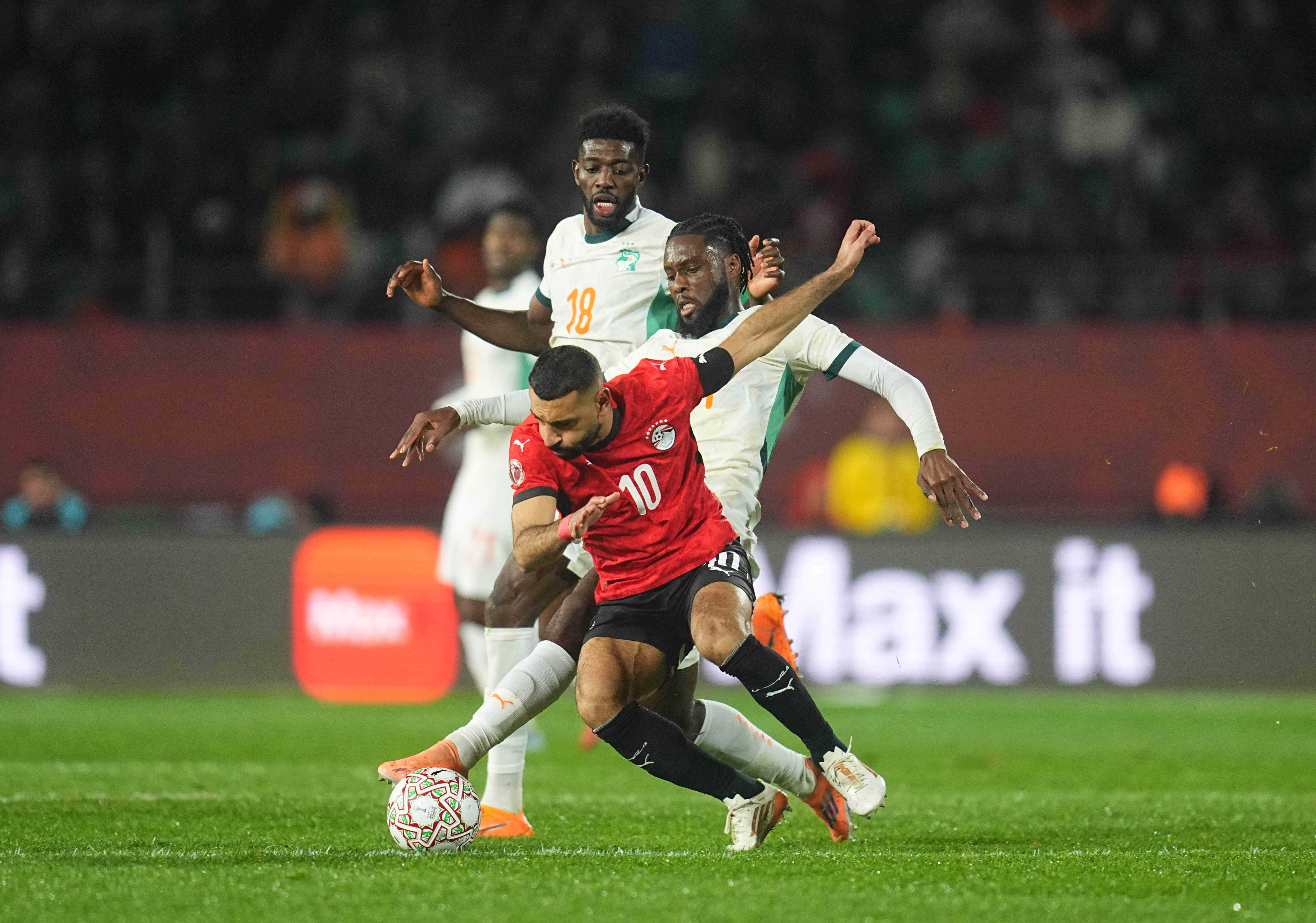
    When Football Is More Than Football

    The recent African Cup of Nations tournament in Morocco touched on issues that largely transcended the sport.

      Issam Kayssi, Yasmine Zarhloule
  • Article
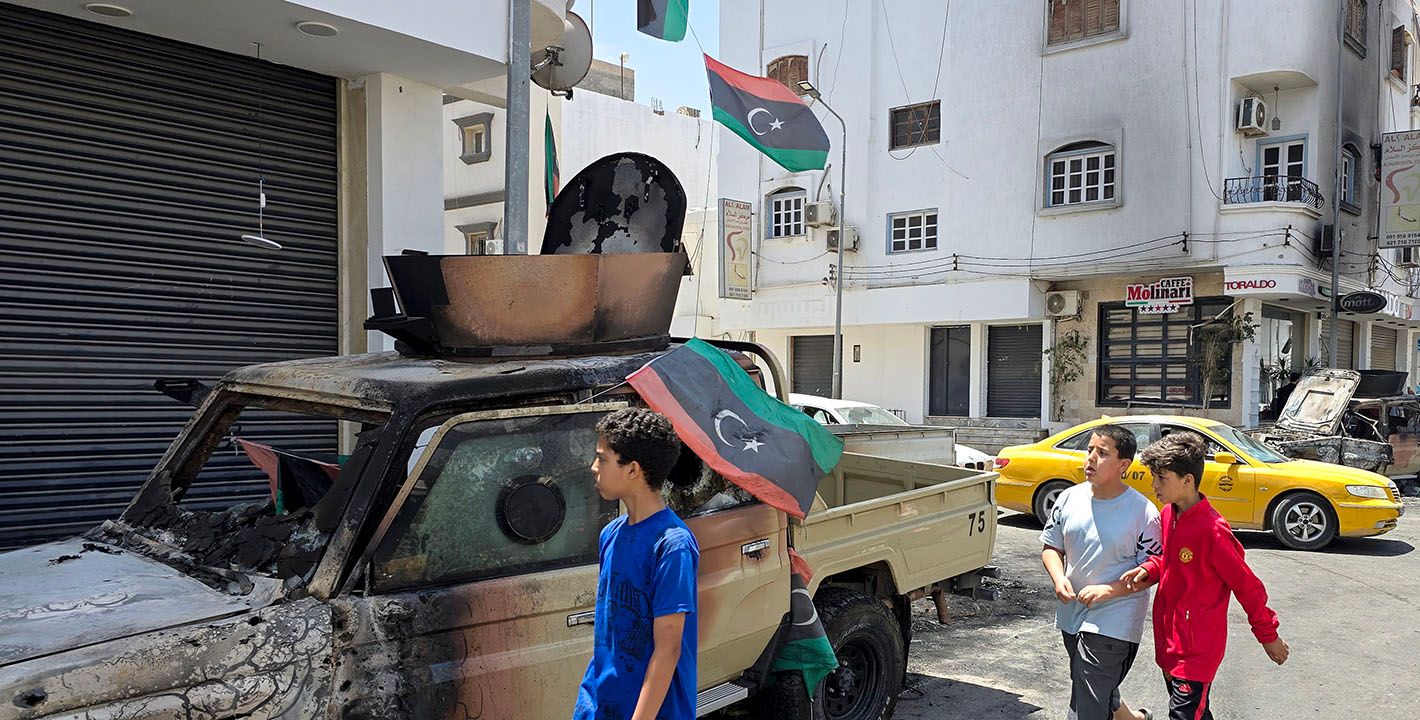
    Rethinking Power-Sharing Agreements in Libya

    The UN Support Mission in the country should reassess its approach so that consensus between the warring parties becomes the eventual goal, rather than a procedural matter that dogs the negotiating process at every turn.
      Soraya Rahem

  • Commentary
    Diwan
    Has Sisi Found a Competent Military Entrepreneur?

    Mustaqbal Misr has expanded its portfolio with remarkable speed, but a lack of transparency remains.

      Yezid Sayigh

Get more news and analysis from
Malcolm H. Kerr Carnegie Middle East Center
Carnegie Middle East logo, white
  • Research
  • Diwan
  • About
  • Experts
  • Projects
  • Events
  • Contact
  • Careers
  • Privacy
  • For Media
Get more news and analysis from
Malcolm H. Kerr Carnegie Middle East Center
© 2026 Carnegie Endowment for International Peace. All rights reserved.