

Research
- +5
Alper Coşkun, Fatih Ceylan, Tacan İldem, …
{
  "authors": [
    "Sinan Ülgen"
  ],
  "type": "legacyinthemedia",
  "centerAffiliationAll": "",
  "centers": [
    "Carnegie Endowment for International Peace",
    "Carnegie Europe",
    "Malcolm H. Kerr Carnegie Middle East Center"
  ],
  "collections": [
    "Turkey’s Transformation"
  ],
  "englishNewsletterAll": "",
  "nonEnglishNewsletterAll": "",
  "primaryCenter": "Carnegie Europe",
  "programAffiliation": "",
  "programs": [],
  "projects": [],
  "regions": [
    "Middle East",
    "Europe",
    "Türkiye",
    "Egypt",
    "Gulf",
    "Levant",
    "Maghreb"
  ],
  "topics": [
    "Political Reform"
  ]
}
Source: Getty
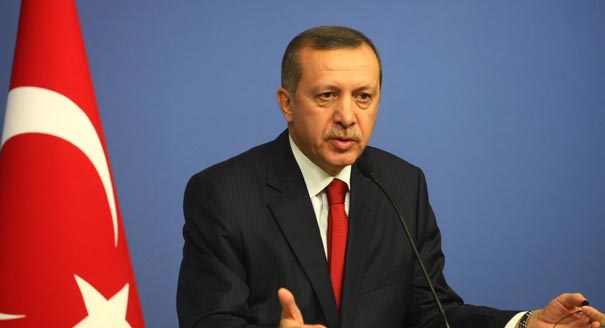
The fundamental lesson that the aspiring democracies of the Arab world can learn from Turkey is that the sustainability of democracy depends largely on the quality of a nation's democratic institutions.
Source: European Union Institute for Security Studies

The fundamental lesson is that the sustainability of democracy depends largely on the quality of democratic institutions. The focus in Arab countries should be on the consolidation of these institutions. There is no time to lose if democratic transition is to succeed. Establishing effective political parties, independent judiciaries, bipartisan election boards, unhindered media and functional parliaments should be the key objectives. It was only after consolidating these institutions that Turkey was able to shed itself of the influence of the military. For that, Turkish society had to develop confidence in the institutions’ ability to protect a pluralistic democratic order from its potential detractors, including political Islamists. It will therefore only be after consolidating essential democratic institutions that Arab countries will learn to successfully combine Islam, democracy and modernity.

Senior Fellow, Carnegie Europe
Sinan Ülgen is a senior fellow at Carnegie Europe in Brussels, where his research focuses on Turkish foreign policy, transatlantic relations, international trade, economic security, and digital policy.
Recent Work

Alper Coşkun, Fatih Ceylan, Tacan İldem, …
Carnegie does not take institutional positions on public policy issues; the views represented herein are those of the author(s) and do not necessarily reflect the views of Carnegie, its staff, or its trustees.

As the U.S. stumbles in its war with Iran, we are likely to see an acceleration of its disengagement from the region.

Michael Young

In Egypt’s dense cities, the disappearance of foliage has health implications and punishes daily commuters.

Angie Omar
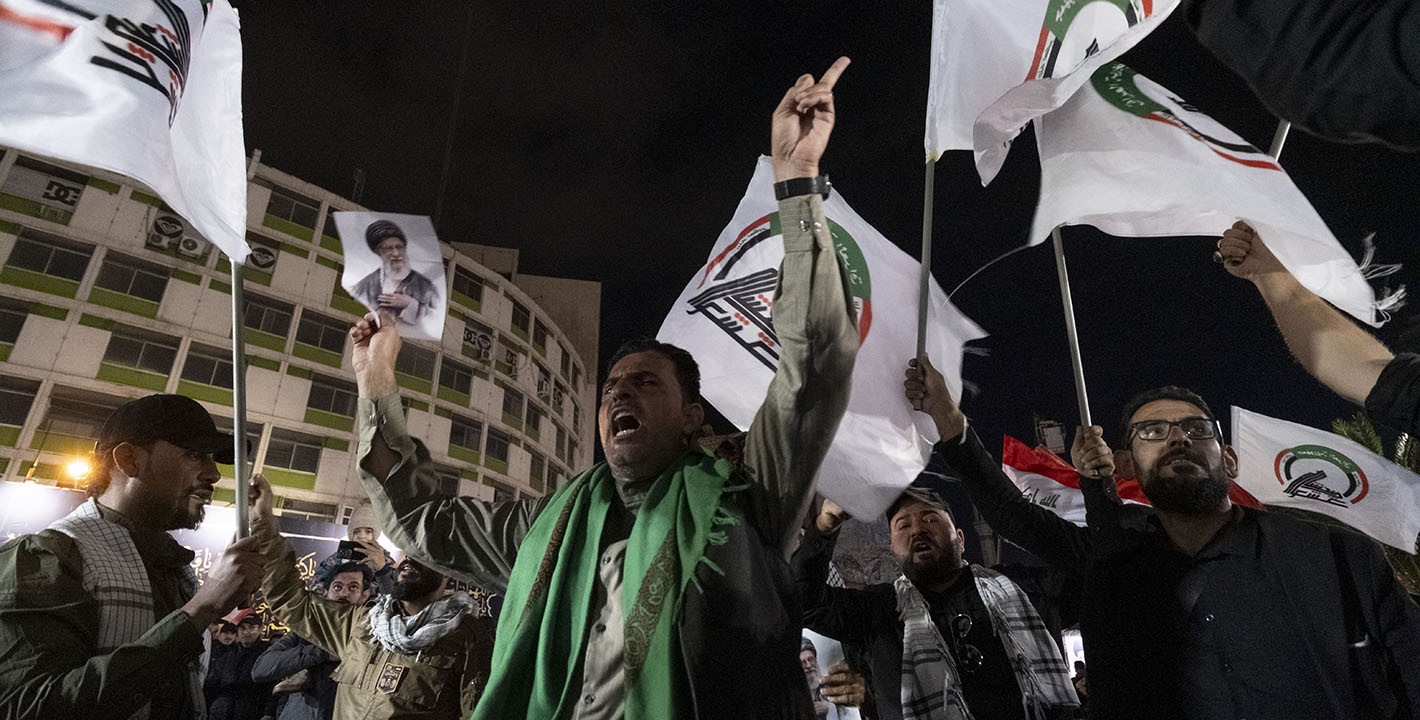
The Zaidi government’s objective to collect weapons is constrained by regional conflict, but it can take certain measures at home.
Ali Al-Mawlawi

Huawei pushed hard to enter the Egyptian data centers market, until the Americans made a better offer.
Angie Omar

Middle Eastern states should welcome an accelerated U.S. disengagement from their region.
Michael Young