

Research
- +10
Rosa Balfour, Frances Z. Brown, Yasmine Farouk, …
{
  "authors": [
    "Moisés Naím"
  ],
  "type": "legacyinthemedia",
  "centerAffiliationAll": "",
  "centers": [
    "Carnegie Endowment for International Peace"
  ],
  "collections": [],
  "englishNewsletterAll": "",
  "nonEnglishNewsletterAll": "",
  "primaryCenter": "Carnegie Endowment for International Peace",
  "programAffiliation": "",
  "programs": [],
  "projects": [],
  "regions": [
    "North America"
  ],
  "topics": [
    "Security"
  ]
}
Source: Getty
Although declaring war on social problems has become popular among politicians, these metaphors rarely translate into better results and can frequently lead politicians to cling to failing policies.
Source: TVO
“Declaring war” on social problems such as drugs and poverty has become popular among politicians. Speaking on TVO's The Agenda, Carnegie's Moisés Naím argued that while declaring war may be appealing to politicians, and criticizing or defunding these "wars" can be attacked as unpatriotic, the metaphor rarely translates into better results. These “wars” often have no clear markers of victory, and those that declare them get “boxed into absolutist policies in which compromise is impossible,” said Naím.

Distinguished Fellow
Moisés Naím is a distinguished fellow at the Carnegie Endowment for International Peace, a best-selling author, and an internationally syndicated columnist.
Recent Work



Rosa Balfour, Frances Z. Brown, Yasmine Farouk, …
Moisés Naím
Carnegie does not take institutional positions on public policy issues; the views represented herein are those of the author(s) and do not necessarily reflect the views of Carnegie, its staff, or its trustees.

Just look at Iraq in 1991.

Marwan Muasher

Baku may allow radical nationalists to publicly discuss “reunification” with Azeri Iranians, but the president and key officials prefer not to comment publicly on the protests in Iran.

Bashir Kitachaev

In addressing Hezbollah’s disarmament, the Lebanese state must start by increasing its own leverage.

Michael Young
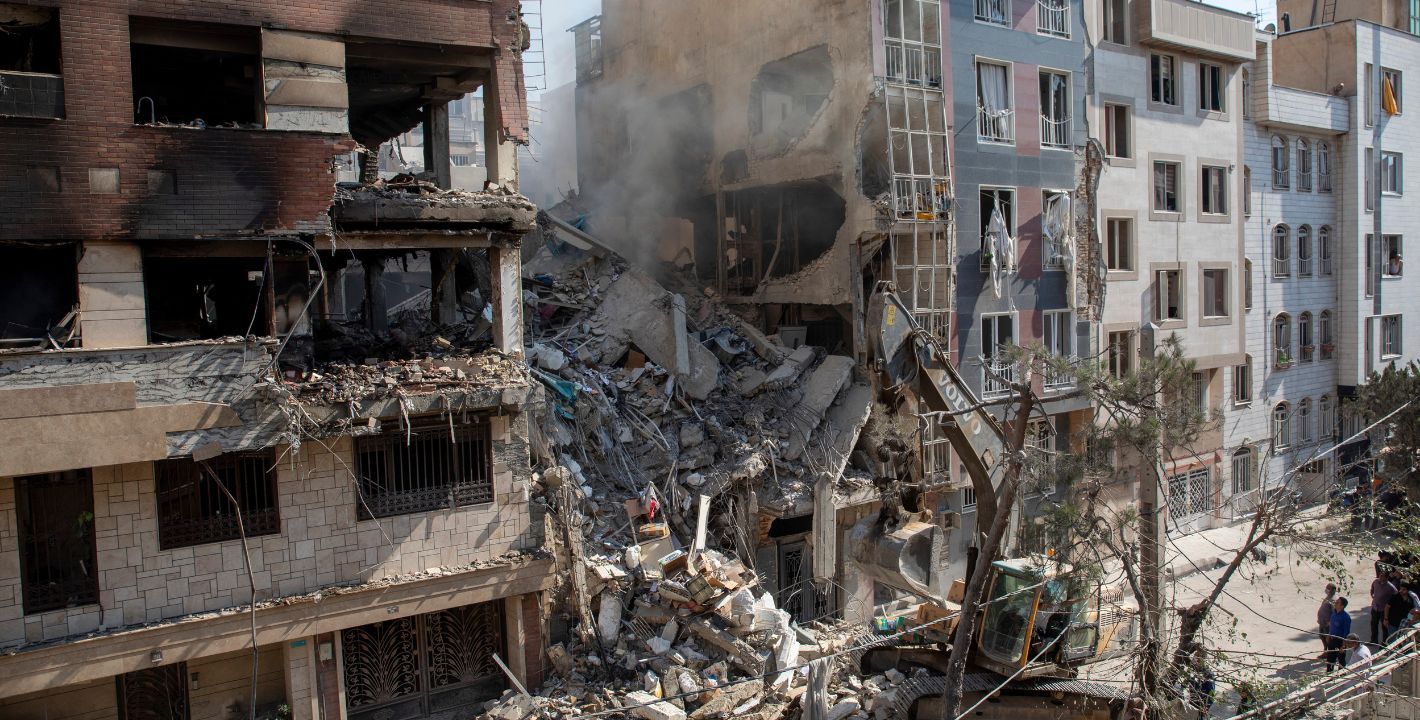
The country’s political and military establishment is still debating how to interpret the recent war’s outcome.

Nicole Grajewski
Spot analysis from Carnegie scholars on events relating to the Middle East and North Africa.

Mohanad Hage Ali