• Research
  • Diwan
  • About
  • Experts
Carnegie Middle East logoCarnegie lettermark logo
LebanonIran
{
  "authors": [
    "Christopher Boucek"
  ],
  "type": "testimony",
  "centerAffiliationAll": "dc",
  "centers": [
    "Carnegie Endowment for International Peace"
  ],
  "collections": [],
  "englishNewsletterAll": "menaTransitions",
  "nonEnglishNewsletterAll": "",
  "primaryCenter": "Carnegie Endowment for International Peace",
  "programAffiliation": "MEP",
  "programs": [
    "Middle East"
  ],
  "projects": [],
  "regions": [
    "Middle East",
    "Saudi Arabia",
    "Yemen"
  ],
  "topics": [
    "Security",
    "Foreign Policy"
  ]
}
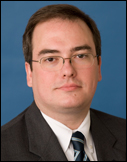
Source: Getty

Testimony

Terrorist Threat to the U.S. Homeland - Al-Qaeda in the Arabian Peninsula

Al-Qaeda in the Arabian Peninsula now poses the greatest single terrorist threat to the United States—a greater danger even than al-Qaeda’s senior leadership.

Link Copied
By Christopher Boucek
Published on Mar 2, 2011

Source: March 2

Al-Qaeda in the Arabian Peninsula (AQAP), the organization behind the attempted Christmas Day 2009 attack and last October’s cargo bomb plot, has repeatedly attempted to strike American interests. In testimony before the House Homeland Security Committee, Christopher Boucek warns that AQAP is now the greatest single terrorist threat to the United States—a greater danger even than al-Qaeda’s senior leadership.

U.S. Policy Recommendations:

  • Increase economic and security assistance to Yemen: AQAP thrives on Yemen’s internal disarray and the government’s inability to control its own territory. The United States should increase aid to Yemen to help build state capacity and deny AQAP space to plot and plan attacks.

  • Use caution when exercising force: To avoid antagonizing ordinary Yemenis, counterterrorism operations directed against AQAP should be proportionate, Yemeni-led, and minimize the risk of civilian casualties.

  • Recognize the limits of hard power: In addition to exercising force, the United States must push Yemen to improve the government’s visibility and service delivery at the local level, thereby addressing some of the underlying grievances that helped give rise to AQAP in the first place.

“AQAP has emerged as the organization most likely to kill American nationals and to attack U.S. interests,” Boucek writes. “Very clearly Yemen’s problems are not staying in Yemen and AQAP poses a grave and growing threat to American domestic security.”
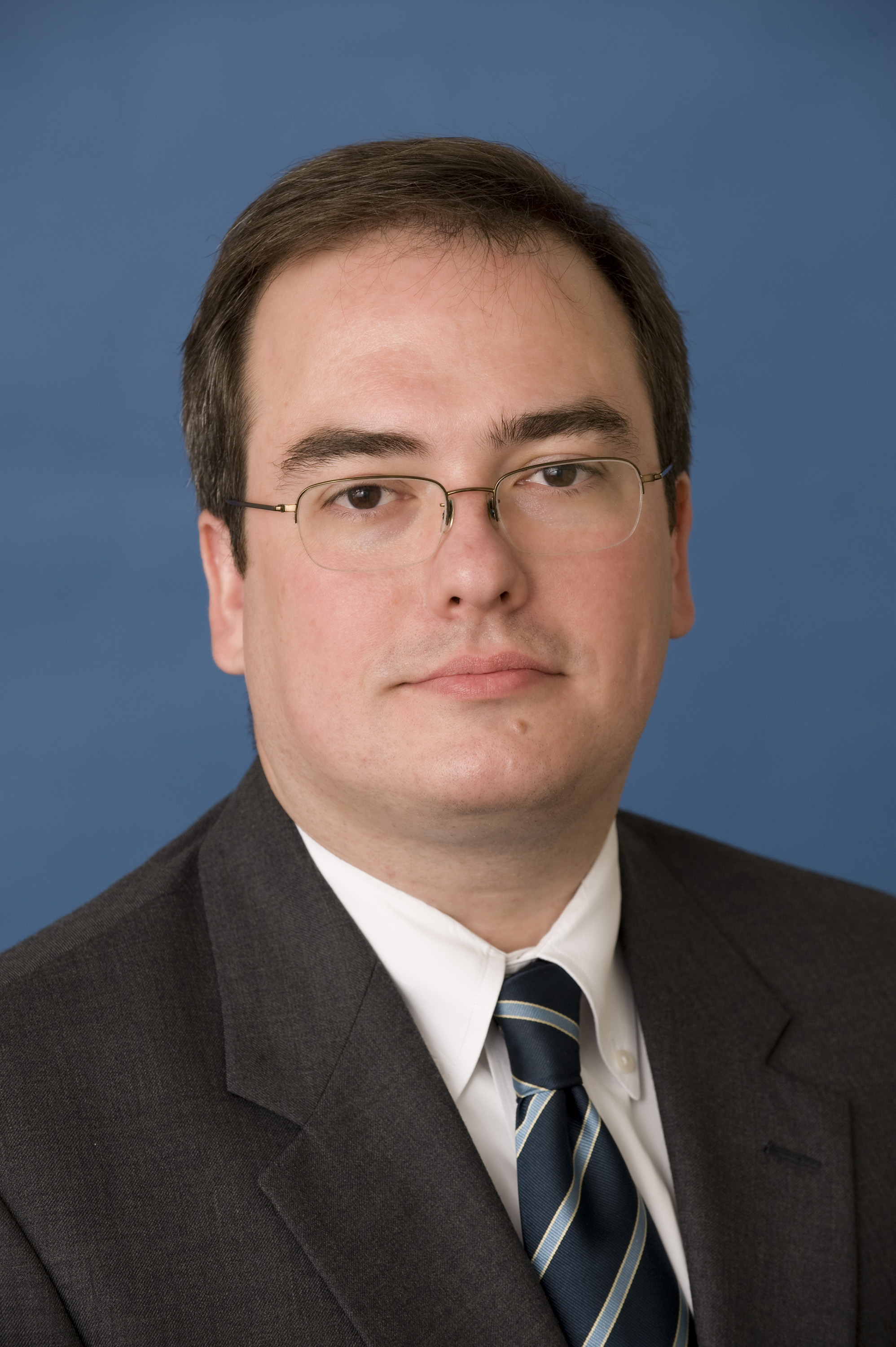
About the Author

Christopher Boucek

Former Associate, Middle East Program

Boucek was an associate in the Carnegie Middle East Program where his research focused on security challenges in the Arabian Peninsula and Northern Africa.

    Recent Work

  • Q&A
    Yemen After Saleh’s Return and Awlaki’s Exit

      Christopher Boucek

  • Q&A
    Rivals—Iran vs. Saudi Arabia

      Christopher Boucek, Karim Sadjadpour

Christopher Boucek
Former Associate, Middle East Program
Christopher Boucek
SecurityForeign PolicyMiddle EastSaudi ArabiaYemen

Carnegie does not take institutional positions on public policy issues; the views represented herein are those of the author(s) and do not necessarily reflect the views of Carnegie, its staff, or its trustees.

More Work from Malcolm H. Kerr Carnegie Middle East Center

  • Commentary
    Diwan
    What Does the Strait of Hormuz’s Closure Mean?

    In an interview, Roger Diwan discusses where the global economy may be going in the third week of the U.S.-Israeli war with Iran.

      Nur Arafeh

  • Commentary
    Diwan
    Tehran’s Easy Targets

    In an interview, Andrew Leber discusses the impact the U.S. and Israeli war against Iran is having on Arab Gulf states.

      Michael Young

  • Commentary
    Diwan
    Shockwaves Across the Gulf

    The countries in the region are managing the fallout from Iranian strikes in a paradoxical way.

      • Angie Omar

      Angie Omar

  • Commentary
    Diwan
    The U.S. Risks Much, but Gains Little, with Iran

    In an interview, Hassan Mneimneh discusses the ongoing conflict and the myriad miscalculations characterizing it.

      Michael Young

  • people watching smoke rising at sunrise from rooftops
    Commentary
    Emissary
    Bombing Campaigns Do Not Bring About Democracy. Nor Does Regime Change Without a Plan.

    Just look at Iraq in 1991.

      Marwan Muasher

Get more news and analysis from
Malcolm H. Kerr Carnegie Middle East Center
Carnegie Middle East logo, white
  • Research
  • Diwan
  • About
  • Experts
  • Projects
  • Events
  • Contact
  • Careers
  • Privacy
  • For Media
Get more news and analysis from
Malcolm H. Kerr Carnegie Middle East Center
© 2026 Carnegie Endowment for International Peace. All rights reserved.









