

Commentary
In an interview, Rozina Ali discusses her new book on the rise and manifestations of Islamophobia in the United States.
Michael Young
{
  "authors": [
    "James F. Collins",
    "Matthew Rojansky"
  ],
  "type": "other",
  "centerAffiliationAll": "dc",
  "centers": [
    "Carnegie Endowment for International Peace",
    "Carnegie Europe",
    "Carnegie Russia Eurasia Center"
  ],
  "collections": [],
  "englishNewsletterAll": "ctw",
  "nonEnglishNewsletterAll": "",
  "primaryCenter": "Carnegie Endowment for International Peace",
  "programAffiliation": "russia",
  "programs": [
    "Russia and Eurasia"
  ],
  "projects": [
    "U.S.-Russia Bilateral Presidential Commission"
  ],
  "regions": [
    "North America",
    "United States",
    "Caucasus",
    "Russia"
  ],
  "topics": [
    "Foreign Policy"
  ]
}
Source: Getty
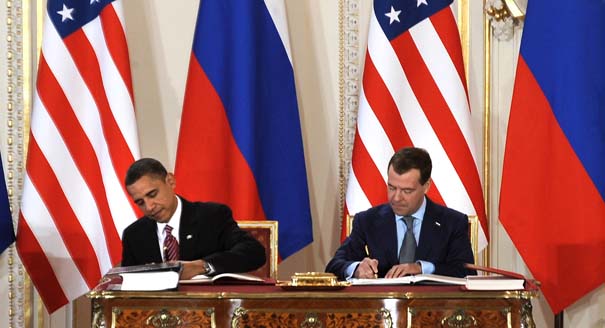
Making the U.S.-Russian Bilateral Presidential Commission a permanent structure will help ensure continued success in managing relations between the two countries.
July 2011 marks two years since the creation of the U.S.-Russia Bilateral Presidential Commission (BPC), a critical framework for managing U.S.-Russian cooperation across multiple areas in the wake of the 2009 “reset.” Now with more than 20 working groups bringing together dozens of interagency stakeholders, the BPC has enabled effective cooperation on a broad bilateral agenda, ranging from nuclear arms control and nonproliferation to exchange programs, and from disaster response to prison reform. Yet there is still a real risk that successful U.S.-Russian cooperation could derail as it has in the past—especially in light of ongoing budgetary pressures, serious outstanding disagreements on security issues, and upcoming elections in both countries.
The best mechanism to ensure continued success in managing U.S.-Russian relations is to endow the BPC with the structure and resources it needs to become an enduring foundation for intergovernmental and societal cooperation. Now is also the time to undertake a critical reevaluation of U.S. assistance programs for Russia, in light of the Russian government’s clear message that, while it values cooperation, it has outgrown its role as an “assistance recipient.” Fortunately, the BPC offers an ideal vehicle to re-channel important programs for bilateral engagement, and with additional resources the commission and its working groups can provide much-needed oversight to ensure that resources are spent most effectively. The following measures should be undertaken to begin the process of reforming and strengthening the BPC:
Through the accomplishments of the BPC and its working groups, the United States and Russia have made a promising beginning. Now it is time to cement these frameworks into a solid foundation for future success by endowing the BPC with the resources it needs to withstand the challenges that lie ahead.
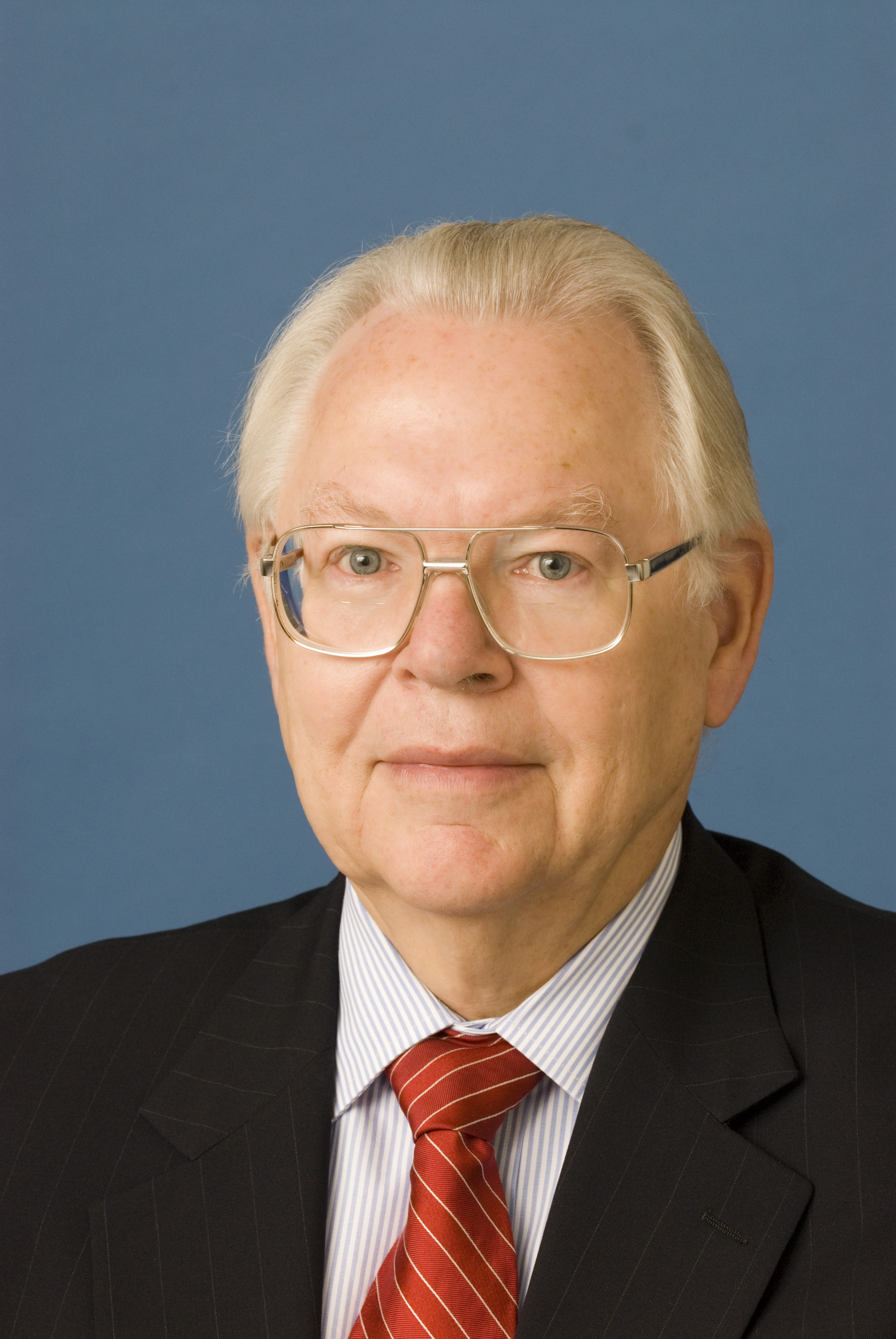
Nonresident Senior Fellow, Russia and Eurasia Program; Diplomat in Residence
Ambassador Collins was the U.S. ambassador to the Russian Federation from 1997 to 2001 and is an expert on the former Soviet Union, its successor states, and the Middle East.
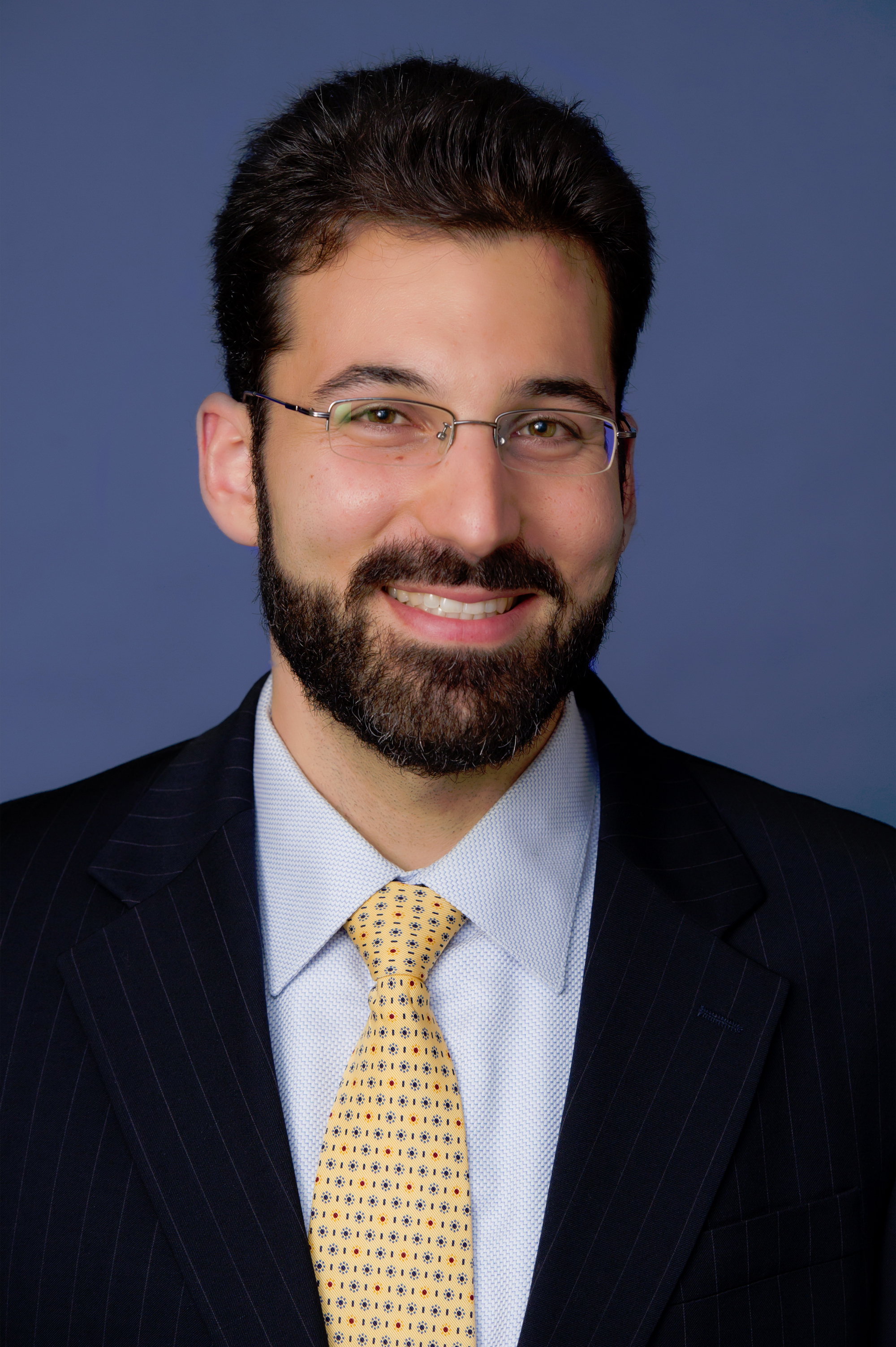
Former Deputy Director, Russia and Eurasia Program
Rojansky, formerly executive director of the Partnership for a Secure America, is an expert on U.S. and Russian national security and nuclear-weapon policies.
Carnegie does not take institutional positions on public policy issues; the views represented herein are those of the author(s) and do not necessarily reflect the views of Carnegie, its staff, or its trustees.

In an interview, Rozina Ali discusses her new book on the rise and manifestations of Islamophobia in the United States.

Michael Young

In an interview, Ian Lustick and Eli Clifton discuss their new book on why a prominent ally has so much influence in America.
Michael Young

As the U.S. stumbles in its war with Iran, we are likely to see an acceleration of its disengagement from the region.
Michael Young

Middle Eastern states should welcome an accelerated U.S. disengagement from their region.
Michael Young

In an interview, former ambassador Charles Freeman assesses the Trump administration’s war against Iran.
Michael Young