• Research
  • Diwan
  • About
  • Experts
Carnegie Middle East logoCarnegie lettermark logo
LebanonIran
{
  "authors": [
    "Matthew Rojansky"
  ],
  "type": "legacyinthemedia",
  "centerAffiliationAll": "dc",
  "centers": [
    "Carnegie Endowment for International Peace"
  ],
  "collections": [],
  "englishNewsletterAll": "ctw",
  "nonEnglishNewsletterAll": "",
  "primaryCenter": "Carnegie Endowment for International Peace",
  "programAffiliation": "russia",
  "programs": [
    "Russia and Eurasia"
  ],
  "projects": [],
  "regions": [
    "Caucasus",
    "Russia"
  ],
  "topics": [
    "Political Reform"
  ]
}

Source: Getty

In The Media

Putin and the Duma Elections

With the March 2012 presidential elections just around the corner, Putin is likely to try to distance himself from an increasingly unpopular United Russia party.

Link Copied
By Matthew Rojansky
Published on Dec 2, 2011

Source: BBC World News

In an interview with BBC World News, Carnegie’s Matthew Rojansky argued that Putin still has a generally positive image despite reports of electoral fraud and the relatively weak victory for the United Russia party in the recent Duma elections. As both the chairman and a non-member of United Russia, Putin will likely “seek to disassociate himself somewhat from the United Russia party” when he believes it might help him in his presidential campaign.Rojansky added that Putin has little time to act before the March 2012 presidential elections, but he could still potentially introduce several “big ticket initiatives” such as tax or pension reforms.

About the Author

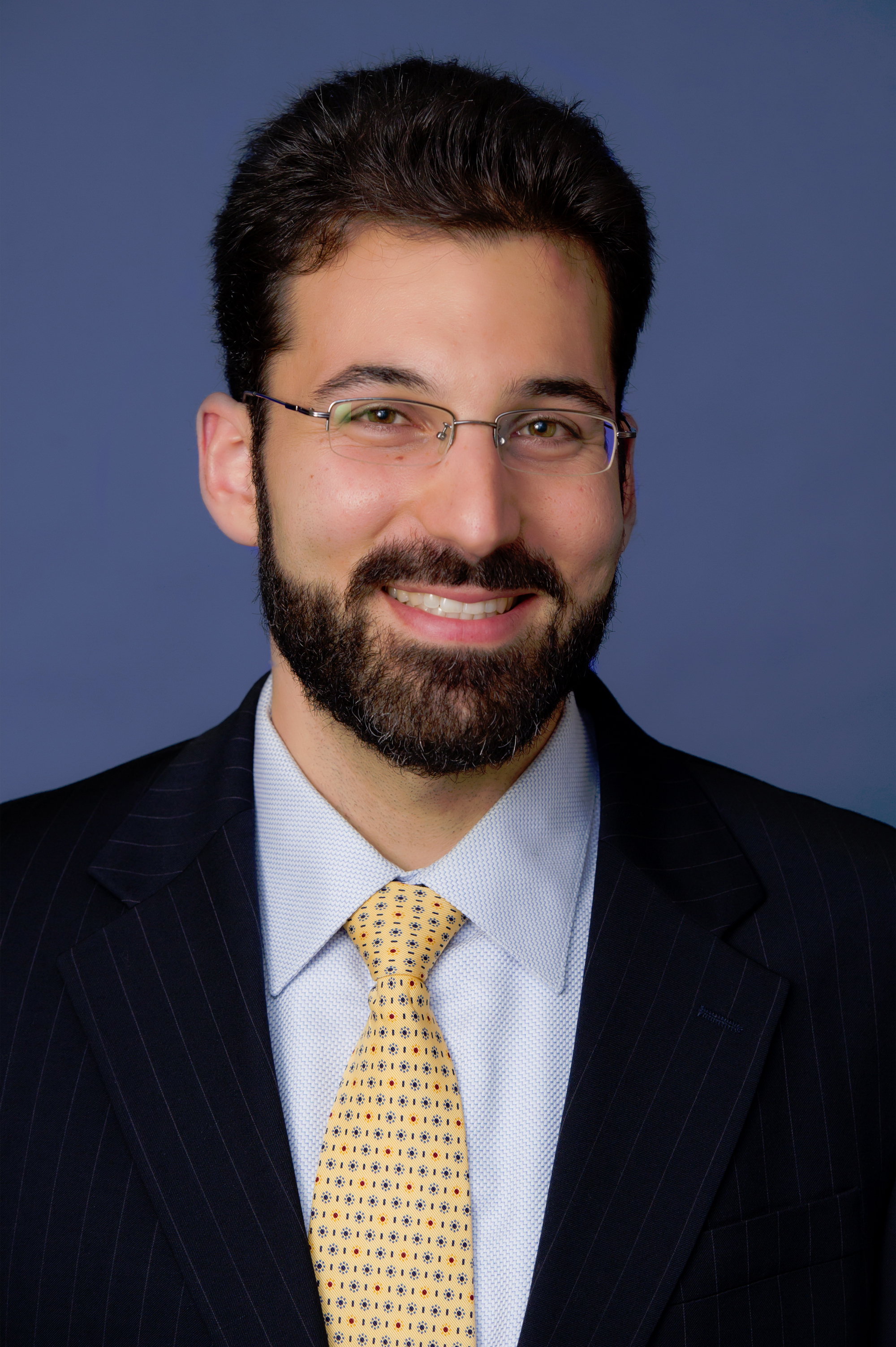
Matthew Rojansky

Former Deputy Director, Russia and Eurasia Program

Rojansky, formerly executive director of the Partnership for a Secure America, is an expert on U.S. and Russian national security and nuclear-weapon policies.

    Recent Work

  • Paper
    An Opportunity for Ambition: Ukraine’s OSCE Chairmanship

      Matthew Rojansky

  • In The Media
    Presiding Over the OSCE: Challenges and Opportunities

      Matthew Rojansky

Matthew Rojansky
Former Deputy Director, Russia and Eurasia Program
Matthew Rojansky
Political ReformCaucasusRussia

Carnegie does not take institutional positions on public policy issues; the views represented herein are those of the author(s) and do not necessarily reflect the views of Carnegie, its staff, or its trustees.
More Work from Malcolm H. Kerr Carnegie Middle East Center

  • Commentary
    Diwan
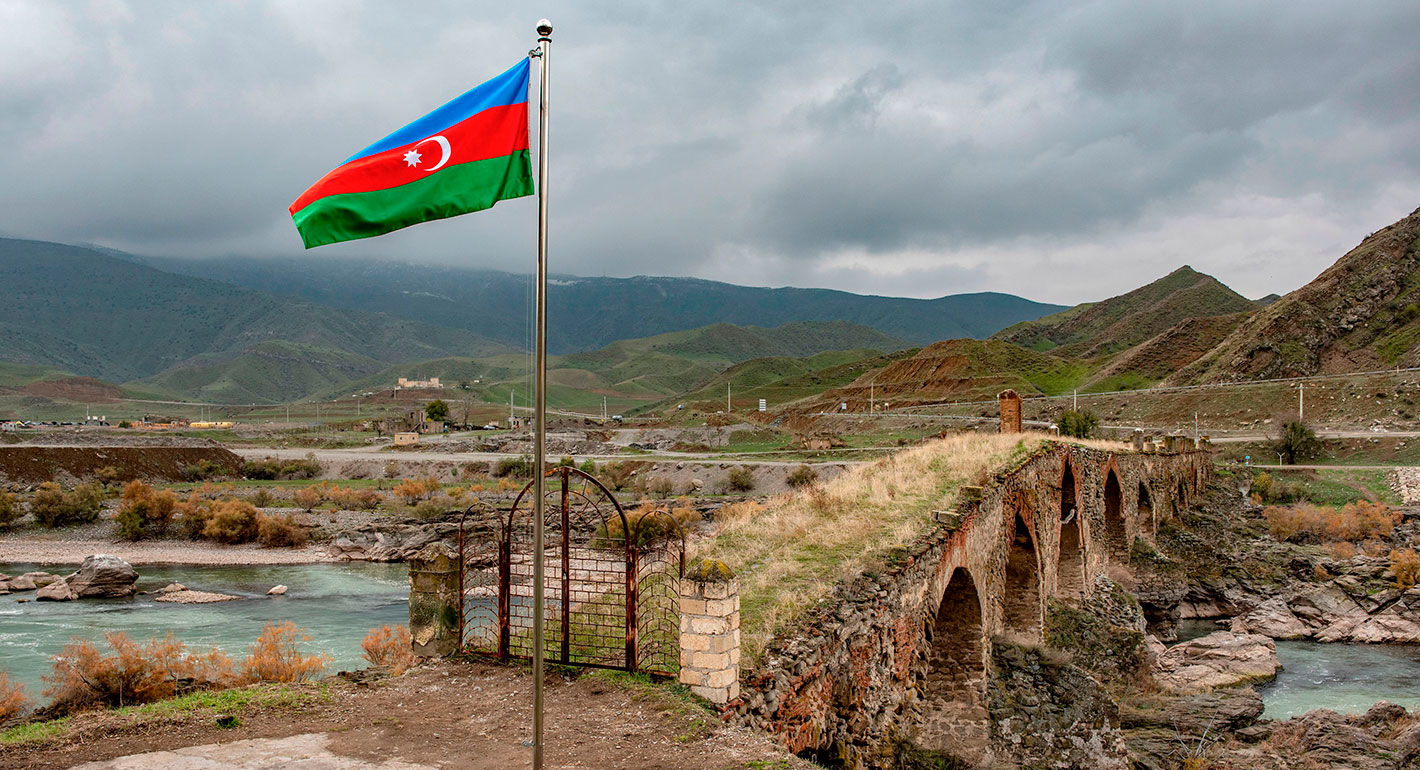
    The Gulf Conflict and the South Caucasus

    In an interview, Sergei Melkonian discusses Armenia’s and Azerbaijan’s careful balancing act among the United States, Israel, and Iran.

      Armenak Tokmajyan
  • Commentary
    Diwan
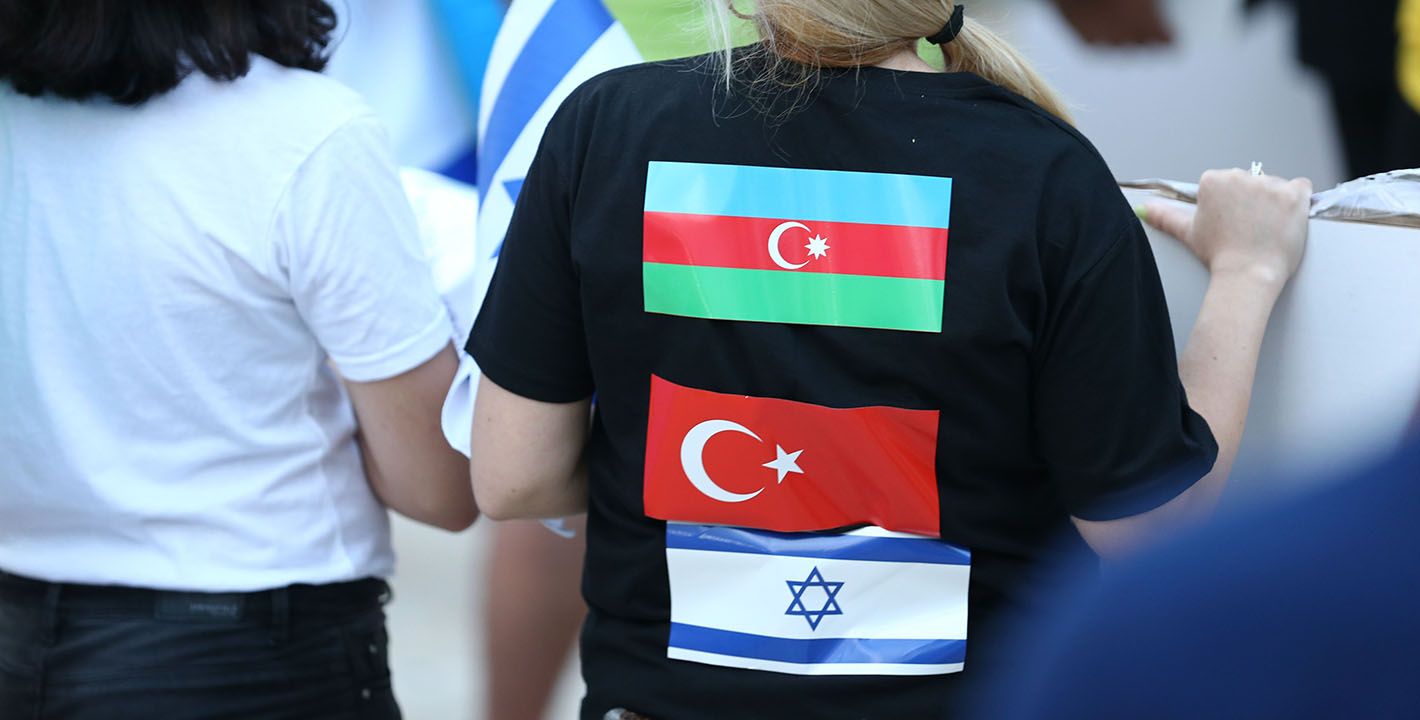
    Iran’s Woes Aren’t Only Domestic

    The country’s leadership is increasingly uneasy about multiple challenges from the Levant to the South Caucasus.

      Armenak Tokmajyan
  • Commentary
    Diwan
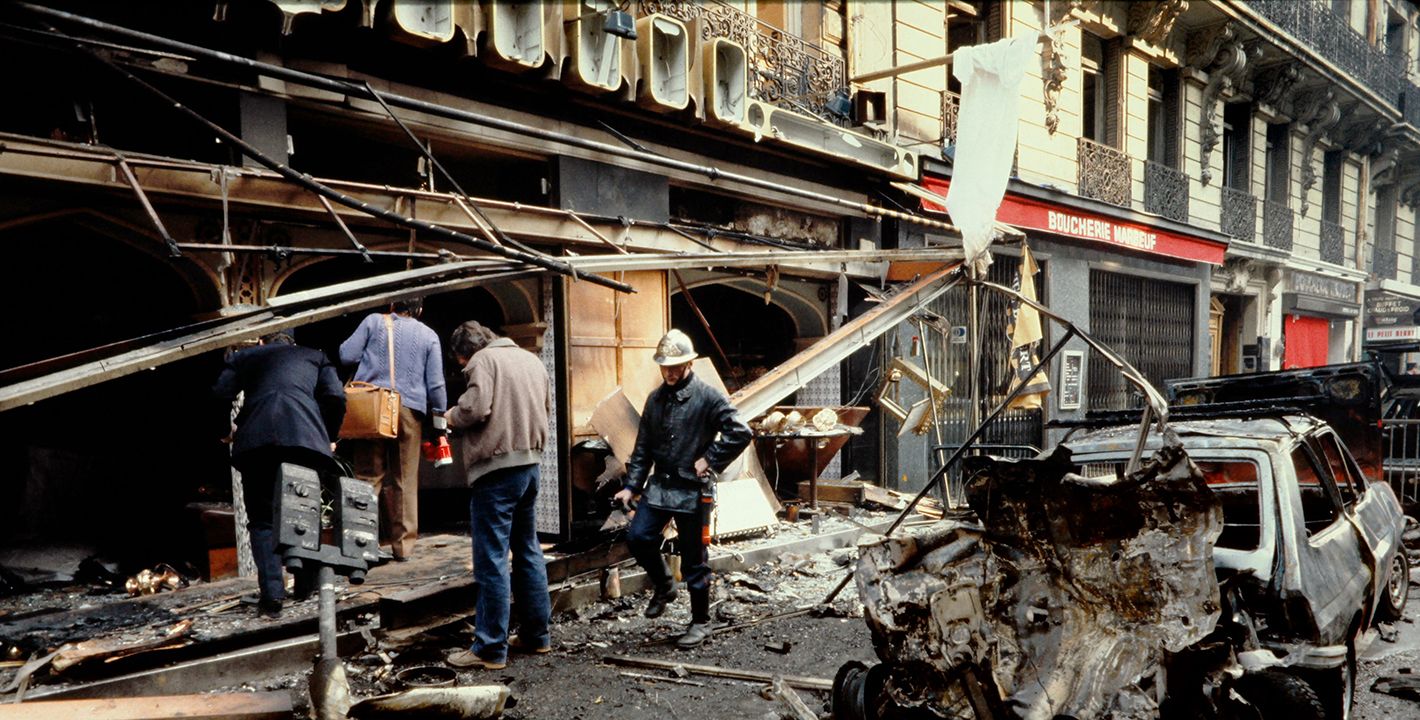
    From Prague With a Shove

    In an interview, Daniela Richterova speaks about her book on Czechoslovakia’s Cold War ties to Palestinian groups and others.

      Michael Young
  • Commentary
    Diwan
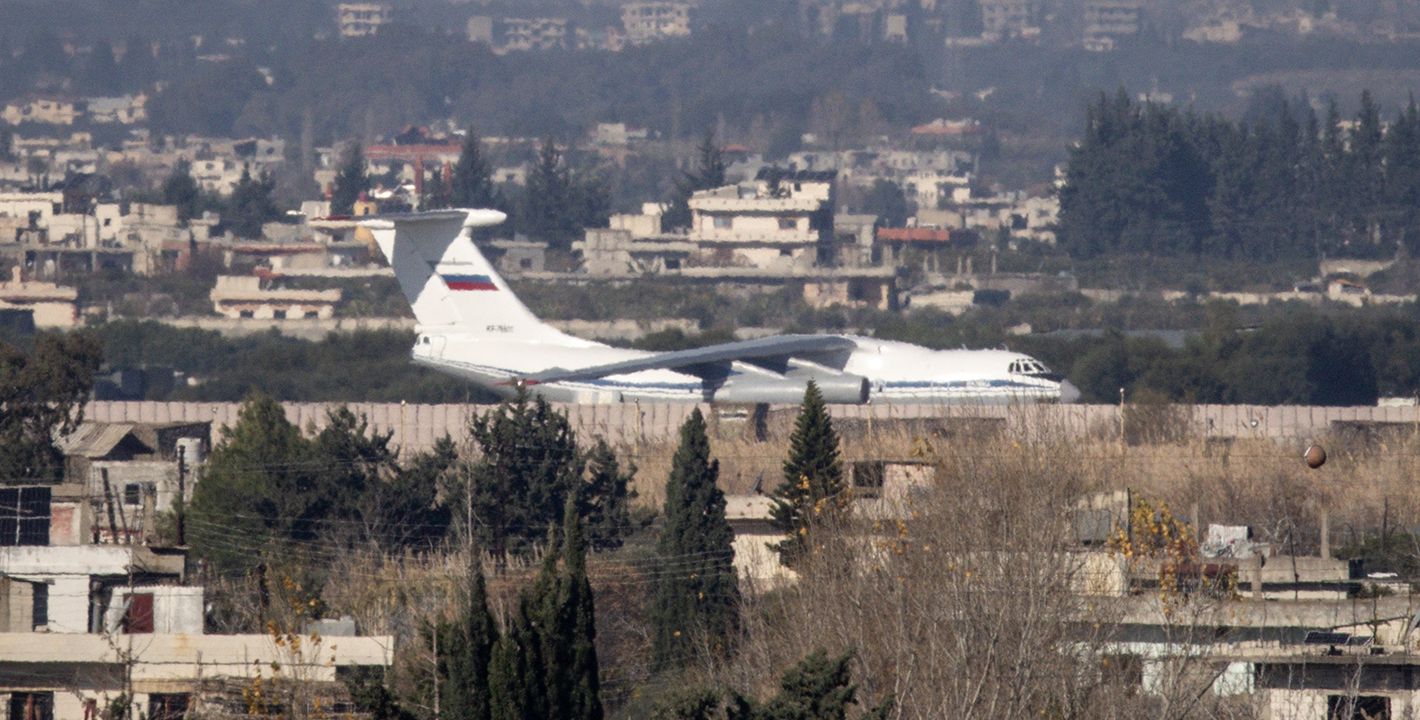
    The Syria Fiasco As Seen From Moscow

    The downfall of the Assad regime represented a setback, but Russia’s primary focus remains Ukraine.
      Sergei Melkonian
  • Commentary
    Diwan
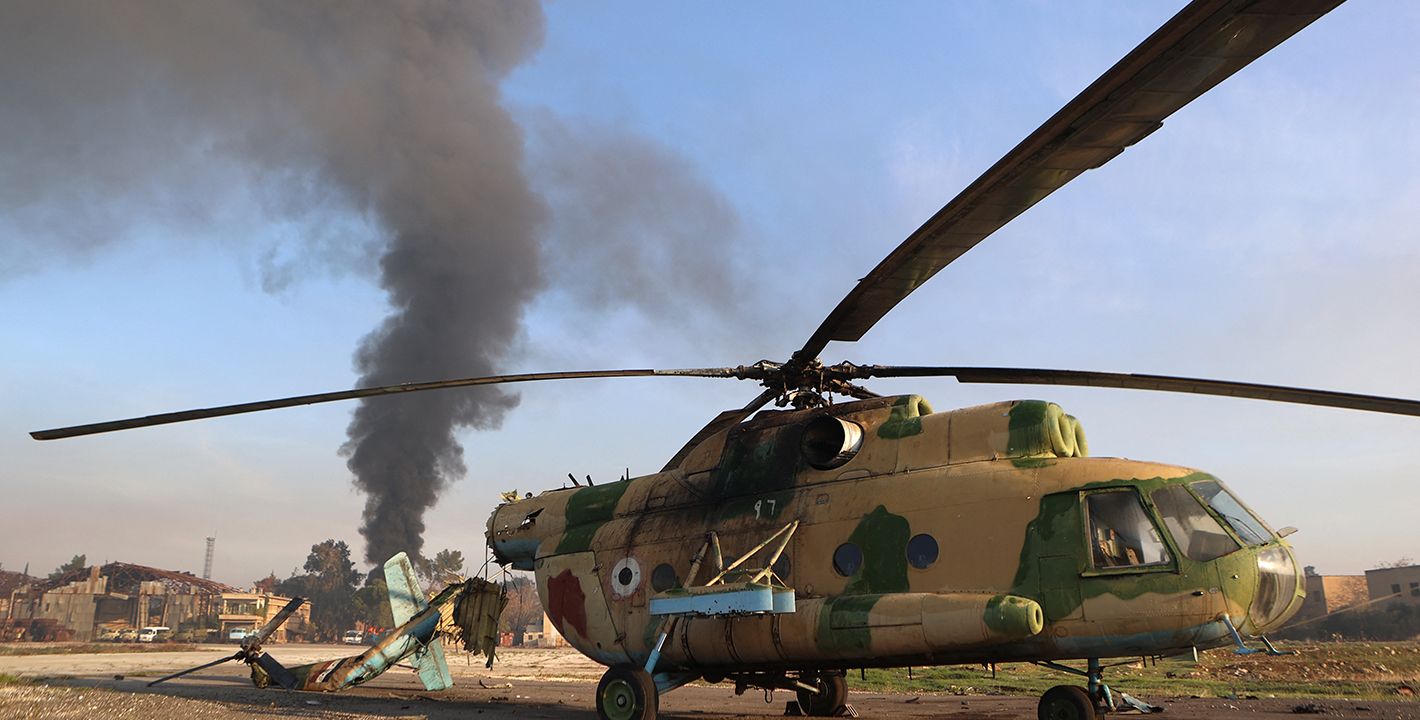
    Anatomy of a Military Fall

    Why did Bashar al-Assad’s armed forces fail to act, unlike those in Egypt, Libya, Algeria, and Sudan?

      Yezid Sayigh

Get more news and analysis from
Malcolm H. Kerr Carnegie Middle East Center
Carnegie Middle East logo, white
  • Research
  • Diwan
  • About
  • Experts
  • Projects
  • Events
  • Contact
  • Careers
  • Privacy
  • For Media
Get more news and analysis from
Malcolm H. Kerr Carnegie Middle East Center
© 2026 Carnegie Endowment for International Peace. All rights reserved.