• Research
  • Diwan
  • About
  • Experts
Carnegie Middle East logoCarnegie lettermark logo
LebanonIran
{
  "authors": [
    "Matthew Rojansky"
  ],
  "type": "legacyinthemedia",
  "centerAffiliationAll": "dc",
  "centers": [
    "Carnegie Endowment for International Peace",
    "Carnegie Russia Eurasia Center"
  ],
  "collections": [],
  "englishNewsletterAll": "ctw",
  "nonEnglishNewsletterAll": "",
  "primaryCenter": "Carnegie Endowment for International Peace",
  "programAffiliation": "russia",
  "programs": [
    "Russia and Eurasia"
  ],
  "projects": [],
  "regions": [
    "Caucasus",
    "Russia"
  ],
  "topics": [
    "Political Reform"
  ]
}
Source: Getty

In The Media

Russia's Privileged Class Rises Up

Fed up with a closed political system dominated by one man, Russia’s privileged class has taken to the streets to protest against Putin’s regime.

Link Copied
By Matthew Rojansky
Published on Dec 26, 2011

Source: To the Point

In an interview with Warren Olney on To the Point, Carnegie’s Matthew Rojansky argued that anti-government protests in Moscow and the rise of political activism in Russia represent a major break from what has been a “very cynical and very detached political culture.” Many Russian citizens—including the privileged class—are frustrated with pervasive corruption, election fraud, and Putin’s blatant attempt to hold onto power and are now taking to the streets. These protests, however, do not signal the end of Putin’s Russia, Rojansky contended. Given that the “Russian people remain, broadly speaking, sort of comfortable and tolerant of authoritarianism,” he concluded that the centralized political system Putin has created will likely remain in place.  
 

About the Author

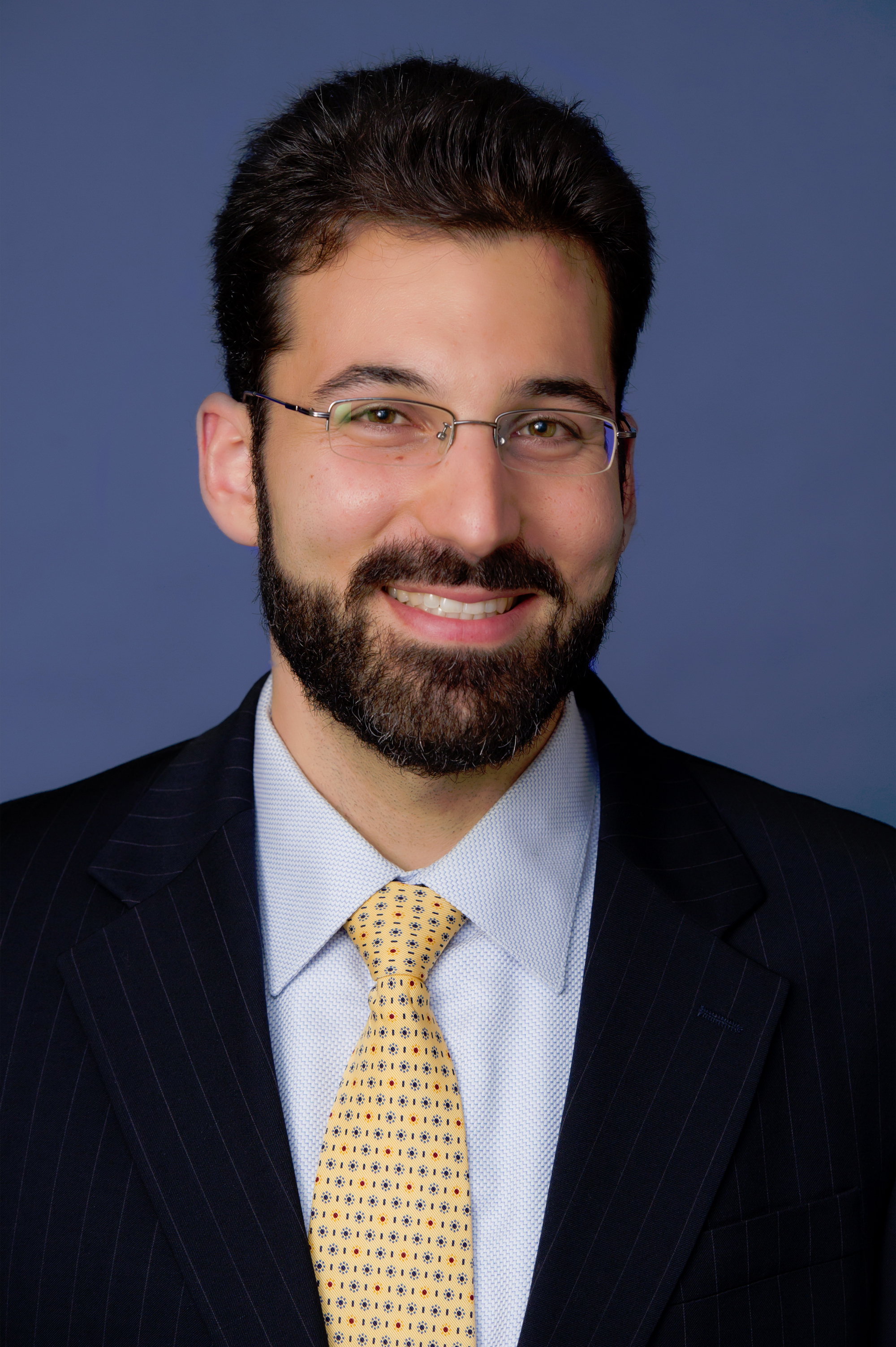
Matthew Rojansky

Former Deputy Director, Russia and Eurasia Program

Rojansky, formerly executive director of the Partnership for a Secure America, is an expert on U.S. and Russian national security and nuclear-weapon policies.

    Recent Work

  • Paper
    An Opportunity for Ambition: Ukraine’s OSCE Chairmanship

      Matthew Rojansky

  • In The Media
    Presiding Over the OSCE: Challenges and Opportunities

      Matthew Rojansky

Matthew Rojansky
Former Deputy Director, Russia and Eurasia Program
Matthew Rojansky
Political ReformCaucasusRussia

Carnegie does not take institutional positions on public policy issues; the views represented herein are those of the author(s) and do not necessarily reflect the views of Carnegie, its staff, or its trustees.
More Work from Malcolm H. Kerr Carnegie Middle East Center

  • Commentary
    Diwan
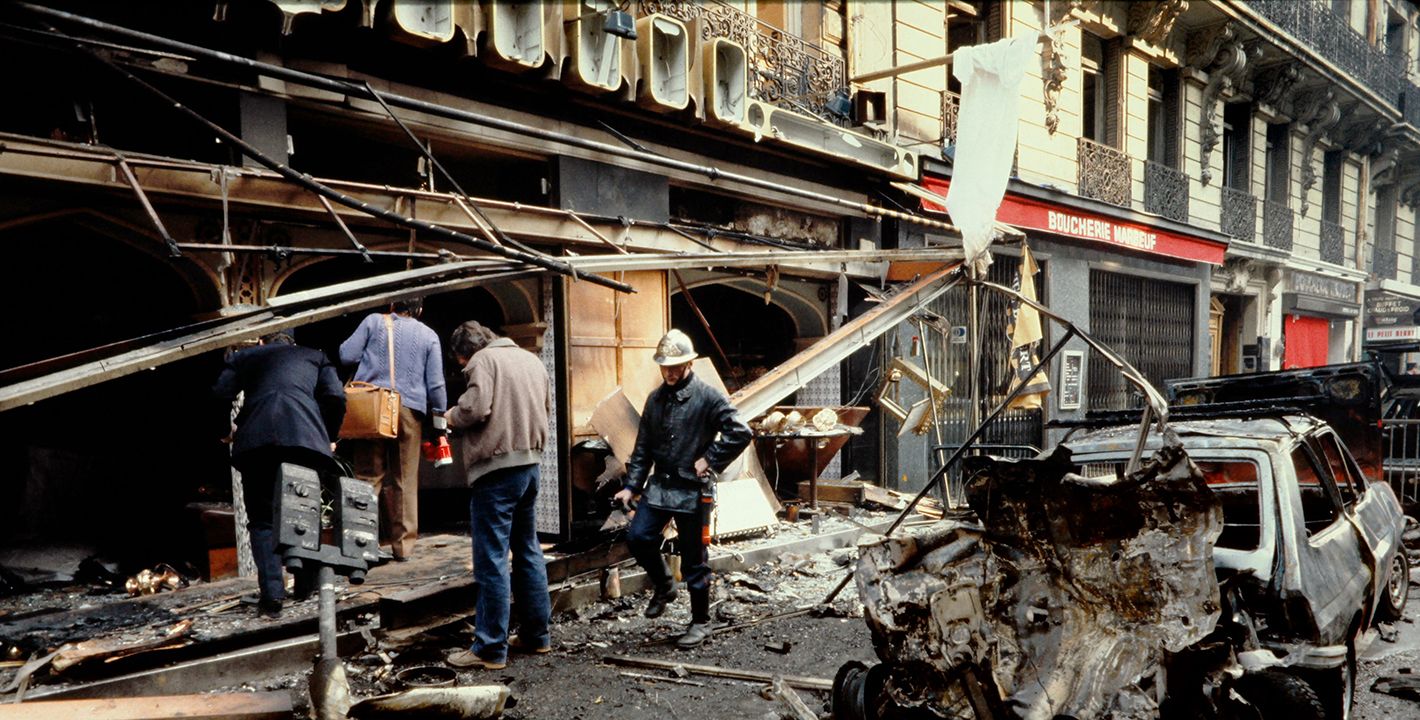
    Iran’s Woes Aren’t Only Domestic

    The country’s leadership is increasingly uneasy about multiple challenges from the Levant to the South Caucasus.

      Armenak Tokmajyan
  • Commentary
    Diwan
    From Prague With a Shove

    In an interview, Daniela Richterova speaks about her book on Czechoslovakia’s Cold War ties to Palestinian groups and others.

      Michael Young
  • Commentary
    Diwan
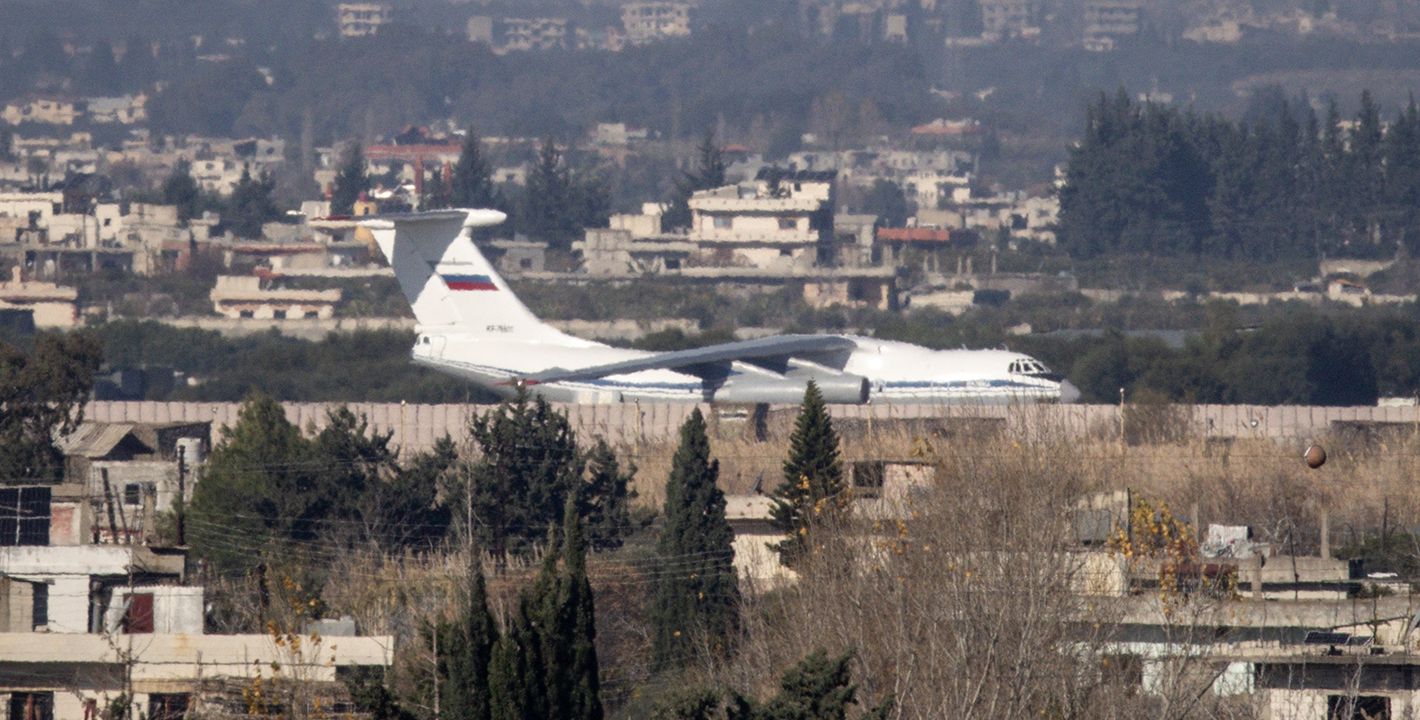
    The Syria Fiasco As Seen From Moscow

    The downfall of the Assad regime represented a setback, but Russia’s primary focus remains Ukraine.
      Sergei Melkonian
  • Commentary
    Diwan
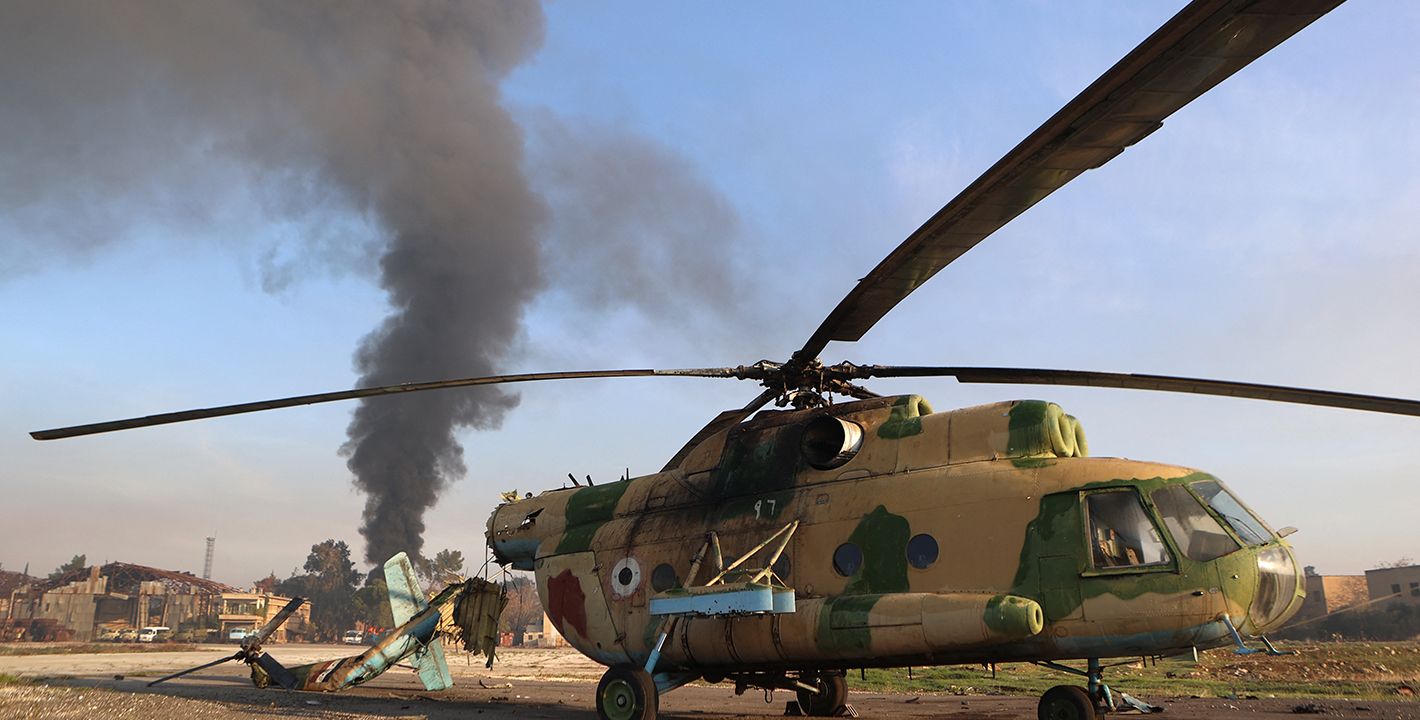
    Anatomy of a Military Fall

    Why did Bashar al-Assad’s armed forces fail to act, unlike those in Egypt, Libya, Algeria, and Sudan?

      Yezid Sayigh

  • Commentary
    Diwan
    Bashar al-Assad of Syria Has Been Ousted From Power

    Spot analysis from Carnegie scholars on events relating to the Middle East and North Africa.


      Armenak Tokmajyan

Get more news and analysis from
Malcolm H. Kerr Carnegie Middle East Center
Carnegie Middle East logo, white
  • Research
  • Diwan
  • About
  • Experts
  • Projects
  • Events
  • Contact
  • Careers
  • Privacy
  • For Media
Get more news and analysis from
Malcolm H. Kerr Carnegie Middle East Center
© 2026 Carnegie Endowment for International Peace. All rights reserved.