

Q&A
Suzanne Maloney, Aaron David Miller, Karim Sadjadpour
{
  "authors": [
    "Karim Sadjadpour"
  ],
  "type": "legacyinthemedia",
  "centerAffiliationAll": "dc",
  "centers": [
    "Carnegie Endowment for International Peace",
    "Malcolm H. Kerr Carnegie Middle East Center"
  ],
  "collections": [
    "Arab Awakening"
  ],
  "englishNewsletterAll": "menaTransitions",
  "nonEnglishNewsletterAll": "",
  "primaryCenter": "Carnegie Endowment for International Peace",
  "programAffiliation": "MEP",
  "programs": [
    "Middle East"
  ],
  "projects": [],
  "regions": [
    "Middle East",
    "Iran",
    "Gulf",
    "Levant"
  ],
  "topics": [
    "Security",
    "Political Reform",
    "Foreign Policy",
    "Nuclear Policy"
  ]
}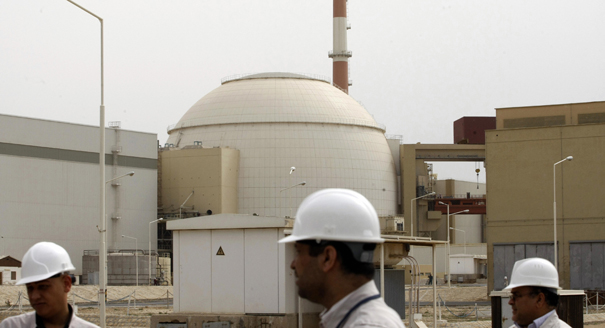
Source: Getty
Despite Iran’s rhetoric, it is highly unlikely that the Ahmadinejad regime will close the Strait of Hormuz given the economic ramifications such a move would inflict on Iran's own economy.
Source: France 24
Speaking to France 24, Carnegie's Karim Sadjadpour explained that it is highly unlikely that Tehran will close the Strait of Hormuz. He contended that closing the Strait was akin to threatening to perform a suicide bomb attack. Eighty percent of Iran’s revenue emanates from oil that passes through the Strait and the move would likely infuriate China, which is Iran’s largest and most important export market. Yet even if Tehran is unlikely to close the Strait, Sadjadpour asserted they are also unlikely to abandon their nuclear program. “Despite the unprecedented nature of the international pressure on Iran,” said Sadjadpour, “it is highly unlikely that they will compromise. Khamenei has always believed that compromising shows weakness.”

Senior Fellow, Middle East Program
Karim Sadjadpour is a senior fellow at the Carnegie Endowment for International Peace, where he focuses on Iran and U.S. foreign policy toward the Middle East.
Recent Work


Suzanne Maloney, Aaron David Miller, Karim Sadjadpour

Aaron David Miller, Karim Sadjadpour, Robin Wright
Carnegie does not take institutional positions on public policy issues; the views represented herein are those of the author(s) and do not necessarily reflect the views of Carnegie, its staff, or its trustees.

By failing to address Palestinian representation, the current process is bound to lead to just another temporary arrangement.

Nathan J. Brown

Morocco and Algeria, each in its own way, are having to navigate the global economic fallout of the U.S.-Israeli military campaign against Iran.

Yasmine Zarhloule
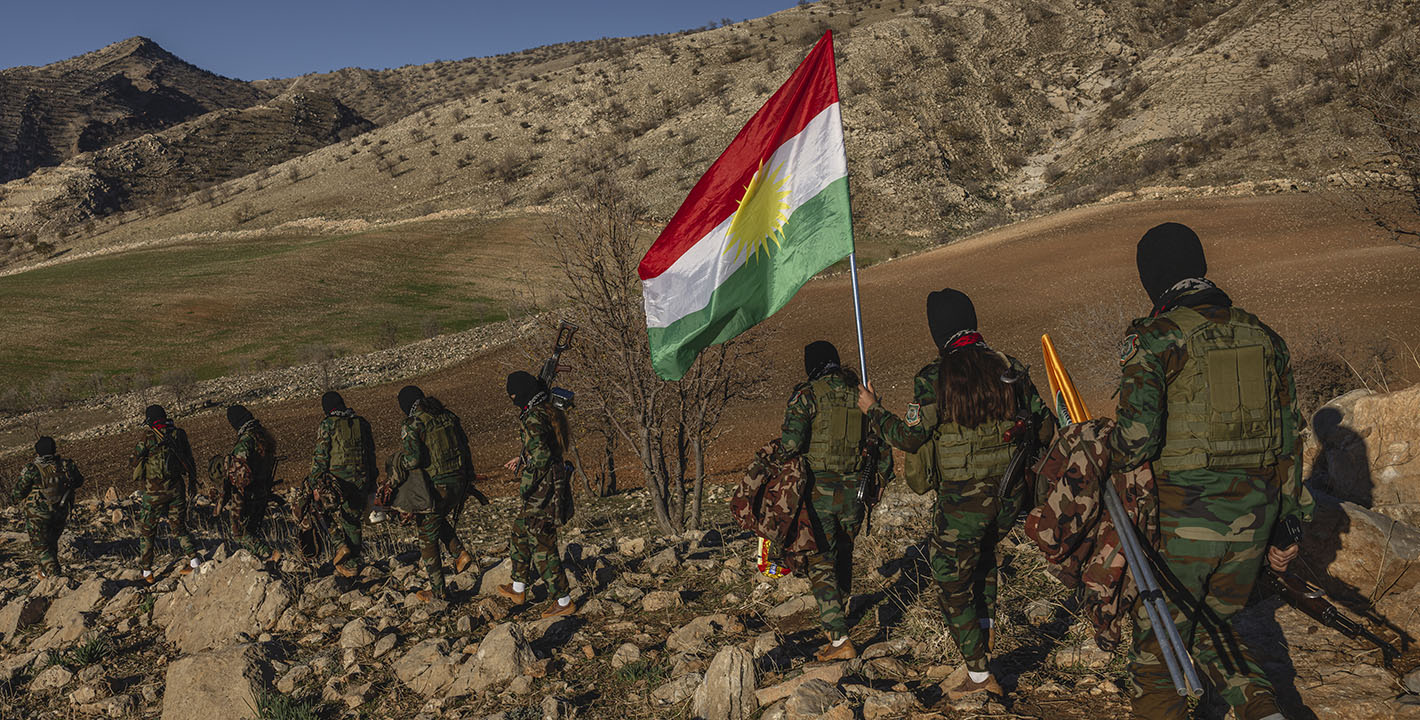
Following its deal with the United States, Iran may act against Iraq-based dissidents.
Wladimir van Wilgenburg
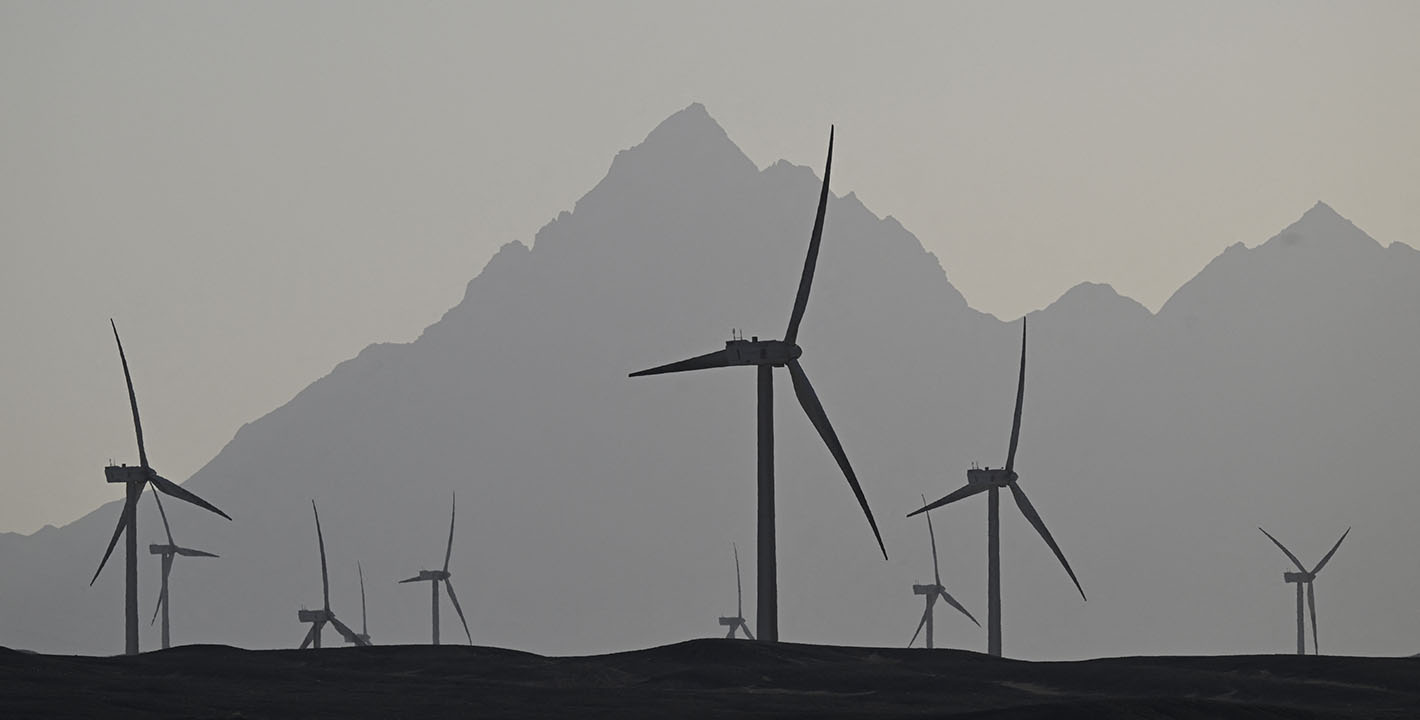
There is a disturbing structural parallel between the old global energy economy and the new green transition.

Angie Omar
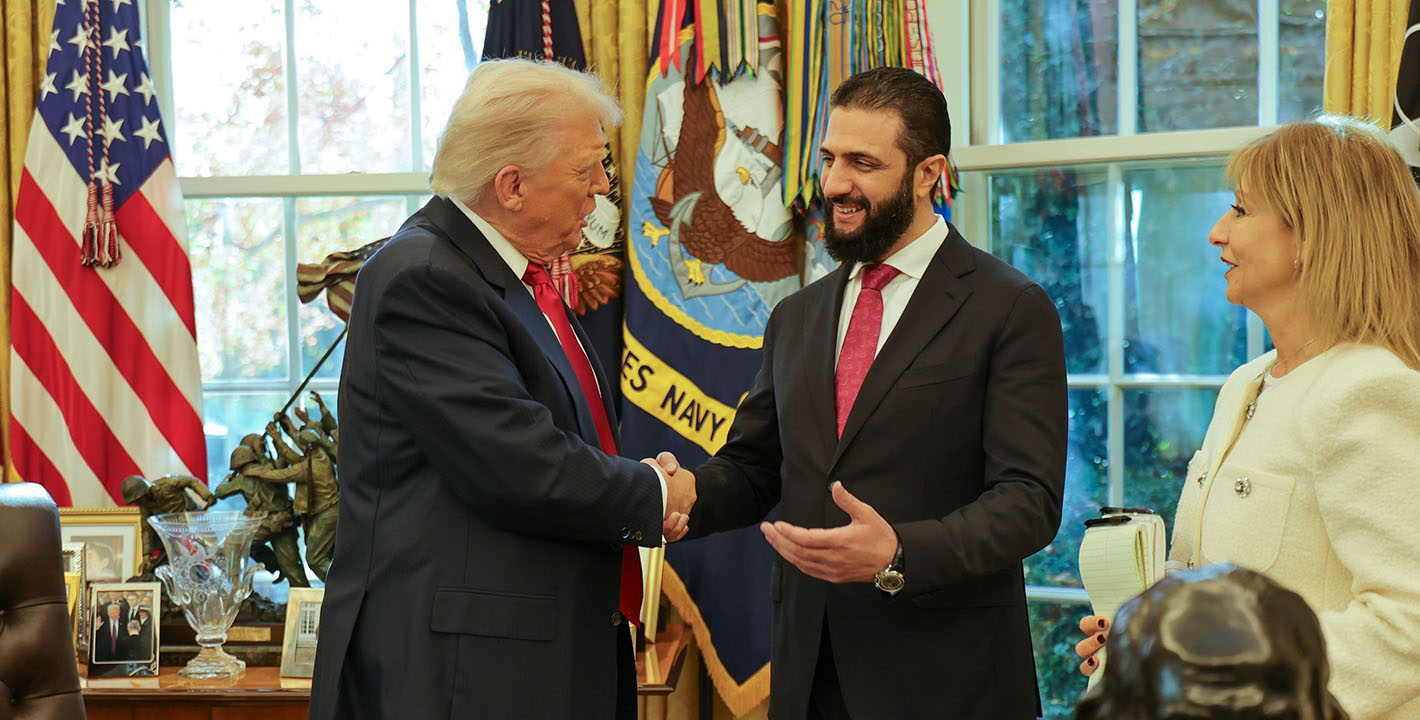
Any move by the United States to make good on Trump’s suggestion that Washington persuade Damascus to confront Hezbollah militarily would have catastrophic consequences.

Kheder Khaddour