• Research
  • Diwan
  • About
  • Experts
Carnegie Middle East logoCarnegie lettermark logo
LebanonIran
{
  "authors": [
    "Matthew Rojansky"
  ],
  "type": "legacyinthemedia",
  "centerAffiliationAll": "dc",
  "centers": [
    "Carnegie Endowment for International Peace"
  ],
  "collections": [],
  "englishNewsletterAll": "ctw",
  "nonEnglishNewsletterAll": "",
  "primaryCenter": "Carnegie Endowment for International Peace",
  "programAffiliation": "russia",
  "programs": [
    "Russia and Eurasia"
  ],
  "projects": [],
  "regions": [
    "Eastern Europe",
    "Belarus"
  ],
  "topics": [
    "Political Reform",
    "Democracy"
  ]
}
Source: Getty

In The Media

Europe Closes the Door on Belarus

With the latest round of sanctions and the decision to recall ambassadors from Minsk, the European Union has effectively closed the door on Belarus.

Link Copied
By Matthew Rojansky
Published on Feb 29, 2012

Source: Voice of Russia

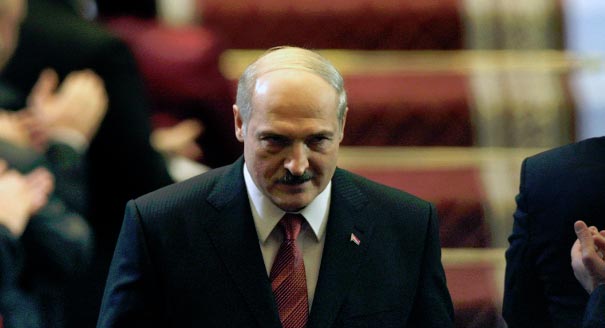
Since the controversial re-election of Belarusian President Alexander Lukashenka in December 2010—and the accompanying crackdown on many protestors and opposition candidates—relations between Belarus and the European Union have deteriorated. In an interview with Voice of Russia, Carnegie’s Matthew Rojansky argued that the latest round of European Union sanctions on Belarus and the decision to recall EU member states’ ambassadors from Minsk clearly signal that “Europe has closed the door” on Belarus. Although European Union officials—most notably Polish Foreign Minister Sikorski – have traditionally adopted a “soft power approach” toward Belarus, Rojansky noted that Lukashenka has rejected the carrot of European integration and “really spat in their faces.” Rojansky described the pattern in relations between Belarus and the West as one in which “Belarus escalates and the West responds.” As a result, “Lukashenka made himself totally vulnerable and totally exposed to Moscow because he has no friends left in the West,” Rojansky concluded.

About the Author

Matthew Rojansky

Former Deputy Director, Russia and Eurasia Program

Rojansky, formerly executive director of the Partnership for a Secure America, is an expert on U.S. and Russian national security and nuclear-weapon policies.

    Recent Work

  • Paper
    An Opportunity for Ambition: Ukraine’s OSCE Chairmanship

      Matthew Rojansky

  • In The Media
    Presiding Over the OSCE: Challenges and Opportunities

      Matthew Rojansky

Matthew Rojansky
Former Deputy Director, Russia and Eurasia Program
Matthew Rojansky
Political ReformDemocracyEastern EuropeBelarus

Carnegie does not take institutional positions on public policy issues; the views represented herein are those of the author(s) and do not necessarily reflect the views of Carnegie, its staff, or its trustees.
More Work from Malcolm H. Kerr Carnegie Middle East Center

  • Civic Activisim in an Intensifying Climate Crisis
    Research
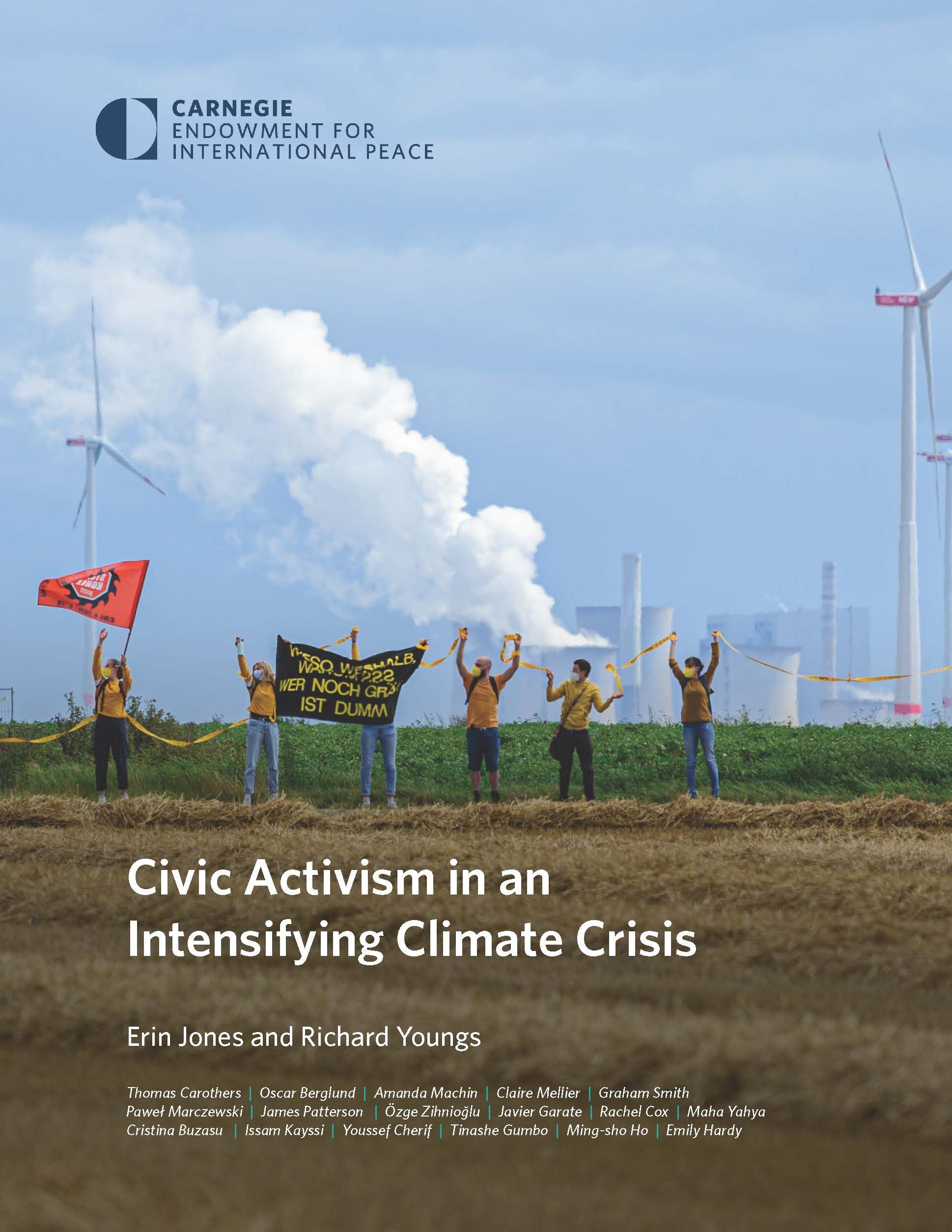
    Civic Activism in an Intensifying Climate Crisis

    To address the deepening climate crisis, climate activism is employing a wider variety of tactics and aiming at a broader set of goals. In response, the movement faces stronger repression and civic backlash against climate action.

      Erin Jones, Richard Youngs
  • Commentary
    Sada
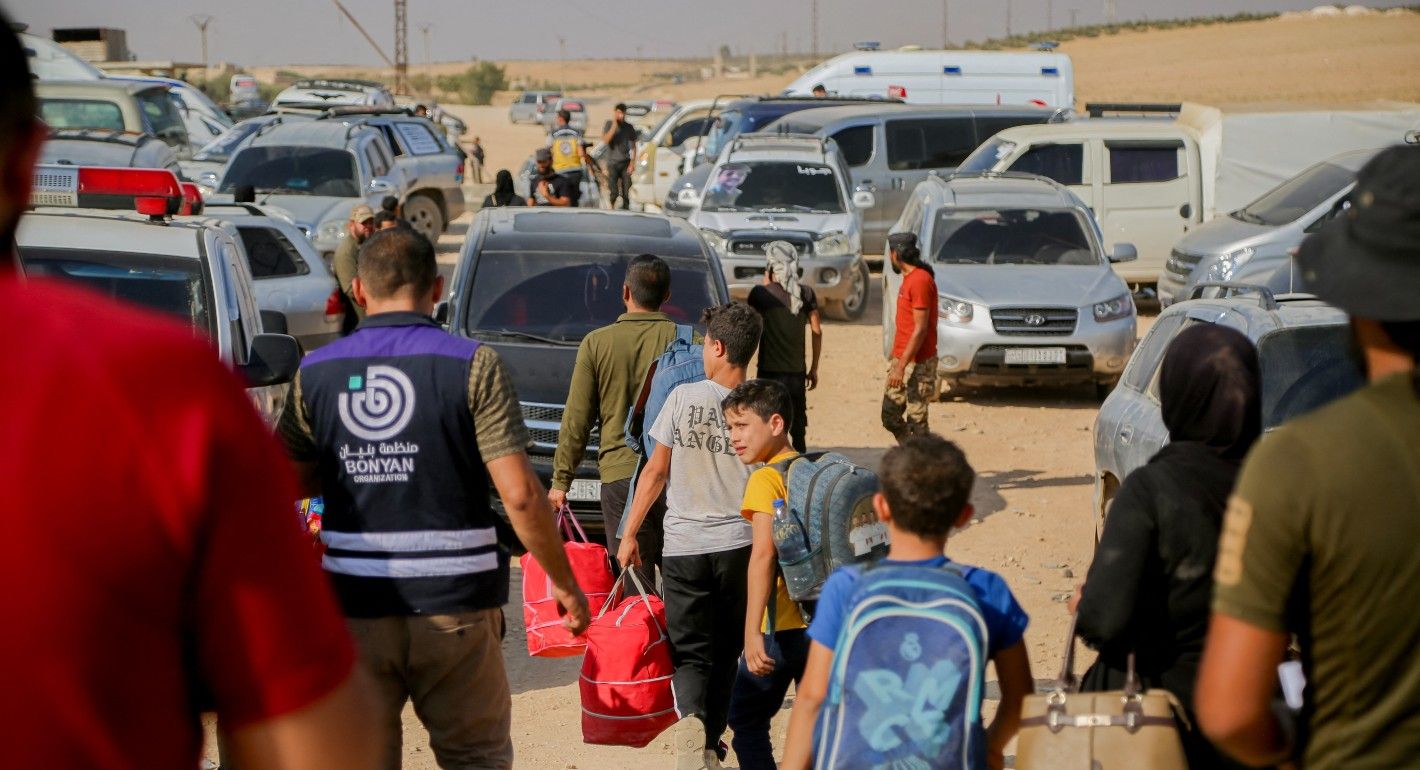
    Navigating Danger: Syrian Refugees in Lebanon Risk Returning

    A humanitarian crisis in Lebanon deepens, and Syrian refugees face a perilous choice: remain in a war-torn environment or return to Syria where they risk encountering significant dangers and discrimination. There are significant challenges and risks to their search for safety in Syria.

      Haid Haid
  • Paper
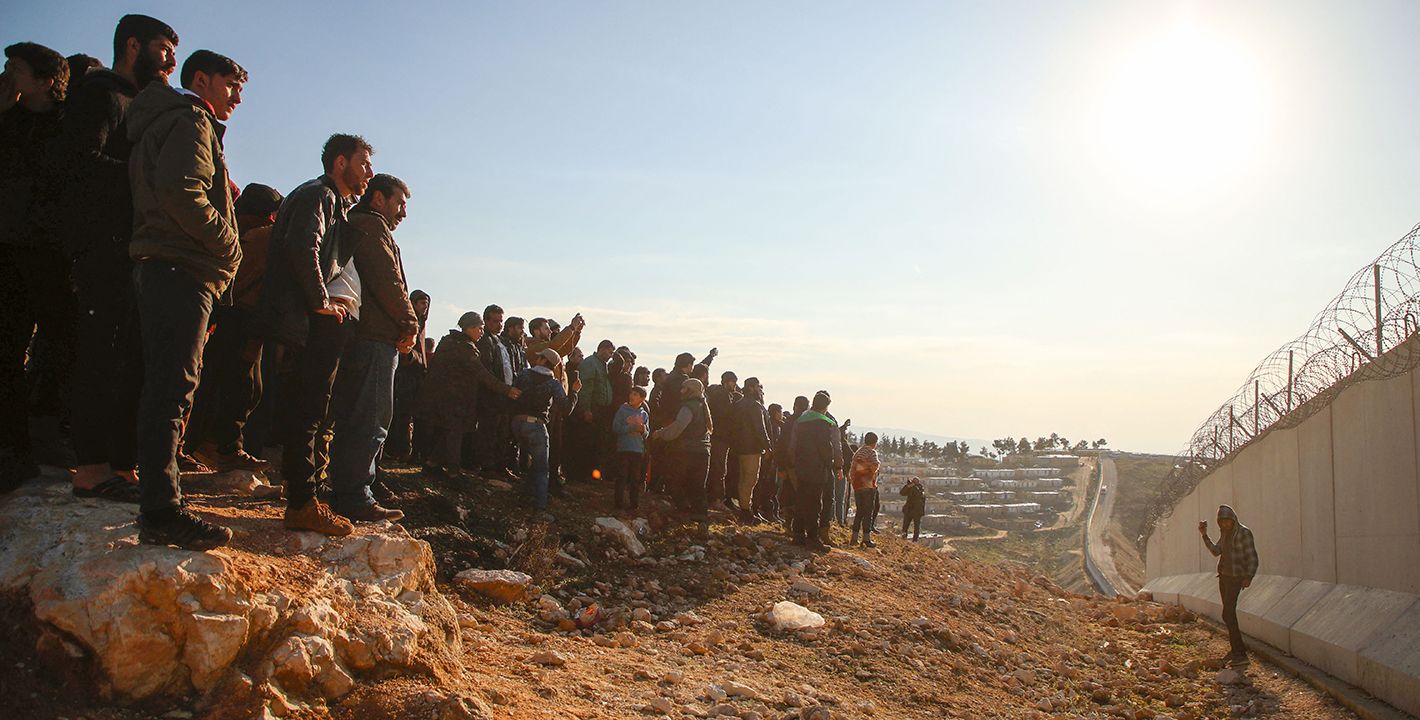
    Borders Without a Nation: Syria, Outside Powers, and Open-Ended Instability

    In Syria’s border regions, changes in demographics, economics, and security mean that an inter-Syrian peace process will require consensus among main regional powers that Syria must remain united, that no one side can be victorious, and that perennial instability threatens the region.


      Kheder Khaddour, Armenak Tokmajyan
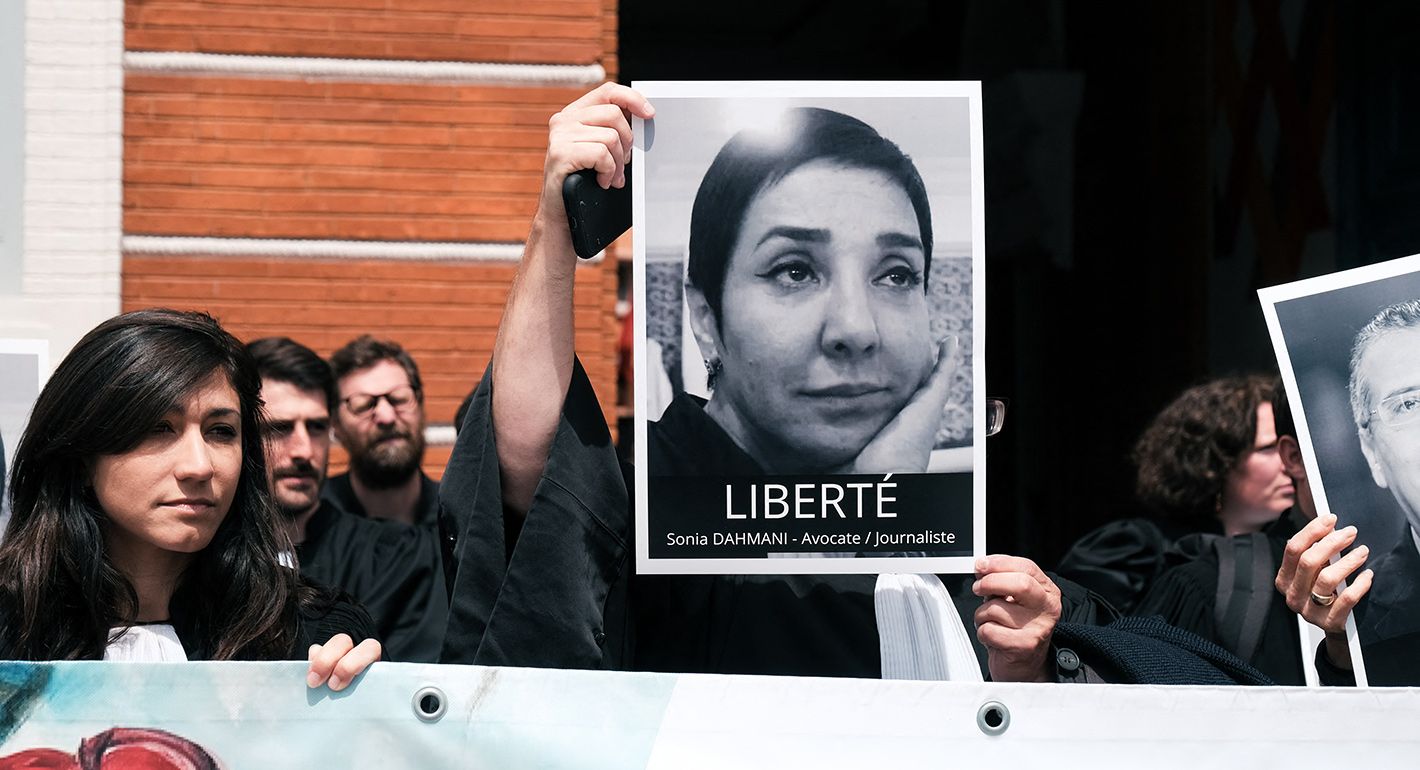
  • Rally organized by lawyers from the Toulouse Bar to protest against the arrest of their Tunisian colleague Sonia Dahmani and journalists, in front of the consulate in Toulouse, southwest of France, on May 16, 2024
    Commentary
    Diwan
    Why Tunisia Lost Faith in Democracy

    For many in the society, the post-Ben Ali years were mainly about successive economic crises and political instability.

      Jasmine Khelil
  • Commentary
    Sada
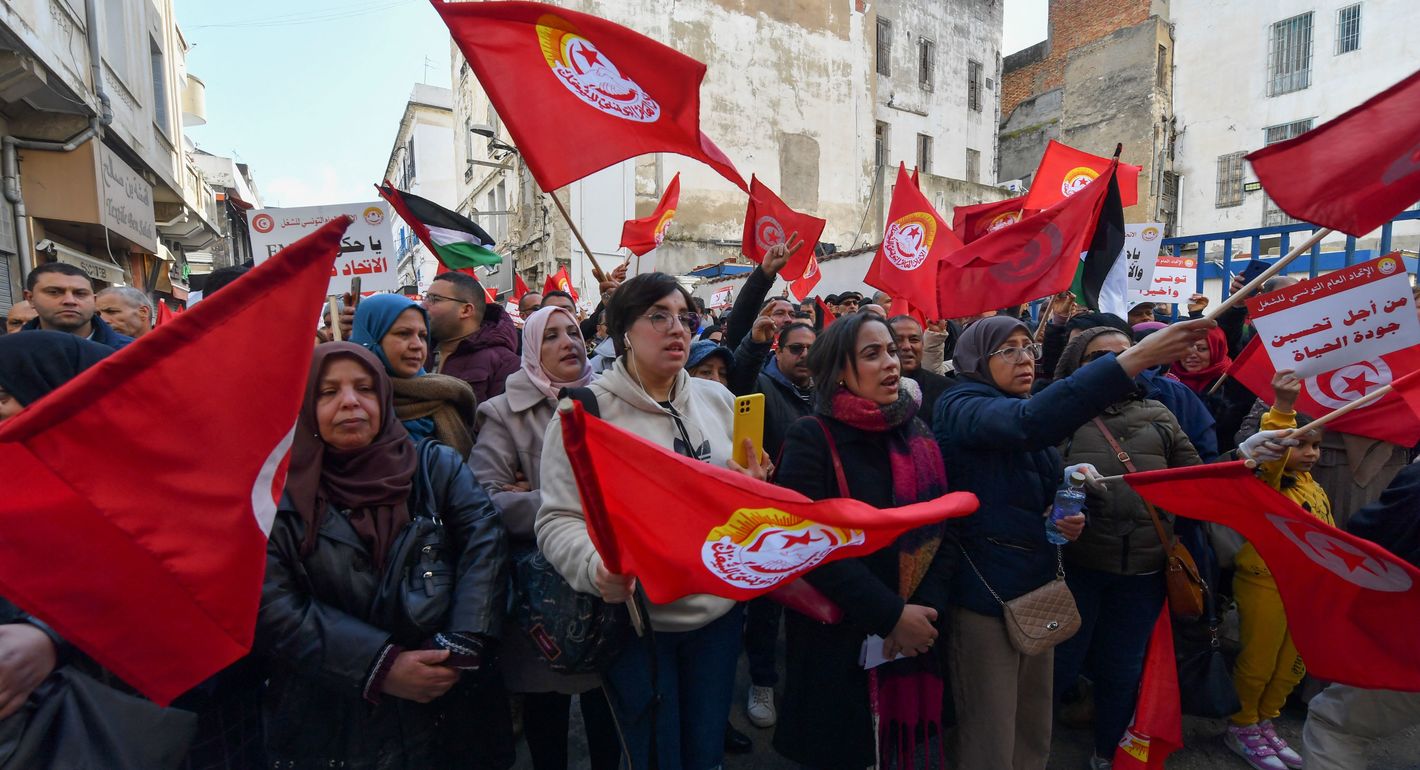
    Tunisian Trade Union Women: Agents of Change

    As members, organizers, and leaders, women continue to play an important role in the General Union of Tunisian Workers and advance its political advocacy.


      Heba F El-Shazli

Get more news and analysis from
Malcolm H. Kerr Carnegie Middle East Center
Carnegie Middle East logo, white
  • Research
  • Diwan
  • About
  • Experts
  • Projects
  • Events
  • Contact
  • Careers
  • Privacy
  • For Media
Get more news and analysis from
Malcolm H. Kerr Carnegie Middle East Center
© 2026 Carnegie Endowment for International Peace. All rights reserved.