

Other
Michael D. Swaine
{
  "authors": [
    "Michael D. Swaine"
  ],
  "type": "legacyinthemedia",
  "centerAffiliationAll": "dc",
  "centers": [
    "Carnegie Endowment for International Peace"
  ],
  "collections": [],
  "englishNewsletterAll": "asia",
  "nonEnglishNewsletterAll": "",
  "primaryCenter": "Carnegie Endowment for International Peace",
  "programAffiliation": "AP",
  "programs": [
    "Asia"
  ],
  "projects": [],
  "regions": [
    "North America",
    "United States",
    "East Asia",
    "China"
  ],
  "topics": [
    "Political Reform",
    "Foreign Policy"
  ]
}
Source: Getty
The more Washington appears to intervene in highly sensitive Chinese human rights disputes, the less likely it is that China’s incoming leaders will make desired changes.
Source: National Interest

The Chen incident comes on the heels of the ongoing crisis within senior Chinese leadership triggered by February’s flight to (and then retreat from) the U.S. consulate in Chengdu of Wang Lijun, a top associate of the once up-and-coming but now disgraced Bo Xilai. Hence, it suggests a trend toward using offices of U.S. representatives in China as a safe haven for fleeing Chinese notables of all stripes. This suggests that, despite its tarnished international reputation on torture and immigration, the U.S. government is still viewed by Chinese dissidents and communist-party operatives alike as a preferred protector when compared to their own police authorities. But this should not become an established precedent, especially given that Chen is apparently in the process of embarrassing the administration and worsening the crisis by reneging on his earlier insistence on remaining in China—a key element of the deal struck with Beijing to facilitate his departure from the U.S. embassy.
More importantly, these incidents on balance serve more to undermine than benefit U.S. national interests in Washington’s increasingly complex and challenging relationship with Beijing. Occurring on the verge of a major annual Sino-U.S. meeting in Beijing and within months of a historic Chinese Communist Party Congress—the first to witness a large-scale leadership turnover in the absence of the stabilizing influence of past party chiefs such as Deng Xiaoping and Mao Zedong—these events threaten to draw the United States into China’s domestic leadership disputes and provide leverage to Chinese critics of the bilateral relationship. They also distract both sides from increasingly urgent problems—including maritime security in the Western Pacific, cyber security issues and crises in North Korea and Iran—without improving human-rights conditions in China.To the contrary, Chinese hard-liners will probably use U.S. involvement in the Wang and Chen cases to push back against supporters of domestic liberalization and closer cooperation with Washington, employing the oft-used tactic of citing foreign interference in and manipulation of China’s domestic problems as part of an attempt to undermine the Chinese regime. And their arguments about American perfidy may be bolstered by recent White House actions on Taiwan.
In an effort to lift a congressional hold on the appointment of a key Defense Department official, the White House director of legislative affairs recently submitted a letter to Congress that seemingly signaled an intent to sell a significant number of advanced fighter aircraft to Taiwan. This seems to reverse the administration’s position that the 2011 decision to upgrade Taiwan’s existing fighters, in the words of the Defense Department, “meets Taiwan’s current defense needs.” Such an apparent reversal reinforces the image in China of an unpredictable, troublemaking Washington. Moreover, this apparent gaffe, along with the possibly poorly coordinated (within Washington) admittance of Chen Guangcheng to the Beijing embassy, suggests an absence of central control over U.S. China policy.
Taken together, these developments may place Chinese supporters of a more cooperative U.S.-China relationship on the defensive and almost certainly lead to increased domestic repression. In particular, apparent successors to leadership Xi Jinping and Li Keqiang may now be under greater pressure to affirm the solidarity and rectitude of the Chinese party leadership in the face of such internal criticism and external “threats.” This will in turn diminish support for more decisive moves toward greater openness and reform.
Human rights are an important aspect of U.S. policy toward China. But they are not likely to be advanced via high-profile encounters with Beijing, whether over dissidents such as Chen Guangcheng or efforts to assist losers in internal political fights such as Wang Lijun. The more Washington appears to intervene in highly sensitive Chinese political and human-rights disputes, the less likely it is that we will see the kinds of positive changes in China that many have hoped would emerge from the new central leadership.

Former Senior Fellow, Asia Program
Swaine was a senior fellow at the Carnegie Endowment for International Peace and one of the most prominent American analysts in Chinese security studies.
Recent Work
Michael D. Swaine
Michael D. Swaine
Carnegie does not take institutional positions on public policy issues; the views represented herein are those of the author(s) and do not necessarily reflect the views of Carnegie, its staff, or its trustees.
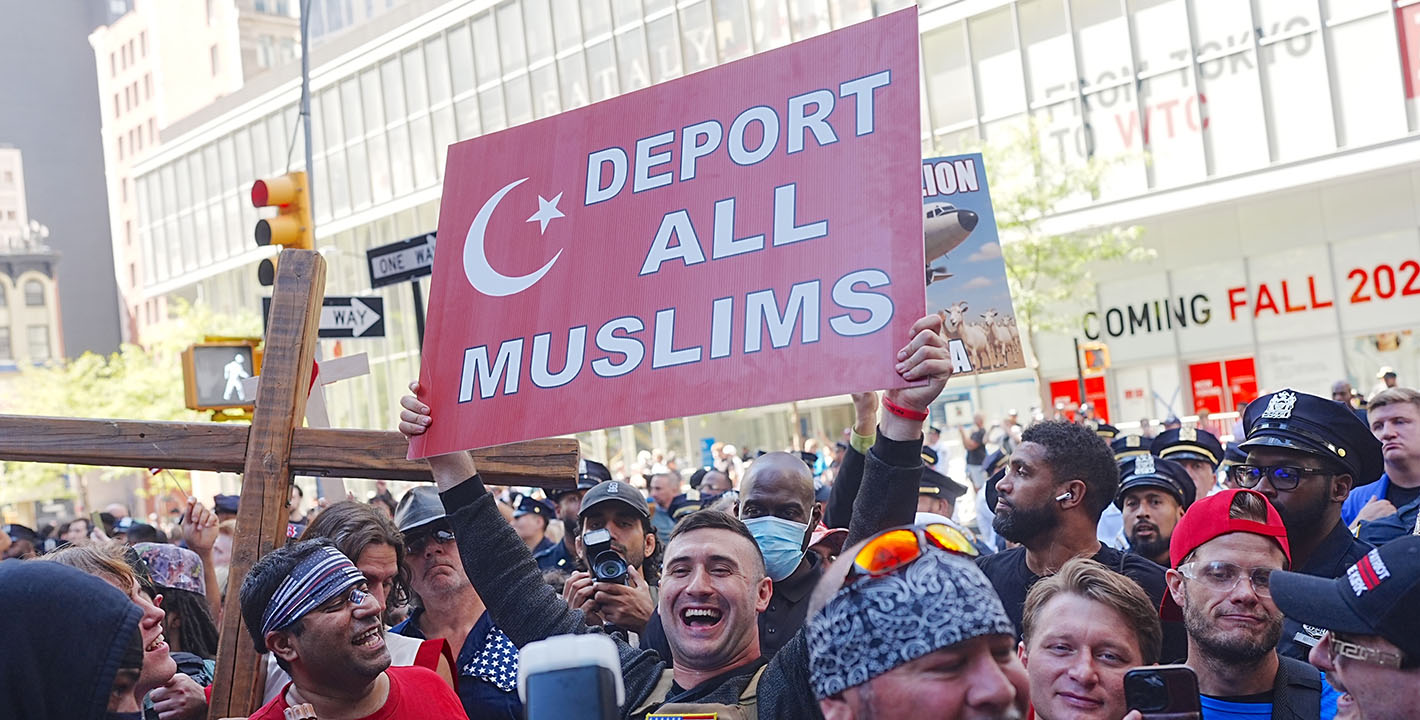
In an interview, Rozina Ali discusses her new book on the rise and manifestations of Islamophobia in the United States.

Michael Young
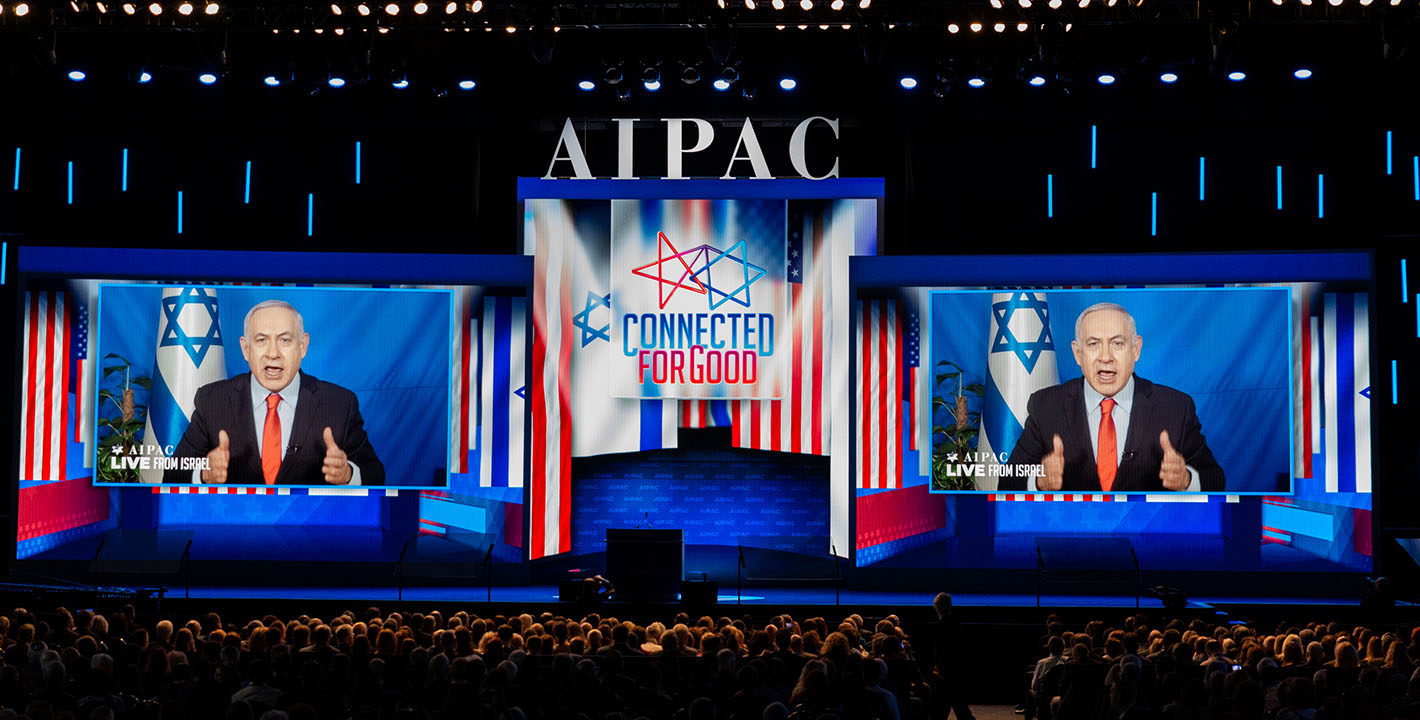
In an interview, Ian Lustick and Eli Clifton discuss their new book on why a prominent ally has so much influence in America.
Michael Young
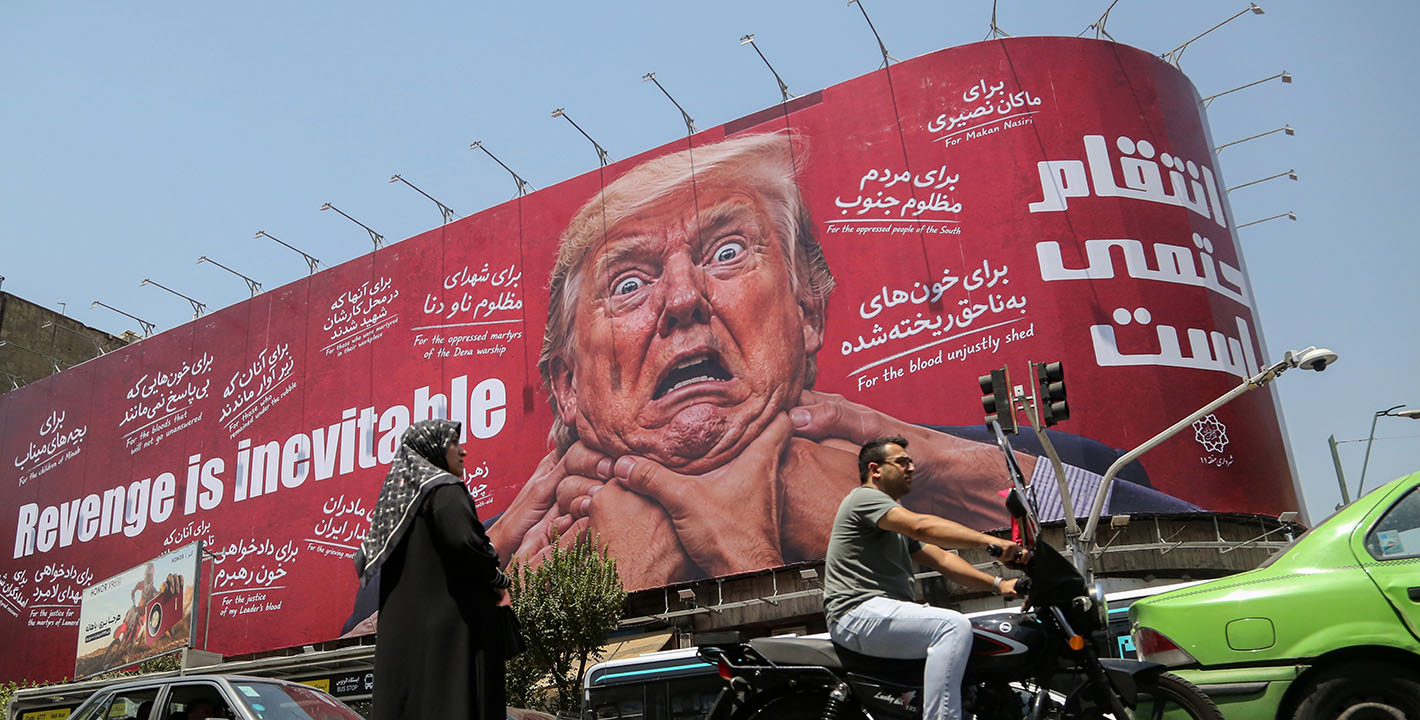
As the U.S. stumbles in its war with Iran, we are likely to see an acceleration of its disengagement from the region.
Michael Young
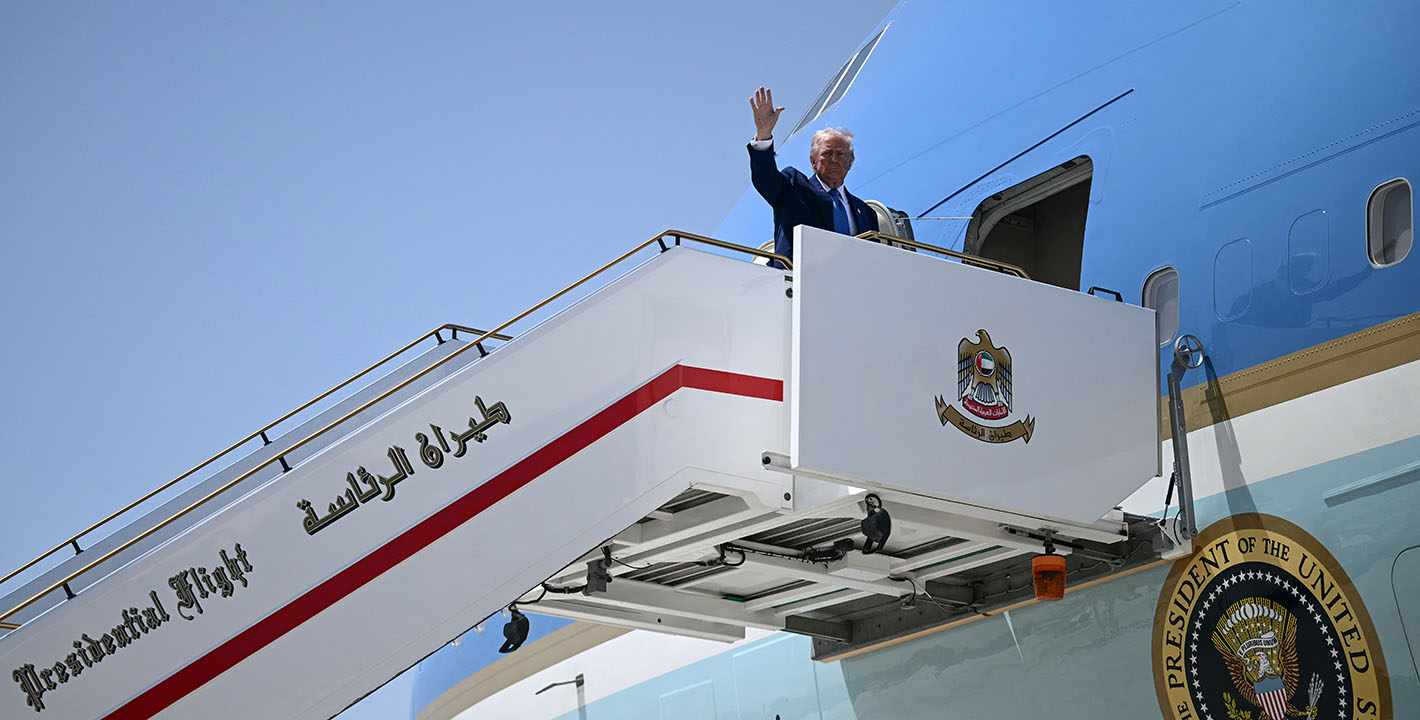
Middle Eastern states should welcome an accelerated U.S. disengagement from their region.
Michael Young
In an interview, former ambassador Charles Freeman assesses the Trump administration’s war against Iran.
Michael Young