

Paper
Matthew Rojansky
{
  "authors": [
    "Matthew Rojansky"
  ],
  "type": "legacyinthemedia",
  "centerAffiliationAll": "dc",
  "centers": [
    "Carnegie Endowment for International Peace"
  ],
  "collections": [],
  "englishNewsletterAll": "ctw",
  "nonEnglishNewsletterAll": "",
  "primaryCenter": "Carnegie Endowment for International Peace",
  "programAffiliation": "russia",
  "programs": [
    "Russia and Eurasia"
  ],
  "projects": [],
  "regions": [
    "North America",
    "United States",
    "Middle East",
    "Syria",
    "Caucasus",
    "Russia"
  ],
  "topics": [
    "Foreign Policy"
  ]
}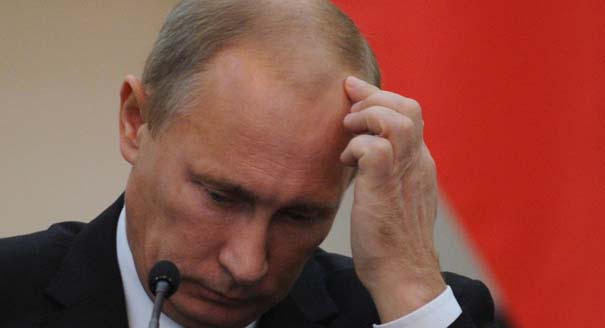
Source: Getty
As Obama and Putin prepare to meet at the G-20 summit in Mexico, the Syrian crisis is at the top of the U.S.-Russia agenda.
Source: Fox News
In an interview on Fox News' “Happening Now,” Carnegie’s Matthew Rojansky commented on the crisis in Syria and its implications for U.S.-Russia relations. As Obama and Putin prepare to meet on the sidelines of the G-20 meeting in Mexico, Obama “gets to talk directly to the boss,” Rojansky said. Although the United States and Russia have been “cooperating pretty effectively behind the scenes for the last several years,” both presidents now have “some damage control to do.”
Russian political leaders continue to oppose intervention in Syria because they “reject the Libya precedent” and want to “portray themselves as having an independent foreign policy,” Rojansky added. Russia has also concluded a number of arms sales and energy contracts with the Assad regime. So, in the end, “if he [Assad] goes, the Russians don’t get paid,” Rojansky concluded.
This interview originally appeared on Fox News' Happening Now.
Former Deputy Director, Russia and Eurasia Program
Rojansky, formerly executive director of the Partnership for a Secure America, is an expert on U.S. and Russian national security and nuclear-weapon policies.
Recent Work
Matthew Rojansky
Matthew Rojansky
Carnegie does not take institutional positions on public policy issues; the views represented herein are those of the author(s) and do not necessarily reflect the views of Carnegie, its staff, or its trustees.

By failing to address Palestinian representation, the current process is bound to lead to just another temporary arrangement.

Nathan J. Brown

Morocco and Algeria, each in its own way, are having to navigate the global economic fallout of the U.S.-Israeli military campaign against Iran.

Yasmine Zarhloule

There is a disturbing structural parallel between the old global energy economy and the new green transition.

Angie Omar
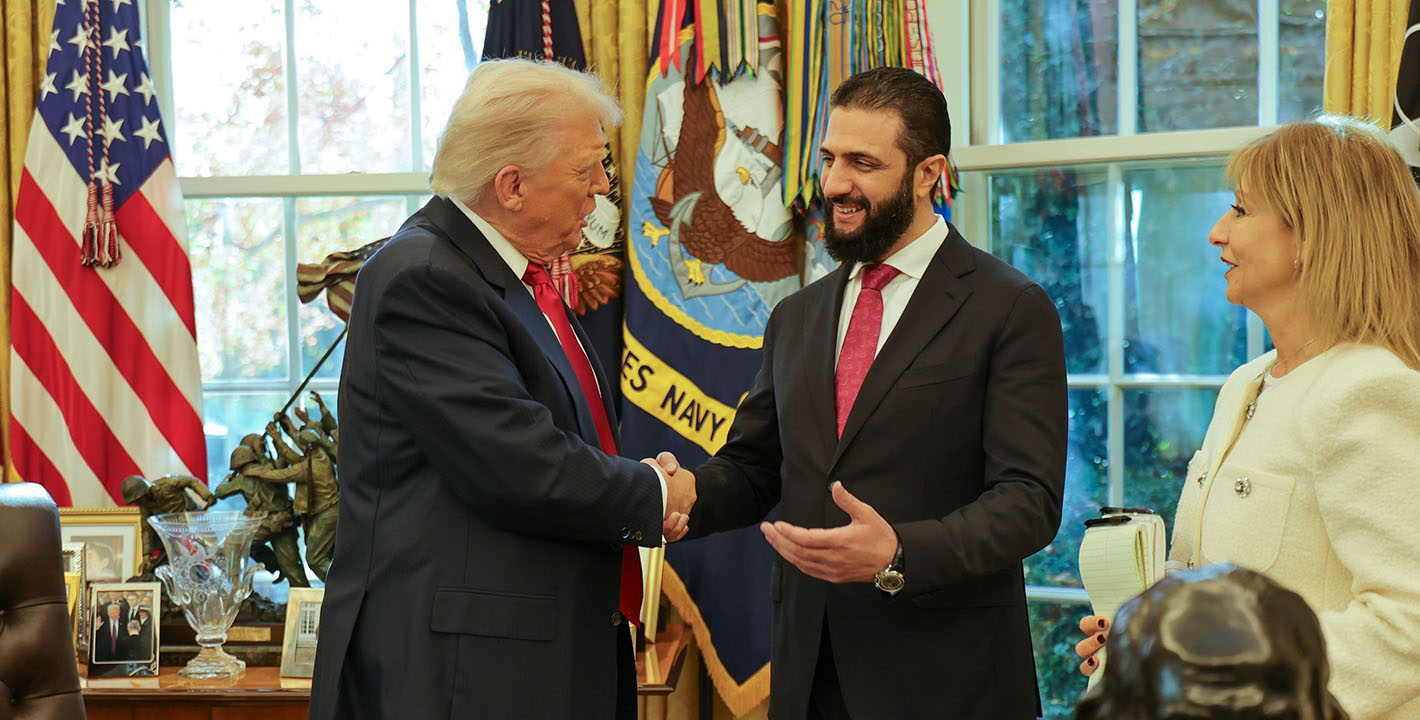
Any move by the United States to make good on Trump’s suggestion that Washington persuade Damascus to confront Hezbollah militarily would have catastrophic consequences.

Kheder Khaddour
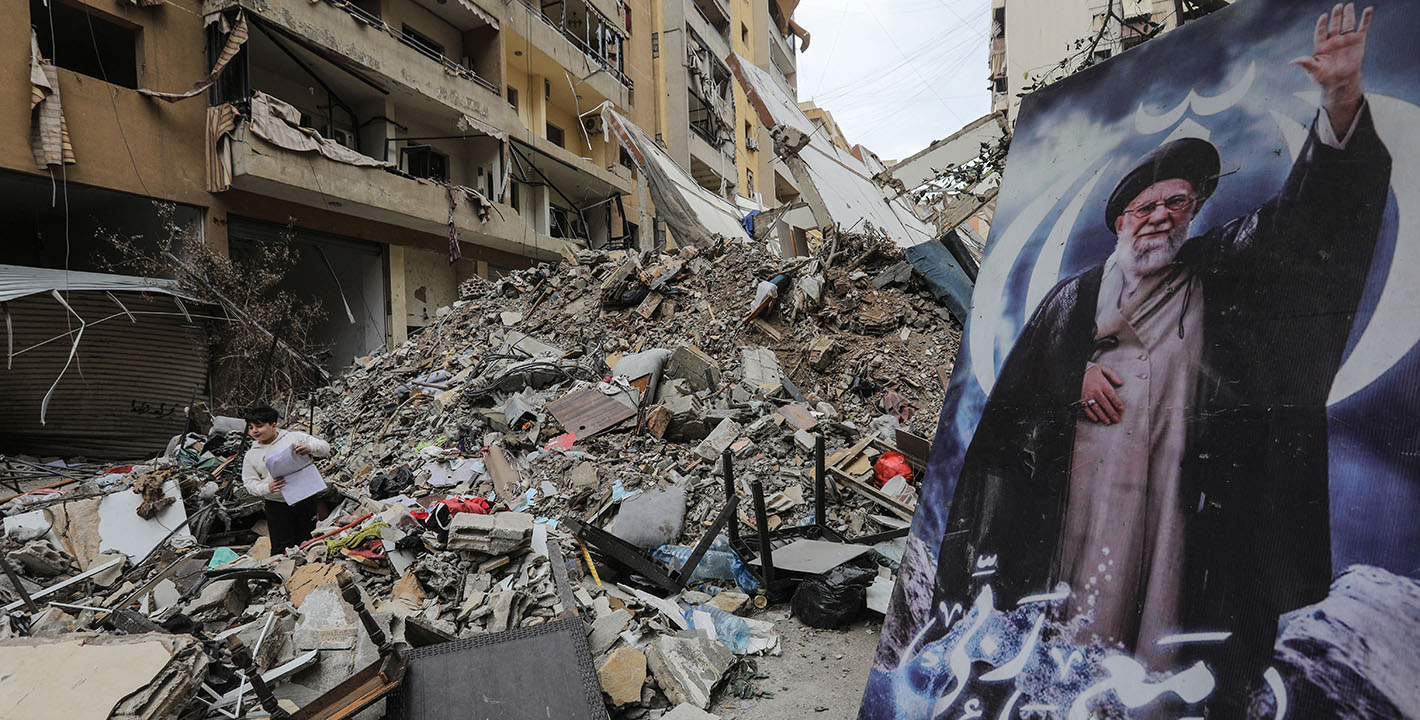
As talks begin between Washington and Tehran, Beirut has an opening to advance a regional plan for the party’s disarmament.

Michael Young