

Q&A
Stephen Tankel
{
  "authors": [
    "Stephen Tankel"
  ],
  "type": "legacyinthemedia",
  "centerAffiliationAll": "dc",
  "centers": [
    "Carnegie Endowment for International Peace"
  ],
  "collections": [],
  "englishNewsletterAll": "ctw",
  "nonEnglishNewsletterAll": "",
  "primaryCenter": "Carnegie Endowment for International Peace",
  "programAffiliation": "SAP",
  "programs": [
    "South Asia"
  ],
  "projects": [],
  "regions": [
    "South Asia",
    "Pakistan"
  ],
  "topics": [
    "Political Reform",
    "Democracy",
    "Security",
    "Civil Society"
  ]
}
Source: Getty
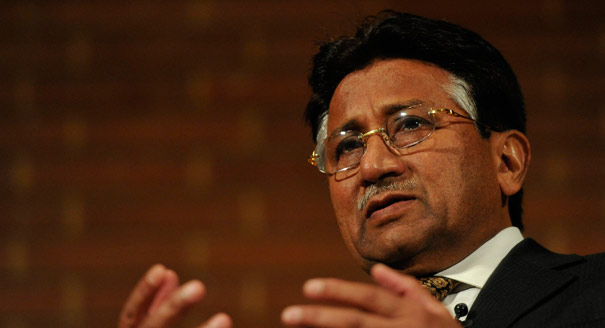
The return of former President Musharraf to Pakistan has the potential to complicate the already fraught elections coming in May 2013.
Source: CTV News Weekend
Despite the threat of legal action arising from alleged abuses during his tenure as president, Pervez Musharraf has returned to Pakistan with hopes of contesting the elections scheduled for May 11, 2013. Speaking on CTV, Carnegie's Stephen Tankel discussed the risks Musharraf takes on personally by choosing to return now, as well as the stakes for the elections. Tankel argued that Musharraf's return has the potential to upset a number of key players, including high-ranking military figures, but may also have minimal impact on the electoral outcome due to his diminished popularity.
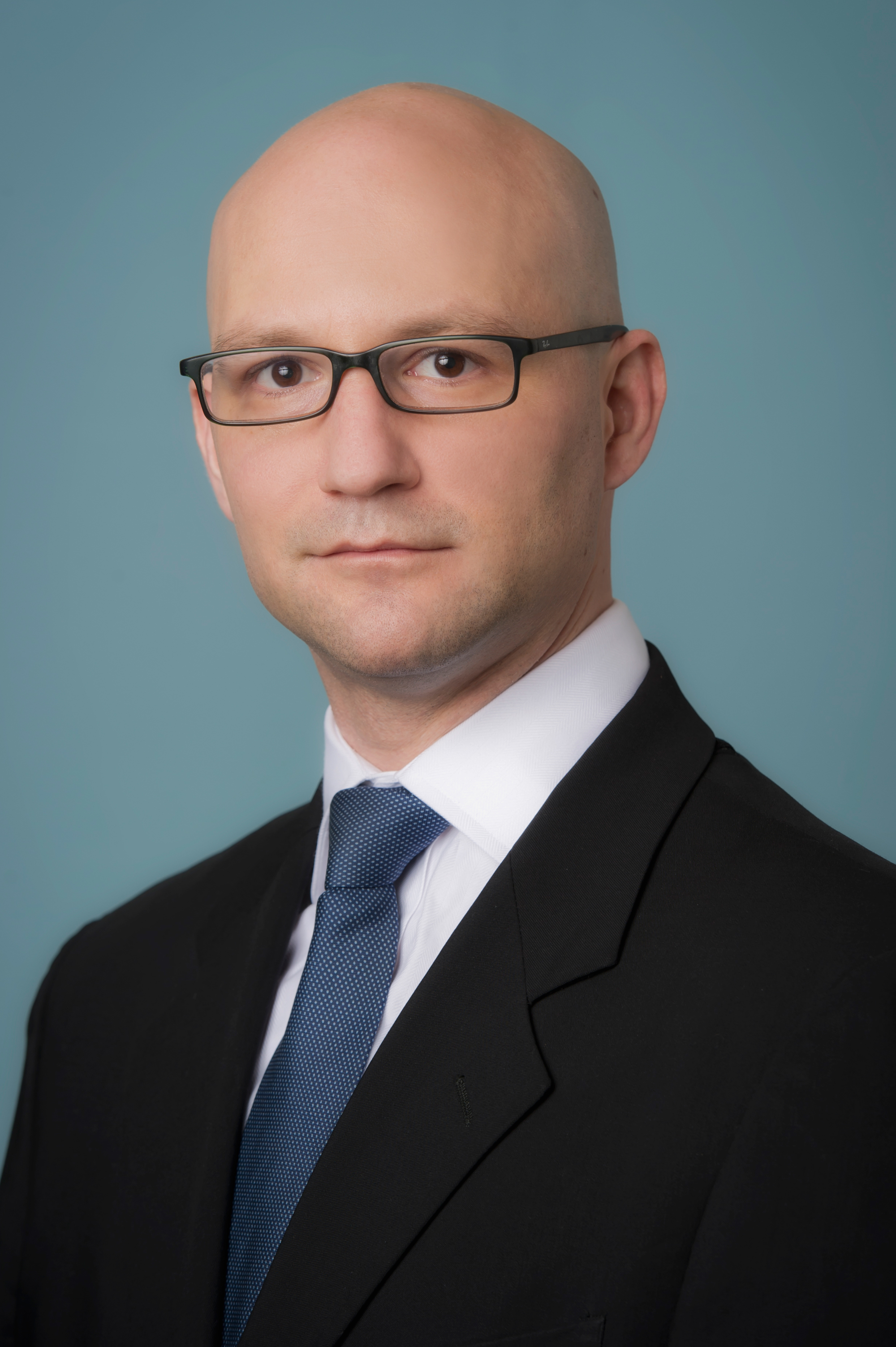
Former Nonresident Scholar, South Asia Program
Tankel was a nonresident scholar at the Carnegie Endowment, where his research focuses on insurgency, terrorism, and the evolution of nonstate armed groups.
Recent Work
Stephen Tankel
Stephen Tankel
Carnegie does not take institutional positions on public policy issues; the views represented herein are those of the author(s) and do not necessarily reflect the views of Carnegie, its staff, or its trustees.

Just look at Iraq in 1991.

Marwan Muasher

Baku may allow radical nationalists to publicly discuss “reunification” with Azeri Iranians, but the president and key officials prefer not to comment publicly on the protests in Iran.

Bashir Kitachaev
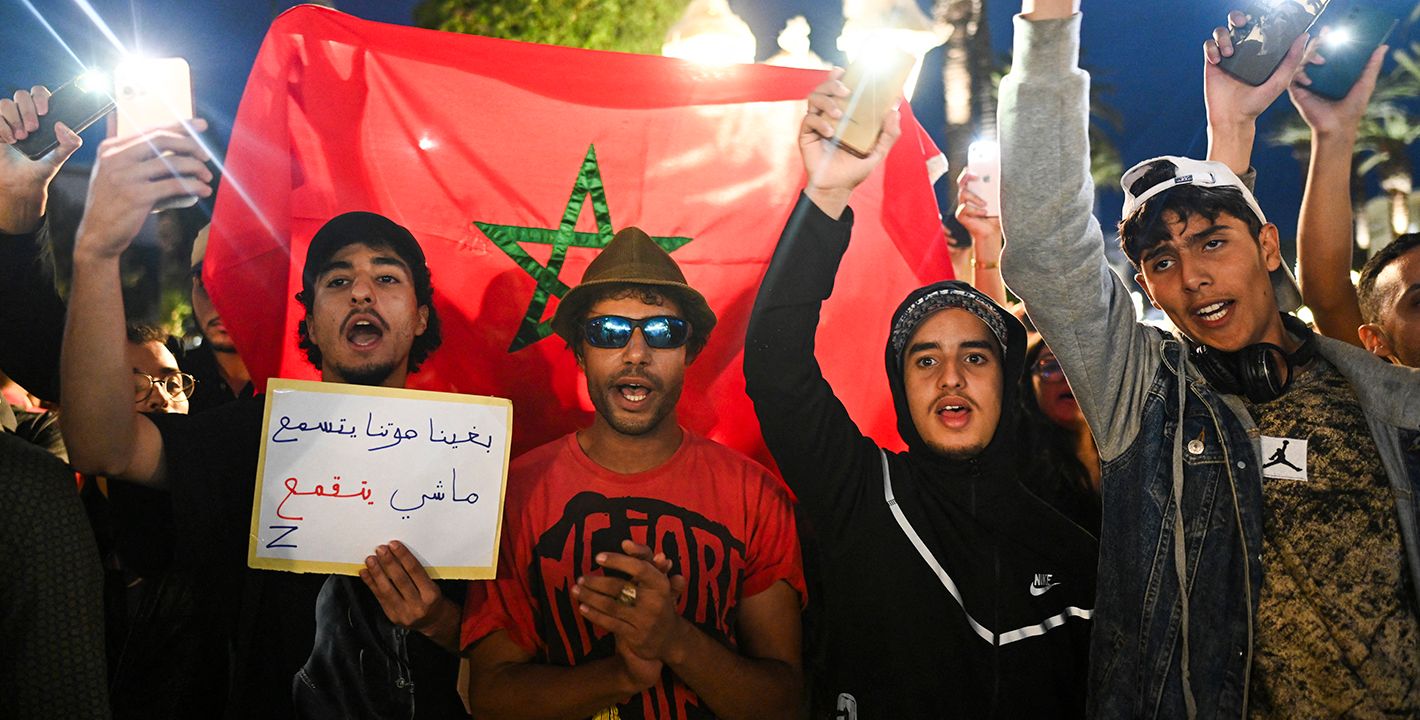
The country’s youthful protest movement is seeking economic improvement, social justice, and just a little hope.

Yasmine Zarhloule
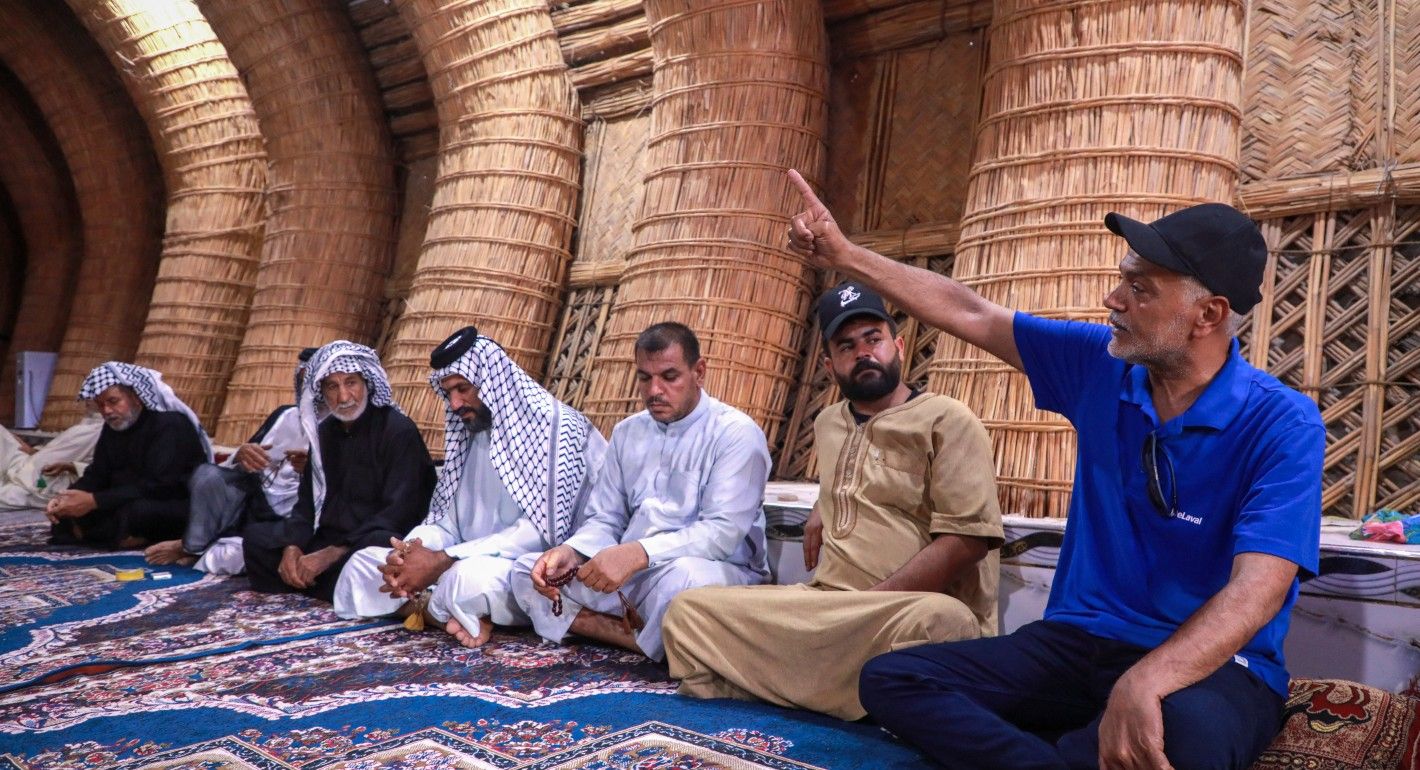
In fragmented political contexts, climate activism is a way to contest both ecological harm and the structures of violence and neglect that allow it to persist.

Issam Kayssi, Mohanad Hage Ali
In addressing Hezbollah’s disarmament, the Lebanese state must start by increasing its own leverage.

Michael Young