

Q&A
Matt Ferchen
{
  "authors": [
    "Matt Ferchen"
  ],
  "type": "legacyinthemedia",
  "centerAffiliationAll": "",
  "centers": [
    "Carnegie Endowment for International Peace",
    "Carnegie China"
  ],
  "collections": [
    "China and the Developing World",
    "China’s Foreign Relations"
  ],
  "englishNewsletterAll": "",
  "nonEnglishNewsletterAll": "",
  "primaryCenter": "Carnegie China",
  "programAffiliation": "",
  "programs": [],
  "projects": [],
  "regions": [
    "North America",
    "South America",
    "East Asia",
    "China"
  ],
  "topics": [
    "Economy"
  ]
}
Source: Getty
China’s business and trade links to Venezuela play a far more prominent role in shaping and defining the bilateral relationship than political or diplomatic ties.
Source: Voice of Russia
Speaking to Voice of Russia, Carnegie’s Matt Ferchen explained China’s interests in Venezuela and how Chinese-Venezuelan ties will be affected after the death of Hugo Chavez. While Chinese business and political leaders are certainly anxious about the political situation that may emerge and the direction that the new leadership might take the country, the level of Chinese investment in Venezuela means that China would be happy with any Venezuelan leader who continues to encourage China’s investment and is a reliable and predictable partner, Ferchen said.
Although China and Venezuela have close business and trade ties, foreign policy and political relations are marginal, Ferchen added. Venezuela hopes that closer political ties and ideological support from China would follow closer business ties were not met. Instead, asserted Ferchen, Chinese State Owned Enterprises and banks played a far bigger role in forging the bilateral relationship, often acting independently of the government and Ministry of Foreign Affairs.

Former Nonresident Scholar, Carnegie-Tsinghua Center for Global Policy
Ferchen specializes in China’s political-economic relations with emerging economies. At the Carnegie–Tsinghua Center for Global Policy, he ran a program on China’s economic and political relations with the developing world, including Latin America.
Recent Work
Matt Ferchen
Matt Ferchen, Anarkalee Perera
Carnegie does not take institutional positions on public policy issues; the views represented herein are those of the author(s) and do not necessarily reflect the views of Carnegie, its staff, or its trustees.

The armed forces champion a form of capitalism that is generating revenue, but its reliance on rent faces diminishing returns, leaving the country with massive sunk costs and deferred returns, deepening dependency on external borrowing.

Yezid Sayigh
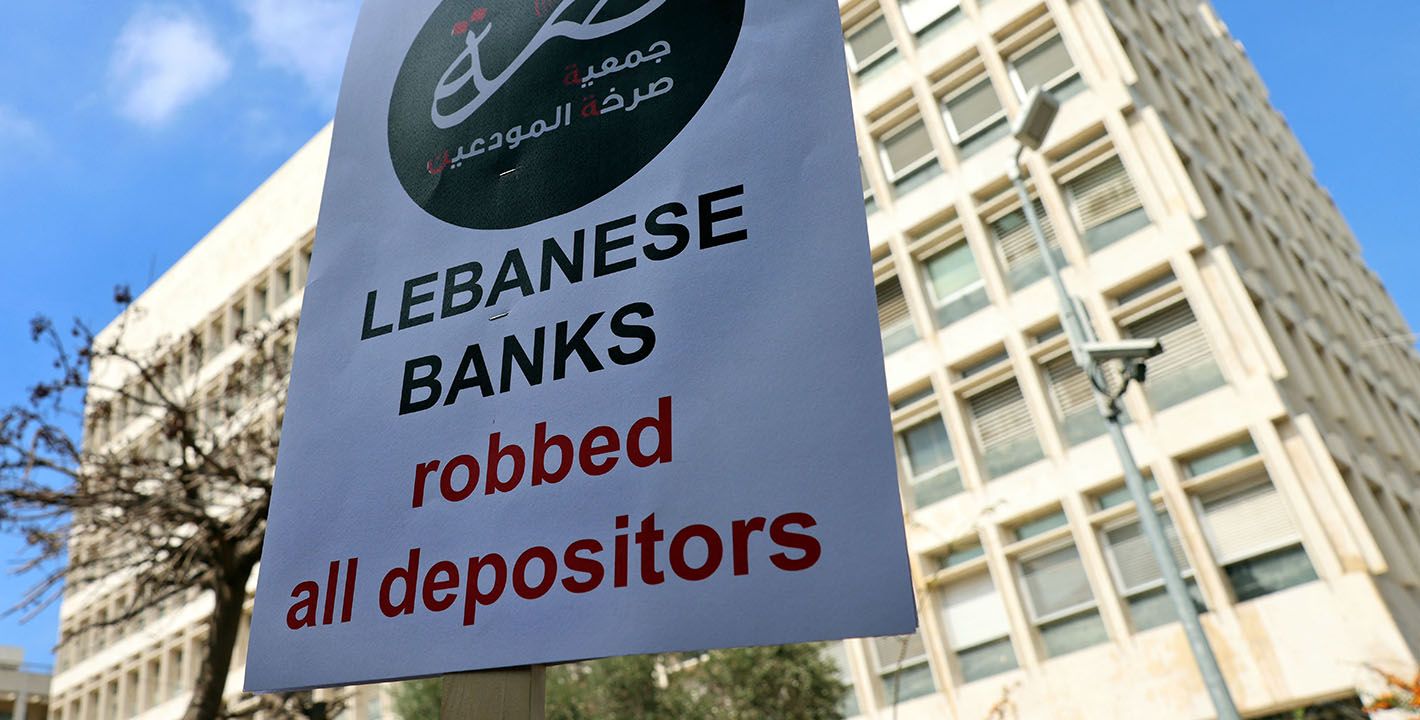
In an interview, Ishac Diwan looks at the merits and flaws in the draft legislation distributing losses from the financial collapse.

Michael Young

Mustaqbal Misr has expanded its portfolio with remarkable speed, but a lack of transparency remains.
Yezid Sayigh
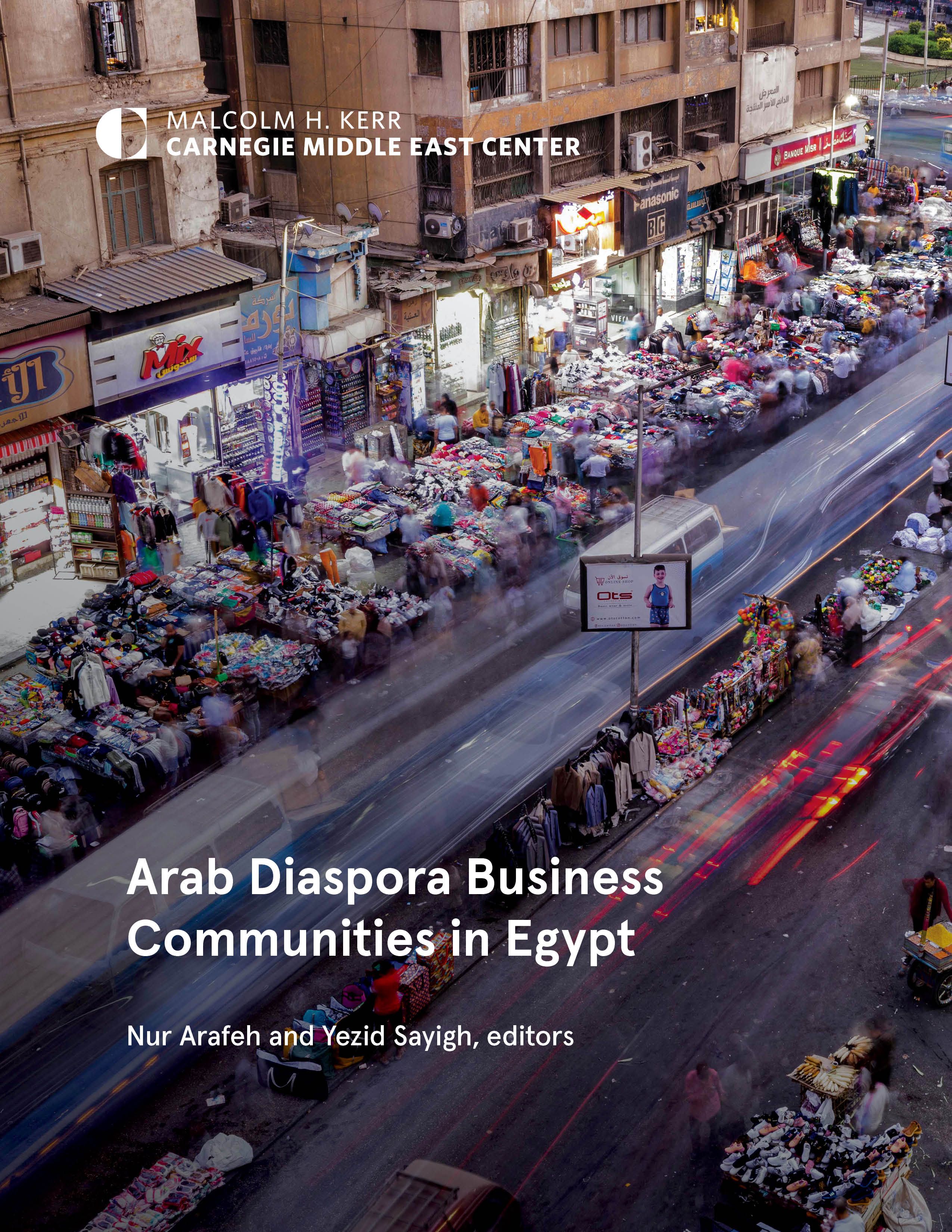
Arab diaspora business communities in Egypt often mirror the same systemic challenges facing Egyptian businesses.
Nur Arafeh, Yezid Sayigh, Qaboul al-Absi, …

Largely characterized thus far by a single-minded focus on extractivism, Riyadh must commit to greater equitability in its approach to investment and development deals with Sudan, Ethiopia, and Eritrea.

Hesham Alghannam