

Research
- +10
Rosa Balfour, Frances Z. Brown, Yasmine Farouk, …
{
  "authors": [
    "Moisés Naím"
  ],
  "type": "legacyinthemedia",
  "centerAffiliationAll": "",
  "centers": [
    "Carnegie Endowment for International Peace"
  ],
  "collections": [],
  "englishNewsletterAll": "",
  "nonEnglishNewsletterAll": "",
  "primaryCenter": "Carnegie Endowment for International Peace",
  "programAffiliation": "",
  "programs": [],
  "projects": [],
  "regions": [
    "North America",
    "United States"
  ],
  "topics": [
    "Political Reform",
    "Foreign Policy"
  ]
}
Source: Getty
In almost every realm, micro-powers are challenging the grip of old entrenched powers.
Source: WNYC Brian Lehrer Show
Speaking on WNYC's Brian Lehrer Show , Carnegie's Moisés Naím discussed the decades-long trend in which power is slowly being dispersed among a wider variety of individuals, groups, companies, countries, and institutions. He examined the siege of corporate dominance, where established multinational companies are threatened by the rising role of small start-ups.
Naím also discussed Margaret Thatcher and Ronald Reagan and compared their influential role to the Internet. Thatcher and Reagan launched profound changes on how society was organized. The main themes of their policies included deregulation, privatization, and trade liberalization. These policies opened up previously closed markets and provided opportunities for global integration and cross-border activities. Thatcher and Reagan changed the world with liberalizing policies that opened doors and opportunities for people around the world.
In global affairs, Naím suggested an end to the analysis of the elevator patterns of actors who are rising and who are falling—much like the relationship between China and the United States. When an actor gets to the top, they find that it does not yield as much as it used to. Assessing who is going up and who is going down essentially misses the point of what is happening among those who have power.

Distinguished Fellow
Moisés Naím is a distinguished fellow at the Carnegie Endowment for International Peace, a best-selling author, and an internationally syndicated columnist.
Recent Work



Rosa Balfour, Frances Z. Brown, Yasmine Farouk, …
Moisés Naím
Carnegie does not take institutional positions on public policy issues; the views represented herein are those of the author(s) and do not necessarily reflect the views of Carnegie, its staff, or its trustees.

By failing to address Palestinian representation, the current process is bound to lead to just another temporary arrangement.

Nathan J. Brown

Morocco and Algeria, each in its own way, are having to navigate the global economic fallout of the U.S.-Israeli military campaign against Iran.

Yasmine Zarhloule
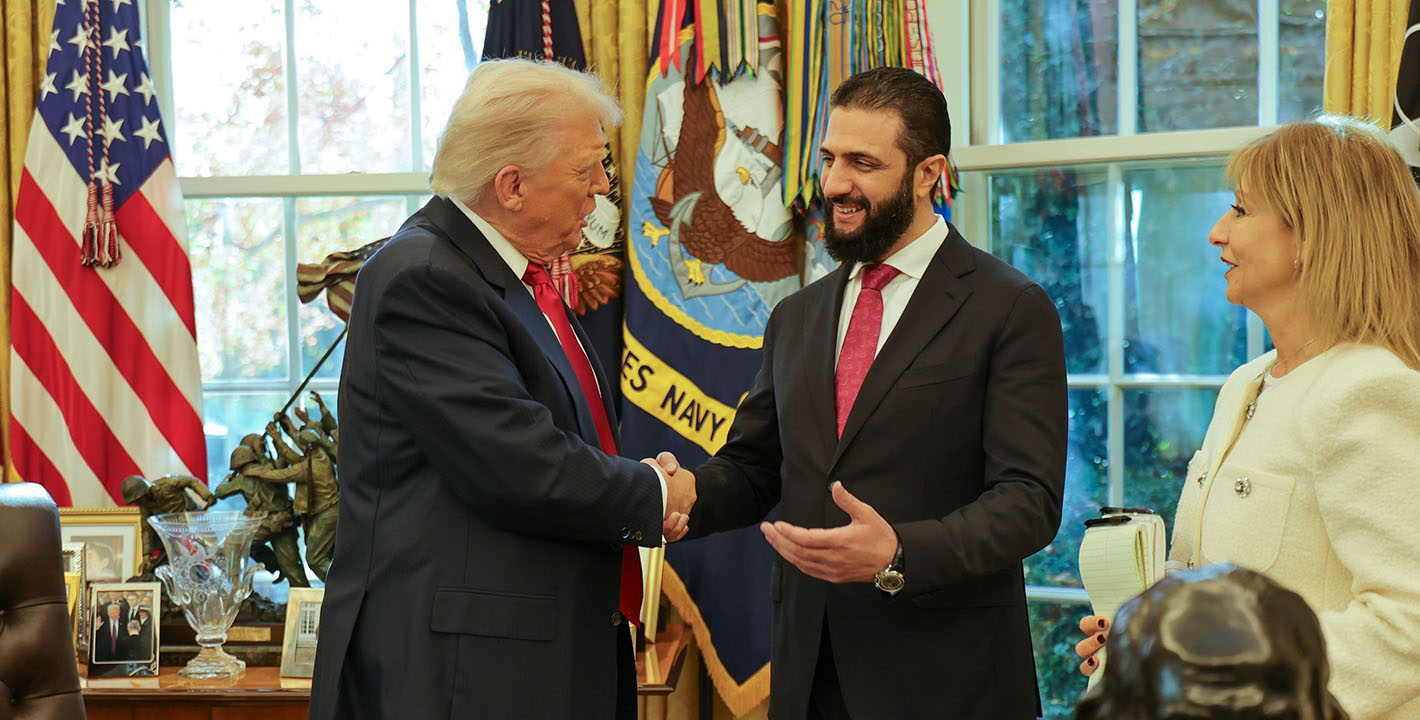
Any move by the United States to make good on Trump’s suggestion that Washington persuade Damascus to confront Hezbollah militarily would have catastrophic consequences.

Kheder Khaddour
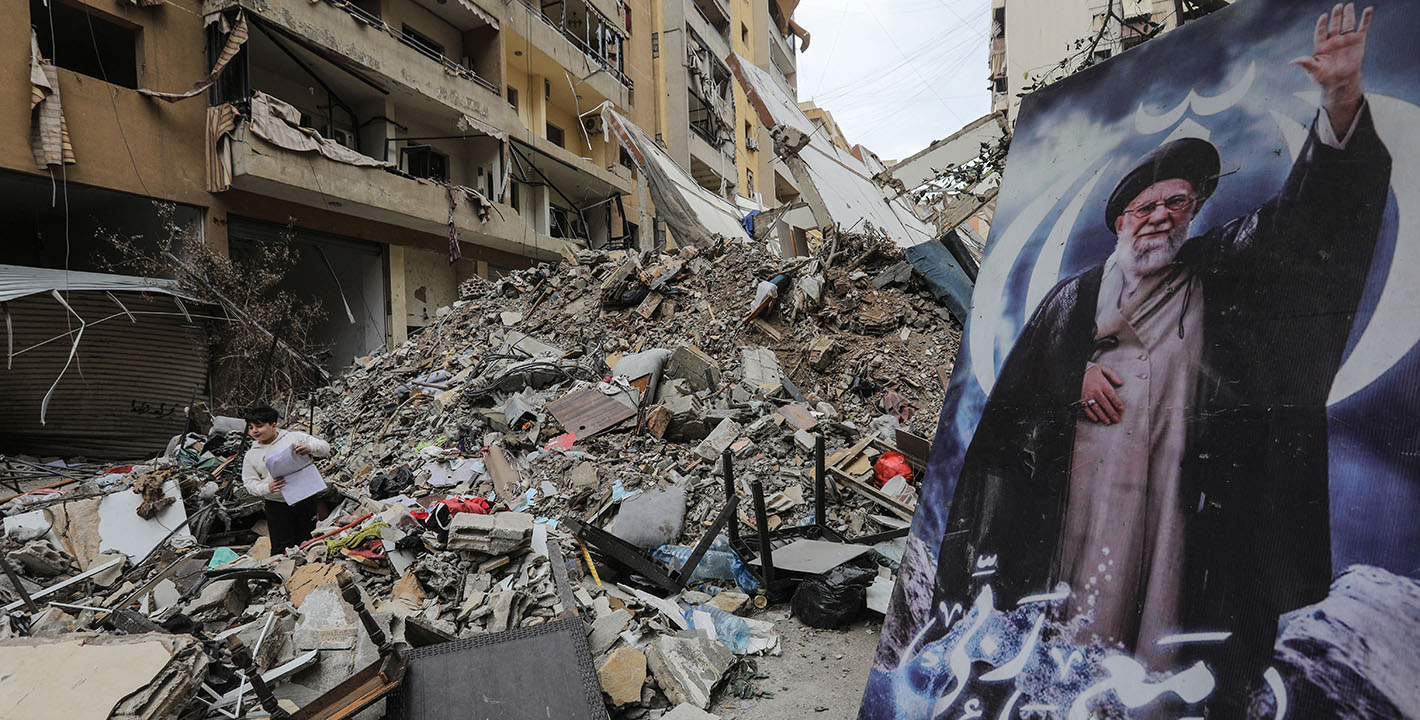
As talks begin between Washington and Tehran, Beirut has an opening to advance a regional plan for the party’s disarmament.

Michael Young

What is behind Marco Rubio’s announcement that the body is now an international nongovernmental organization?
Zaha Hassan