

Article
Thomas Carothers, McKenzie Carrier
{
  "authors": [
    "Thomas Carothers"
  ],
  "type": "legacyinthemedia",
  "centerAffiliationAll": "dc",
  "centers": [
    "Carnegie Endowment for International Peace"
  ],
  "collections": [
    "Arab Awakening",
    "Democracy and Governance"
  ],
  "englishNewsletterAll": "democracy",
  "nonEnglishNewsletterAll": "",
  "primaryCenter": "Carnegie Endowment for International Peace",
  "programAffiliation": "DCG",
  "programs": [
    "Democracy, Conflict, and Governance"
  ],
  "projects": [],
  "regions": [
    "North Africa",
    "Egypt"
  ],
  "topics": [
    "Political Reform",
    "Democracy"
  ]
}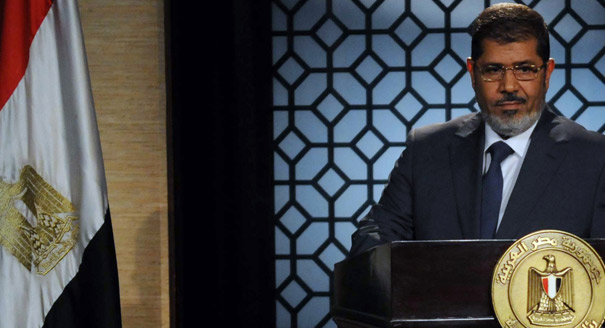
Source: Getty
The U.S. government should refrain from doing anything that would suggest interference in Egypt’s internal developments and instead support a peaceful resolution by domestic civilian actors.
Source: BBC World News
Speaking on BBC World News, Thomas Carothers, vice president at the Carnegie Endowment for International Peace, discussed the situation in Egypt, President Morsi's dilemma, and the role of the United States.
Carothers argued that President Morsi either has to make significant political concessions or the current popular protests are likely to continue and intensify further. However, according to Carothers, Morsi's reactions so far suggest that he continues to view the demonstrations as an illegitimate attack on his elected power and remains unwilling to give in to the protesters' demands. Carothers also underlined that suspicions about the U.S. role in Egypt remain extremely high, especially since the army and many protesters believe that the United States has been too supportive of the Morsi government. Carothers suggested that the U.S. government should refrain from doing anything that would suggest interference in Egypt's internal developments and instead support a peaceful resolution by domestic civilian actors.

Harvey V. Fineberg Chair for Democracy Studies; Director, Democracy, Conflict, and Governance Program
Thomas Carothers, director of the Carnegie Endowment for International Peace’s Democracy, Conflict, and Governance Program, is a leading expert on comparative democratization and international support for democracy.
Recent Work
Thomas Carothers, McKenzie Carrier
Thomas Carothers, McKenzie Carrier
Carnegie does not take institutional positions on public policy issues; the views represented herein are those of the author(s) and do not necessarily reflect the views of Carnegie, its staff, or its trustees.
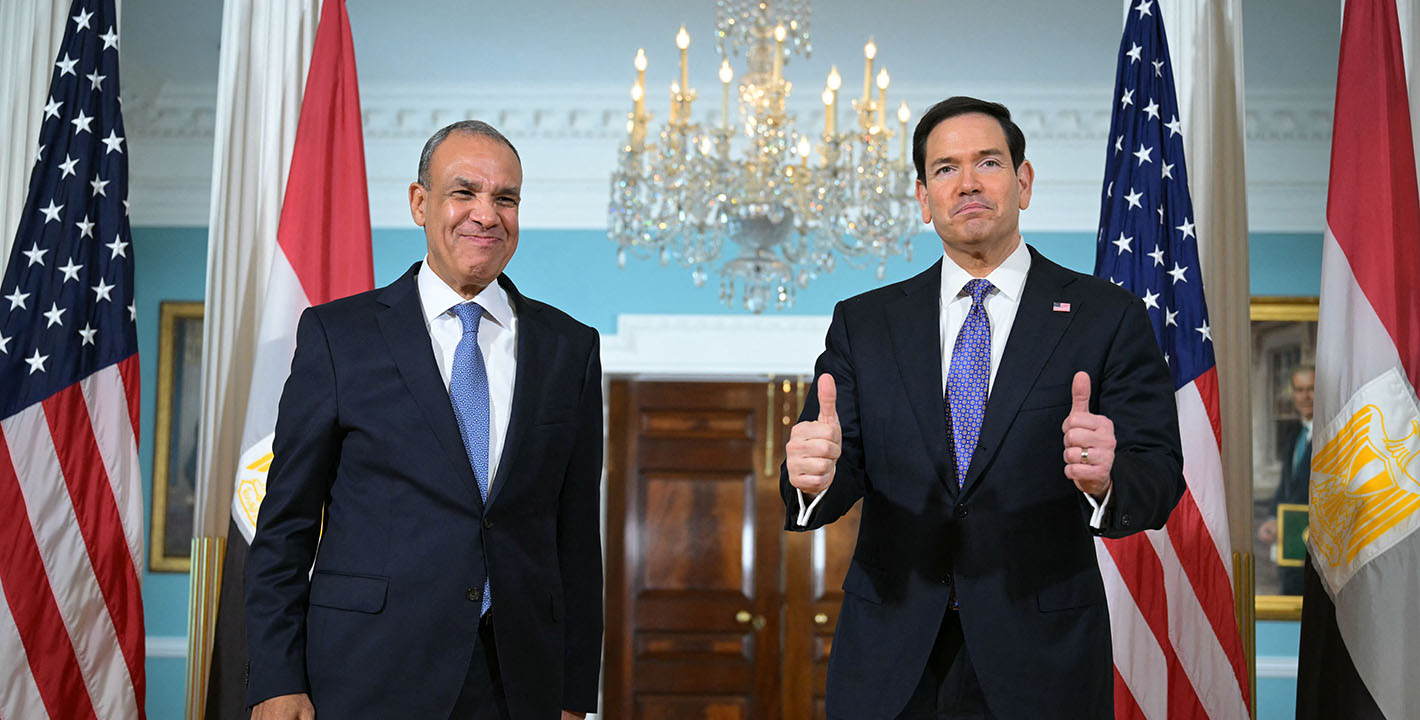
Cairo’s efforts send a message to the United States and the region that it still has a place at the diplomatic table.

Angie Omar
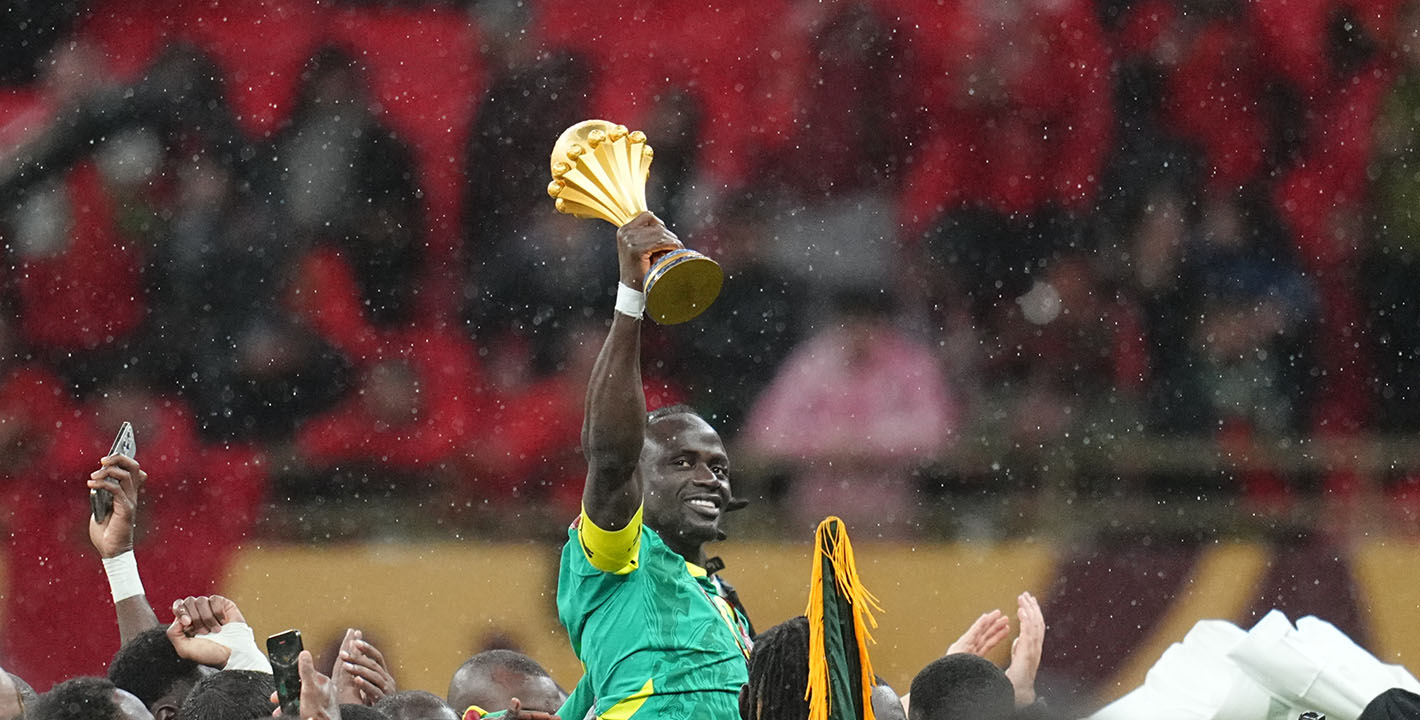
The recent African Cup of Nations tournament in Morocco touched on issues that largely transcended the sport.


Issam Kayssi, Yasmine Zarhloule
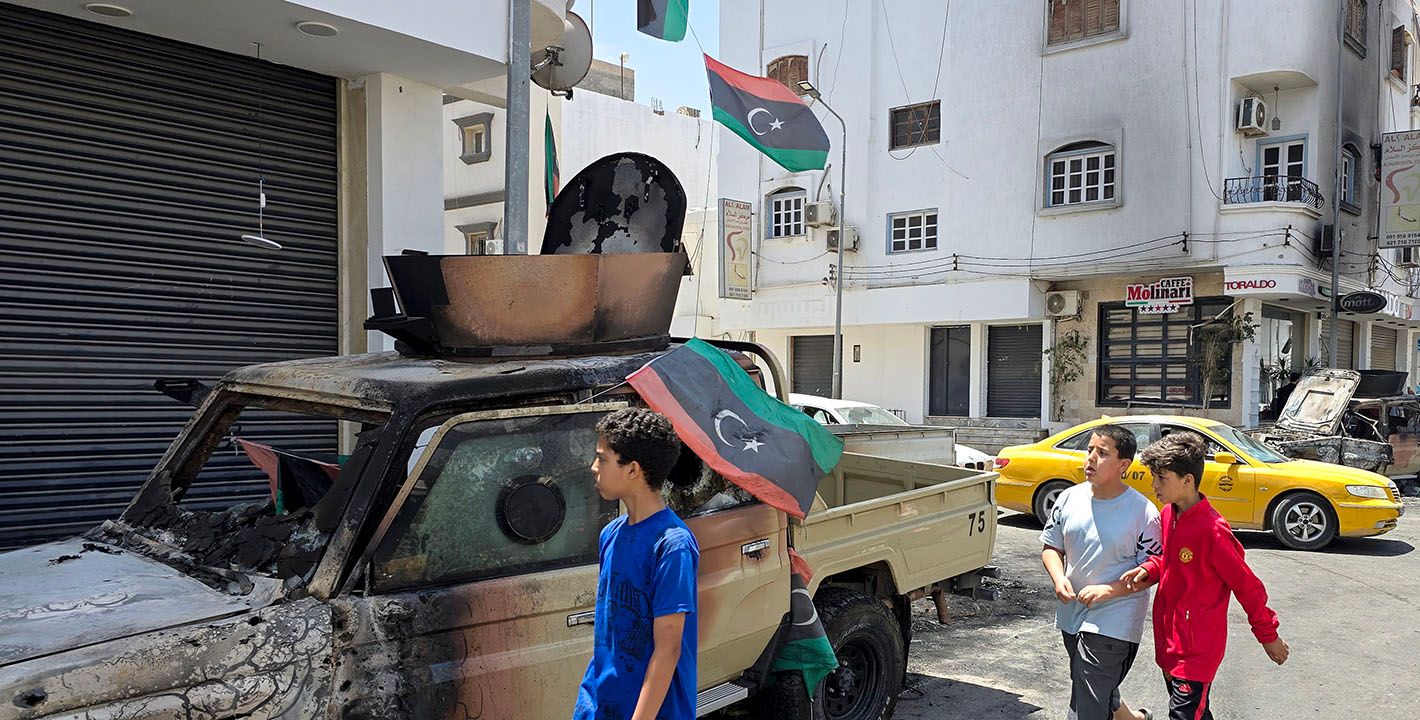
The UN Support Mission in the country should reassess its approach so that consensus between the warring parties becomes the eventual goal, rather than a procedural matter that dogs the negotiating process at every turn.
Soraya Rahem

Mustaqbal Misr has expanded its portfolio with remarkable speed, but a lack of transparency remains.

Yezid Sayigh
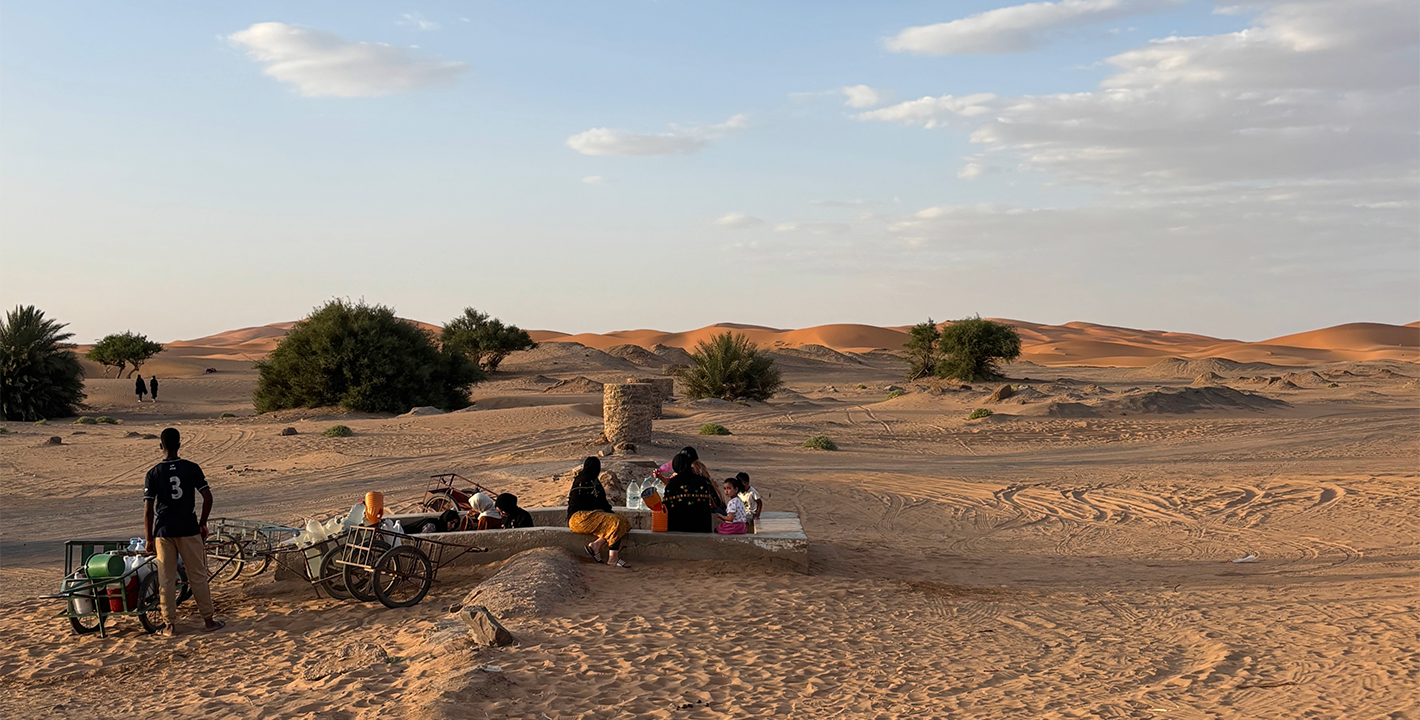
The burden of environmental degradation is felt not only through physical labor but also emotional and social loss.
Yasmine Zarhloule, Ella Williams