

Q&A
Suzanne Maloney, Aaron David Miller, Karim Sadjadpour
{
  "authors": [
    "Karim Sadjadpour"
  ],
  "type": "legacyinthemedia",
  "centerAffiliationAll": "dc",
  "centers": [
    "Carnegie Endowment for International Peace",
    "Malcolm H. Kerr Carnegie Middle East Center"
  ],
  "collections": [],
  "englishNewsletterAll": "menaTransitions",
  "nonEnglishNewsletterAll": "",
  "primaryCenter": "Carnegie Endowment for International Peace",
  "programAffiliation": "MEP",
  "programs": [
    "Middle East"
  ],
  "projects": [],
  "regions": [
    "United States",
    "Middle East",
    "Iran",
    "Syria",
    "Levant"
  ],
  "topics": [
    "Political Reform",
    "Security",
    "Foreign Policy"
  ]
}
Source: Getty
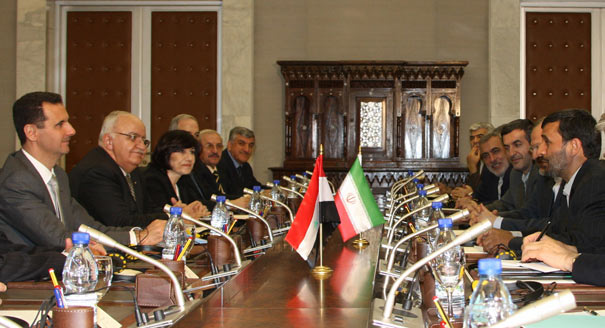
For Iran, the Syrian conflict has been a zero sum game, making it difficult to negotiate.
Source: PRI’s The World
Lawmakers on Capitol Hill have said that a strike on Syria is necessary in part to send a message to Iran. In an interview with PRI’s The World, Carnegie’s Karim Sadjadpour said that it’s possible Iran would give Hezbollah in Lebanon the go-ahead to launch missiles into Israel if the United States decided to strike Syria. However, Sadjadpour said, Iran is spread very thin. “They’re spending enormous amounts of money in Syria to keep the Assad regime afloat and they would have to think twice about opening up another war front with Israel which is going to spread them even thinner,” he explained.
Syria is Iran’s indispensable regional ally, Sadjadpour said, and for Iran, up until now, it’s been a zero sum game and they’re putting all their bets into making sure Assad doesn’t fall. “It’s very difficult to negotiate when it’s all or nothing,” he argued. But while the Obama administration is pitching the strike to Congress as sending a strong signal to Iran, Iran’s nuclear ambitions are probably going to remain the same, regardless of what the United States decides to do in Syria.

Senior Fellow, Middle East Program
Karim Sadjadpour is a senior fellow at the Carnegie Endowment for International Peace, where he focuses on Iran and U.S. foreign policy toward the Middle East.
Recent Work


Suzanne Maloney, Aaron David Miller, Karim Sadjadpour

Aaron David Miller, Karim Sadjadpour, Robin Wright
Carnegie does not take institutional positions on public policy issues; the views represented herein are those of the author(s) and do not necessarily reflect the views of Carnegie, its staff, or its trustees.

By failing to address Palestinian representation, the current process is bound to lead to just another temporary arrangement.

Nathan J. Brown

Morocco and Algeria, each in its own way, are having to navigate the global economic fallout of the U.S.-Israeli military campaign against Iran.

Yasmine Zarhloule
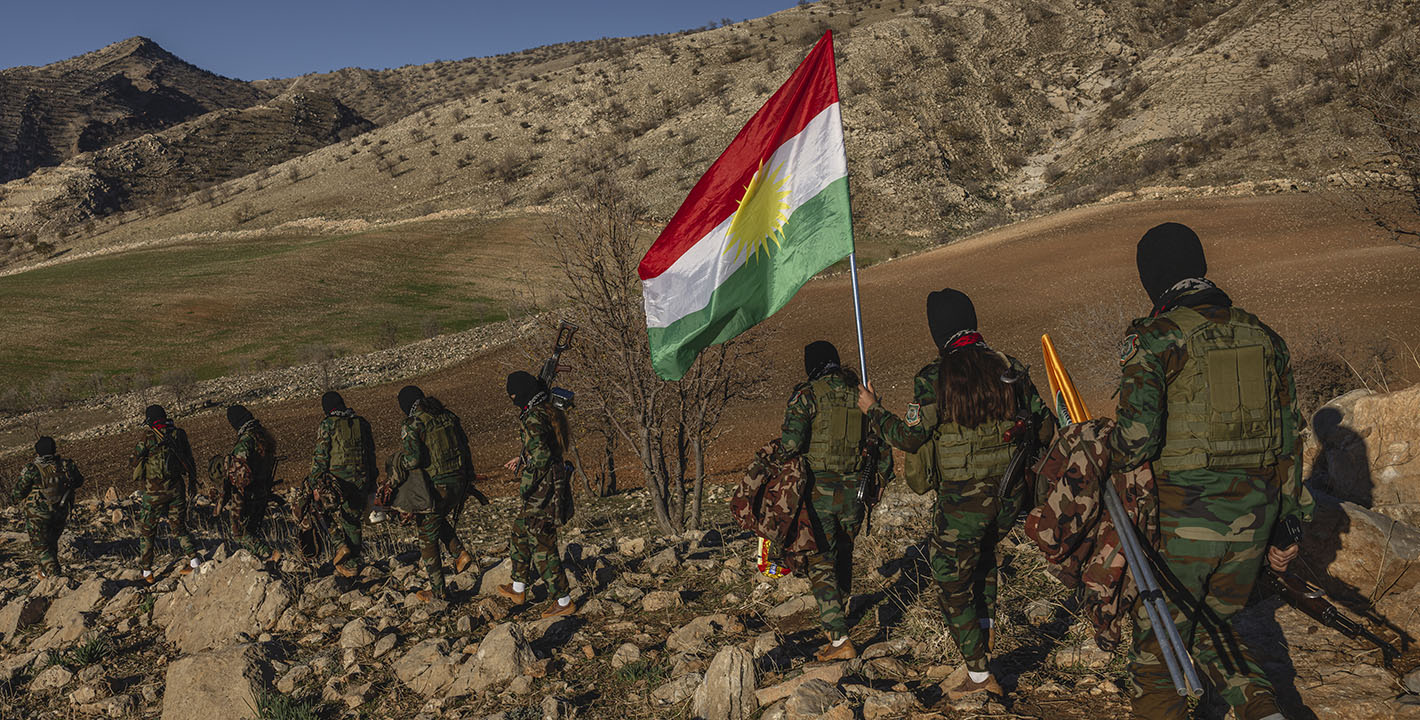
Following its deal with the United States, Iran may act against Iraq-based dissidents.
Wladimir van Wilgenburg
There is a disturbing structural parallel between the old global energy economy and the new green transition.

Angie Omar
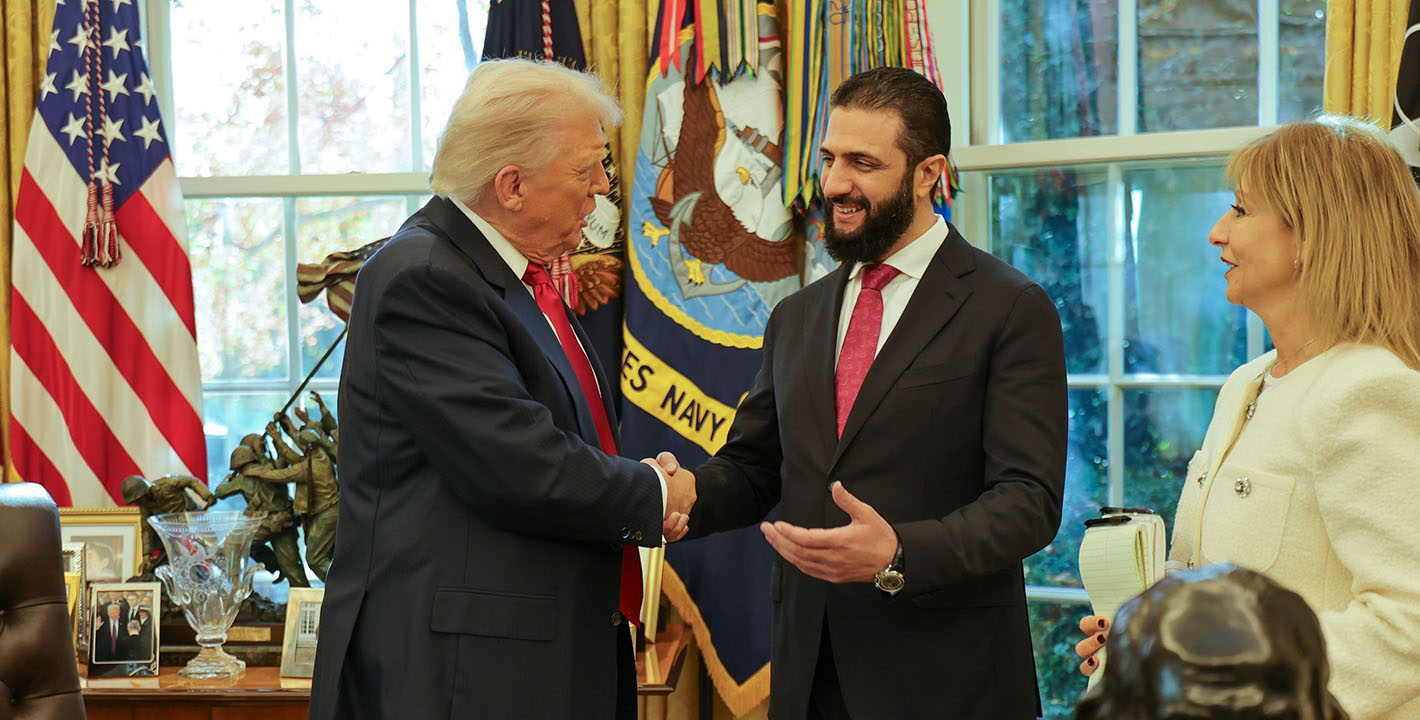
Any move by the United States to make good on Trump’s suggestion that Washington persuade Damascus to confront Hezbollah militarily would have catastrophic consequences.

Kheder Khaddour