

In The Media
David Rothkopf
{
  "authors": [
    "David Rothkopf"
  ],
  "type": "legacyinthemedia",
  "centerAffiliationAll": "",
  "centers": [
    "Carnegie Endowment for International Peace"
  ],
  "collections": [],
  "englishNewsletterAll": "",
  "nonEnglishNewsletterAll": "",
  "primaryCenter": "Carnegie Endowment for International Peace",
  "programAffiliation": "",
  "programs": [],
  "projects": [],
  "regions": [
    "North America",
    "United States",
    "Middle East",
    "Syria"
  ],
  "topics": [
    "Political Reform",
    "Foreign Policy"
  ]
}
Source: Getty
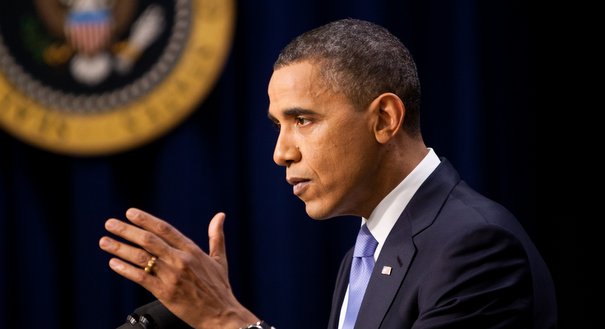
Obama runs the risk of becoming a lame duck very prematurely. Unless something major changes, his presidency is stalled.
Source: Financial Times
Barack Obama had an eventful presidency. He came into office during the worst financial crisis in three generations, helped stabilise the American economy, oversaw healthcare reform, pulled the US out of two wars, gave the order to kill Osama bin Laden, won the Nobel Prize, hosted some state dinners and played some golf. Many occupants of the Oval office boast a lot less. But unless something major changes, his presidency is stalled.
As the events of recent months have weakened the president, revealed his weaknesses and shown deep flaws in the US political system, Mr Obama now runs the risk of becoming a lame duck very prematurely. Of course, he remains powerful. Some external event – a war, a disaster, a foreign upset or opportunity, or a major misstep by his opponents in the US – could restore life to his presidency. But barring a sea-change, he may achieve little more than he already has.Recent events illustrate the situation and offer clues as to the reasons behind it. Mr Obama began the year with modest aspirations. Hoping that his 2012 election victory had given him a mandate, he sought to advance a limited agenda: immigration reform, resolving budget problems, perhaps some corporate tax changes and investment in infrastructure. Internationally, his goals were even simpler: get out of the wars he inherited and keep us out of trouble. He has faltered in almost all areas of this agenda.
Is Mr Obama to blame? The president cannot be held responsible for America’s poisonous politics. After the election he seemed to acknowledge the criticism that he had failed to reach out to Congress. He made an effort. It seemed sincere – even if it did underscore his uneasiness with backroom congressional politics. But he hit pushback. The fiscal deal that was engineered at the beginning of the new term ended up ensuring conflict over deficits, sequestration and the budget. This illustrated and compounded the partisan problems that have made the last Congress the least productive since the 1940s. The fact that Congress has become so split – a place where ideas and initiatives go to die – has had a broader effect. The withdrawal this week of Lawrence Summers from the race to be chair of the Federal Reserve, rather than face the legislators, is the latest example.
Mr Obama’s notion of intervening in Syria has also been undone by perceived resistance in Congress – and, admittedly, among the American people. The result is a diplomatic dance with Moscow that may leave the perpetrators of chemical weapons attacks in place and Mr Obama weakened. Again, not all of the blame for this can be placed at the door of the Oval office. But the president does bear some responsibility.
At home he has not been a leader of his party, proving to be more a product of the era of divide and politicise than he is an antidote to it. Internationally, he has vacillated, often appearing to take both sides and adding to the appearance of US weakness. At the same time, he alienated others with a policy of drones and a new breed of cyber imperialism that seems to claim that all data worldwide is America’s to take and do with what we please.
Now, with midterm elections next year and the 2016 presidential candidates already testing campaign speeches in primary states, Mr Obama’s time and leverage are running out. Arrogance and ambivalence have undercut the promise of Mr Obama’s oratory and, indeed, of his earnest, intelligent, seemingly good character. Flashes of promise have been subsumed by circumstances, by his opponents and by the president’s own inability to build upon them. This hints at perhaps Mr Obama’s greatest problem.
He was such a convincing campaigner with such a great personal story that our expectations were set unreasonably high. In the end, he may prove an old maxim of US politics. The people vote hoping for the brilliance of a George Washington or Abraham Lincoln. But in the end, most of the time they get a Rutherford B Hayes – leaders who failed to live up to the aspirations of the voters or their times.
Former Visiting Scholar
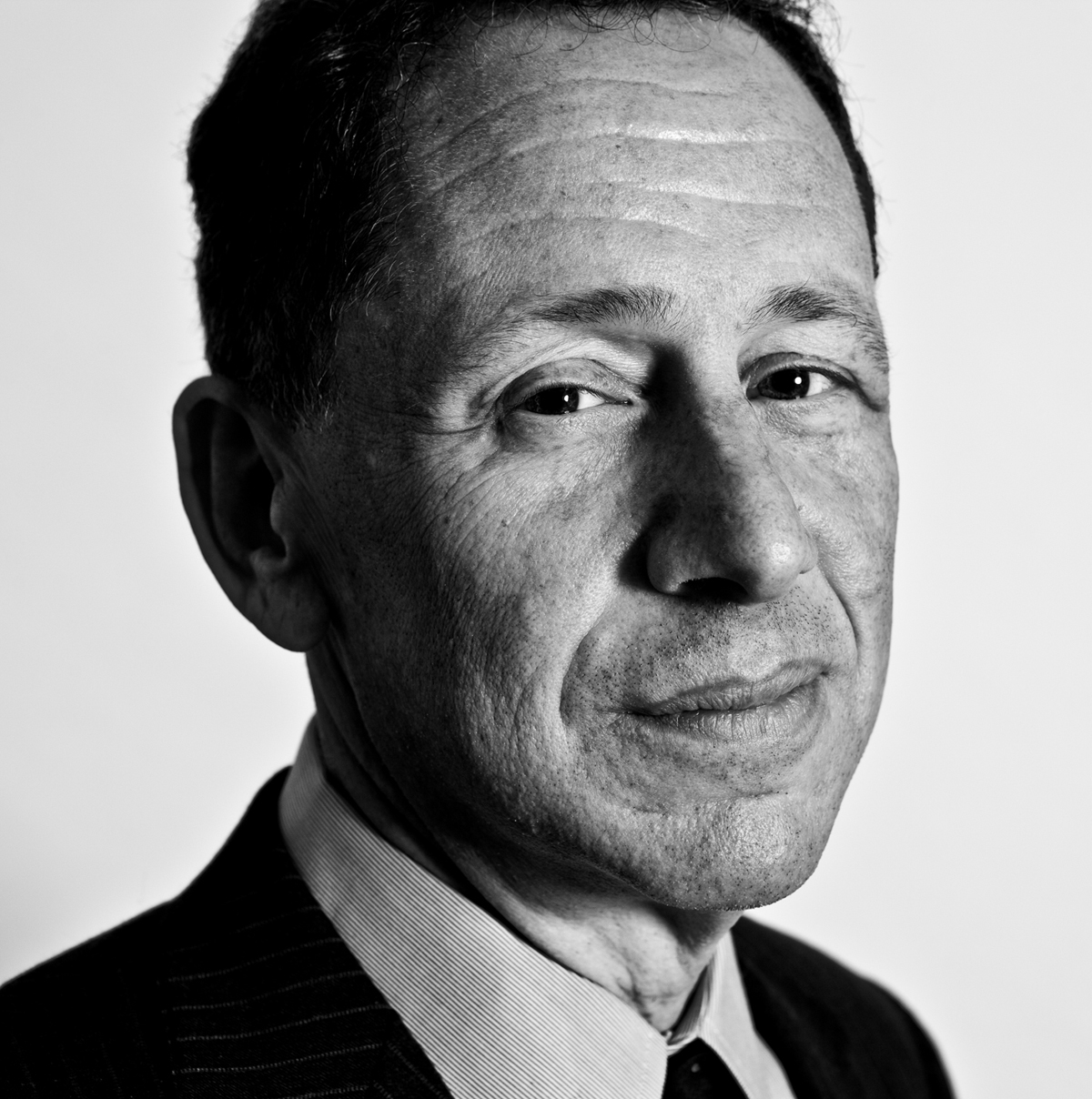
David Rothkopf was a visiting scholar at the Carnegie Endowment as well as the former CEO and editor in chief of the FP Group.
Recent Work
David Rothkopf
David Rothkopf
Carnegie does not take institutional positions on public policy issues; the views represented herein are those of the author(s) and do not necessarily reflect the views of Carnegie, its staff, or its trustees.
As talks begin between Washington and Tehran, Beirut has an opening to advance a regional plan for the party’s disarmament.

Michael Young
What is behind Marco Rubio’s announcement that the body is now an international nongovernmental organization?
Zaha Hassan
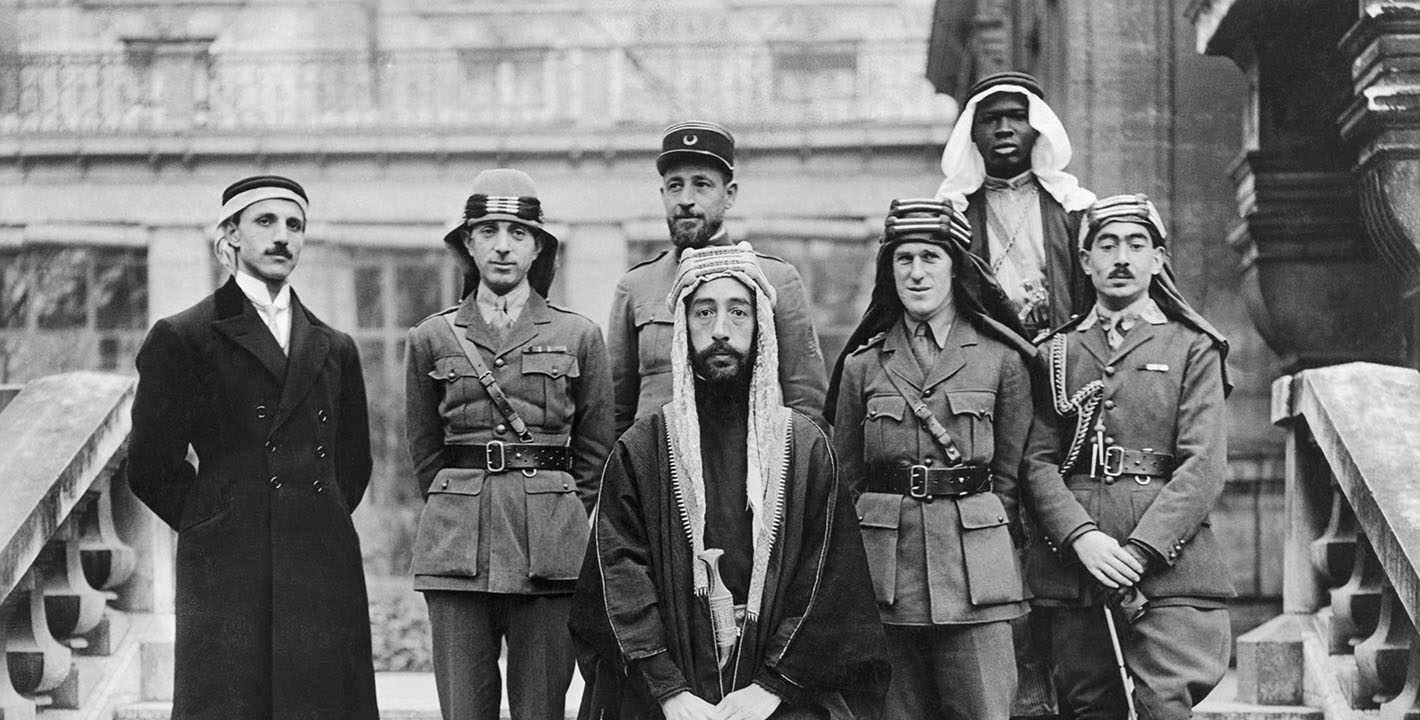
In an interview, Elizabeth Thompson recalls how the country formulated a liberal constitution in 1920, before being denied by France and Britain.
Michael Young
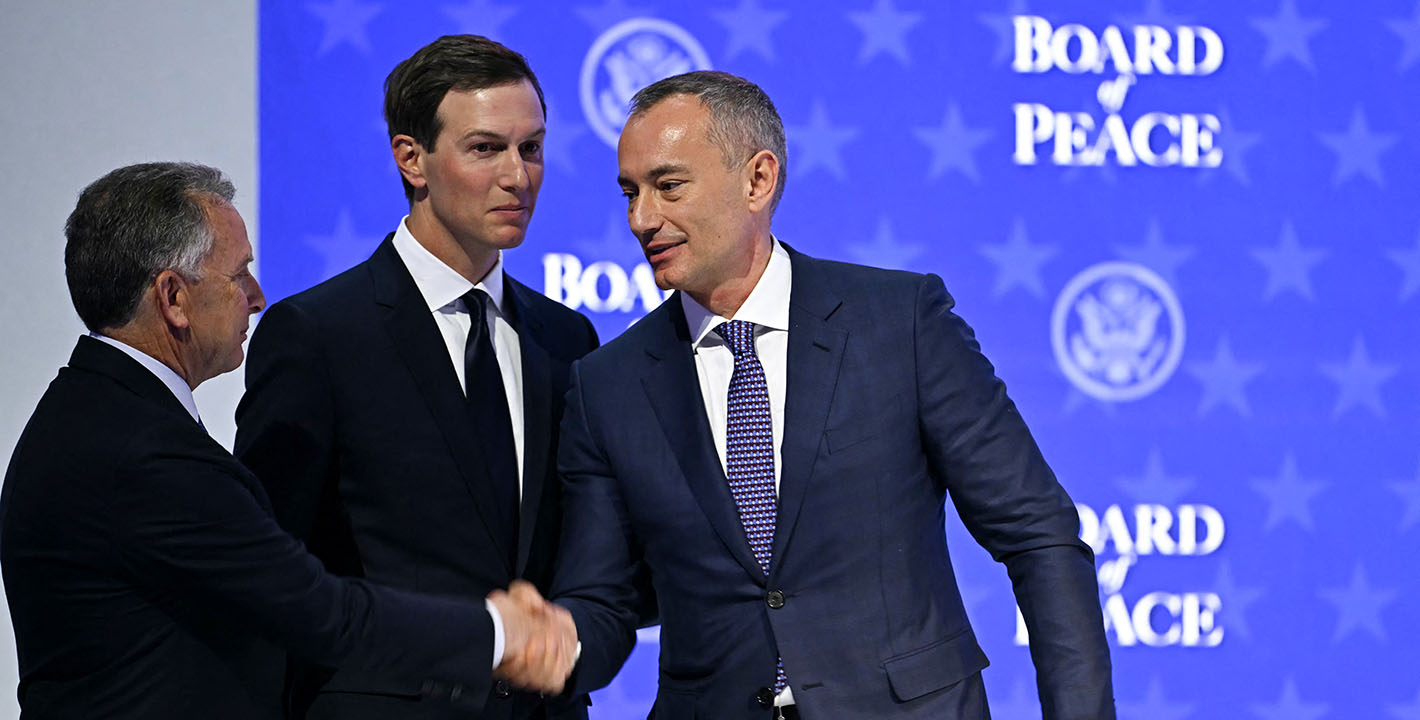
Policy discussion is ignoring that the Palestinian national project is hollowed out and apartheid is a present danger.

Nathan J. Brown
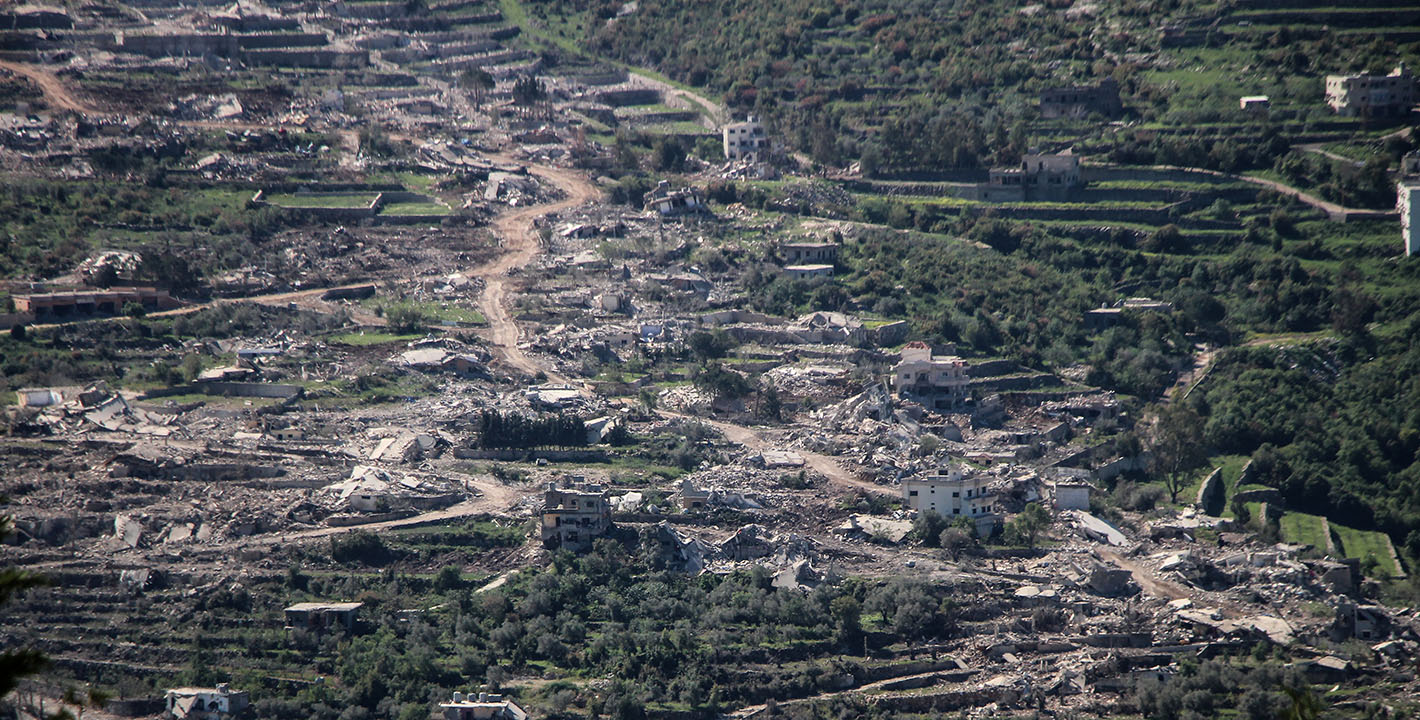
As negotiations with Iran and Lebanon continue, chaos is at the heart of the Netanyahu government’s calculations.
Michael Young