

Article
- +1
Toby Dalton, Mark Hibbs, Nicole Grajewski, …
{
  "authors": [
    "Mark Hibbs"
  ],
  "type": "legacyinthemedia",
  "centerAffiliationAll": "dc",
  "centers": [
    "Carnegie Endowment for International Peace",
    "Carnegie China"
  ],
  "collections": [],
  "englishNewsletterAll": "ctw",
  "nonEnglishNewsletterAll": "",
  "primaryCenter": "Carnegie Endowment for International Peace",
  "programAffiliation": "NPP",
  "programs": [
    "Nuclear Policy"
  ],
  "projects": [],
  "regions": [
    "South Asia",
    "Pakistan",
    "East Asia",
    "China"
  ],
  "topics": [
    "Nuclear Policy",
    "Nuclear Energy",
    "Arms Control"
  ]
}
Source: Getty
China’s decision to supply Pakistan with further power reactors has raised concerns that Beijing is breaching nuclear trade rules.
Source: Jane’s Intelligence Review
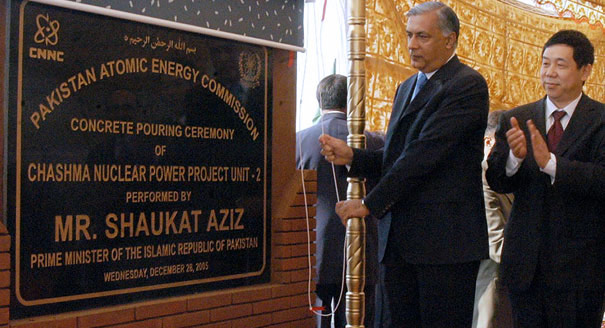
China has agreed to supply Pakistan with its fifth and possibly sixth Chinese-designed nuclear power reactor since the first joint reactor project was launched in the mid-1990s. The deal, reached in mid-2013, will mark the first time China has exported its new ACP-1000 pressurised water reactor (PWR), which is capable of producing 1,000 megawatts (MW) of electricity. Despite the civilian nature of the project, the deal for additional Chinese-built power reactors has raised concerns among international observers that it may contribute to Pakistan’s nuclear weapons programme and increase the risk of proliferation in the region. The agreement between Beijing and Islamabad also feeds into a wider debate about the future of the global nuclear non-proliferation regime, as it will almost certainly exacerbate a conflict over the global terms of nuclear trade between the world’s leading nuclear supplier states – including France, Japan, Russia, South Korea, and the United States – and most of the 190 members of the nuclear Non-Proliferation Treaty (NPT).
Beginning in 1985, advanced nuclear countries agreed to refrain from exporting nuclearrelated items to states not party to the NPT or without comprehensive International Atomic Energy Agency (IAEA) safeguards. Nevertheless, in 2008 the US managed to persuade all other advanced nuclear exporters in the Nuclear Suppliers Group (NSG), the world’s most important multilateral nuclear trade control mechanism, to lift nuclear trade sanctions against India – one of only four nuclear-armed states (along with Israel, North Korea, and Pakistan) that has developed a nuclear arsenal outside the NPT. For Islamabad, its nuclear partnership with Beijing helps to counterbalance the 2008 US-India nuclear agreement, which is regarded by Pakistan as providing India with an unfair advantage in the strategic development of its nuclear capabilities. A majority of NPT members (mostly developing countries, as well as some Western European states) have also expressed reservations about the NSG exemption that enabled the US-India nuclear trade agreement to go ahead.Yet most of the 47 advanced nuclear countries participating in the NSG, and nearly all NPT parties, view China’s indefinitely expanding nuclear commerce with Pakistan as inconsistent with Beijing’s commitment – under NSG trade guidelines and in the formal NPT review process – to refrain from forging any new agreements for the supply of nuclear equipment and material to states outside the NPT. China, on the other hand, claims that its ongoing nuclear exports to Pakistan are enabled by the terms of a bilateral nuclear agreement that predates the 2004 advent of Beijing’s participation in the NSG, implying that current exports to Pakistan are ‘grandfathered’ and not forbidden by the NSG guidelines. Ultimately, the resolve of both China and Pakistan to go ahead with this latest reactor project may be designed to apply pressure on NSG members to open the way for Pakistan to achieve a global nuclear market access agreement similar to that achieved by New Delhi in 2008.
This article was originally published in Jane's Intelligence Review.

Nonresident Senior Fellow, Nuclear Policy Program
Hibbs is a Germany-based nonresident senior fellow in Carnegie’s Nuclear Policy Program. His areas of expertise are nuclear verification and safeguards, multilateral nuclear trade policy, international nuclear cooperation, and nonproliferation arrangements.
Recent Work


Toby Dalton, Mark Hibbs, Nicole Grajewski, …
Mark Hibbs
Carnegie does not take institutional positions on public policy issues; the views represented herein are those of the author(s) and do not necessarily reflect the views of Carnegie, its staff, or its trustees.

In an interview, Marc Lynch discusses his new book decrying the post-1990 U.S.-dominated order in the Middle East.

Michael Young

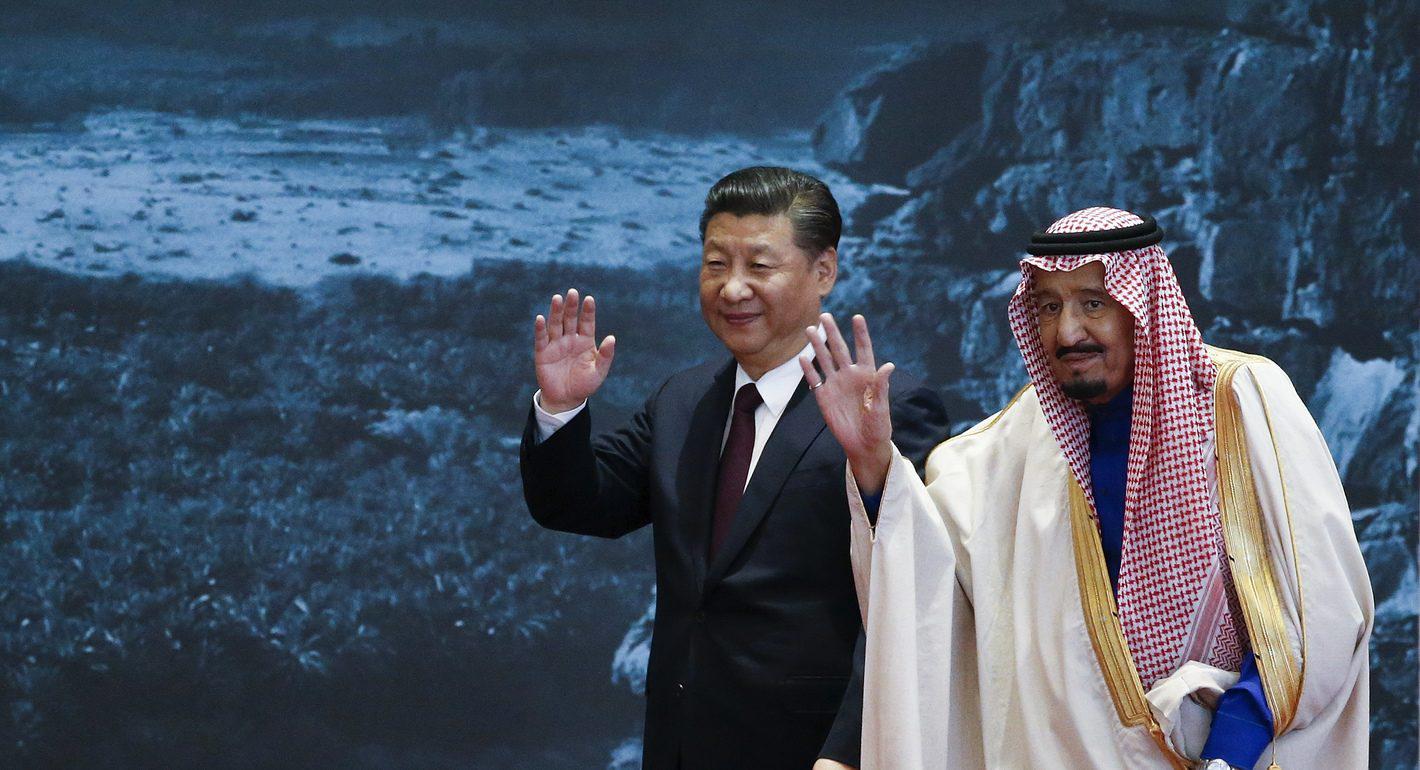
China has aligned its cooperation model with Saudi Arabia’s own priorities, most notably since the kingdom unveiled its Vision 2030. Although China announced the Belt and Road Initiative in 2013, the big push in relations happened only after the ascendance of King Salman to the throne in 2015 and Riyadh’s push for Beijing to meet Saudi needs.

Hesham Alghannam
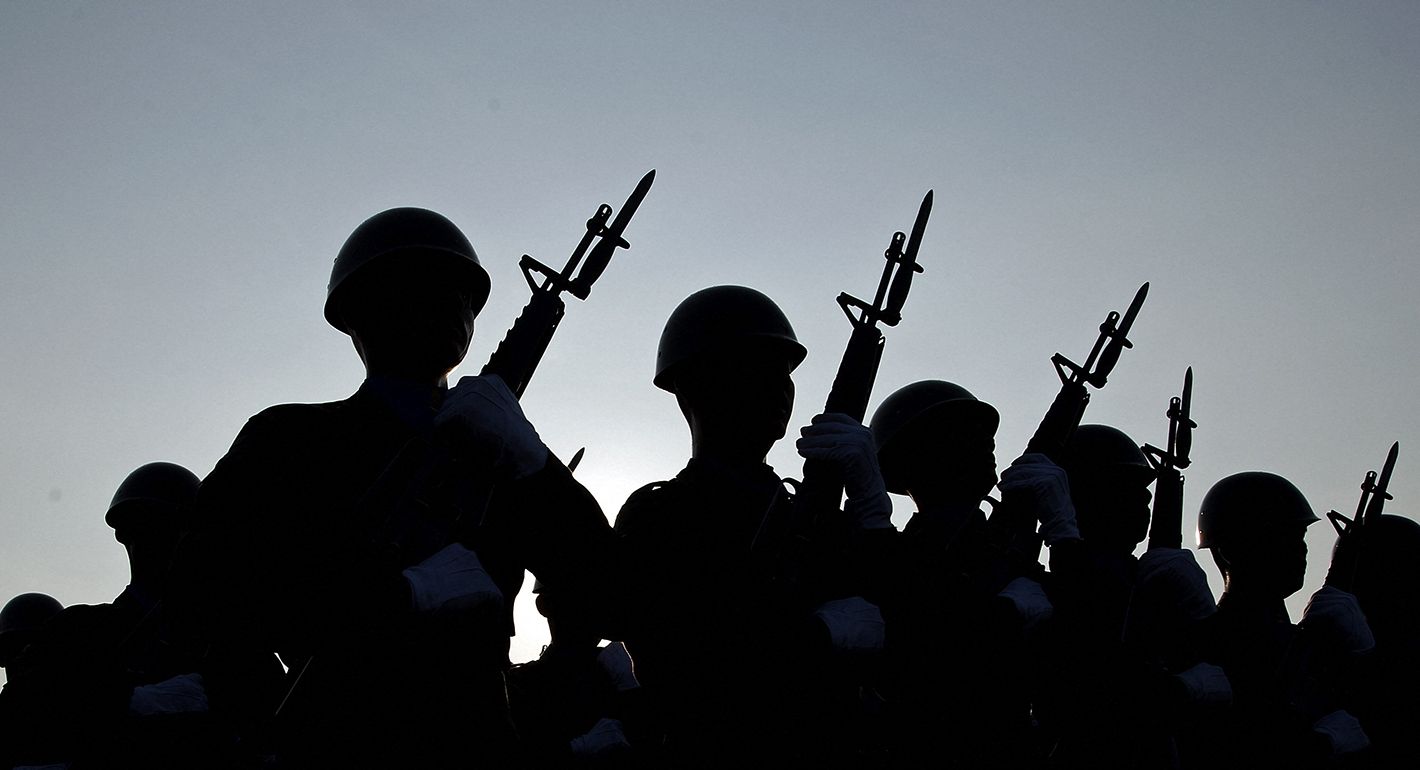
The interaction of national armed forces and private business sectors offers a useful lens for viewing the politics of numerous countries of the so-called Global South. A rising trend of military political activism—often accompanied by military commercial activity—underlines the importance of drivers and outcomes in these relationships.


Yezid Sayigh, Hamza Meddeb

The Gulf Cooperation Council has shifted its energy export focus to Asia, particularly India and China. This is part of a broader shift as GCC members look to expand their geopolitical alliances away from the West.

Alexandre Kateb
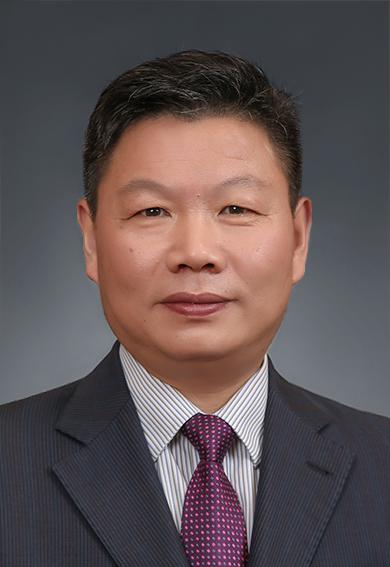
The advantage that China has over other global powers, especially America, is that its foreign policy is closely aligned with those of many of the Middle Eastern countries.

Jin Liangxiang, Maha Yahya, Hesham Alghannam